

Halbe Forest Cemetery Travel Guide
Free Guide: Reflect on history at Halbe Forest Cemetery, a somber and expansive memorial to the Battle of Halbe and the victims of war, nestled in a tranquil woodland setting.


A brief summary of Halbe Forest Cemetery
Reflect on history at Halbe Forest Cemetery, a somber and expansive memorial to the Battle of Halbe and the victims of war, nestled in a tranquil woodland setting.
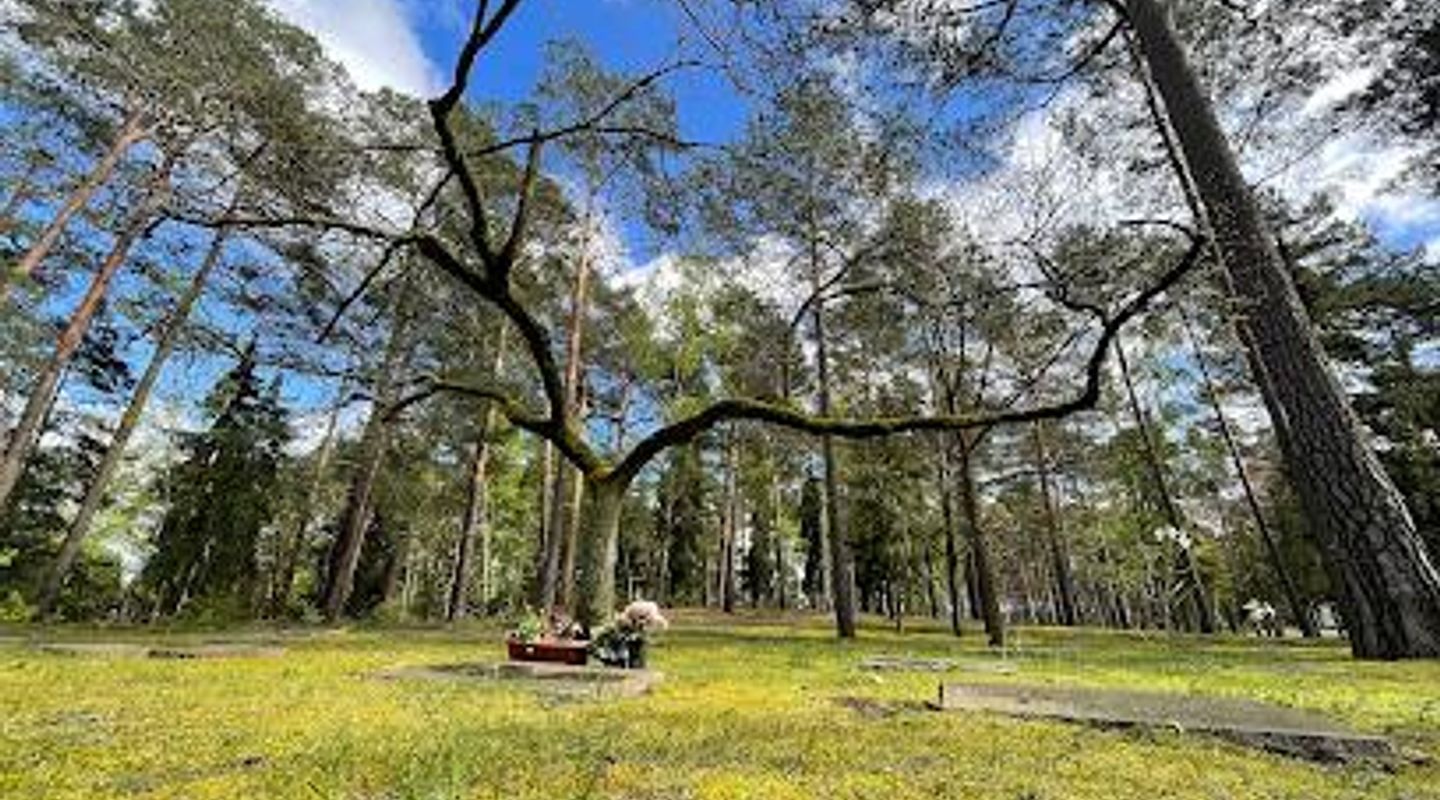
Halbe Forest Cemetery stands as a poignant reminder of the Battle of Halbe, one of the last major engagements on the Eastern Front during World War II. This solemn site serves as the final resting place for over 24,000 individuals, primarily German soldiers, but also civilians, forced laborers, and those who perished in nearby internment camps. The cemetery's tranquil setting amidst a dense forest provides a space for reflection on the immense human cost of war. Visitors can explore the grounds, marked by simple headstones and memorial plaques, and contemplate the stories of those who lie buried here. The cemetery offers a powerful and moving experience, encouraging remembrance and promoting peace. The site is freely accessible and maintained by the German War Graves Commission, ensuring its preservation for future generations. Audio guides are available for a self-guided tour, offering deeper insights into the history and significance of this important memorial.
Opening hours
- Every day8 am–4 pm
Opening hours as listed on the venue’s Google Business Profile. Hours can change for services and special events, so check with the venue before you go.
- Address
- Am Friedhof 2, 15757 Halbe
- Phone
- Website
Getting there
Public Transport
Driving
Discover more about Halbe Forest Cemetery
Overview
Halbe Forest Cemetery, located approximately 60 kilometers southeast of Berlin in the Brandenburg district of Dahme-Spreewald, is one of the largest war cemeteries in Germany. This somber and expansive site serves as the final resting place for approximately 24,000 victims of the Battle of Halbe, a brutal engagement that took place in the closing weeks of World War II. The battle, which occurred in April 1945, saw the encirclement and near-total destruction of the German 9th Army by Soviet forces as they advanced on Berlin. The cemetery's origins lie in the immediate aftermath of the battle. The sheer number of casualties and the warm weather conditions created a severe health crisis, prompting Soviet authorities to order the immediate burial of the dead. Corpses were interred in mass graves, individual plots, and even bomb craters scattered throughout the surrounding forests and villages. These makeshift burial sites remained largely unmarked and unmaintained for several years. In 1951, a local Protestant minister named Ernst Teichmann initiated a project to consolidate these scattered graves into a central cemetery. With the support of the local community and the church, Teichmann dedicated his life to locating and reburying the remains of the fallen. This arduous task continued for decades, as the remains of soldiers and civilians were exhumed from the surrounding area and brought to the newly established Halbe Forest Cemetery. The cemetery itself is a sprawling, seven-hectare woodland site characterized by its simple and understated design. The landscape architects Walter Funcke and Karl Foerster created a space that blends seamlessly with the natural environment, fostering an atmosphere of quiet contemplation and remembrance. The graves are arranged in eleven large fields, marked by simple stone crosses and plaques bearing the names of those identified. However, many graves remain anonymous, a testament to the chaotic circumstances of the battle and the difficulty of identifying the remains. Beyond the soldiers who perished in the Battle of Halbe, the cemetery also holds the remains of other victims of Nazi persecution, including forced laborers from Eastern Europe and individuals executed at the Berlin-Tegel prison and the Ketschendorf internment camp. These diverse stories of suffering and loss underscore the far-reaching consequences of war and the importance of remembering all those who were affected. Since 2002, the German War Graves Commission (Volksbund Deutsche Kriegsgräberfürsorge) has been responsible for the care and maintenance of the Halbe Forest Cemetery. The commission has undertaken extensive efforts to preserve the site, improve visitor facilities, and promote education about the history of the Battle of Halbe and its aftermath. An information center located near the entrance to the cemetery provides historical context and offers audio guides for self-guided tours. Visiting the Halbe Forest Cemetery is a profoundly moving experience. The sheer scale of the site and the countless graves serve as a stark reminder of the human cost of war. The tranquil setting amidst the forest provides a space for reflection on the futility of violence and the importance of peace and reconciliation. The cemetery is not only a place of mourning but also a place of learning, where visitors can gain a deeper understanding of the events that shaped the 20th century and the enduring legacy of conflict. Today, the Halbe Forest Cemetery stands as a symbol of remembrance and a testament to the enduring power of the human spirit. It is a place where visitors can pay their respects to the fallen, reflect on the lessons of history, and reaffirm their commitment to building a more peaceful world. The cemetery is open to the public year-round, and admission is free. Visitors are encouraged to take their time, explore the grounds, and contemplate the stories of those who lie buried here. The Halbe Forest Cemetery is a place that will stay with you long after you leave, a reminder of the importance of remembering the past and working towards a better future. In addition to the graves themselves, the Halbe Forest Cemetery also features several memorials and monuments dedicated to the victims of war and persecution. These include a central memorial stone, a plaque commemorating the victims of the Ketschendorf internment camp, and a series of information panels that provide historical context and personal stories. The cemetery also hosts regular commemorative events and educational programs, aimed at promoting understanding and reconciliation. The Halbe Forest Cemetery is more than just a burial ground; it is a place of pilgrimage, a site of historical significance, and a symbol of hope for a more peaceful future. It is a place where visitors can connect with the past, reflect on the present, and imagine a better world for generations to come. Whether you are a history enthusiast, a student of conflict, or simply someone seeking a moment of quiet contemplation, the Halbe Forest Cemetery offers a profound and unforgettable experience.
Evendo Review Centre
 Google
Guest reviews
Explore Halbe Forest Cemetery on the map
A handpicked selection of must-see spots near Halbe Forest Cemetery, mapped for you.
Get your free copy of our complete guide to Halbe Forest Cemetery, delivered straight to you.
Everything on this page, from opening hours and how to get there to Eve’s tips and the best time to go, in one PDF you can read offline, print or share.
Already have an account? Sign in
Your Halbe Forest Cemetery guide is ready.
We'll send it to · Not you? Sign out

Getting your guide ready…
We are putting together a fresh copy of the Halbe Forest Cemetery guide. This can take up to a minute.
This can take a few moments. If your browser asks, choose Allow so the download can start. You'll find the guide in your Downloads folder.
Nothing happened? Download it again
Sorry, the guide is taking longer than usual. Please try again in a minute, or get it by email instead.
Other nearby places you may find interesting
The closest places of the same kind, if this one is not quite what you had in mind.
-
-
-
-
-


Swipe for more places
More to explore near Halbe Forest Cemetery

 Best experiences near Halbe Forest Cemetery
 Best hotels near Halbe Forest Cemetery
 Best landmarks near Halbe Forest Cemetery
 Best attractions near Halbe Forest Cemetery
 Best shops near Halbe Forest Cemetery
 Best restaurants near Halbe Forest Cemetery
 Best bars near Halbe Forest Cemetery
Do you manage this location?
Take control to get all the benefits, like improved information, better appearance, and stronger visibility across AI-powered discovery.
Explore more

Explore more of Brandenburg
Discover Brandenburg: Explore a region rich in history, culture, and natural beauty, featuring stunning landscapes, historic sites, and vibrant cultural experiences.
Explore Brandenburg
Explore more of Germany
Experience Germany: where history meets innovation, and urban energy blends with natural beauty. Discover diverse cultures, delicious cuisine, and stunning landscapes.
Explore Germany
