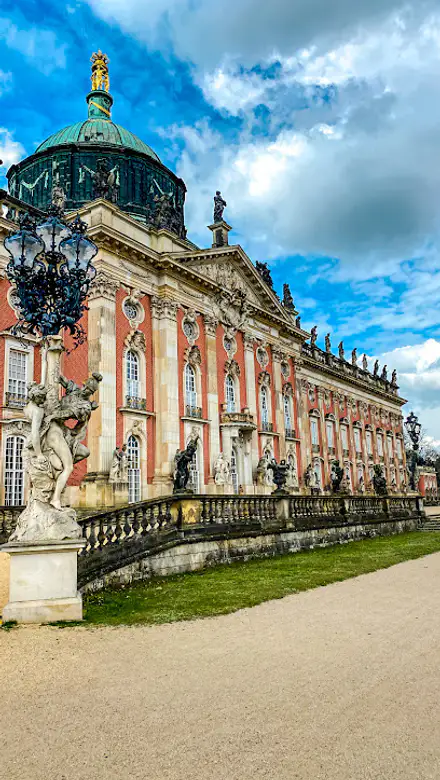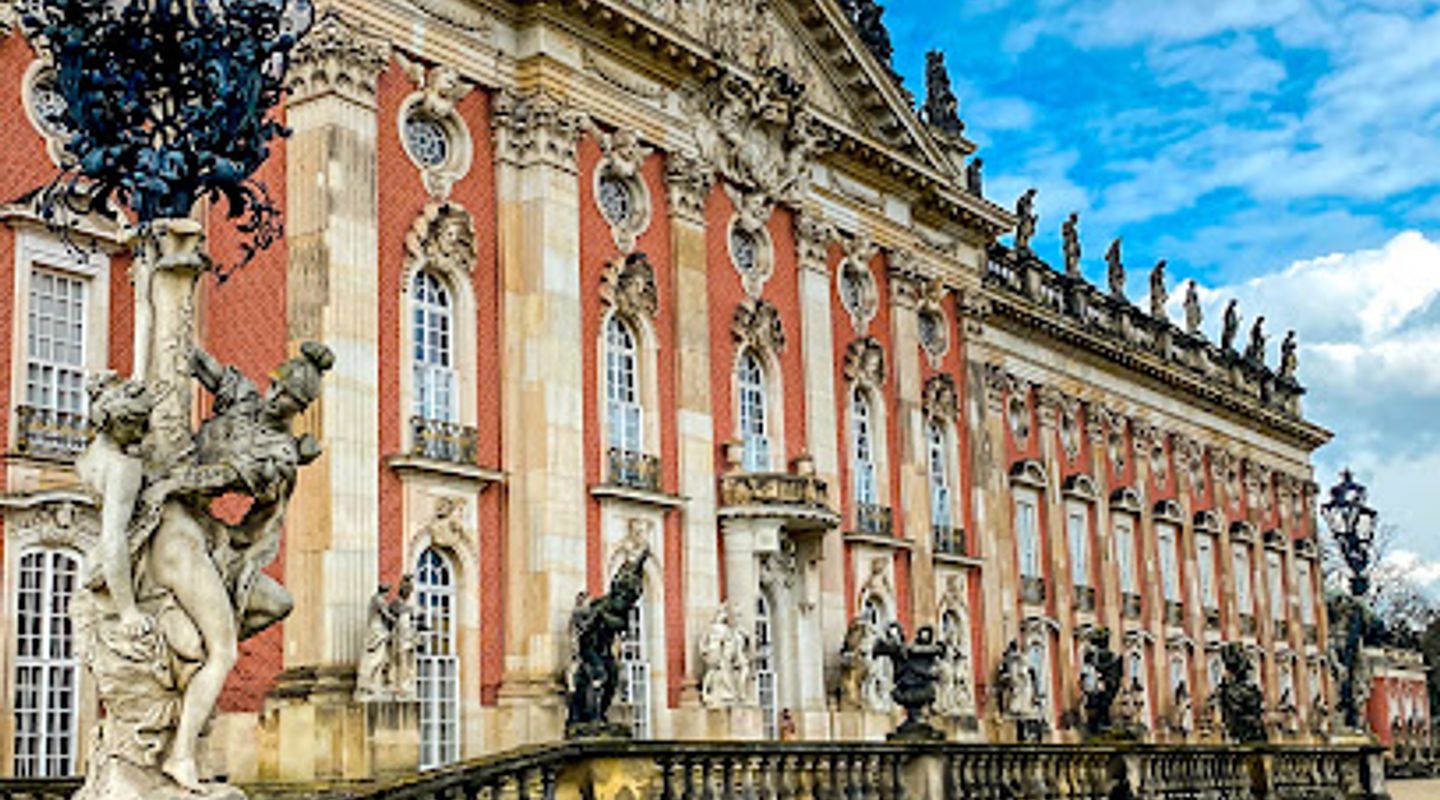
New Palace, Brandenburg Travel Guide
Explore Potsdam's New Palace, a magnificent Baroque masterpiece in Sanssouci Park, showcasing Prussian power and opulent 18th-century artistry, from the Grotto Hall to the Marble Hall.
The New Palace in Potsdam, a UNESCO World Heritage site, stands as a testament to Prussian power and architectural grandeur. Built by Frederick the Great after the Seven Years' War, this opulent palace contrasts sharply with the intimate Sanssouci. With over 200 rooms, including the mesmerizing Grotto Hall adorned with thousands of shells and minerals, the Marble Hall, and a historic theater, the New Palace offers a glimpse into the lavish lifestyle of Prussian royalty. Though Frederick rarely resided here, it served as a magnificent venue for state events and housed distinguished guests. Today, visitors can explore its stunning interiors, wander through the expansive Sanssouci Park, and appreciate the palace's historical significance. A visit to the New Palace is a journey back in time, showcasing the artistic and architectural achievements of Prussia's golden age.
A brief summary to New Palace
- Am Neuen Palais, Potsdam, Westliche Vorstadt, 14469, DE
- Click to display
- Click to display
- Monday 10 am-5:30 pm
- Wednesday 10 am-5:30 pm
- Thursday 10 am-5:30 pm
- Friday 10 am-5:30 pm
- Saturday 10 am-5:30 pm
- Sunday 10 am-5:30 pm

Know before you go
Hi, I'm Eve. Here are a few practical things to know before exploring New Palace.
- Purchase the Sanssouci+ ticket online in advance to skip the ticket lines and guarantee entry to multiple palaces, including the New Palace and Sanssouci, especially during peak season.
- Allocate at least 3-4 hours to fully explore the New Palace and its surrounding gardens within Sanssouci Park; wear comfortable shoes for walking.
- Visit during the shoulder season (April-May or September-October) for pleasant weather and fewer crowds compared to the summer months.
Do you manage this location?
Take control to get all the benefits, like improved information, better appearance, and stronger visibility across AI-powered discovery. Learn more about listing your business on Evendo
Activate your presenceOther nearby places you may find interesting
The closest places of the same kind, if this one is not quite what you had in mind.
Explore New Palace on the Map
A handpicked selection of must-see spots near New Palace, mapped for you.
Unlock the Best of New Palace
Buy tickets
-
No tickets available
Book tours with entry


Getting There
-
Public Transport
From Potsdam Hauptbahnhof (Central Station), take bus line 695 or X15 directly to the 'Potsdam, Neues Palais' stop. The journey takes approximately 20-25 minutes. A single VBB (Verkehrsverbund Berlin-Brandenburg) ticket costs around €3.80.
-
Walking
From Sanssouci Palace, follow the Hauptallee (main avenue) westward through Sanssouci Park. The walk to the New Palace is approximately 2.5 kilometers and takes about 30-40 minutes. This scenic route allows you to enjoy the park's landscape and other attractions along the way. Note that the walk is mostly flat, but comfortable shoes are recommended.
-
Taxi/Ride-Share
A taxi or ride-share from Potsdam Hauptbahnhof to the New Palace costs approximately €15-€20 and takes around 15 minutes, depending on traffic. This is a convenient option for those with mobility issues or limited time.
-
Shuttle Service
From April to October, the SPSG (Prussian Palaces and Gardens Foundation) offers a free shuttle service within Sanssouci Park, running between the Grünes Gitter (Green Grille) near the Obelisk and the New Palace. The shuttle operates daily from 11:00 AM to 5:30 PM. However, the service is subject to availability and may be affected by weather conditions.
-
Parking
If driving, paid parking is available at the P3 car park ('At the New Palace'). Parking fees typically range from €2-€3 per hour, with a daily maximum of around €10. Availability can be limited during peak season, so arriving early is recommended.
Discover more about New Palace













Your all‑in‑one travel companion app
Explore expert travel guides, compare and book tours, experiences, hotels, and more—all from the palm of your hand. Download now for seamless trip planning wherever your wanderlust takes you.


Explore More of Brandenburg
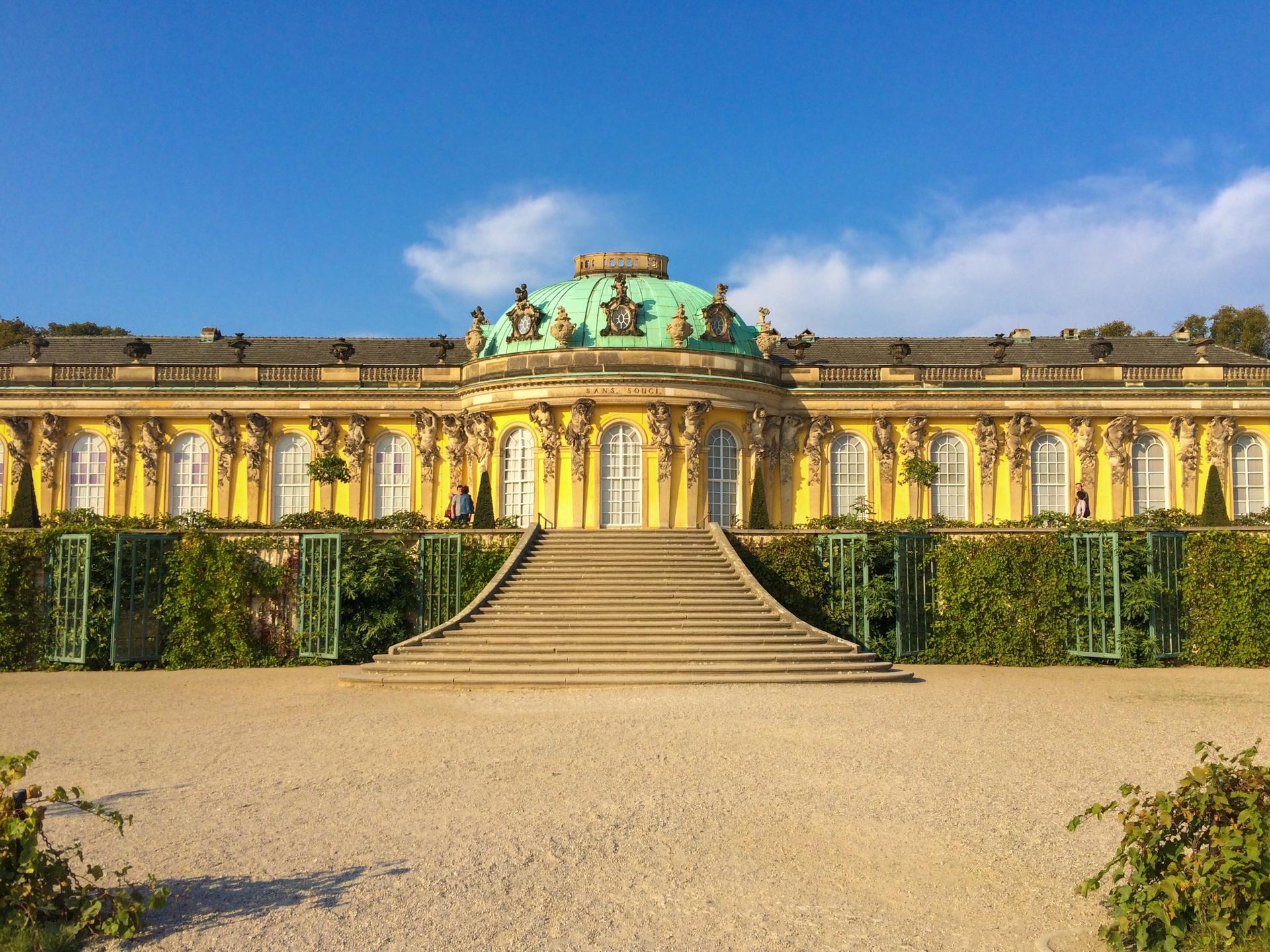
Looking beyond New Palace? Discover Brandenburg for broader travel guides, local hot-spots, and regional highlights.
Explore Brandenburg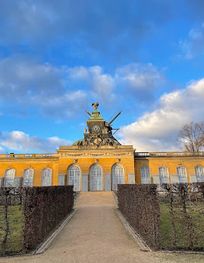
Discover the historical beauty and serene landscapes of Sanssouci Park in Potsdam, a UNESCO World Heritage site perfect for all nature lovers and history enthusiasts.
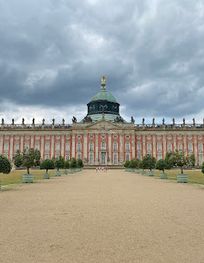
Explore the breathtaking Vorhof Neues Palais in Potsdam, a stunning example of Baroque architecture and a gateway to Prussian royal history.