Glockenspiel House: A Melodic Landmark
Experience the enchanting melodies and historical charm of Bremen's Glockenspiel House, a Neo-Renaissance masterpiece with a captivating carillon performance in the heart of Böttcherstraße.
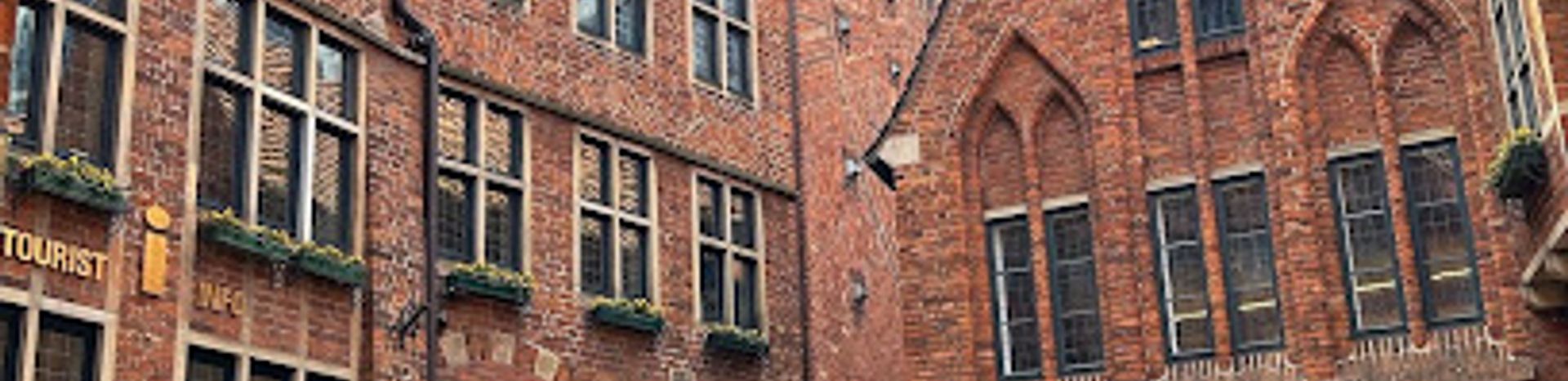
The Glockenspiel House in Bremen's Böttcherstraße is a captivating historical landmark. Originally built in 1922 as the Bremen America Bank, this architectural gem gained its famous carillon in 1934. Three times a day, or hourly from April to December, the 30 Meissen porcelain bells chime, accompanied by rotating wooden panels depicting pioneering seafarers and aviators. Designed in Neo-Renaissance style, the Glockenspiel House offers a delightful blend of history, art, and musical charm, making it a must-see attraction in Bremen's old town. The building also houses the Bremen Tourist Information office, making it a convenient first stop for visitors.
A brief summary to Glockenspiel House
- Böttcherstraße 4-6, Bremen, Mitte, 28195, DE
- Visit website
Local tips
- Time your visit to coincide with the Glockenspiel's chimes (hourly from April to December, 12-6 pm) for the full experience of the music and rotating panels.
- Visit the Bremen Tourist Information office inside the Glockenspiel House for maps, brochures, and insider tips on exploring the city.
- Explore Böttcherstraße, the unique expressionist street where the Glockenspiel House is located, filled with shops, galleries, and cafes.

Getting There
-
Walking
The Glockenspiel House is located in Böttcherstraße, a pedestrian zone in Bremen's city center. From the Marktplatz (Market Square), walk east into Böttcherstraße. The Glockenspiel House is a short walk down the street on the right-hand side. Orientation is easy due to the distinctive architecture of Böttcherstraße.
-
Public Transport
The closest public transport stop is Domsheide, served by tram lines 2, 3, 4, 6, and 8, as well as bus lines 24 and 25. From Domsheide, walk west towards the Bremen Cathedral and then turn left into Böttcherstraße. The Glockenspiel House is a short walk down the street. A single public transport fare within Bremen is approximately €2.60.
-
Taxi/Ride-Share
Taxis and ride-sharing services can drop you off near the entrance to Böttcherstraße. A taxi from Bremen Hauptbahnhof (main train station) to Böttcherstraße will cost approximately €8-€10. From there, it's a short walk into the pedestrian zone to reach the Glockenspiel House.
-
Parking
Parking is limited directly near Böttcherstraße due to its pedestrian zone status. Several parking garages are available within a short walking distance, such as the Parkhaus Böttcherstraße and Parkhaus Am Dom. Hourly parking rates typically range from €2.50, with daily rates around €19-€25. Consider using Park and Ride options outside the city center with free parking and public transport links to avoid city center traffic and parking fees.
Discover more about Glockenspiel House
Iconic landmarks you can’t miss

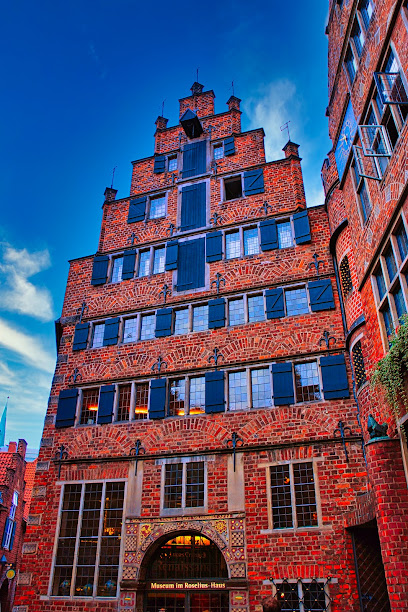
Roselius-Haus Museum
0.0 km
Explore the Roselius-Haus Museum in Bremen, a captivating journey through the city's rich artistic and cultural heritage.
Seven Lazy Brothers Fountain
0.0 km
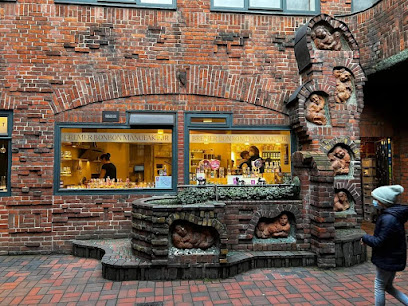
Discover the whimsical Seven Lazy Brothers Fountain in Bremen's Böttcherstraße, a tribute to a local legend of ingenuity and perseverance amidst stunning expressionist architecture.
Atlantis House
0.0 km
Discover Atlantis House in Bremen's Böttcherstraße: An architectural gem blending Art Deco and Expressionism, steeped in history and esoteric intrigue, offering a unique cultural experience.
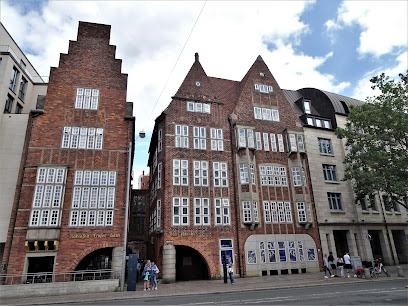
Bringer of Light
0.1 km
Discover Bremen's enchanting Böttcherstraße: A unique Expressionist street blending art, history, and culture, featuring museums, artisan workshops, and the iconic Glockenspiel.
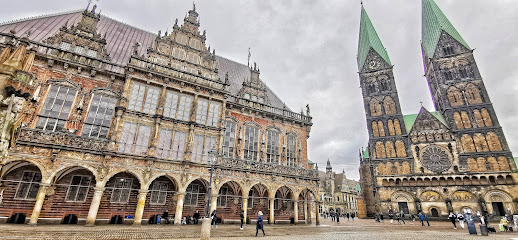
Garten der Bürgerschaft, der Hansestadt Bremen
0.1 km
Discover a tranquil sculpture garden in Bremen's heart, showcasing Gerhard Marcks' art beside the historic Parliament building, offering a serene escape on the Marktplatz.
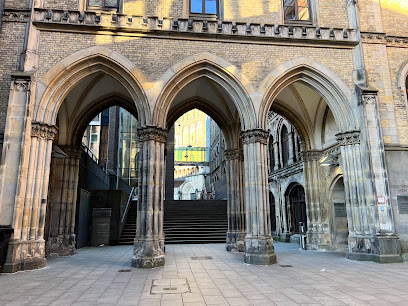
Martinianleger
0.1 km
Discover Bremen's maritime heart at Martinianleger: a historic pier offering river cruises, scenic views, and a vibrant connection to the city's Hanseatic past.
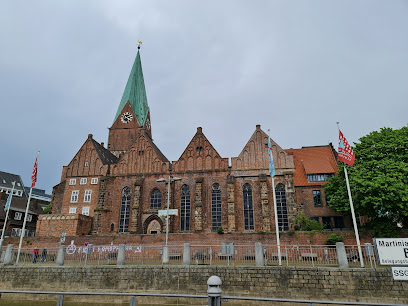
Heralds at Bremen City Hall
0.2 km
Discover the Heralds at Bremen City Hall, a UNESCO World Heritage site, where history and art converge in stunning equestrian statues, embodying Bremen's enduring spirit.
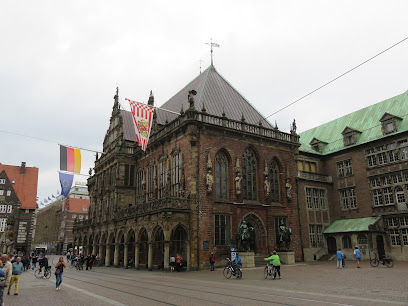
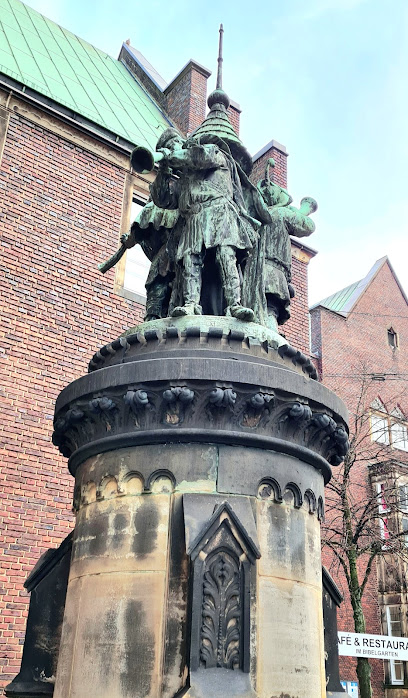
Tower Blowers Fountain
0.2 km
Discover Bremen's musical heritage at the Tower Blowers Fountain, a captivating bronze sculpture beside the iconic Cathedral, celebrating centuries of tower musicians.
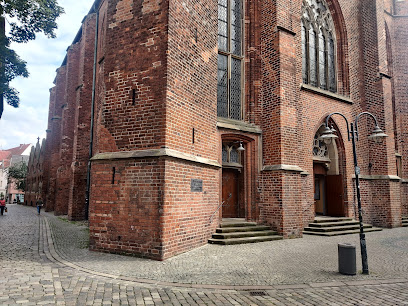
St. John's Church
0.2 km
Discover St. John's Church in Bremen's Schnoor: A 14th-century Brick Gothic masterpiece with a rich history, serene ambiance, and vibrant community spirit, nestled in a charming medieval quarter.
Bismarck monument
0.2 km
Discover the Bismarck Monument in Bremen's Domshof: a bronze equestrian statue commemorating Germany's Iron Chancellor and a pivotal figure in European history.
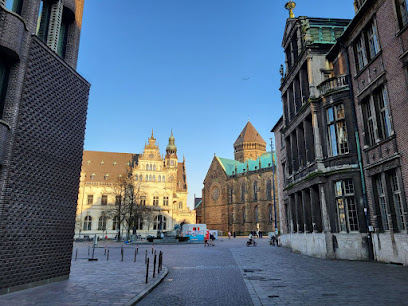
Marcus Fountain
0.2 km
Discover the enchanting Marcus Fountain in Bremen's historic heart, a stunning landmark blending artistry and history on the vibrant Unser Lieben Frauen Kirchhof.
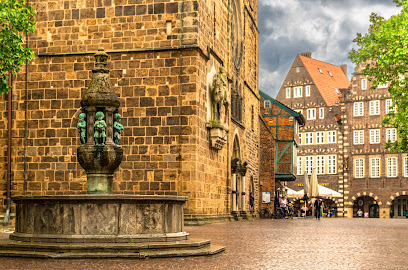
Dom-Museum
0.3 km
Discover Bremen's rich ecclesiastical history at the Dom-Museum, nestled within the iconic St. Peter's Cathedral, showcasing medieval treasures and artifacts from bishop's tombs.
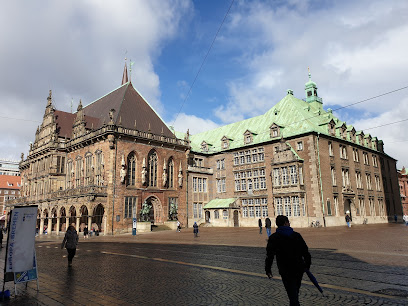
Bremer Geschichtenhaus | bras e.V.
0.4 km
Experience Bremen's history come alive at the Bremer Geschichtenhaus, a living museum in the heart of the Schnoor district, where costumed actors bring the city's past to life.
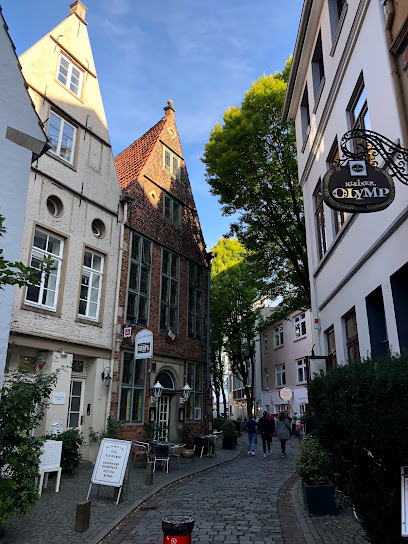
Kleinstes Haus Deutschlands
0.4 km
Discover Germany's Smallest House in Bremen's historic Schnoor district: a charming testament to resourceful living and a unique glimpse into the city's captivating past.
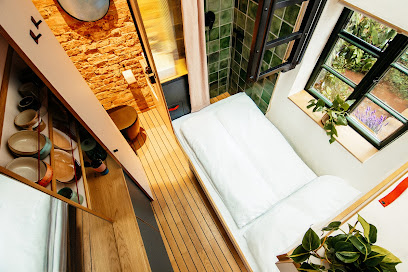
Ottjen-Alldag-Brunnen
0.4 km
Discover the Ottjen Alldag Fountain in Bremen's Schnoor, a tribute to local author Georg Droste, blending art, history, and the charm of the city's oldest quarter.
Unmissable attractions to see

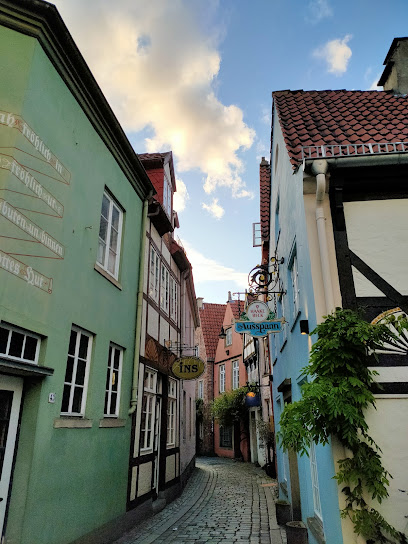
Böttcherstraße
0.0 km
Explore the artistic charm of Böttcherstraße in Bremen, a must-visit destination showcasing unique architecture, art museums, and delightful cafes.
Haus Schütting
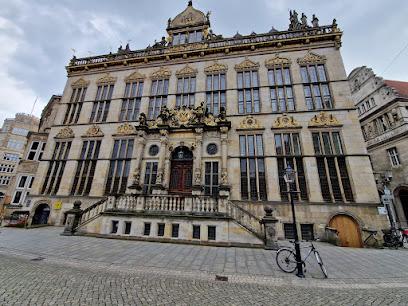
0.1 km
Discover the historical elegance of Haus Schütting, Bremen's iconic landmark that showcases Renaissance architecture and vibrant local culture.
Bremen Market Square
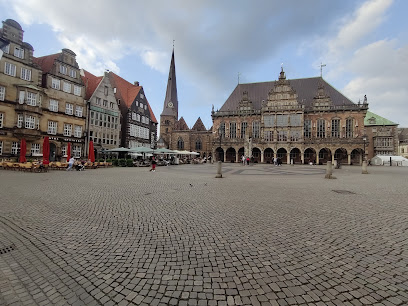
0.1 km
Explore Bremen Market Square: a vibrant UNESCO World Heritage site with stunning architecture and lively cultural experiences in the heart of Bremen.
Bremen Hole
0.1 km
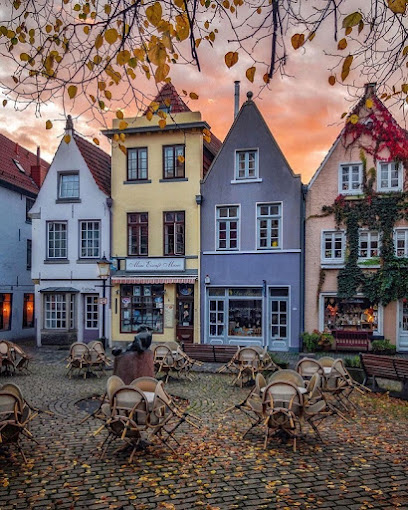
Explore the historical charm and vibrant culture of Bremen Hole, a must-see attraction in the heart of Bremen, Germany.
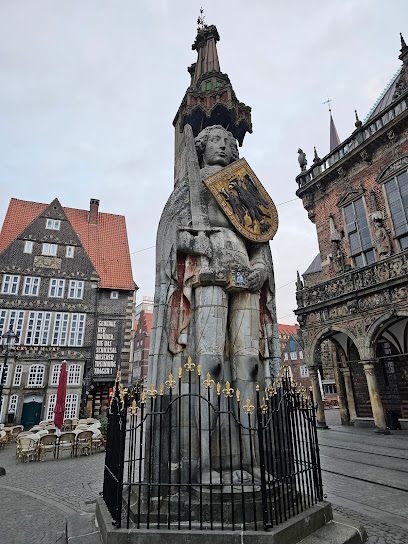
Bremen Roland
0.2 km
Explore Bremen Roland, a UNESCO World Heritage site that embodies the rich history and vibrant culture of Bremen, Germany.
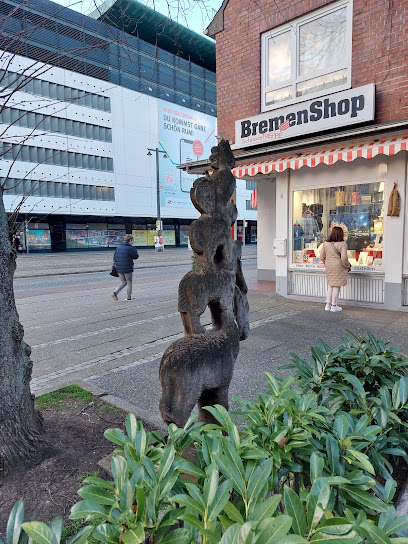
Holzskulptur der Stadtmusikanten
0.2 km
Explore the whimsical Holzskulptur der Stadtmusikanten in Bremen, a captivating wooden sculpture celebrating the magic of fairy tales.
Town Musicians of Bremen
0.2 km
Discover the whimsical charm of the Town Musicians of Bremen, a captivating statue embodying friendship and resilience in the heart of the city.
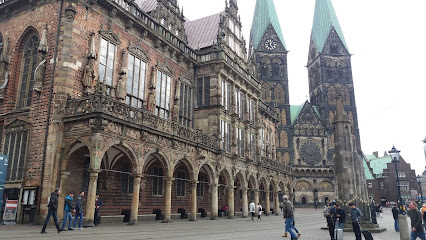
Bremen Town Hall
0.2 km
Explore the breathtaking Bremen Town Hall, a UNESCO World Heritage site, showcasing Gothic architecture and rich history in the heart of Bremen.
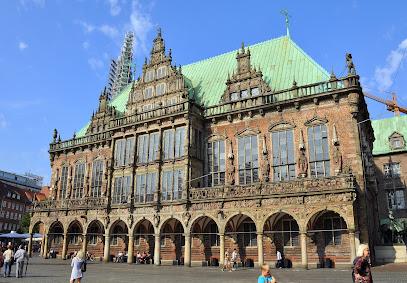
Bleikeller
0.2 km
Explore Bleikeller, a historical underground site in Bremen that unveils the city's rich past beneath the iconic St. Peter's Cathedral.
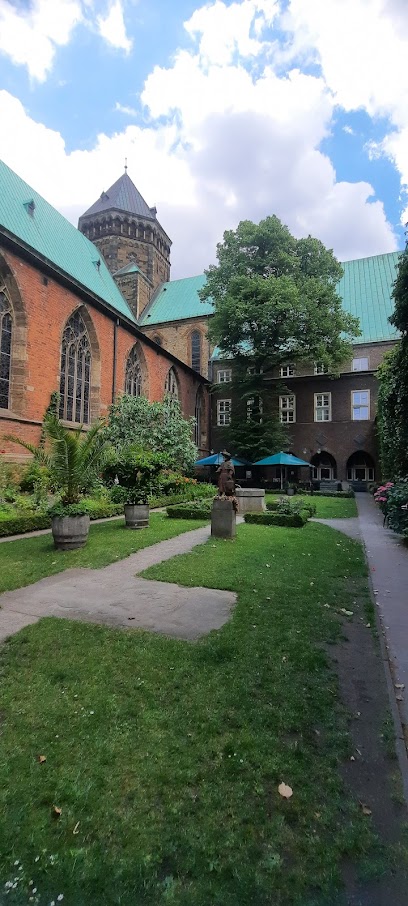
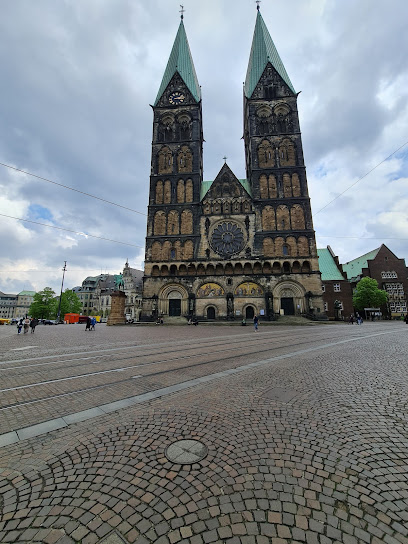
St. Petri Dom Bremen
0.2 km
Discover the historical and architectural splendor of St. Petri Dom Bremen, a breathtaking cathedral and cultural landmark in the heart of the city.
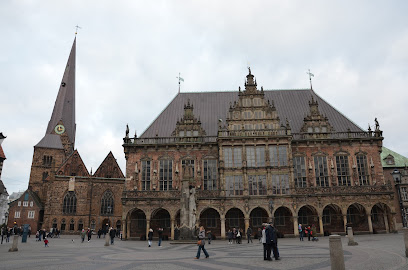
Weser Promenade Bremen
0.3 km
Explore the stunning Weser Promenade in Bremen, where captivating views meet vibrant culture along the scenic River Weser.
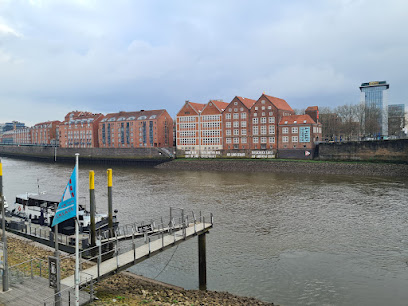
Domshof
0.3 km
Explore Domshof in Bremen, a vibrant square where history meets modern culture, surrounded by stunning architecture and lively local events.
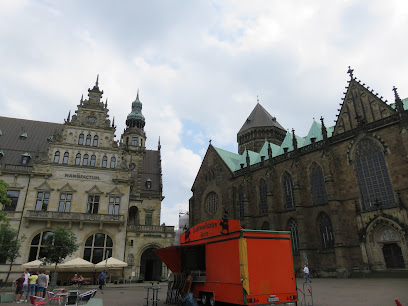
Stavendamm
0.3 km
Explore Stavendamm in Bremen, a charming area with scenic views, rich history, and vibrant local culture perfect for all types of travelers.
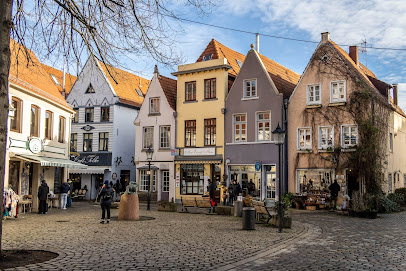
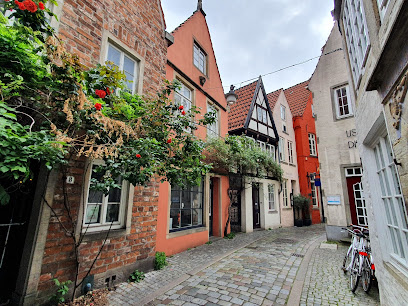
Schnoor
0.4 km
Discover the enchanting historical district of Schnoor in Bremen, where cobblestone streets meet charming shops and delightful cafés.
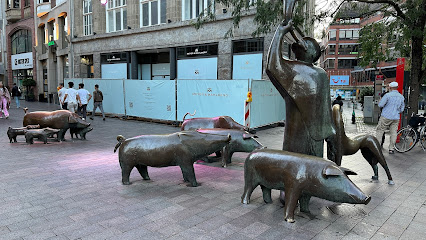
Pegs Statues Bremen
0.4 km
Explore the captivating Pegs Statues in Bremen, a unique outdoor art exhibition celebrating the city's rich cultural heritage and artistic expression.
Essential places to dine

Ständige Vertretung Rheinland Bremen
0.0 km
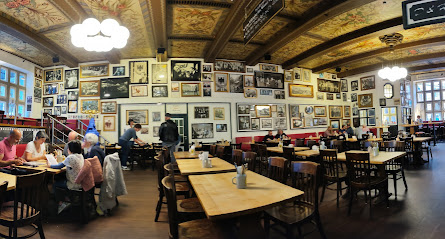
Discover authentic German cuisine at Ständige Vertretung Rheinland Bremen—where tradition meets flavor in a cozy atmosphere.
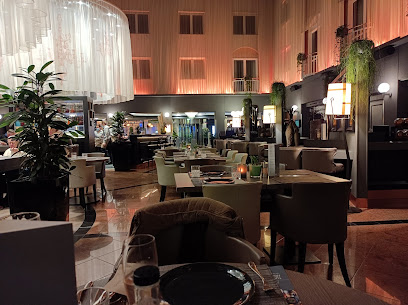
THE LOBBY
0.0 km
Experience culinary excellence at The Lobby in Bremen - where innovative dishes meet cozy ambiance for unforgettable dining.
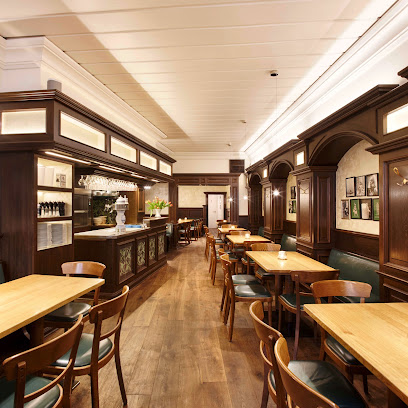
Kleiner Ratskeller
0.1 km
Discover authentic German flavors at Kleiner Ratskeller, where traditional dishes meet warm hospitality in the heart of Bremen.
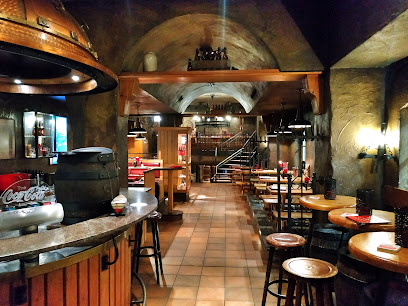
Schüttinger Gasthausbrauerei
0.1 km
Discover the authentic flavors of Bremen at Schüttinger Gasthausbrauerei - where traditional German cuisine meets house-brewed beer.
alto
0.1 km
Experience exquisite dining at Alto in Bremen – where local flavors meet international cuisine in an elegant setting.
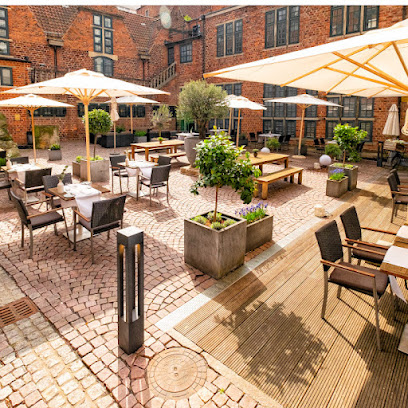
Due Fratelli
0.1 km
Experience exquisite Italian cuisine at Due Fratelli in Bremen - where tradition meets modern elegance.
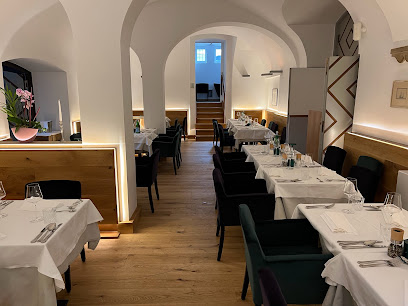
Osteria
0.1 km
Discover authentic Italian cuisine at Osteria in Bremen's picturesque Schlachte promenade, where every meal is a delightful experience.
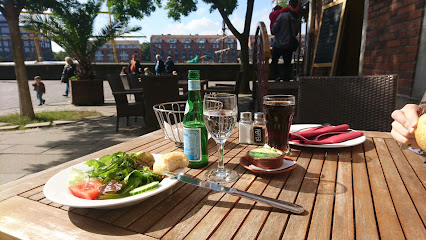
Beck's Bistro - Bremen
0.1 km
Experience delightful dining at Beck's Bistro in Bremen – where local flavors meet warm hospitality for an unforgettable meal.
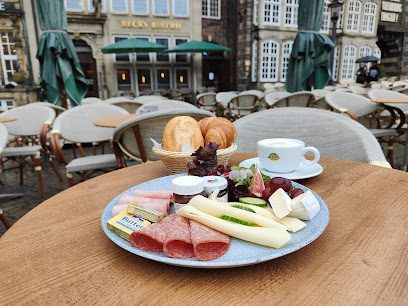
John Benton Restaurant
0.2 km
Experience exquisite steaks and authentic German dishes at John Benton Restaurant in Bremen's lively center.
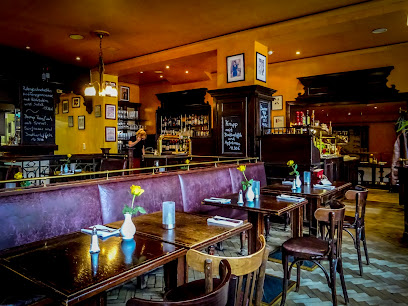
Bremen Ratskeller
0.2 km
Experience authentic German cuisine in a historic setting at Bremen Ratskeller - where tradition meets taste in every bite.
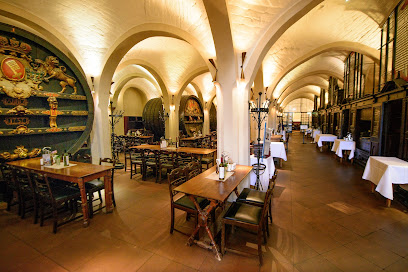
Gasthof zum Kaiser Friedrich
0.3 km
Discover the heart of German culinary tradition at Gasthof zum Kaiser Friedrich in Bremen—where every dish tells a story.
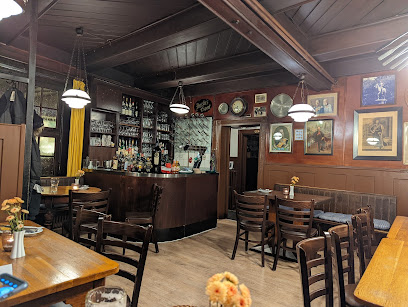
Q1 - Metropolitan Kitchen & Bar
0.3 km
Discover a culinary gem in Bremen with diverse flavors from American to Asian cuisine at Q1 - Metropolitan Kitchen & Bar.
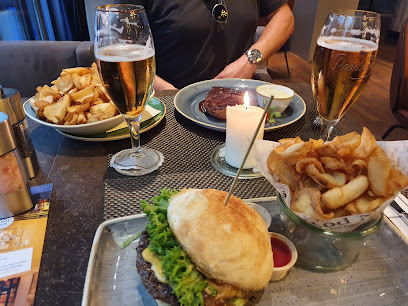
La Bottega
0.3 km
Experience authentic Italian cuisine at La Bottega in Bremen – where every meal is a celebration of flavors.
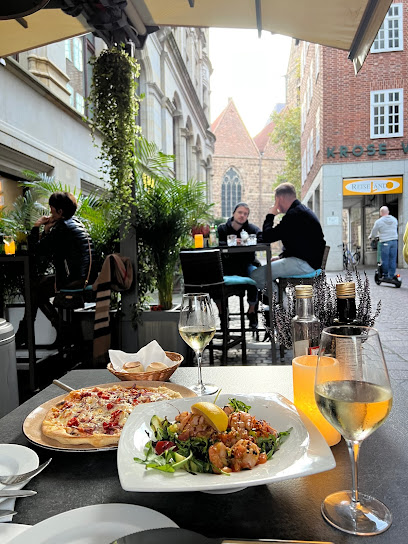
Restaurant Luv
0.3 km
Experience the heart of German gastronomy at Restaurant Luv in Bremen's scenic Schlachte promenade.
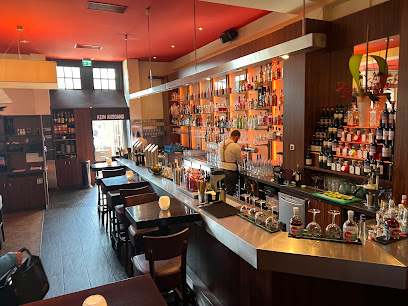
Gallo Nero
0.3 km
Discover authentic Italian cuisine at Gallo Nero in Bremen - where tradition meets flavor in every dish.
Markets, malls and hidden boutiques

Werkschau-Laden
0.1 km
Explore Werkschau-Laden in Bremen for unique gifts and local artisan crafts that embody the spirit of the city.
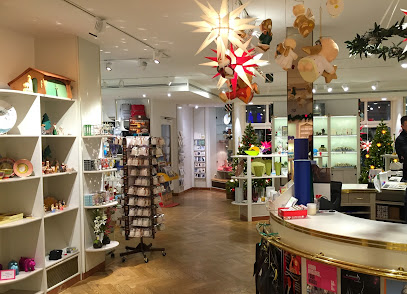
Bremer Bonbon Manufaktur
0.1 km
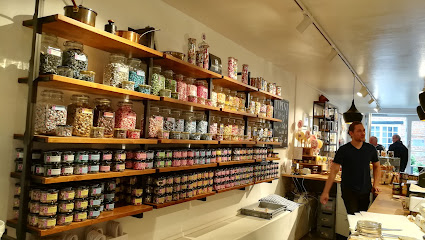
Explore the enchanting Bremer Bonbon Manufaktur for handcrafted sweets that delight the senses in the heart of Bremen, Germany.
Böttcher 8
0.1 km
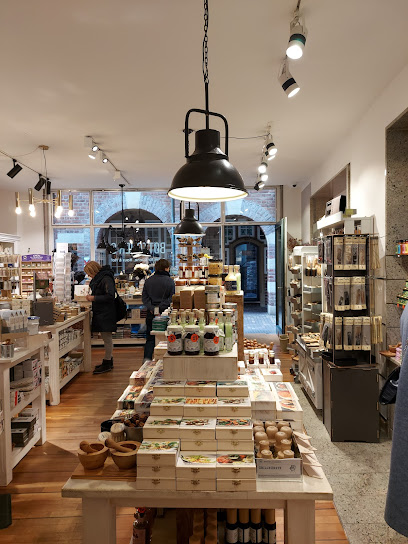
Explore Böttcherstraße 8 in Bremen for an enchanting selection of handmade cosmetics and home goods that embody local creativity and craftsmanship.
Sieben-Faulen-Laden
0.1 km
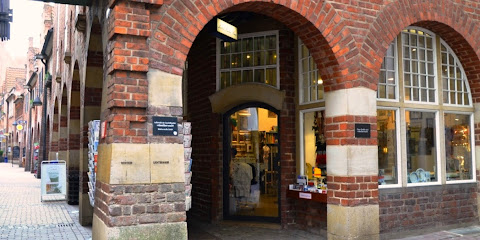
Explore a delightful range of unique souvenirs at Sieben-Faulen-Laden in Bremen, capturing the essence of the city's culture and craftsmanship.
Martinshof City Shop
0.2 km
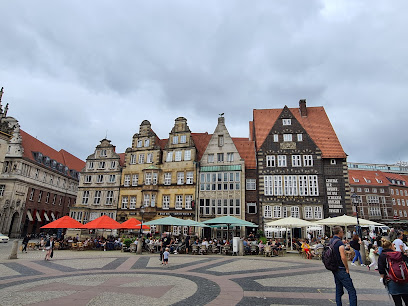
Experience the essence of Bremen's local flavors at Martinshof City Shop, your go-to grocery destination for fresh and organic products.
Bremen Chocolade HACHEZ
0.2 km
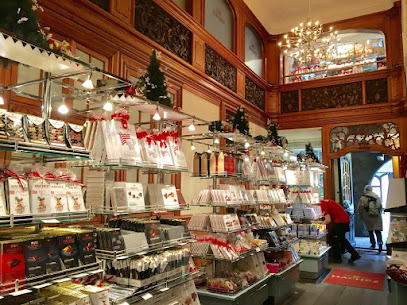
Experience the exquisite taste of Bremen Chocolade HACHEZ, where artisanal chocolate meets rich tradition in the heart of Bremen.
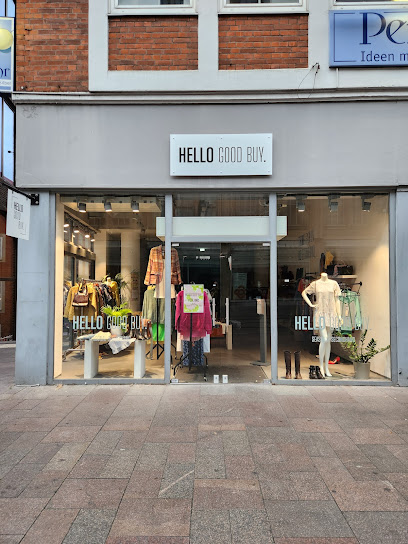
HELLO GOOD BUY
0.2 km
Explore Hello Good Buy in Bremen, where vintage fashion meets sustainable shopping in a charming used clothing store.
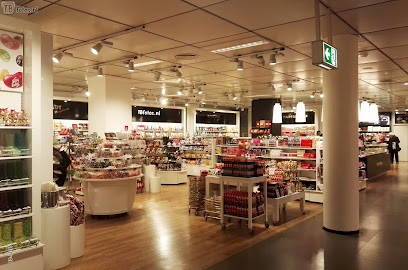
Karstadt Bremen
0.2 km
Explore the vibrant Karstadt Bremen, a shopping paradise in the heart of the city offering fashion, home goods, and delightful local culture.
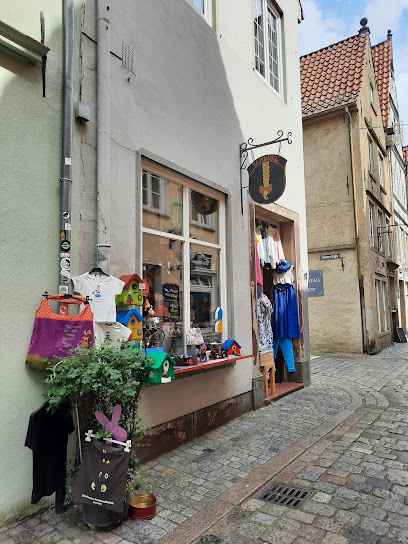
Augustapfel im Schnoor
0.3 km
Discover unique fabrics and handcrafted gifts at Augustapfel im Schnoor, a charming shop nestled in Bremen's historic district.
Zebro im Schnoor
0.3 km
Discover stylish clothing and unique fashion finds at Zebro im Schnoor, nestled in Bremen’s historic district for an unforgettable shopping experience.
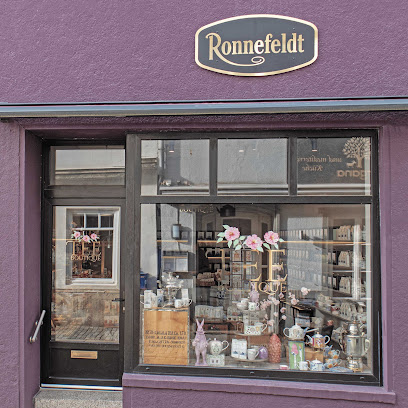
Teeboutique im Schnoor
0.3 km
Explore Teeboutique im Schnoor - Bremen's enchanting tea store with a delightful selection of premium teas and a cozy atmosphere.
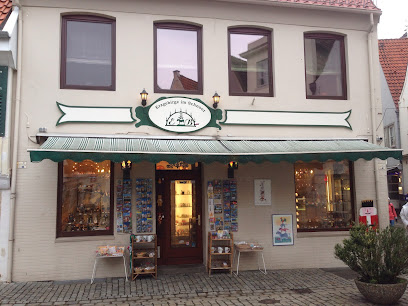
Erzgebirge im Schnoor
0.3 km
Experience the artistic heritage of Bremen at Erzgebirge im Schnoor, where traditional craftsmanship meets modern charm in a delightful shopping atmosphere.
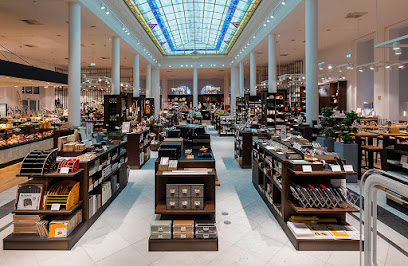
Manufactum Warenhaus
0.3 km
Discover unique gifts and local treasures at Manufactum Warenhaus, Bremen's premier destination for quality home goods, clothing, and gourmet groceries.
Die Perlerie, Inh. A. Kroll
0.3 km
Explore Die Perlerie in Bremen for unique handcrafted gifts and souvenirs that capture the essence of local craftsmanship and artistry.
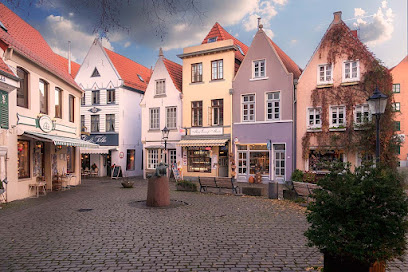
OLLIPAC
0.3 km
Explore OLLIPAC in Bremen for unique fashion that blends modern style with local craftsmanship.
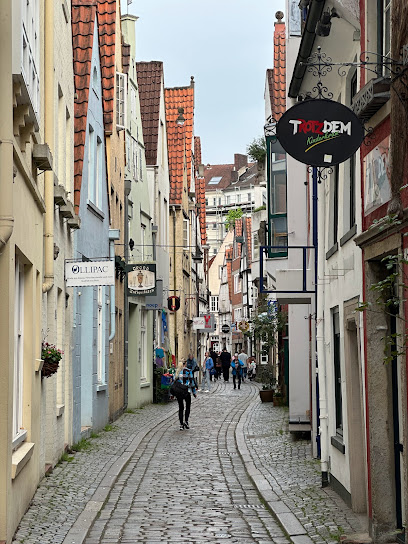
Essential bars & hidden hideouts

Blauer Fasan Bar Bremen
0.0 km
Discover the lively Blauer Fasan Bar in Bremen, where creative cocktails meet a vibrant atmosphere for an unforgettable nightlife experience.
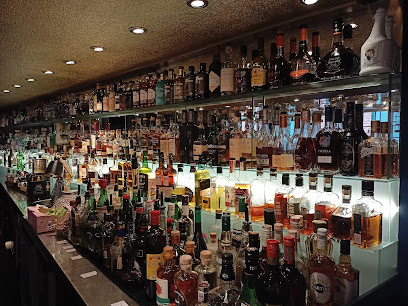
Spitzen Gebel - Bremen
0.1 km
Discover the heart of Bremen at Spitzen Gebel, where local flavors and a lively atmosphere come together in a beloved pub experience.
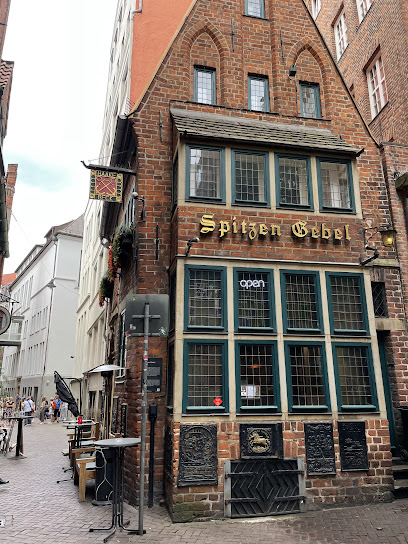
ATLANTIC Bar
0.1 km
Discover Bremen's vibrant nightlife at ATLANTIC Bar, where expertly crafted cocktails meet a cozy atmosphere, perfect for unwinding after exploring the city.
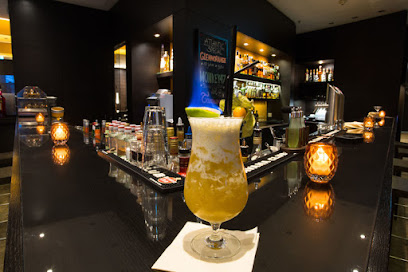
COTTONs Pub - Bremen
0.1 km
Discover the lively spirit of COTTONs Pub in Bremen, a vibrant bar offering a diverse drink menu and an inviting atmosphere for all.
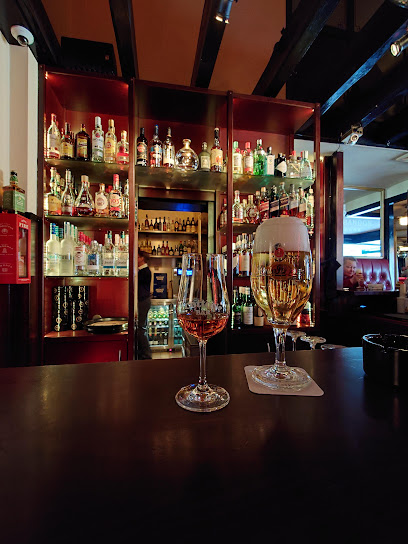
Little Mary's Irish Pub - Bremen
0.3 km
Discover the heart of Ireland in Bremen at Little Mary's Irish Pub – a lively venue for authentic food, drinks, and music.
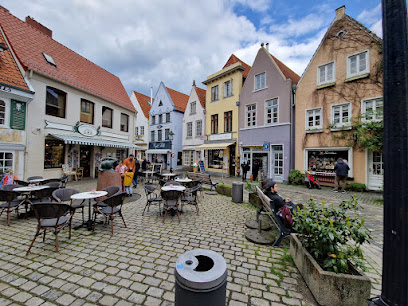
Katharinen-Theke
0.4 km
Discover the local charm of Bremen at Katharinen-Theke, a vibrant pub offering an extensive drink selection and a cozy atmosphere perfect for tourists.
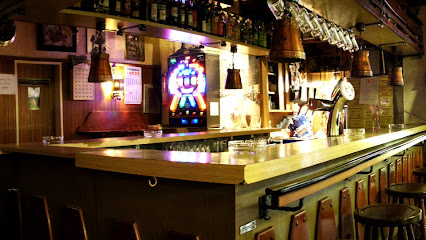
Red Rock
0.4 km
Discover the vibrant atmosphere of Red Rock in Bremen, where delightful drinks and a lively ambiance await you along the Schlachte river promenade.
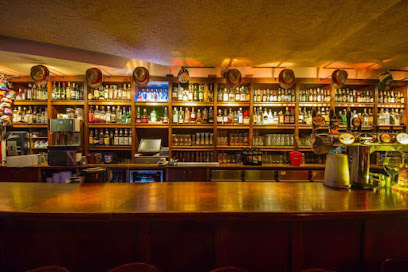
Schnoor Destille - Bremen
0.4 km
Experience authentic German spirits and a cozy atmosphere at Schnoor Destille, the heart of Bremen's historic bar scene.
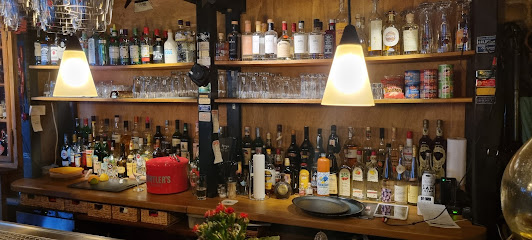
Teestübchen im Schnoor, Restaurant & Café
0.4 km
Experience the charm of Teestübchen im Schnoor, Bremen's cozy café offering exquisite teas, aromatic coffee, and delightful pastries in a historic setting.
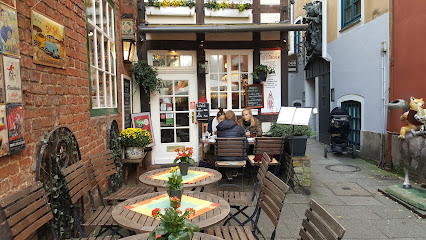
Grays Bar
0.4 km
Discover the vibrant atmosphere of Grays Bar in Bremen; a perfect blend of cocktails, local beers, and dart games in a cozy setting.
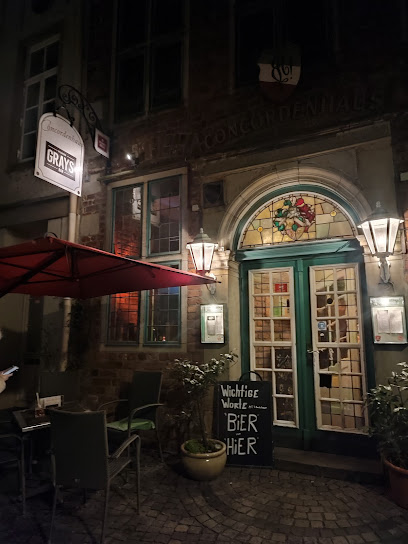
Concordenhaus
0.4 km
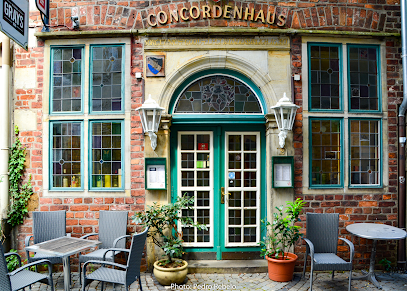
Experience Bremen's vibrant nightlife at Concordenhaus, a charming bar offering a wide selection of drinks and a lively atmosphere.
Lemon Garden - Cocktailbar Bremen
0.5 km
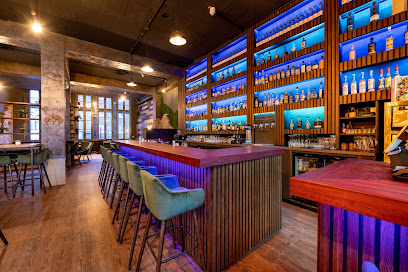
Experience the vibrant atmosphere and exquisite cocktails at Lemon Garden, Bremen's top cocktail bar and gastropub for an unforgettable night out.
Brill No.6 - Bremen
0.6 km
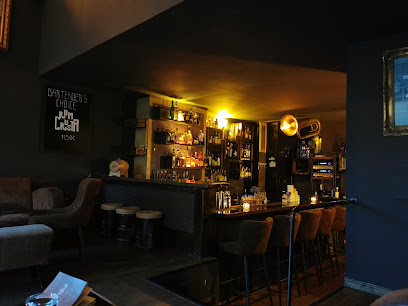
Experience the vibrant cocktail scene at Brill No.6 in Bremen, a must-visit bar for unforgettable drinks and a lively ambiance.
Rosso Bar - Bremen
0.6 km
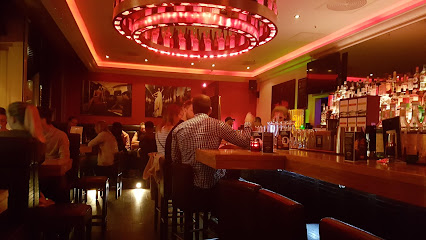
Experience the vibrant nightlife of Bremen at Rosso Bar, where delicious drinks meet a welcoming atmosphere for every traveler.
Hill's Drinkery
0.7 km
Experience Bremen's vibrant nightlife at Hill's Drinkery, a local bar offering a wide range of drinks in a welcoming atmosphere.
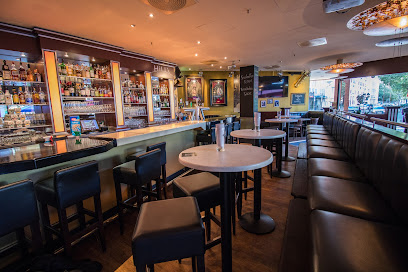
Nightclubs & after hour spots

NFF Club
0.3 km
Discover Bremen's lively nightlife at NFF Club, a premier disco club where music and dance come alive in a thrilling atmosphere.
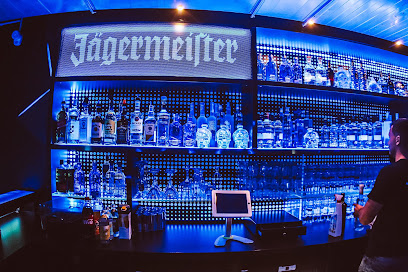
Next
0.6 km
Discover the electrifying nightlife at Next Night Club in Bremen, where vibrant beats and unforgettable memories await every night.
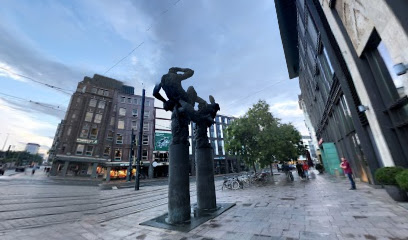
Meisenfrei Blues Club
0.7 km
Discover the vibrant soul of Bremen's nightlife at Meisenfrei Blues Club, where live blues and rock music come alive in a cozy atmosphere.
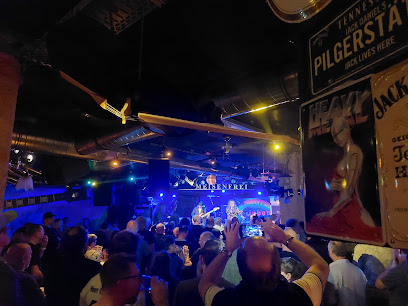
Groove Club Bremen
0.7 km
Discover Bremen's pulsating nightlife at Groove Club, a disco club where music, dance, and unforgettable memories come together.
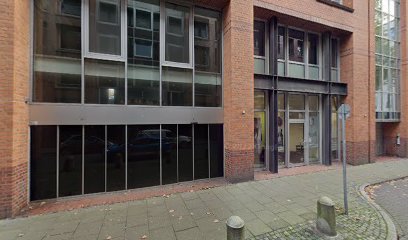
Liberty Club Terrace - Bremen
0.7 km
Discover the vibrant nightlife at Liberty Club Terrace, Bremen's premier night club, offering unforgettable dance experiences and a lively atmosphere.
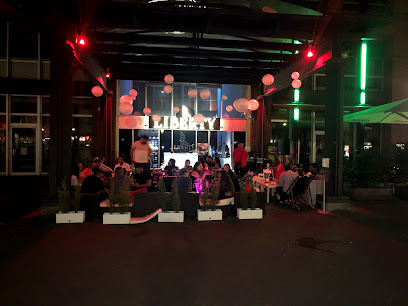
Avenue - Bremen
0.8 km
Experience the vibrant nightlife of Bremen at Avenue, a premier disco club offering electrifying music and a lively atmosphere.
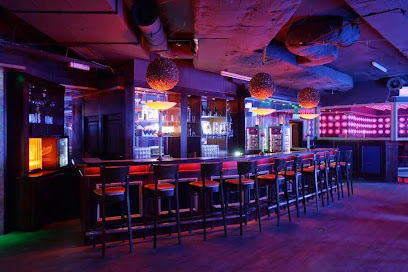
La VIVA Clubdiscotheque - Bremen
0.8 km
Experience the vibrant nightlife of Bremen at La VIVA Clubdiscotheque, where music, dancing, and fun collide in an unforgettable atmosphere.
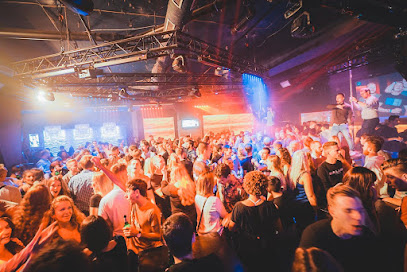
2RaumClub dein Techno Club
0.8 km
Discover the electrifying nightlife at 2RaumClub, Bremen's top destination for techno music and vibrant clubbing experiences.
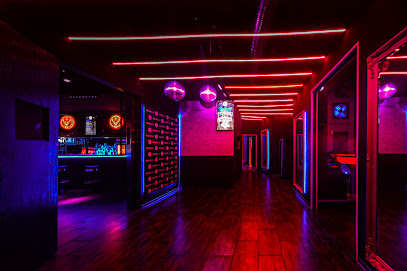
Queen Club
0.8 km
Discover Bremen's vibrant nightlife at Queen Club, where electrifying music and lively dancing create unforgettable experiences.
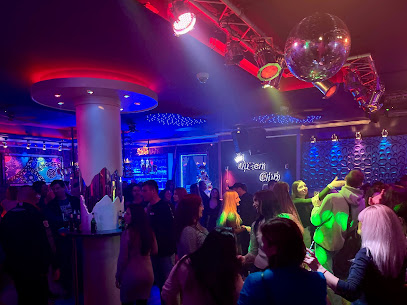
Nightclub Parisé
0.8 km
Experience Bremen's vibrant nightlife at Nightclub Parisé, where electrifying music and unforgettable moments await every weekend.
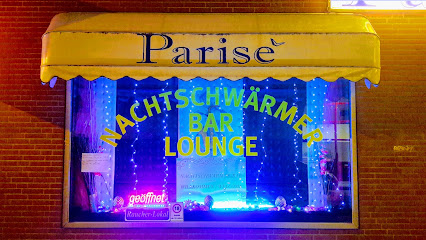
Shagall Klub - Bremen
0.8 km
Discover the energetic nightlife of Bremen at Shagall Klub, a premier disco club offering an unforgettable experience filled with music and dancing.
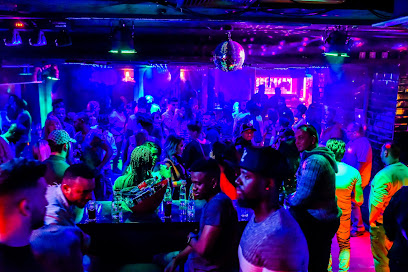
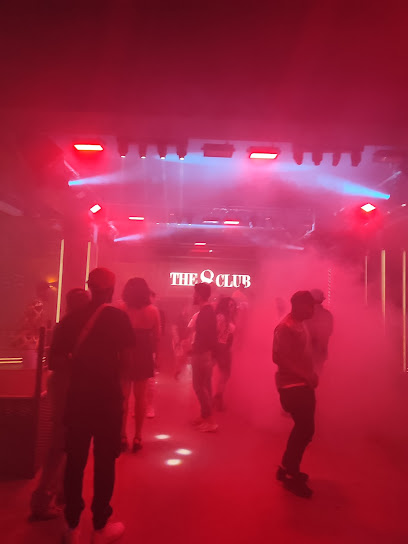
The 8 Club
1.0 km
Dive into Bremen's vibrant nightlife at The 8 Club, where the music never stops and the dance floor awaits.
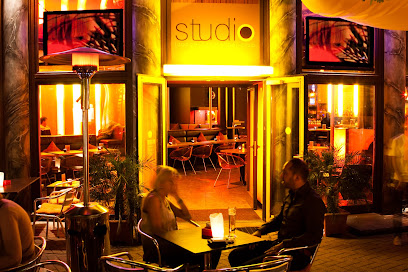
studio
1.1 km
Discover Bremen's nightlife at Studio, a lively disco club and bar known for its vibrant atmosphere and eclectic music, perfect for unforgettable nights out.
Blue Diamond
1.1 km
Dive into Bremen's nightlife at Blue Diamond, where electrifying music and a stylish atmosphere await you for an unforgettable night out.
Lila Eule
1.2 km
Dive into Bremen's nightlife at Lila Eule, the ultimate disco club for an electrifying experience filled with music and dance.