

Böttcherstraße, Bremen Travel Guide
Free Guide: Discover Bremen's enchanting Böttcherstraße, a unique architectural masterpiece blending art, culture, and history in a captivating Expressionist setting.


A brief summary of Böttcherstraße
Discover Bremen's enchanting Böttcherstraße, a unique architectural masterpiece blending art, culture, and history in a captivating Expressionist setting.
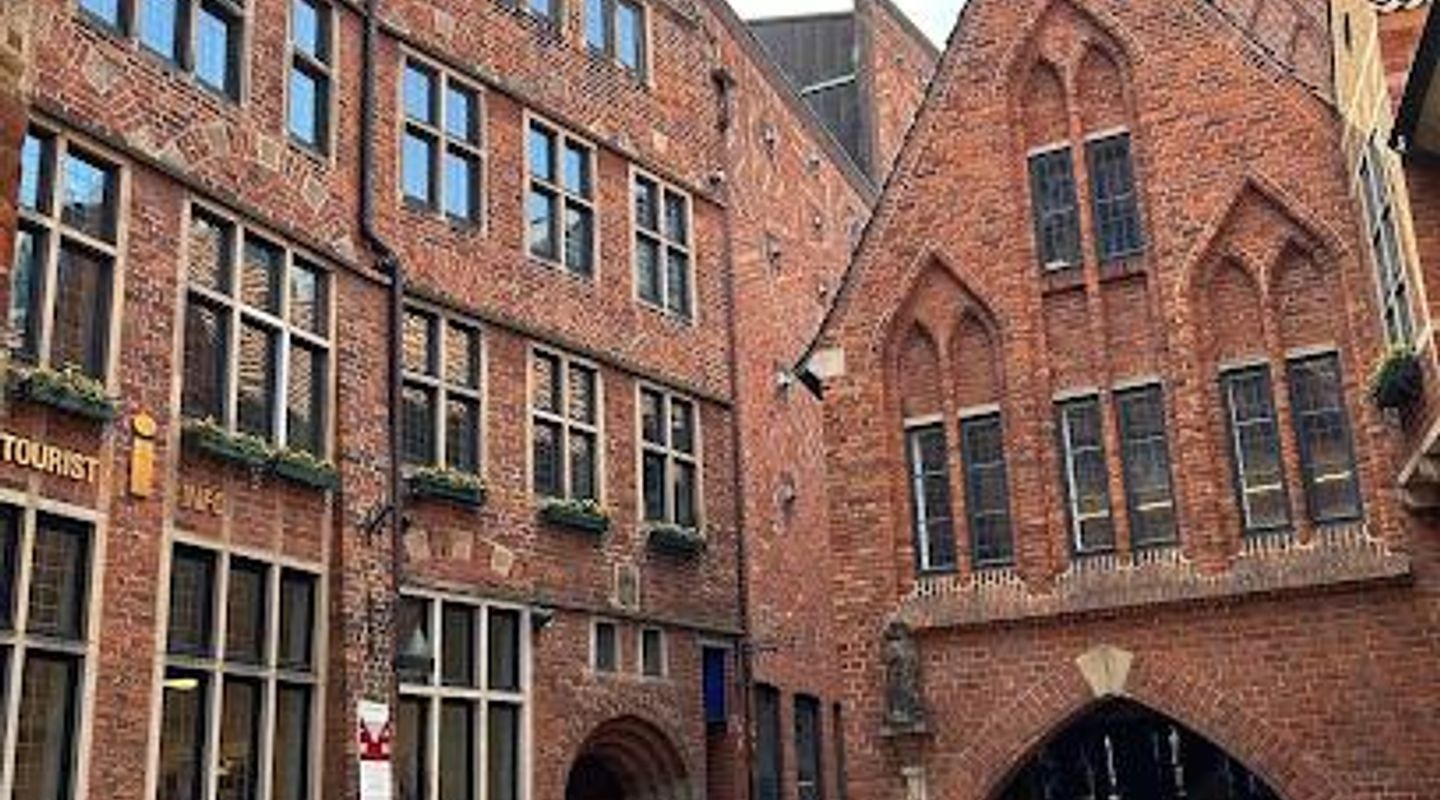
Böttcherstraße, a narrow, 100-meter-long street in the heart of Bremen, is a captivating architectural ensemble and a testament to early 20th-century artistic vision. Conceived by coffee magnate Ludwig Roselius and brought to life by sculptor Bernhard Hoetger between 1922 and 1931, the street is a prime example of Brick Expressionism. Its red-brick buildings, adorned with intricate sculptures and reliefs, house a unique blend of museums, artisan workshops, shops, and restaurants. Visitors are transported to a world where art, culture, and commerce intertwine, creating an unforgettable experience. From the iconic Lichtbringer (Bringer of Light) at the entrance to the chiming of the Glockenspiel House, Böttcherstraße offers a sensory-rich journey through Bremen's history and creative spirit. Whether exploring the Paula Modersohn-Becker Museum, indulging in local treats, or simply admiring the architecture, Böttcherstraße is a must-see destination for any traveler.
- Address
- 28195 Bremen
Getting there
Walking
Public Transport
Taxi/Ride-Share
Driving
Discover more about Böttcherstraße
Overview
Böttcherstraße, a short but incredibly rich street in Bremen's historic center, stands as a remarkable example of early 20th-century Expressionist architecture and a testament to the vision of one man: Ludwig Roselius, the inventor of decaffeinated coffee. Stretching a mere 100 meters (330 feet) from the Marktplatz (market square) to the Weser River, this pedestrian street is much more than just a thoroughfare; it's a carefully curated world of art, culture, commerce, and history. Originally, Böttcherstraße was a practical, working-class street, home to coopers (Böttcher in German) who crafted barrels for the city's merchants. By the early 20th century, however, the area had fallen into disrepair. Ludwig Roselius, a man with a passion for art and a belief in the power of German culture, saw an opportunity to transform the street into something extraordinary. He commissioned Bernhard Hoetger, a talented sculptor, painter, and architect, to oversee the project, and together they embarked on a journey to create a unique architectural ensemble. Between 1922 and 1931, Böttcherstraße was reborn. Buildings were either renovated or completely rebuilt in the Brick Expressionist style, characterized by the use of dark red brick, bold geometric shapes, and intricate sculptural details. The result is a cohesive yet diverse streetscape, where each building tells its own story while contributing to the overall artistic vision. The street's design also reflected Roselius's völkisch-Nordic cultural ideas, aiming to create a space that celebrated German identity and heritage. At the entrance to Böttcherstraße from the Marktplatz stands the iconic Lichtbringer (Bringer of Light), a golden relief depicting the Archangel Michael defeating a dragon. This striking artwork, created by Hoetger, serves as a symbolic gateway to the street's artistic wonders. The relief, while initially intended as a tribute to Hitler, was later rejected by the Nazi regime, which deemed Böttcherstraße's art as "degenerate." One of the most prominent buildings on Böttcherstraße is the Haus des Glockenspiels (Glockenspiel House), famous for its carillon of 30 Meissen porcelain bells. Several times a day, the bells chime, accompanied by a rotating display of carved wooden panels depicting famous seafarers and explorers. The Glockenspiel is a captivating spectacle that draws crowds of visitors and adds a touch of whimsy to the street's atmosphere. Böttcherstraße is also home to several museums, including the Paula Modersohn-Becker Museum, the first museum in the world dedicated to a female artist. The museum showcases the works of Paula Modersohn-Becker, a pioneering Expressionist painter who was a key figure in the early 20th-century art scene. The building itself, designed by Hoetger, is a masterpiece of organic architecture, with its undulating walls and unique interior spaces. Another notable museum is the Ludwig Roselius Museum, housed in a 16th-century building that was once Roselius's private residence. The museum displays a collection of Low German domestic culture and art from the Middle Ages to the Baroque period, providing insights into the region's rich history and cultural heritage. In addition to its museums, Böttcherstraße is home to a variety of artisan workshops, shops, and restaurants. Visitors can watch craftspeople at work, creating traditional sweets at the Bremer Bonbon Manufaktur, crafting unique glass art, or designing jewelry. The street's shops offer a wide range of souvenirs, gifts, and local products, while its restaurants serve both traditional German cuisine and international fare. Despite suffering significant damage during World War II, Böttcherstraße was painstakingly restored to its former glory. Today, it stands as a testament to the power of art, culture, and human vision. Walking through Böttcherstraße is like stepping back in time, immersing oneself in a world of architectural beauty, artistic expression, and historical significance. The street's unique atmosphere has even earned it the nickname "Bremen's Diagon Alley," drawing comparisons to the magical street from the Harry Potter series. While you won't find any wizarding supplies here, you will discover a wealth of unique treasures and experiences that will leave a lasting impression. Whether you're an art enthusiast, a history buff, or simply looking for a unique and memorable experience, Böttcherstraße is a must-see destination in Bremen. Its blend of architectural splendor, cultural attractions, and artisanal charm makes it a truly unforgettable place to visit. Böttcherstraße is more than just a street; it's a living work of art that continues to inspire and captivate visitors from around the world. Its story is one of vision, perseverance, and the enduring power of human creativity.
Evendo Review Centre
 Google
Guest reviews
Explore Böttcherstraße on the map
A handpicked selection of must-see spots near Böttcherstraße, mapped for you.
Get your free copy of our complete guide to Böttcherstraße, delivered straight to you.
Everything on this page, from opening hours and how to get there to Eve’s tips and the best time to go, in one PDF you can read offline, print or share.
Already have an account? Sign in
Your Böttcherstraße guide is ready.
We'll send it to · Not you? Sign out

Getting your guide ready…
We are putting together a fresh copy of the Böttcherstraße guide. This can take up to a minute.
This can take a few moments. If your browser asks, choose Allow so the download can start. You'll find the guide in your Downloads folder.
Nothing happened? Download it again
Sorry, the guide is taking longer than usual. Please try again in a minute, or get it by email instead.
Unlock the best of Böttcherstraße
Skip-the-line tickets, guided tours with entry, and walking tours of the area, booked in a few clicks.
 Tour with entry
Bremen Highlights Audio Guide and Self Guided Tour
from $5.32 Tour with entry
Podcast Tour Bremen The Gambit of the Merchants
from $6.39 Tour with entry
Bremen Exploration Private Game and City Tour on your Phone
from $8.52 Tour with entry
Bremen English Self-guided Audio Tour with Quizzes on your Phone
from $9.59


Other nearby places you may find interesting
The closest places of the same kind, if this one is not quite what you had in mind.
-
-
-
-
-


Swipe for more places
More to explore near Böttcherstraße

 Best experiences near Böttcherstraße
 Best hotels near Böttcherstraße
 Best landmarks near Böttcherstraße
 Best attractions near Böttcherstraße
 Best shops near Böttcherstraße
 Best restaurants near Böttcherstraße
 Best bars near Böttcherstraße
Do you manage this location?
Take control to get all the benefits, like improved information, better appearance, and stronger visibility across AI-powered discovery.
Explore more

Explore more of Bremen
Explore Bremen, a historic German city where medieval architecture meets modern charm, offering rich cultural experiences and scenic riverfront views.
Explore Bremen
Explore more of Germany
Experience Germany: where history meets innovation, and urban energy blends with natural beauty. Discover diverse cultures, delicious cuisine, and stunning landscapes.
Explore Germany
