Glockenspiel House, Bremen Travel Guide
Experience the enchanting chimes and historical artistry of Bremen's Glockenspiel House, a captivating landmark in the heart of Böttcherstraße, showcasing German heritage and architectural brilliance.
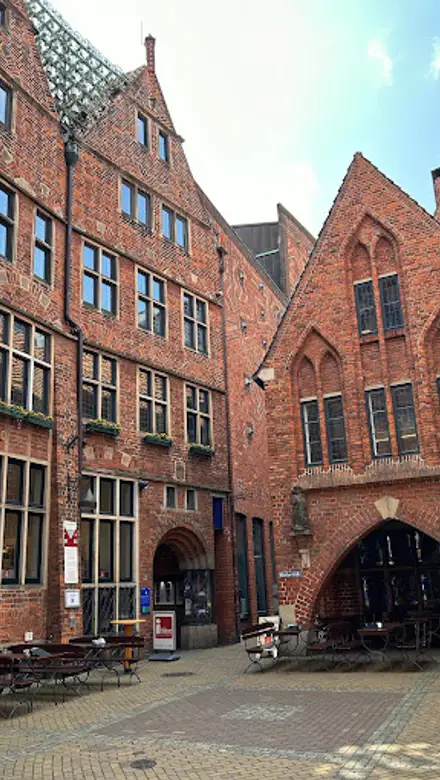
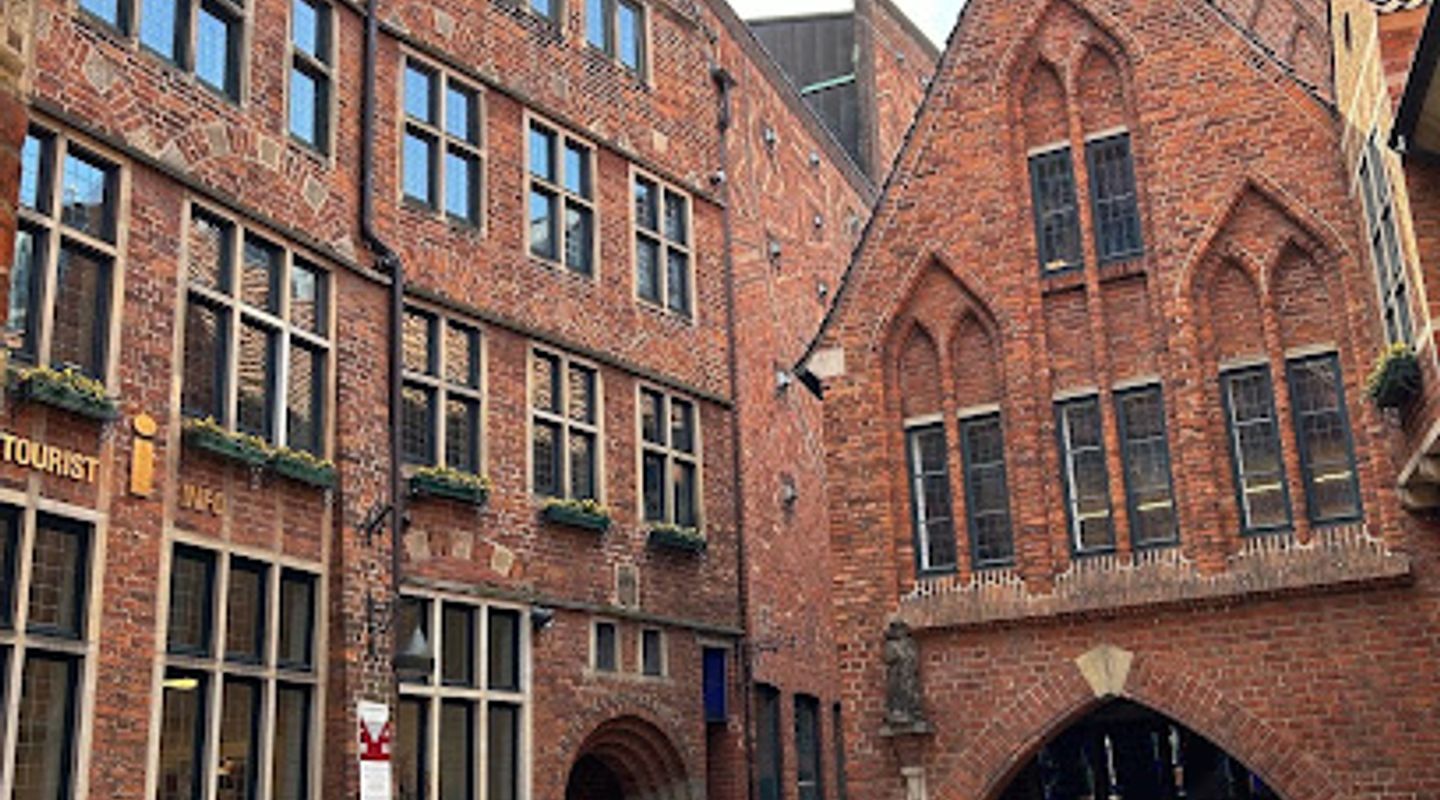
The Glockenspiel House, or Haus des Glockenspiels, is a captivating landmark in Bremen's historic Böttcherstraße. This architectural gem, constructed in the 1920s, features a mesmerizing carillon of 30 Meissen porcelain bells that chime several times daily. As the bells play, rotating wooden panels display reliefs of famous seafarers and aviators, creating a delightful spectacle. The Glockenspiel House stands as a testament to Bremen's rich cultural heritage and the vision of Ludwig Roselius, the coffee merchant who revitalized Böttcherstraße. Its blend of Neo-Renaissance architecture and intricate craftsmanship makes it a must-see attraction, drawing visitors into the heart of Bremen's enchanting atmosphere. The building suffered fire damage during World War II but was lovingly restored, ensuring its continued presence as a symbol of the city's resilience and artistic spirit. Today, it houses a tourist information office, making it a perfect starting point for exploring Bremen's many wonders.
A brief summary to Glockenspiel House
- Böttcherstraße 4-6, Bremen, Mitte, 28195, DE
- Click to display

Know before you go
Hi, I'm Eve. Here are a few practical things to know before exploring Glockenspiel House.
- Check the Glockenspiel schedule in advance to witness the hourly chime and rotating panel display, a truly unique experience.
- Visit the tourist information office inside the Glockenspiel House for maps, brochures, and insider tips on exploring Bremen.
- Explore Böttcherstraße, the narrow street where the Glockenspiel House is located, to discover unique shops, art galleries, and cafes.
- Consider a guided tour of Böttcherstraße to learn about its fascinating history and the vision of Ludwig Roselius.
Do you manage this location?
Take control to get all the benefits, like improved information, better appearance, and stronger visibility across AI-powered discovery. Learn more about listing your business on Evendo
Activate your presenceOther nearby places you may find interesting
The closest places of the same kind, if this one is not quite what you had in mind.
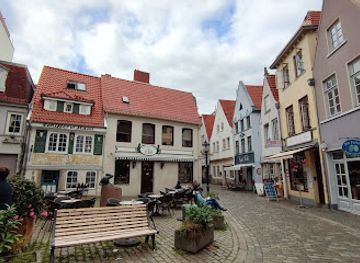
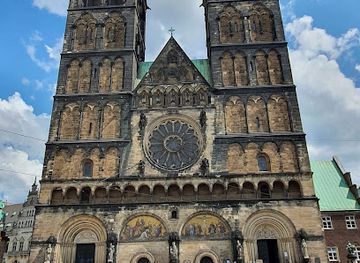
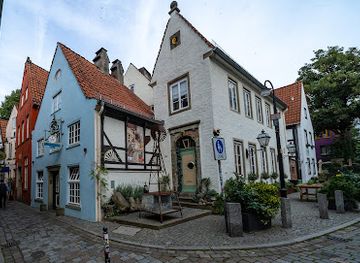
Explore Glockenspiel House on the Map
A handpicked selection of must-see spots near Glockenspiel House, mapped for you.
Getting There
-
Walking
From Bremen's Market Square (Marktplatz), walk east towards Böttcherstraße. The entrance to Böttcherstraße is easily identifiable by the golden 'Lightbringer' sculpture. The Glockenspiel House is located a short walk down Böttcherstraße on the right-hand side, at Böttcherstraße 4-6. The walk is approximately 5 minutes. Note that Böttcherstraße is a pedestrian zone.
-
Public Transport
If arriving at Bremen Hauptbahnhof (main train station), take tram line 4, 6, or 8 to the 'Domsheide' stop. From Domsheide, walk towards the Market Square and then follow the walking directions above to Böttcherstraße. The tram ride is approximately 10 minutes. A short trip ticket for public transport within Bremen costs around €2.60.
-
Taxi/Ride-Share
From Bremen Hauptbahnhof, a taxi or ride-share to Böttcherstraße will take approximately 5-10 minutes, depending on traffic. The fare will likely be between €8-€12. Note that taxis cannot directly enter Böttcherstraße as it is a pedestrian zone; you will need to be dropped off at the entrance.
-
Parking
If driving, be aware that Böttcherstraße is a pedestrian zone with no direct vehicle access. The nearest parking garages are 'Parkhaus Böttcherstraße' (Böttcherstraße 2) and 'Parkhaus Am Dom' (Wilhadistraße 1). Parking fees typically range from €2.50 per hour to €19 per day.
Discover more about Glockenspiel House













Your all‑in‑one travel companion app
Explore expert travel guides, compare and book tours, experiences, hotels, and more—all from the palm of your hand. Download now for seamless trip planning wherever your wanderlust takes you.


Explore More of Bremen
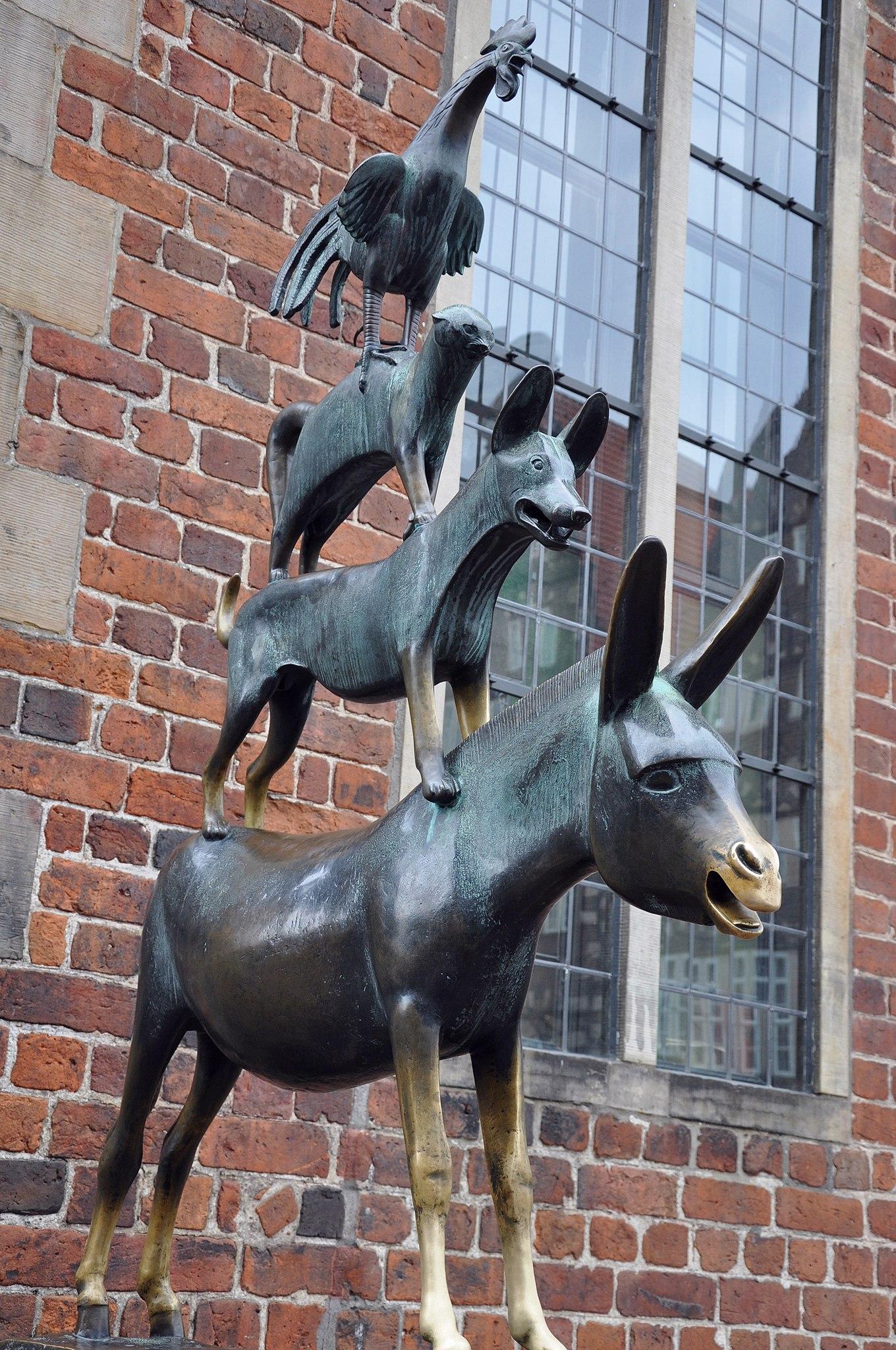
Looking beyond Glockenspiel House? Discover Bremen for broader travel guides, local hot-spots, and regional highlights.
Explore Bremen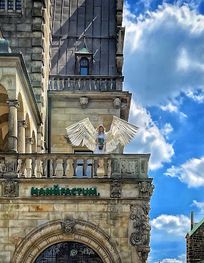
Reflect on Bremen's history at the Ehrenmal Altmannshöhe, a poignant war memorial offering panoramic views and a space for remembrance within the city's green heart.
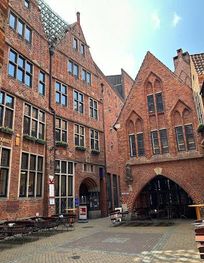
Discover Bremen's enchanting Böttcherstraße, a unique architectural masterpiece blending art, culture, and history in a captivating Expressionist setting.