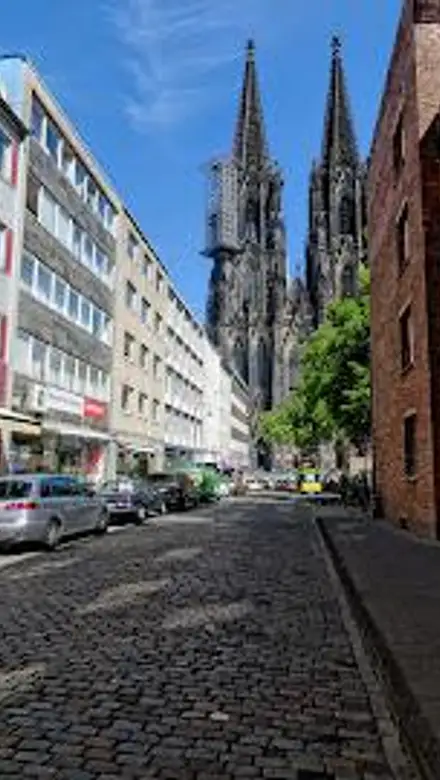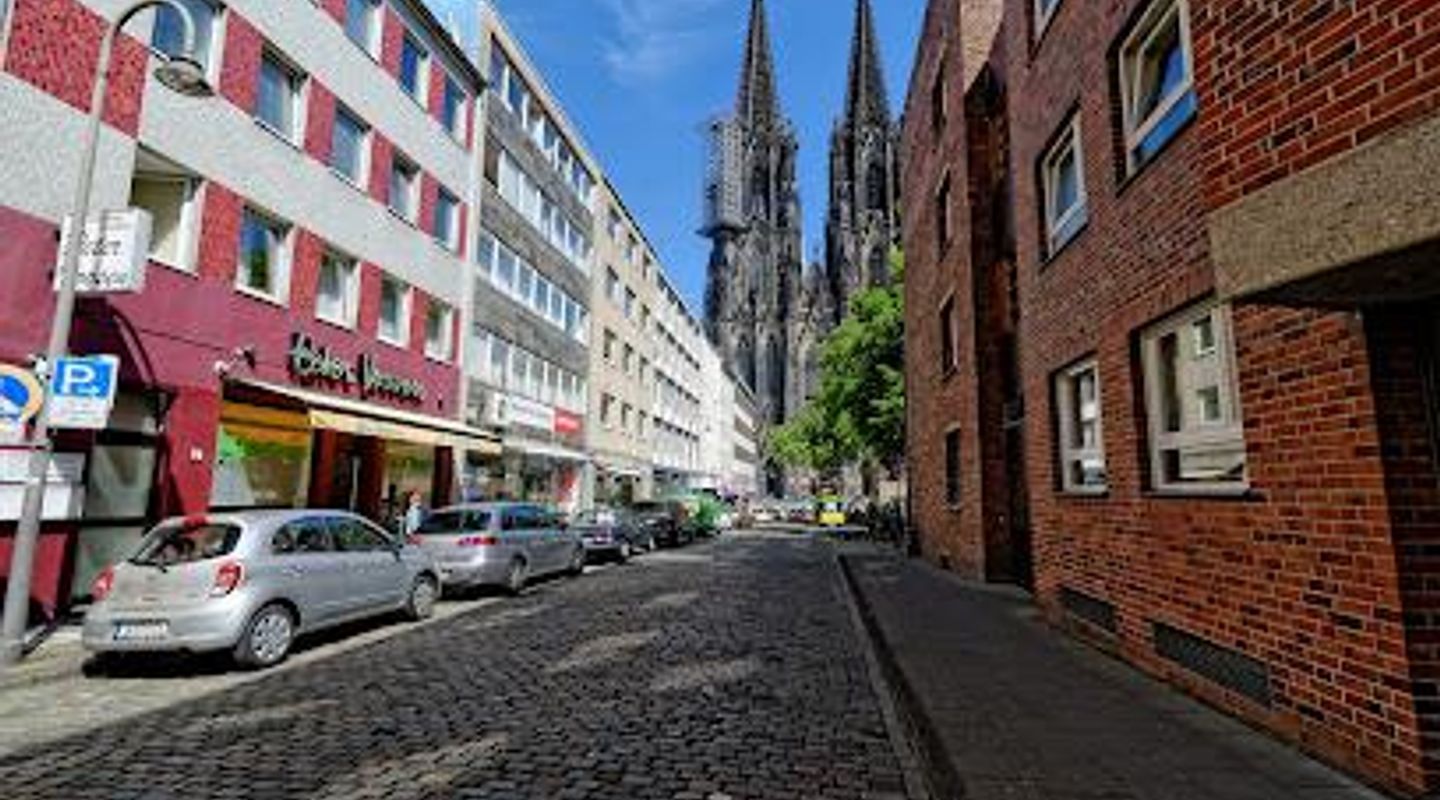
Burgmauer, Cologne Travel Guide
Discover Cologne's Roman roots at the Burgmauer, a symbolic fortress wall near the iconic Cathedral, offering a glimpse into the city's rich history and enduring legacy.
The Burgmauer, or fortress wall, in Cologne offers a glimpse into the city's rich Roman past. Though not an original Roman construction, this section of the city wall, located near the Cologne Cathedral, evokes the historical significance of Cologne as a vital Roman settlement. Built in the early 20th century, it stands as a reminder of the city's strategic importance throughout history. Visitors can stroll along the Burgmauer, imagining the bustling activity of Roman soldiers and traders who once traversed this very ground. The wall provides a unique perspective on Cologne's evolution, blending ancient history with the modern cityscape. Its proximity to other major attractions makes it a convenient and worthwhile stop for history enthusiasts and casual tourists alike. The Burgmauer serves as a tangible link to Cologne's origins, offering a moment of reflection on the city's enduring legacy.
A brief summary to Burgmauer
- Cologne, Innenstadt, 50667, DE

Know before you go
Hi, I'm Eve. Here are a few practical things to know before exploring Burgmauer.
- Combine your visit with a trip to the Romano-Germanic Museum to delve deeper into Cologne's Roman history.
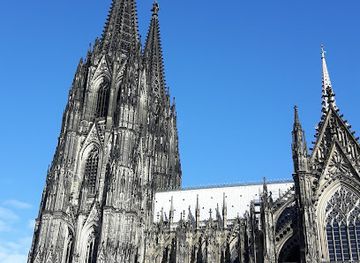
- Take a stroll along the wall for scenic views of the Cologne Cathedral and the surrounding cityscape.
- Enjoy a coffee or meal at one of the charming cafes and restaurants near the Burgmauer.
Do you manage this location?
Take control to get all the benefits, like improved information, better appearance, and stronger visibility across AI-powered discovery. Learn more about listing your business on Evendo
Activate your presenceOther nearby places you may find interesting
The closest places of the same kind, if this one is not quite what you had in mind.


Explore Burgmauer on the Map
A handpicked selection of must-see spots near Burgmauer, mapped for you.
Getting There
-
Public Transport
The Burgmauer is easily accessible via Cologne's efficient public transport system. From Köln Hauptbahnhof (Cologne Central Station), it's a short walk. Alternatively, take any of the numerous tram lines (e.g., 16, 18) or bus routes (e.g., 127, 132, 136) that stop at Köln Dom/Hbf or Appellhofplatz. From either stop, the Burgmauer is within a 3-minute walk. A single public transport ticket within Cologne costs approximately €3.00.
-
Taxi/Ride-Share
A taxi or ride-share from Cologne Central Station (Köln Hbf) to the Burgmauer will take only a few minutes, depending on traffic. Expect to pay around €9-12 for the short trip. Taxi stands are readily available at the station exits.
-
Walking
From Cologne Cathedral, exit towards the Hauptbahnhof (Central Station). Walk along Burgmauer street, which runs adjacent to the Cathedral. The Burgmauer will be on your left within a few minutes. The walk is flat and straightforward.
-
Driving
If driving, be aware that Cologne has a low emission zone, requiring a green sticker for your vehicle. Parking near the Burgmauer is limited. Consider parking in the underground car park at the Dom (Kurt-Hackenberg-Platz 2) or the Central Station (Breslauer Platz 1). Hourly parking rates range from €3-5. Alternatively, use a Park and Ride (P+R) outside the city center and take public transport to the Burgmauer.
Discover more about Burgmauer













Your all‑in‑one travel companion app
Explore expert travel guides, compare and book tours, experiences, hotels, and more—all from the palm of your hand. Download now for seamless trip planning wherever your wanderlust takes you.


Explore More of Cologne
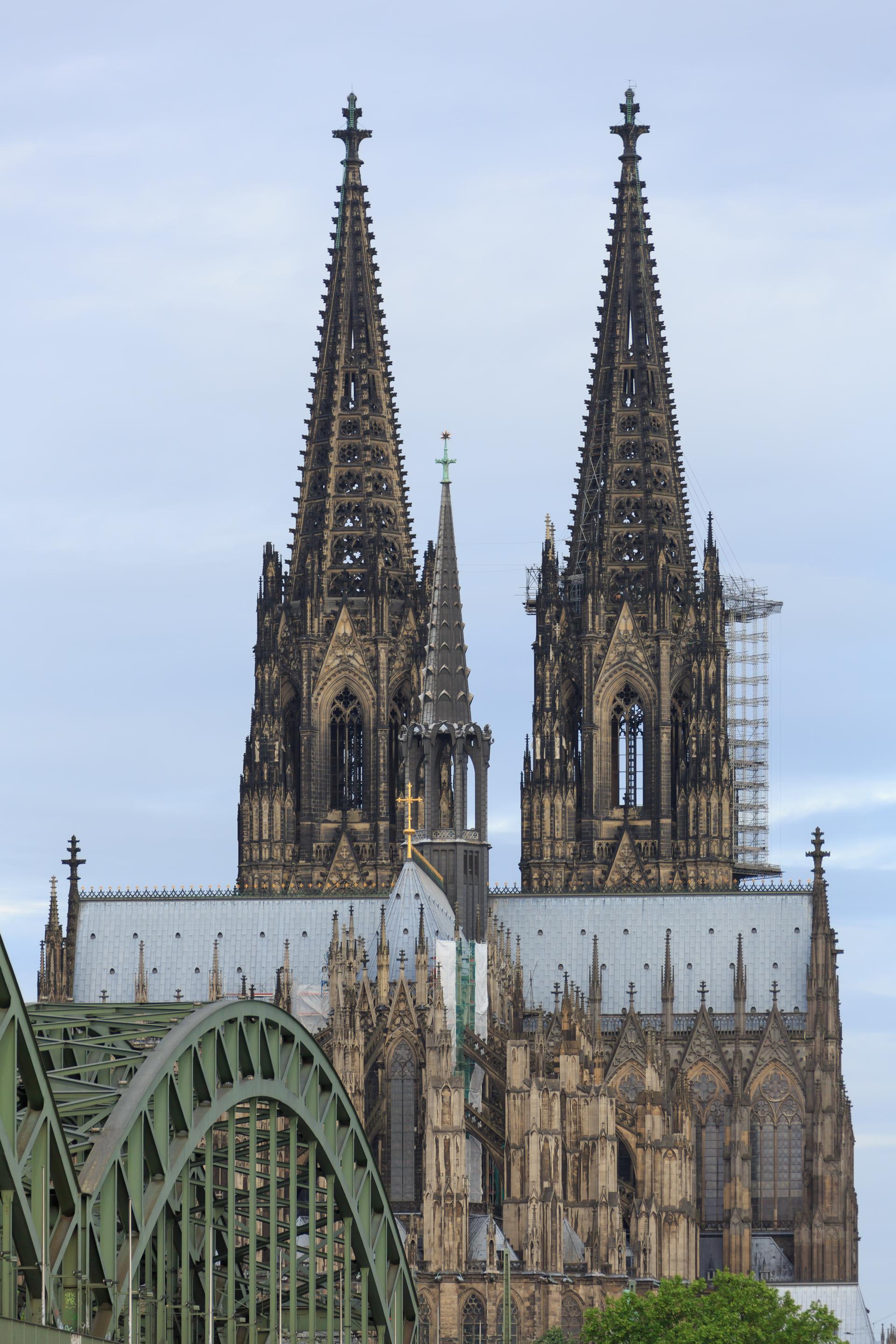
Looking beyond Burgmauer? Discover Cologne for broader travel guides, local hot-spots, and regional highlights.
Explore Cologne
Discover Am Hof in Cologne: A historical square where Roman roots meet medieval charm and modern vibrancy, offering a captivating glimpse into the city's rich heritage.

Explore Römerbrunnen, a historic fountain in Cologne that beautifully combines architectural elegance with the city's vibrant culture.