

Medieval Town Wall, Cologne Travel Guide
Free Guide: Explore Cologne's Medieval Town Wall: A journey through centuries of history, offering a glimpse into the city's Roman origins and medieval fortifications.


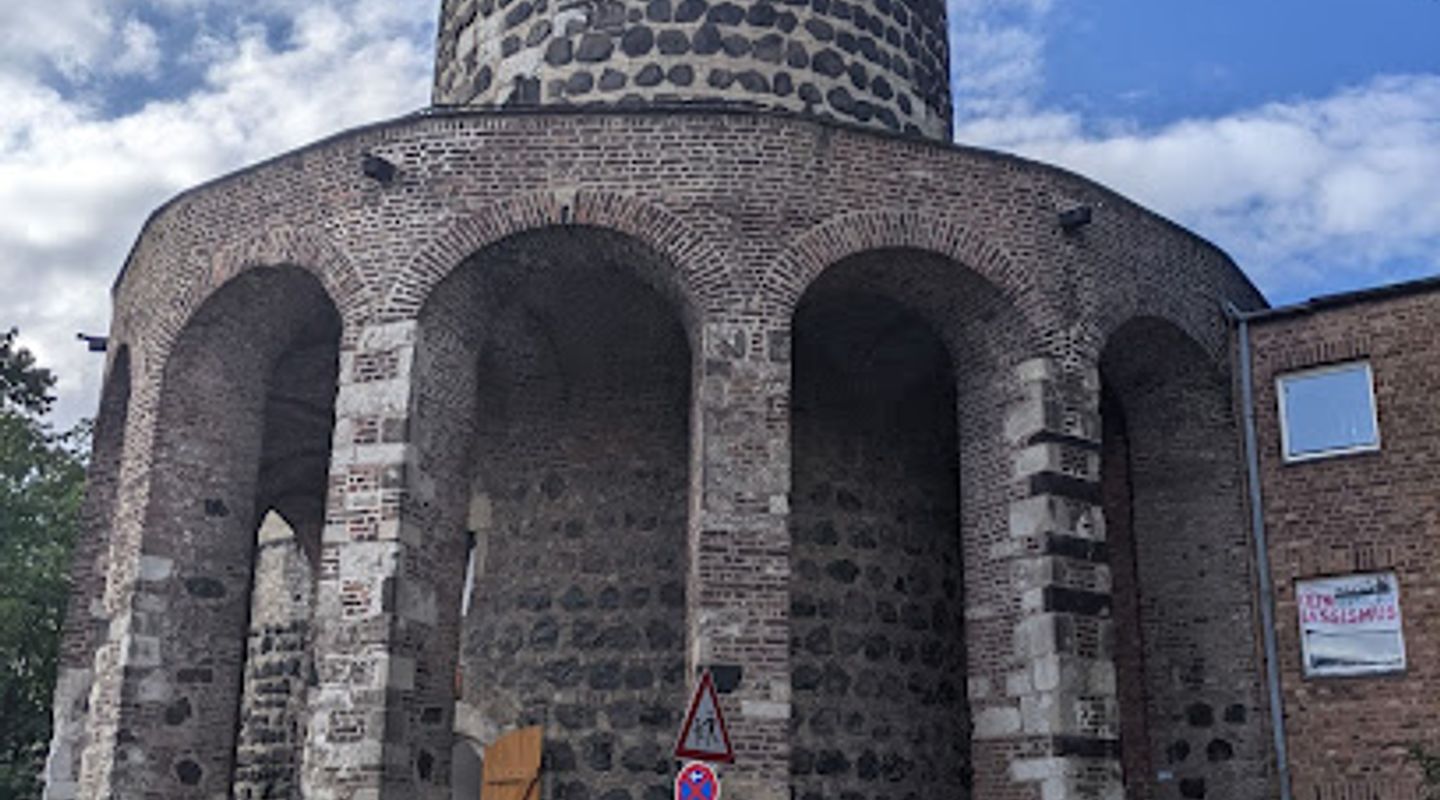
A brief summary of Medieval Town Wall
Explore Cologne's Medieval Town Wall: A journey through centuries of history, offering a glimpse into the city's Roman origins and medieval fortifications.
The Medieval Town Wall in Cologne offers a glimpse into the city's rich history, dating back to Roman times. Expanded throughout the medieval period to protect the growing city, sections of the wall remain today, a testament to Cologne's strategic importance and resilience. Visitors can explore these remnants, imagining life within the fortified city and appreciating the architectural and engineering prowess of past eras. Located in the heart of Cologne, the wall is easily accessible and provides a fascinating contrast to the modern cityscape. Walking along the preserved sections offers a unique perspective on Cologne's evolution from a Roman settlement to a thriving medieval metropolis and a modern urban center. The wall serves as a reminder of the city's enduring spirit and its ability to adapt and thrive through centuries of change.
Opening hours
- Every dayOpen 24 hours
Opening hours as listed on the venue’s Google Business Profile. Hours can change for services and special events, so check with the venue before you go.
- Address
- Gereonswall 110, 50670 Köln
- Phone
- Website
Getting there
Public Transport
Walking
Taxi/Ride-Share
Discover more about Medieval Town Wall
Overview
Cologne's Medieval Town Wall stands as a silent witness to the city's storied past, a tangible link to its Roman origins and its development through the medieval period. Originally constructed to protect the Roman settlement of Colonia Claudia Ara Agrippinensium, the wall underwent several expansions and modifications over the centuries, reflecting the changing needs and threats faced by the city. The first city wall was erected in the 1st century AD, marking Cologne as an important Roman outpost. As the city grew in population and economic significance, particularly during the early Middle Ages, the wall was extended to encompass a larger area. This expansion was crucial for protecting Cologne's burgeoning trade and its role as a major commercial hub on the Rhine River. The archbishops of Cologne further reinforced the city's defenses, constructing a semicircular wall that became one of the longest north of the Alps. Throughout the medieval period, the wall served not only as a physical barrier against invaders but also as a symbol of Cologne's power and independence. The city's strategic location on the Rhine made it a target for various forces, including Viking raiders who sacked Cologne in the 9th century. The wall provided a vital line of defense, allowing the city to withstand sieges and maintain its autonomy. In addition to its defensive function, the Medieval Town Wall also played a significant role in shaping Cologne's urban development. The wall defined the city's boundaries, influencing the layout of streets, the location of markets, and the distribution of residential areas. As Cologne prospered, the wall became a focal point for trade and commerce, with merchants establishing shops and warehouses along its perimeter. By the late 19th century, however, the Medieval Town Wall had become an obstacle to Cologne's growth. As the city expanded beyond its medieval limits, the wall was gradually demolished to make way for new streets, buildings, and infrastructure. Despite the demolition, several sections of the wall were preserved, serving as reminders of Cologne's rich history. Today, visitors can explore these remnants of the Medieval Town Wall, gaining a glimpse into the city's past. One of the most prominent sections is located near Gereonswall, where a substantial portion of the wall has been preserved and integrated into the modern cityscape. Walking along this section, visitors can imagine life within the fortified city, appreciating the architectural and engineering prowess of the medieval builders. Other notable remnants of the Medieval Town Wall include the Eigelstein City Gate, the Hahnentor, and the Severinstorburg, three of the original twelve city gates that once guarded Cologne's entrances. These gates, with their imposing towers and fortified structures, offer a tangible connection to the city's medieval past. The Medieval Town Wall is more than just a historical artifact; it is a living testament to Cologne's enduring spirit and its ability to adapt and thrive through centuries of change. As visitors explore the remnants of the wall, they gain a deeper understanding of Cologne's rich history and its evolution from a Roman settlement to a thriving medieval metropolis and a modern urban center. The wall also stands as a reminder of the importance of preserving cultural heritage. By protecting and showcasing the remnants of the Medieval Town Wall, Cologne ensures that future generations will have the opportunity to learn about and appreciate the city's past. Visiting the Medieval Town Wall is a must for anyone interested in history, architecture, or urban development. The wall offers a unique perspective on Cologne's past, providing a tangible link to the city's Roman origins and its development through the medieval period. Whether you are a seasoned traveler or a first-time visitor, the Medieval Town Wall is sure to leave a lasting impression. As you walk along the preserved sections of the wall, take a moment to reflect on the countless generations of people who have lived, worked, and defended this city. Imagine the bustling markets, the crowded streets, and the imposing towers that once defined Cologne's skyline. The Medieval Town Wall is a powerful reminder of the city's enduring spirit and its ability to overcome challenges and thrive through centuries of change.
Evendo Review Centre
 Google
Guest reviews
Explore Medieval Town Wall on the map
A handpicked selection of must-see spots near Medieval Town Wall, mapped for you.
Get your free copy of our complete guide to Medieval Town Wall, delivered straight to you.
Everything on this page, from opening hours and how to get there to Eve’s tips and the best time to go, in one PDF you can read offline, print or share.
Already have an account? Sign in
Your Medieval Town Wall guide is ready.
We'll send it to · Not you? Sign out

Getting your guide ready…
We are putting together a fresh copy of the Medieval Town Wall guide. This can take up to a minute.
This can take a few moments. If your browser asks, choose Allow so the download can start. You'll find the guide in your Downloads folder.
Nothing happened? Download it again
Sorry, the guide is taking longer than usual. Please try again in a minute, or get it by email instead.
Unlock the best of Medieval Town Wall
Skip-the-line tickets, guided tours with entry, and walking tours of the area, booked in a few clicks.

Other nearby places you may find interesting
The closest places of the same kind, if this one is not quite what you had in mind.
-
-
-

-
-


Swipe for more places
More to explore near Medieval Town Wall

 Best experiences near Medieval Town Wall
 Best hotels near Medieval Town Wall
 Best landmarks near Medieval Town Wall
 Best attractions near Medieval Town Wall
 Best shops near Medieval Town Wall
 Best restaurants near Medieval Town Wall
 Best bars near Medieval Town Wall
Do you manage this location?
Take control to get all the benefits, like improved information, better appearance, and stronger visibility across AI-powered discovery.
Explore more

Explore more of Cologne
Explore Cologne, Germany's vibrant city on the Rhine, known for its stunning cathedral, rich cultural scene, lively festivals, and delightful culinary offerings.
Explore Cologne
Explore more of Germany
Experience Germany: where history meets innovation, and urban energy blends with natural beauty. Discover diverse cultures, delicious cuisine, and stunning landscapes.
Explore Germany
