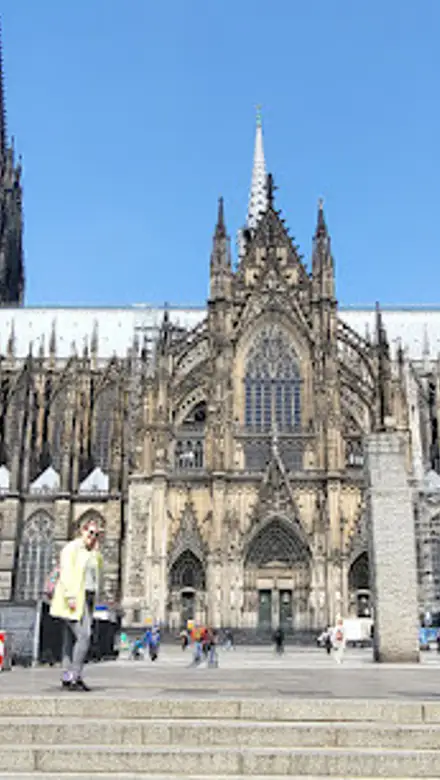
Römisches Praetorium, Cologne Travel Guide
Free Guide: Explore the remnants of the Roman governor's palace in Cologne and step back in time to discover the city's rich Roman heritage, architecture, and artifacts.


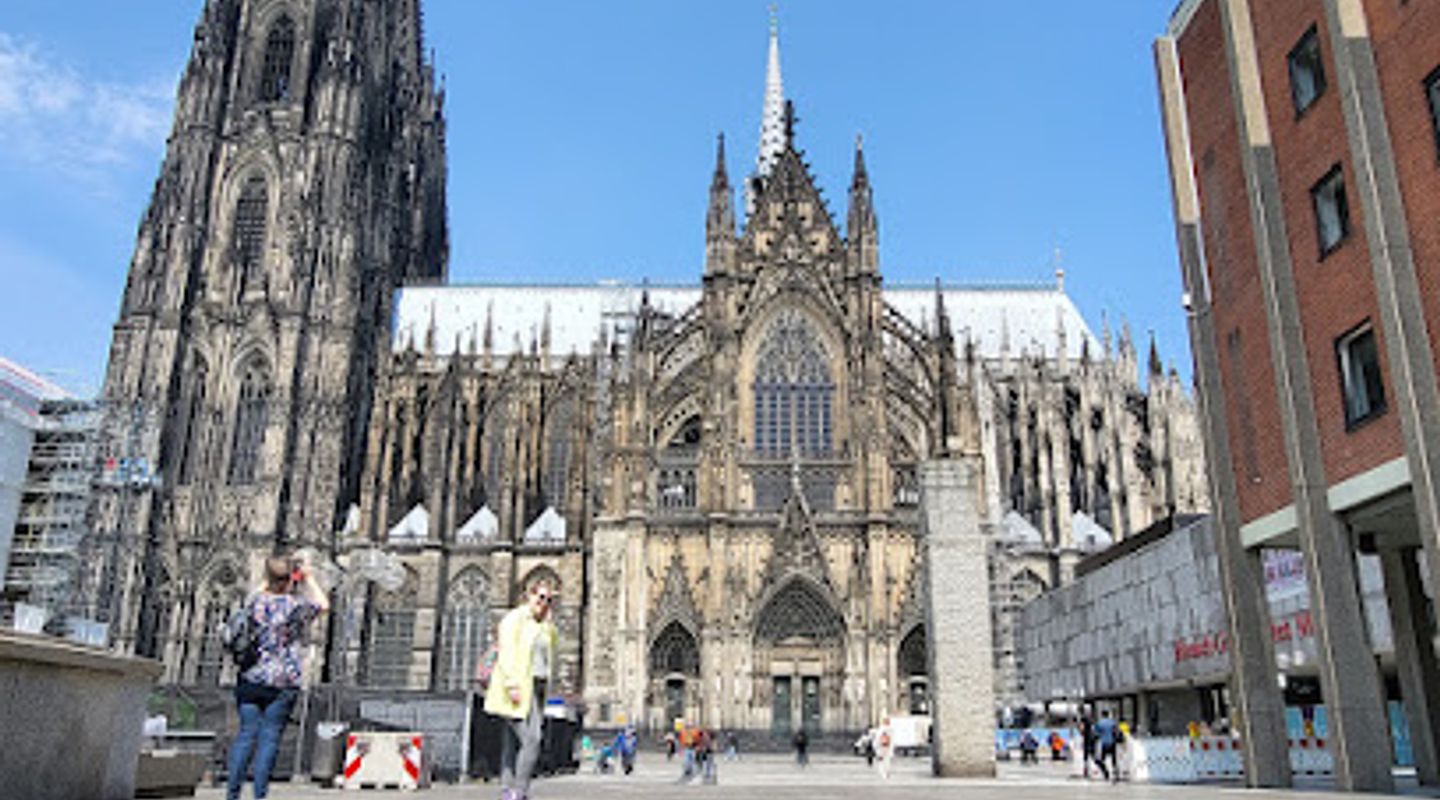
A brief summary of Römisches Praetorium
Explore the remnants of the Roman governor's palace in Cologne and step back in time to discover the city's rich Roman heritage, architecture, and artifacts.
Delve into Cologne's captivating Roman history at the Römisches Praetorium, an archaeological site revealing the city's ancient architecture and storied past. Once the governor's palace of the Roman province of Lower Germania, this site offers a glimpse into the political and administrative heart of Roman Cologne. Explore the remnants of this once-grand structure, including well-preserved walls, foundations, and an intricate sewage system showcasing Roman engineering prowess. Located beneath the Cologne City Hall, the Praetorium provides a unique opportunity to walk through the layers of history, connecting with the city's origins as a vital Roman settlement. Combine your visit with nearby attractions in Cologne's vibrant city center for a comprehensive exploration of this historically rich area. Don't miss this chance to witness firsthand how the past has shaped the present in this beautiful city.
- Address
- Kleine Budengasse 1-3, 50667 Köln
Getting there
Public Transport
Walking
Taxi/Ride-Share
Parking
Discover more about Römisches Praetorium
Overview
The Römisches Praetorium, or Roman Praetorium, in Cologne, Germany, offers a fascinating journey into the city's Roman past. Located beneath the Rathaus (City Hall), this archaeological site unveils the remains of the Roman governor's palace, once the heart of Roman administration in the province of Lower Germania. The Praetorium stands as a testament to Cologne's significance as a major Roman settlement, offering visitors a unique opportunity to explore well-preserved ruins and artifacts. Cologne's Roman history dates back to the 1st century AD when it was established as Colonia Claudia Ara Agrippinensium (CCAA). The city quickly became an important urban center and the capital of the Roman province of Lower Germania in 85 AD. The Praetorium served as the seat of the Roman governor, playing a crucial role in the region's political and administrative affairs. This palace was not only an administrative center but also the governor's residence, making it a vital hub of power and influence. The site's discovery occurred during the post-World War II reconstruction efforts when the city was rebuilding its historic center. Excavations beneath the City Hall revealed the extensive remains of the Roman palace, leading to the creation of the archaeological site that visitors can explore today. The excavations have uncovered multiple phases of construction, dating from the 1st to the 4th centuries AD, providing insights into the evolution of the palace over time. Visitors to the Römisches Praetorium can explore the remnants of the palace, including the foundations, walls, and an impressive sewage system. The architecture reflects the grandeur of Roman engineering and design, showcasing the advanced construction techniques of the time. One of the highlights is the central octagonal room, flanked by rectangular halls and adorned with apses, which served as a key area for administrative functions. The palace also featured a gallery (porticus) facing the Rhine, adding to its architectural significance. The artifacts unearthed at the Praetorium offer a glimpse into the daily life and culture of Roman Cologne. These finds include pottery, fragments of wall paintings, marble wall decorations, mosaics, and remnants of monumental sculptures. Inscriptions on marble, limestone, and tufa provide valuable historical information, while ceramics and glassware showcase the craftsmanship of Roman artisans. The Römisches Praetorium is not just a collection of ruins; it is a living testament to Cologne's Roman heritage. The site is part of the Archaeological Zone of Cologne, which aims to preserve and showcase the city's Roman past. The ongoing excavations and research continue to reveal new insights into the history of the Praetorium and its role in Roman Cologne. Visiting the Römisches Praetorium offers a unique experience that combines historical exploration with cultural immersion. The site is located in the heart of Cologne's Old Town, surrounded by charming streets, cafes, and shops. This allows visitors to easily combine their historical tour with other attractions in the city, such as the Cologne Cathedral, the Romano-Germanic Museum, and the vibrant Heumarkt square. The Römisches Praetorium provides a captivating journey into the world of Roman Cologne, offering a blend of historical significance, architectural marvels, and cultural insights. Whether you are a history enthusiast or a casual traveler, a visit to this archaeological site is sure to enrich your understanding of Cologne's rich and diverse past. The Praetorium stands as a reminder of the city's enduring legacy as a major center of Roman civilization, inviting visitors to step back in time and explore the foundations of modern Cologne.
Evendo Review Centre
 Google
Guest reviews
Explore Römisches Praetorium on the map
A handpicked selection of must-see spots near Römisches Praetorium, mapped for you.
Get your free copy of our complete guide to Römisches Praetorium, delivered straight to you.
Everything on this page, from opening hours and how to get there to Eve’s tips and the best time to go, in one PDF you can read offline, print or share.
Already have an account? Sign in
Your Römisches Praetorium guide is ready.
We'll send it to · Not you? Sign out

Getting your guide ready…
We are putting together a fresh copy of the Römisches Praetorium guide. This can take up to a minute.
This can take a few moments. If your browser asks, choose Allow so the download can start. You'll find the guide in your Downloads folder.
Nothing happened? Download it again
Sorry, the guide is taking longer than usual. Please try again in a minute, or get it by email instead.
Unlock the best of Römisches Praetorium
Skip-the-line tickets, guided tours with entry, and walking tours of the area, booked in a few clicks.


Other nearby places you may find interesting
The closest places of the same kind, if this one is not quite what you had in mind.
-
-
-

-
-


Swipe for more places
More to explore near Römisches Praetorium

 Best experiences near Römisches Praetorium
 Best hotels near Römisches Praetorium
 Best landmarks near Römisches Praetorium
 Best attractions near Römisches Praetorium
 Best shops near Römisches Praetorium
 Best restaurants near Römisches Praetorium
 Best bars near Römisches Praetorium
Do you manage this location?
Take control to get all the benefits, like improved information, better appearance, and stronger visibility across AI-powered discovery.
Explore more

Explore more of Cologne
Explore Cologne, Germany's vibrant city on the Rhine, known for its stunning cathedral, rich cultural scene, lively festivals, and delightful culinary offerings.
Explore Cologne
Explore more of Germany
Experience Germany: where history meets innovation, and urban energy blends with natural beauty. Discover diverse cultures, delicious cuisine, and stunning landscapes.
Explore Germany