
Hohenzollern Bridge, Eifel Travel Guide
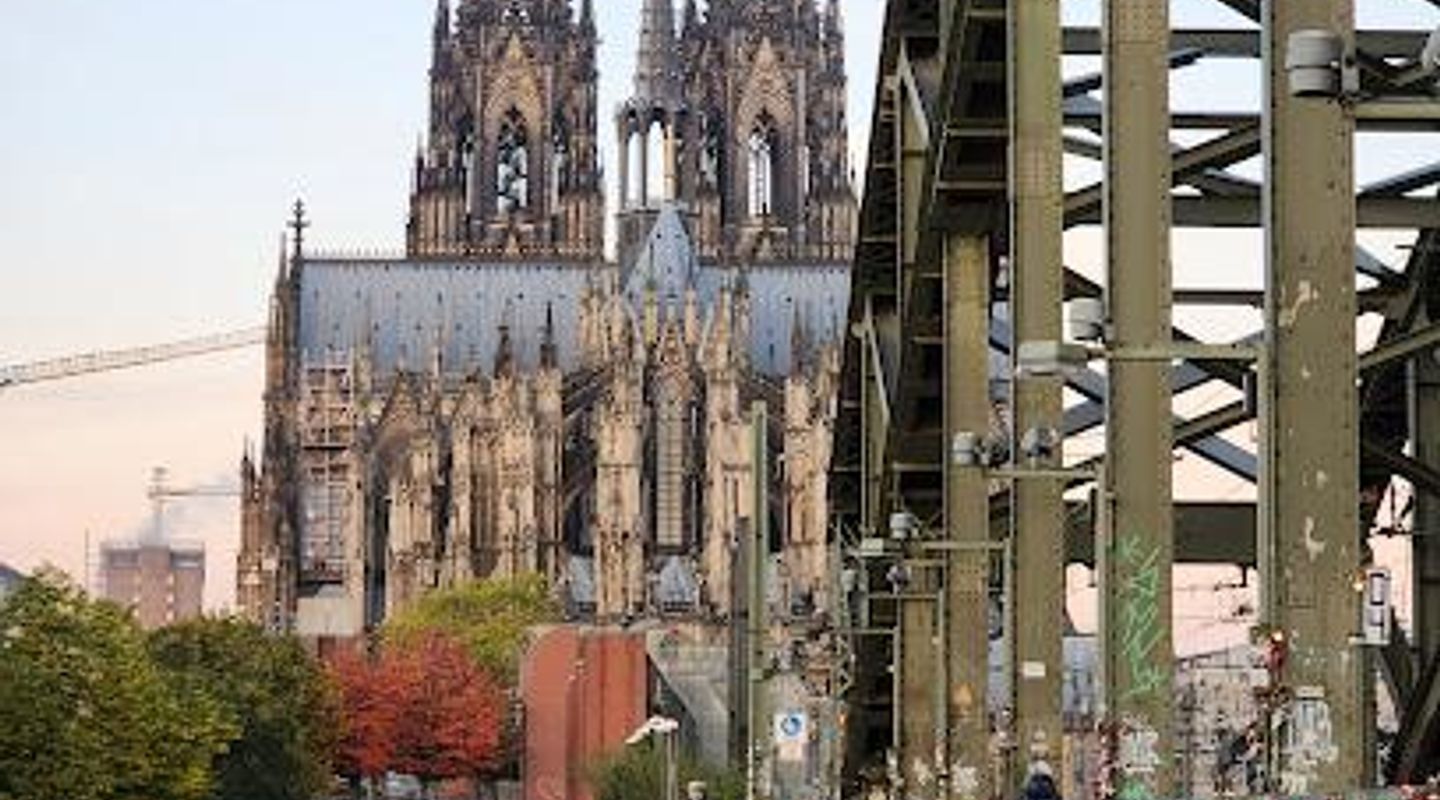
Experience Cologne's iconic Hohenzollern Bridge: a historic railway crossing adorned with love locks, offering stunning views of the Cologne Cathedral and the Rhine.
The Hohenzollern Bridge, a dominant feature of Cologne's skyline, is more than just a river crossing; it's a symbol of the city's resilience and a testament to its rich history. Spanning the Rhine, this iconic structure connects the city center with the Deutz district, offering pedestrians and railway passengers alike breathtaking views of the Cologne Cathedral and the bustling cityscape. Originally built in the early 20th century, the bridge has become famous for the thousands of 'love locks' attached to its pedestrian walkway, a tradition symbolizing enduring affection. Whether you're drawn to its architectural grandeur, its historical significance, or the romantic allure of the love locks, the Hohenzollern Bridge provides an unforgettable experience and a perfect photo opportunity.
A brief summary to Hohenzollern Bridge
- Cologne, Innenstadt, 50679, DE

Know before you go
Hi, I'm Eve. Here are a few practical things to know before exploring Hohenzollern Bridge.
- Visit during sunset for breathtaking views of the Cologne Cathedral illuminated against the evening sky.
- Bring a padlock to add your own 'love lock' to the bridge, a symbol of enduring affection.
- Take the train across the bridge for a unique perspective and to experience its vital role in Germany's railway network.
Do you manage this location?
Take control to get all the benefits, like improved information, better appearance, and stronger visibility across AI-powered discovery. Learn more about listing your business on Evendo
Activate your presenceExplore Hohenzollern Bridge on the Map
A handpicked selection of must-see spots near Hohenzollern Bridge, mapped for you.
Getting There
-
Walking
The Hohenzollern Bridge is easily accessible on foot from Cologne's city center. From the Cologne Cathedral (Kölner Dom), walk behind the Cathedral past the Museum Ludwig and across Heinrich-Böll-Platz to find the pedestrian walkway entrance onto the bridge. The walk from the Cathedral takes only a few minutes. From the Köln Hauptbahnhof (Cologne Central Station), follow signs towards the Cathedral; the bridge entrance is a short walk from the station's rear exit. There are no costs associated with walking across the bridge.
-
Public Transport
If arriving at Köln Messe/Deutz station, the Hohenzollern Bridge is approximately a 450m walk. Exit the station following signs towards the Rhine River and the Cathedral. Cross the bridge towards the city center. Alternatively, from other parts of Cologne, take the bus or tram to Köln Hauptbahnhof/Breslauer Platz. From there, the bridge is a short walk. A single public transport fare within Cologne (Köln) typically costs €2-3.
-
Taxi/Ride-Share
A taxi or ride-share from Cologne's city center to the Hohenzollern Bridge is a quick option. Most rides from central locations (e.g., Neumarkt) will cost approximately €9-€12 and take only a few minutes, depending on traffic. Be sure to specify 'Hohenzollernbrücke' as your destination.
-
Driving
While you can drive to the vicinity of the Hohenzollern Bridge, note that vehicles are not allowed on the bridge itself. Parking in the immediate area is limited. Consider parking at Q-Park car parks such as Q-Park am Dom or near the Triangle Tower, which are a short walk from the bridge. Hourly parking rates typically range from €2.20, with daily rates varying from €7-€12 depending on the day of the week.
Discover more about Hohenzollern Bridge













Your all‑in‑one travel companion app
Explore expert travel guides, compare and book tours, experiences, hotels, and more—all from the palm of your hand. Download now for seamless trip planning wherever your wanderlust takes you.


Explore More of Eifel
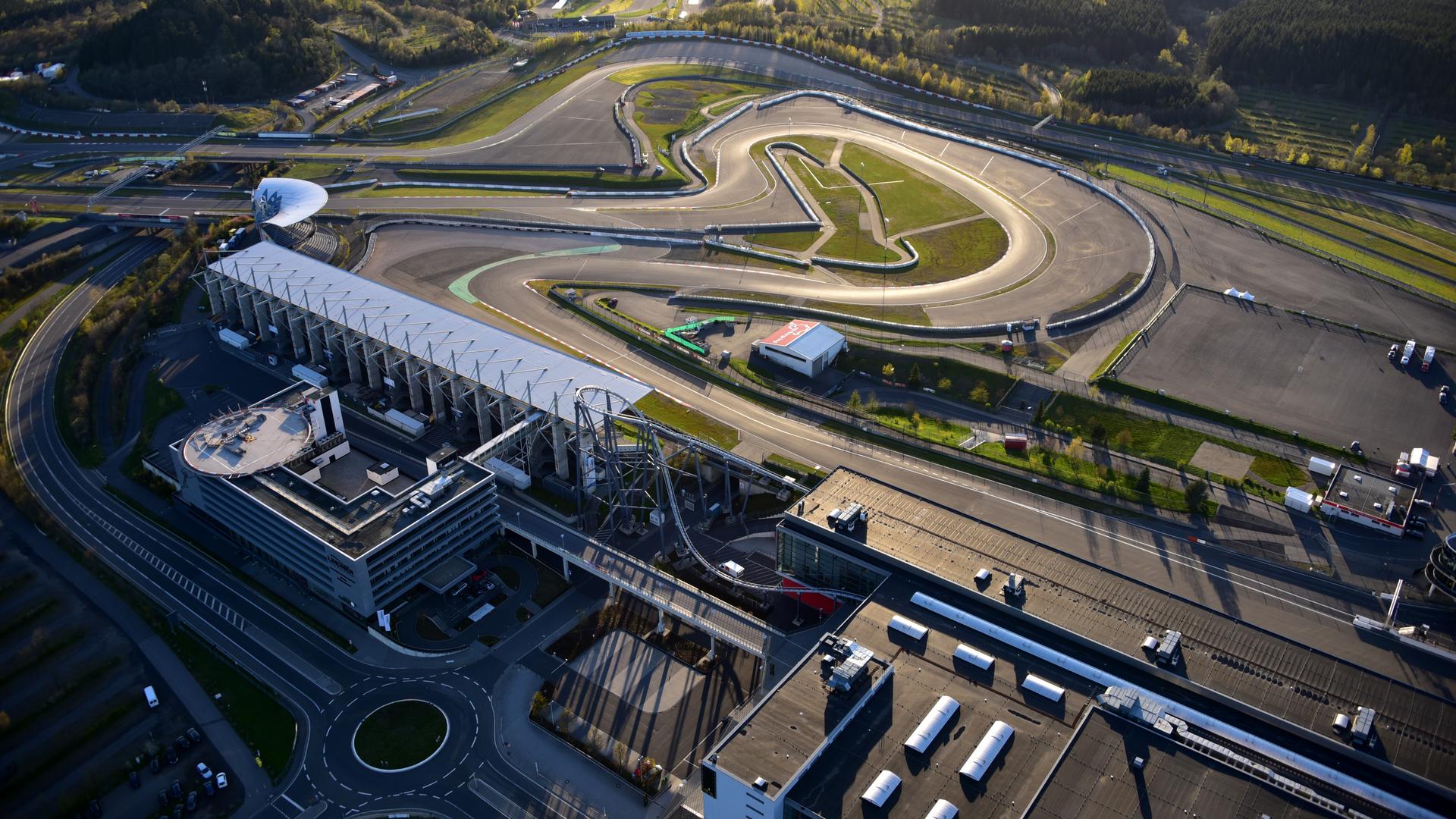
Looking beyond Hohenzollern Bridge? Discover Eifel for broader travel guides, local hot-spots, and regional highlights.
Explore Eifel