Jan-Wellem-Reiterstandbild, Dusseldorf Travel Guide
Discover Düsseldorf's baroque heart at the Jan Wellem Equestrian Statue, a timeless monument to a beloved ruler and the city's golden age of arts and culture, located in the heart of the Old Town.
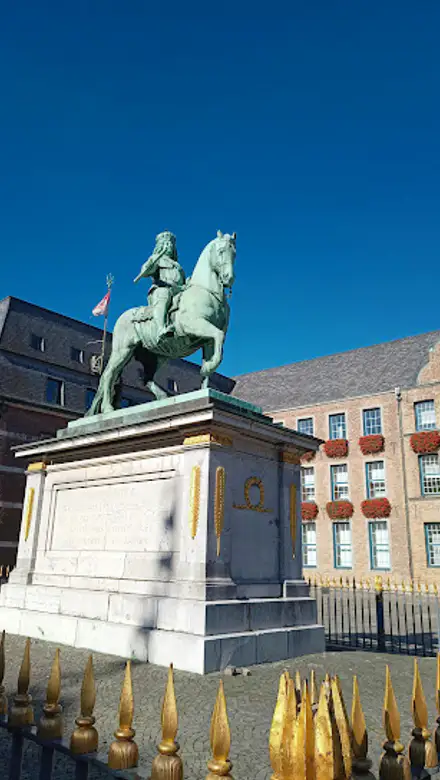
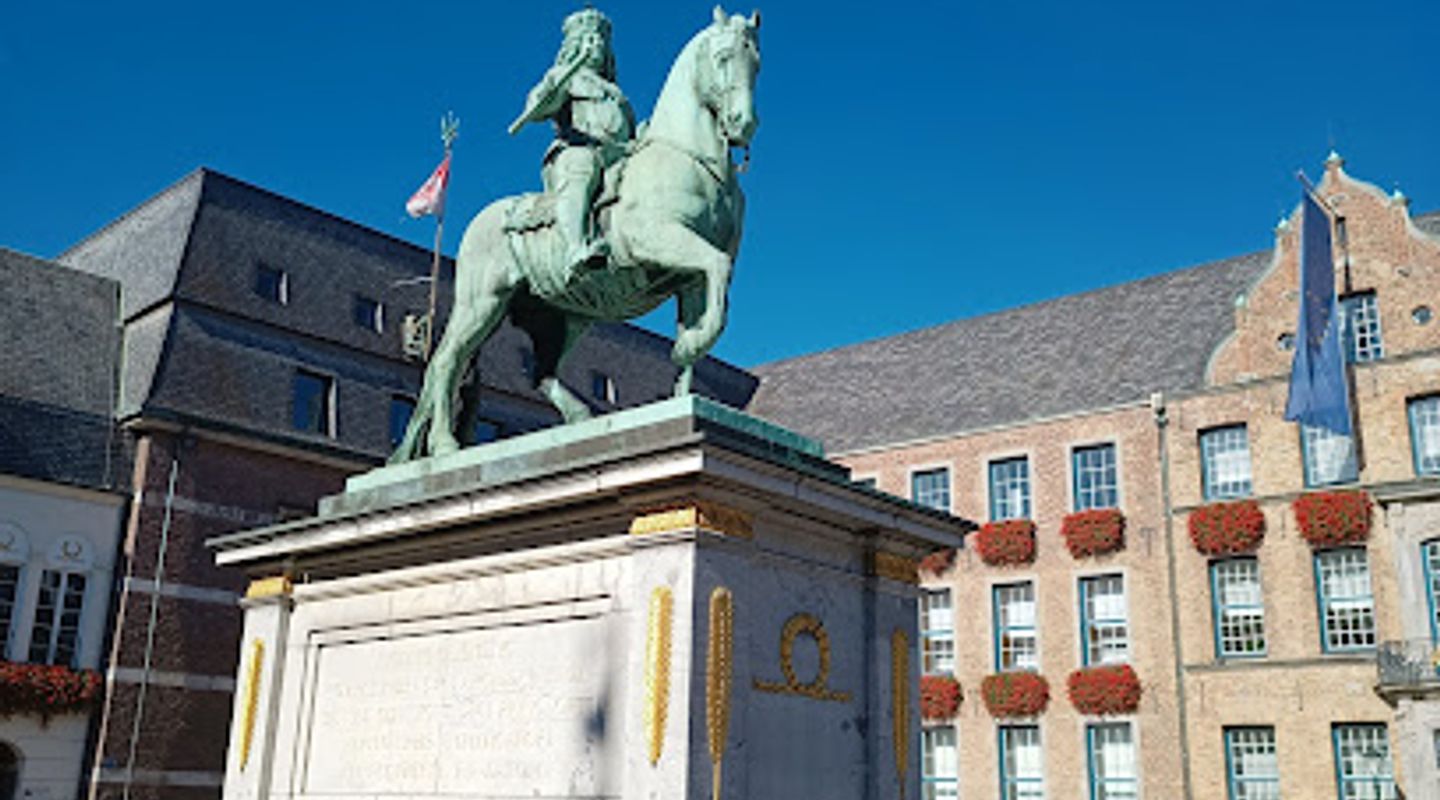
The Jan Wellem Equestrian Statue, a magnificent baroque monument, stands proudly on Düsseldorf's Marktplatz, a testament to the city's rich history and artistic heritage. Created in 1711 by Gabriel Grupello, the bronze statue honors Johann Wilhelm II, Elector Palatine, affectionately known as Jan Wellem, a beloved ruler who significantly shaped Düsseldorf's cultural landscape. The statue depicts Jan Wellem in full armor atop a powerful horse, symbolizing his strength and influence. Surrounded by the historic City Hall and the vibrant atmosphere of the Old Town, the Jan Wellem Equestrian Statue is a captivating landmark that offers visitors a glimpse into Düsseldorf's glorious past. It serves as a popular meeting point and a stunning backdrop for photos, especially when illuminated at night. A visit to this iconic monument is a must for anyone exploring Düsseldorf's cultural tapestry, offering a chance to connect with the city's history and appreciate its artistic legacy. The statue miraculously survived World War II unscathed, adding to its allure and making it a symbol of resilience for the people of Düsseldorf.
A brief summary to Jan-Wellem-Reiterstandbild
- Marktpl., Düsseldorf, Stadtbezirk 1, 40213, DE
- Click to display
- Click to display

Know before you go
Hi, I'm Eve. Here are a few practical things to know before exploring Jan-Wellem-Reiterstandbild.
- Visit the statue during the day to appreciate its intricate details and then again at night when it's beautifully illuminated for a different perspective.
- Combine your visit with a stroll through the Altstadt (Old Town) to experience the vibrant atmosphere and explore the charming cafes and shops.
- Check out the nearby City Hall (Rathaus) to admire its architecture, blending Baroque and Neo-Renaissance styles.
- Learn about the legend of the citizens donating silver to complete the statue, showcasing the deep connection between Jan Wellem and the people of Düsseldorf.
Do you manage this location?
Take control to get all the benefits, like improved information, better appearance, and stronger visibility across AI-powered discovery. Learn more about listing your business on Evendo
Activate your presenceOther nearby places you may find interesting
The closest places of the same kind, if this one is not quite what you had in mind.
Explore Jan-Wellem-Reiterstandbild on the Map
A handpicked selection of must-see spots near Jan-Wellem-Reiterstandbild, mapped for you.
Unlock the Best of Jan-Wellem-Reiterstandbild
Buy tickets
-
No tickets available
Book tours with entry


Book tours without entry

Getting There
-
Walking
The Jan Wellem Equestrian Statue is located on Marktplatz in the heart of Düsseldorf's Altstadt (Old Town), making it easily accessible on foot from most central locations. From Heinrich-Heine-Allee U-Bahn station, walk east towards the Rhine River and the Old Town. Follow the signs for Marktplatz; it's approximately a 5-minute walk. As you approach Marktplatz, the statue will be directly in front of the Düsseldorf City Hall. No costs are associated with walking.
-
Public Transport
If arriving by public transport, the closest U-Bahn station is Heinrich-Heine-Allee (U70, U71, U72, U73, U76, U78, U79, U83). From there, it's a short 5-minute walk to Marktplatz. Exit the station and walk towards the Rhine River and the Old Town, following signs for Marktplatz. Tram lines 701 and 705 also stop at Heinrich-Heine-Allee. A single ticket (Kurzstrecke) for a short trip within Düsseldorf costs approximately €1.70.
-
Taxi/Ride-Share
A taxi or ride-share from Düsseldorf Hauptbahnhof (main train station) to Marktplatz will take approximately 10-15 minutes, depending on traffic. The estimated fare is between €10-€15. Direct the driver to Marktplatz in the Altstadt. Note that traffic in the Altstadt can be congested, especially during peak hours and events.
-
Driving
Driving directly to Marktplatz is not recommended due to the Altstadt's pedestrian zone and limited parking. The nearest parking garage is Parkhaus Carlsplatz [https://www.mobypark.com/de/parking/germany/dusseldorf/marktplatz]. From there, it's a short walk to Marktplatz. Parking rates at Carlsplatz are approximately €3.00 per hour. Pre-booking a parking spot online is advisable, especially during busy periods.
Discover more about Jan-Wellem-Reiterstandbild
More to explore near Jan-Wellem-Reiterstandbild













Your all‑in‑one travel companion app
Explore expert travel guides, compare and book tours, experiences, hotels, and more—all from the palm of your hand. Download now for seamless trip planning wherever your wanderlust takes you.


Explore More of Dusseldorf
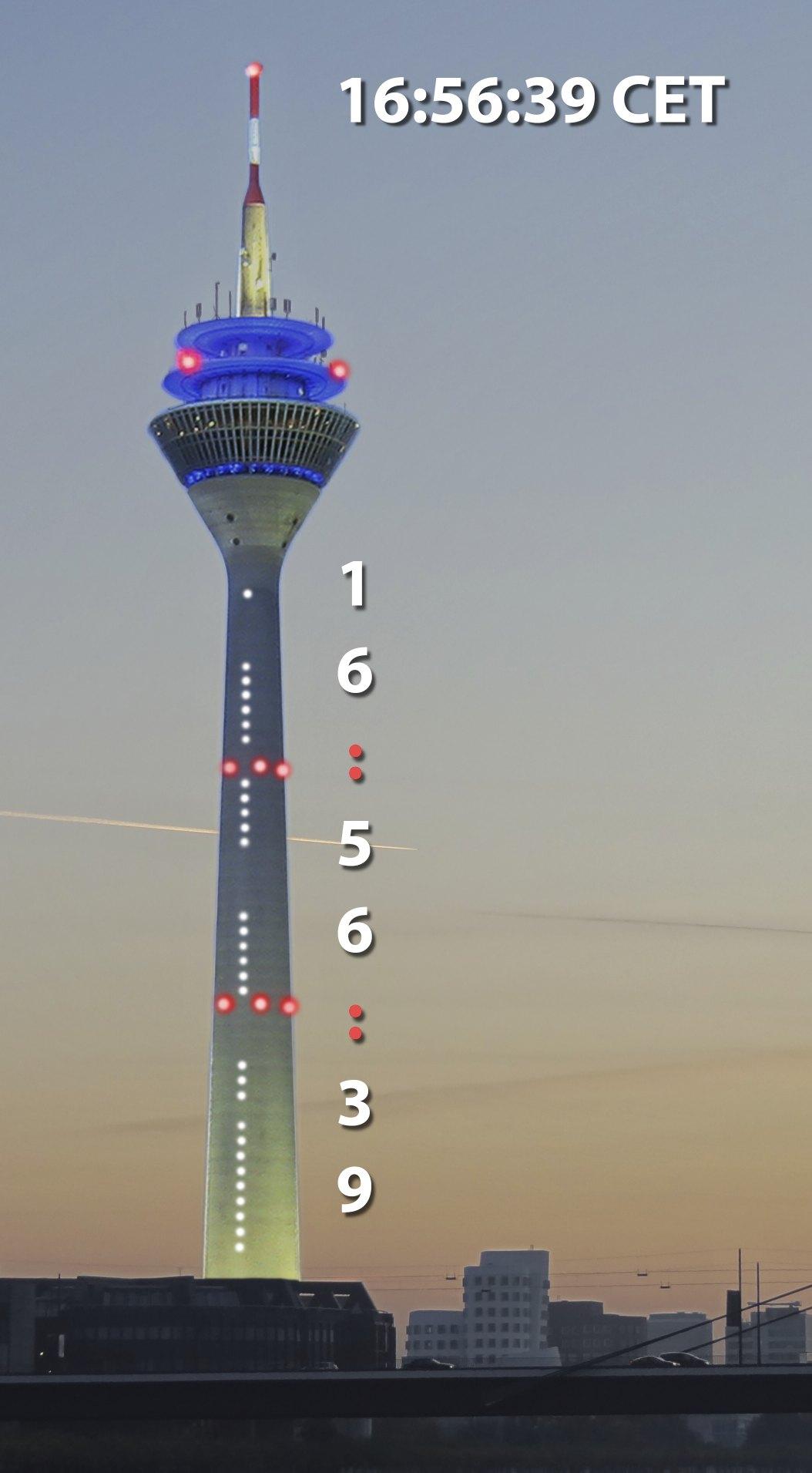
Looking beyond Jan-Wellem-Reiterstandbild? Discover Dusseldorf for broader travel guides, local hot-spots, and regional highlights.
Explore Dusseldorf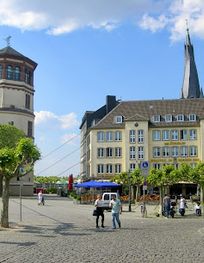
Discover Düsseldorf's Burgplatz: A historic square on the Rhine, home to the iconic Schlossturm, vibrant events, and a gateway to the Altstadt's lively atmosphere.

Explore Marktplatz in Düsseldorf, a historical landmark filled with vibrant markets, stunning architecture, and rich cultural experiences that define the city's charm.