
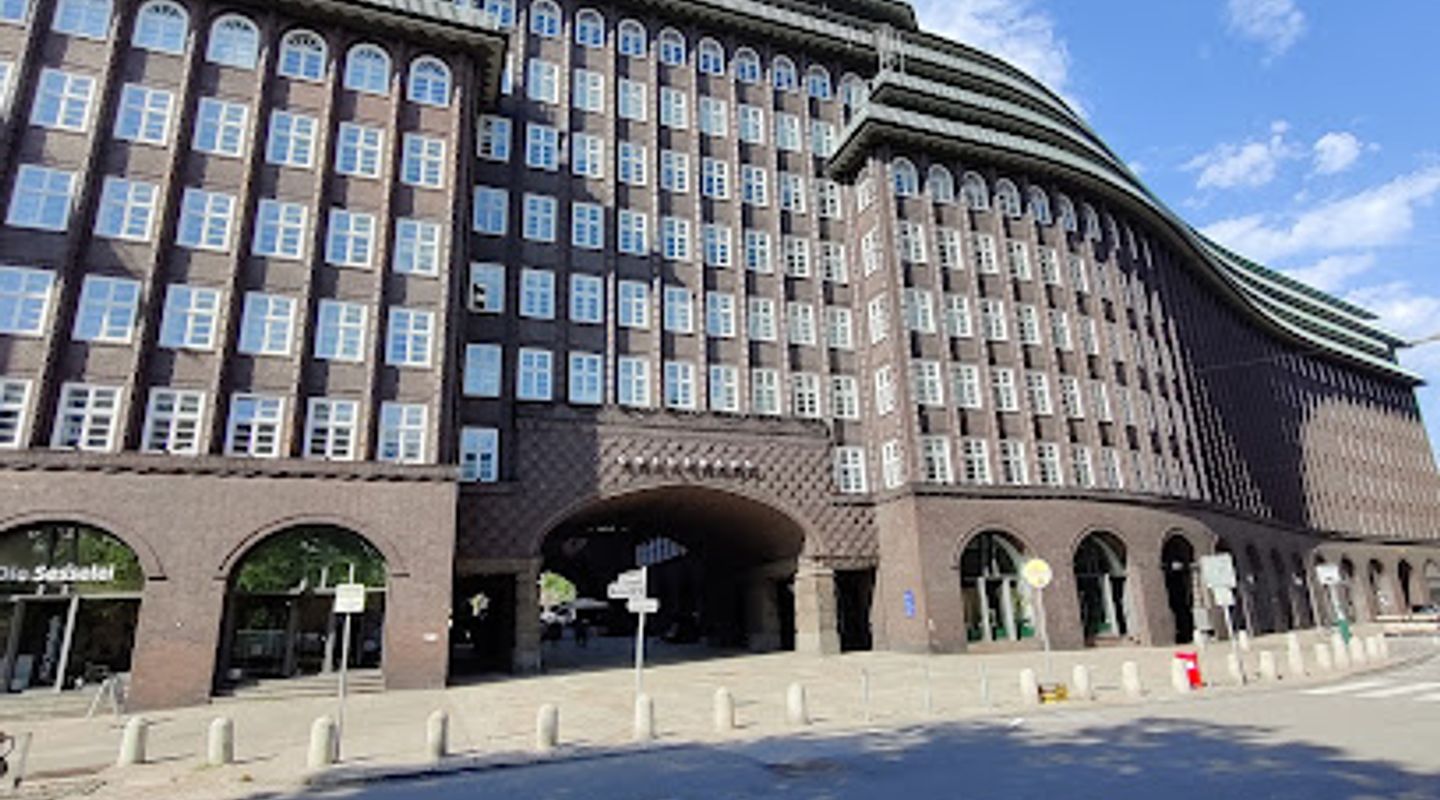
Chile House, Hamburg Travel Guide
Discover the iconic Chile House in Hamburg's Kontorhaus District, a UNESCO World Heritage Site showcasing stunning Brick Expressionist architecture and rich maritime history.
The Chile House (Chilehaus) is an iconic ten-story office building in Hamburg, Germany, a prime example of Brick Expressionism from the 1920s. Designed by architect Fritz Höger and completed in 1924, it was commissioned by Henry B. Sloman, who made his fortune trading saltpeter from Chile, hence the name. Its striking, ship's-prow shape, dark clinker brick facade, and sculpted details make it a must-see landmark. As part of the Kontorhaus District, it has been a UNESCO World Heritage Site since 2015, symbolizing Hamburg's economic resurgence after World War I. Visitors can explore the building's exterior, admire its unique architecture, and discover the shops and restaurants within the surrounding Kontorhausviertel. The Chile House stands as a testament to Hamburg's rich history and architectural innovation.
A brief summary to Chile House
- Fischertwiete 2A, Hamburg, Hamburg-Mitte, 20095, DE
- Click to display
- Click to display

Know before you go
Hi, I'm Eve. Here are a few practical things to know before exploring Chile House.
- Visit during the day to appreciate the intricate brickwork and ship-like silhouette, and again at night when the building is beautifully illuminated.
- Explore the inner courtyards for a tranquil escape and unique perspectives of the building's architecture.
- Combine your visit with a tour of the nearby Speicherstadt and HafenCity, both UNESCO World Heritage Sites offering contrasting architectural styles.
Do you manage this location?
Take control to get all the benefits, like improved information, better appearance, and stronger visibility across AI-powered discovery. Learn more about listing your business on Evendo
Activate your presenceOther nearby places you may find interesting
The closest places of the same kind, if this one is not quite what you had in mind.
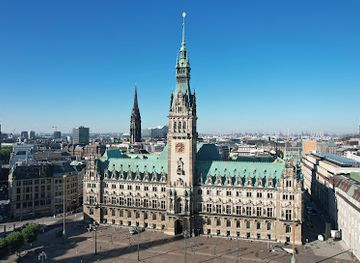
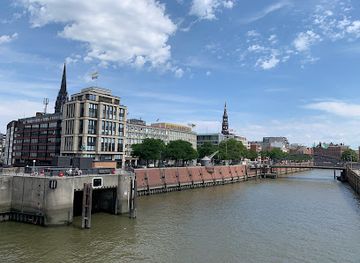
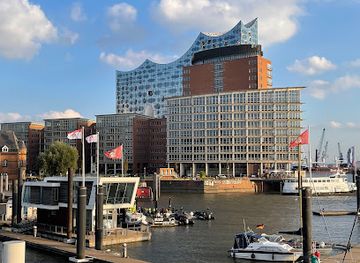
Explore Chile House on the Map
A handpicked selection of must-see spots near Chile House, mapped for you.
Unlock the Best of Chile House
Buy tickets
-
No tickets available
Book tours with entry


Getting There
-
Public Transport
The Chile House is easily accessible via Hamburg's efficient public transport system. Take the U-Bahn line U1 to the Meßberg station. From there, it's a short 5-minute walk. Alternatively, the S-Bahn lines S1 or S3 to Stadthausbrücke station are also within walking distance. A single ticket within Hamburg (rings A & B) costs approximately €3.80. Consider purchasing a day ticket for €8.40 if you plan to visit multiple attractions.
-
Walking
If you are already in the city center, such as near the Rathaus (City Hall) or in the Speicherstadt, walking to the Chile House is a pleasant option. From the Rathaus, head east along the canal, passing the Chamber of Commerce. The Chile House will become visible on your left after approximately 10 minutes. From Speicherstadt, cross the Zollkanal via one of the bridges and follow the signs towards the Kontorhaus District. The Chile House is a prominent landmark within the district.
-
Taxi/Ride-Share
Taxis and ride-sharing services are readily available throughout Hamburg. A short ride from the main train station (Hauptbahnhof) to the Chile House will cost approximately €10-€15, depending on traffic. Be sure to specify 'Chilehaus' as your destination.
-
Driving
While driving is an option, parking near the Chile House can be limited and expensive. The Q-Park City car park is approximately 550 meters away and offers secure parking, with a daily maximum rate of €25. Be aware of traffic congestion in the city center, especially during peak hours. Ask your navigation system to take you to “Pumpen” street. You will find the CHOCOVERSUM entrance on your left-hand side. In “Pumpen” street you can stop for the guest drop-off. There are parking spaces for coaches at the back of the CHOCOVERSUM on the southern Willy-Brandt-Straße. The max. parking duration is 2 hours.
Discover more about Chile House













Your all‑in‑one travel companion app
Explore expert travel guides, compare and book tours, experiences, hotels, and more—all from the palm of your hand. Download now for seamless trip planning wherever your wanderlust takes you.


Explore More of Hamburg
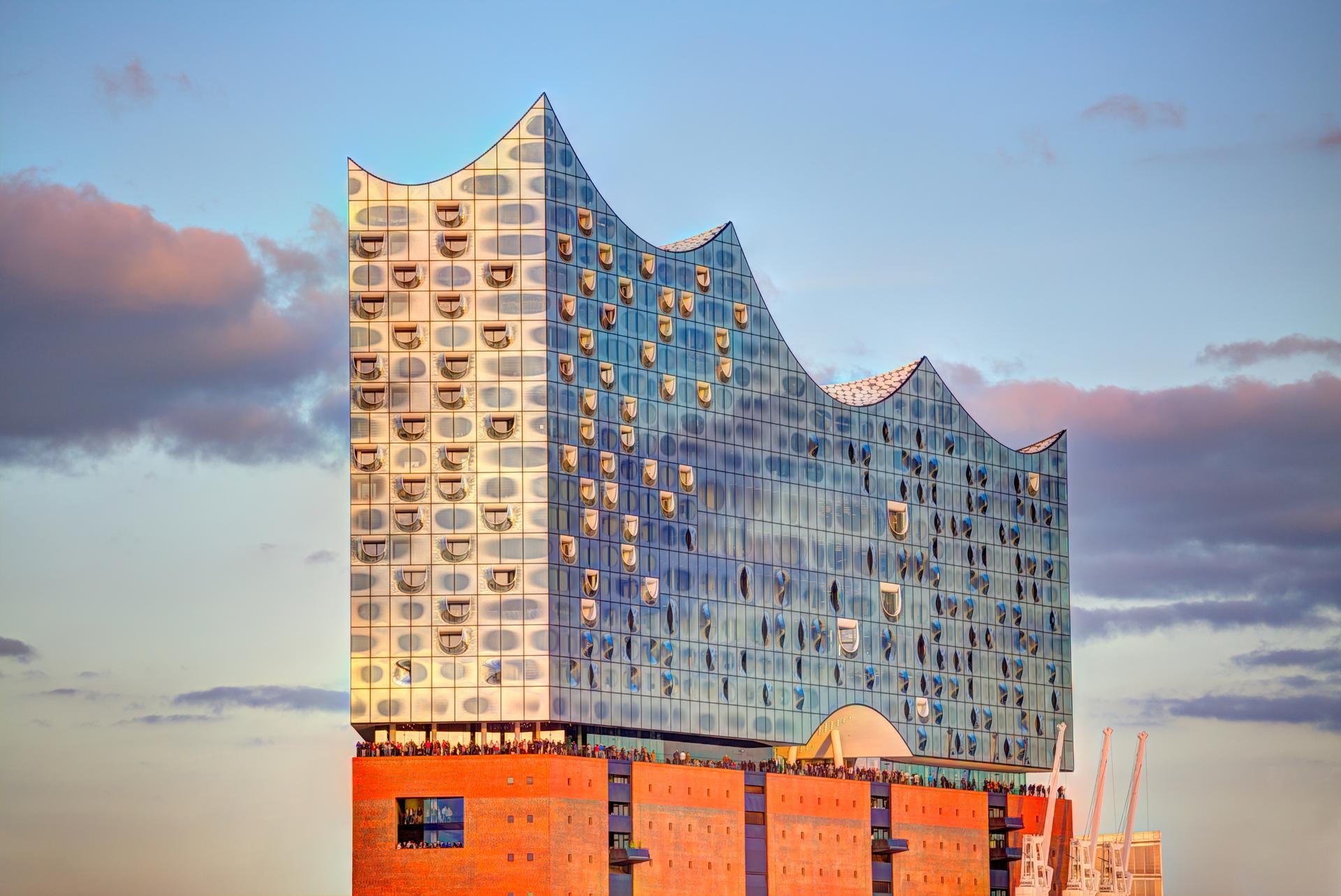
Looking beyond Chile House? Discover Hamburg for broader travel guides, local hot-spots, and regional highlights.
Explore Hamburg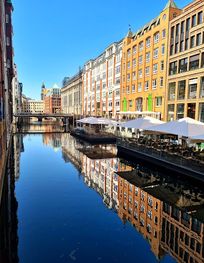
Explore the enchanting Bleichensteg in Hamburg - a picturesque blend of history, culture, and scenic beauty waiting to be discovered.

Explore Hamburg's historic Speicherstadt, a UNESCO World Heritage site of stunning red-brick warehouses, canals, and bridges, blending history, culture, and modern innovation.
