Tor des Marschalls Marstalltor, Hannover Travel Guide
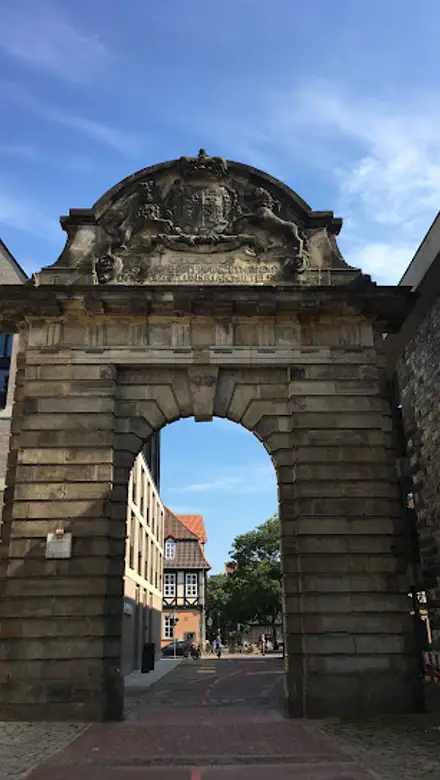
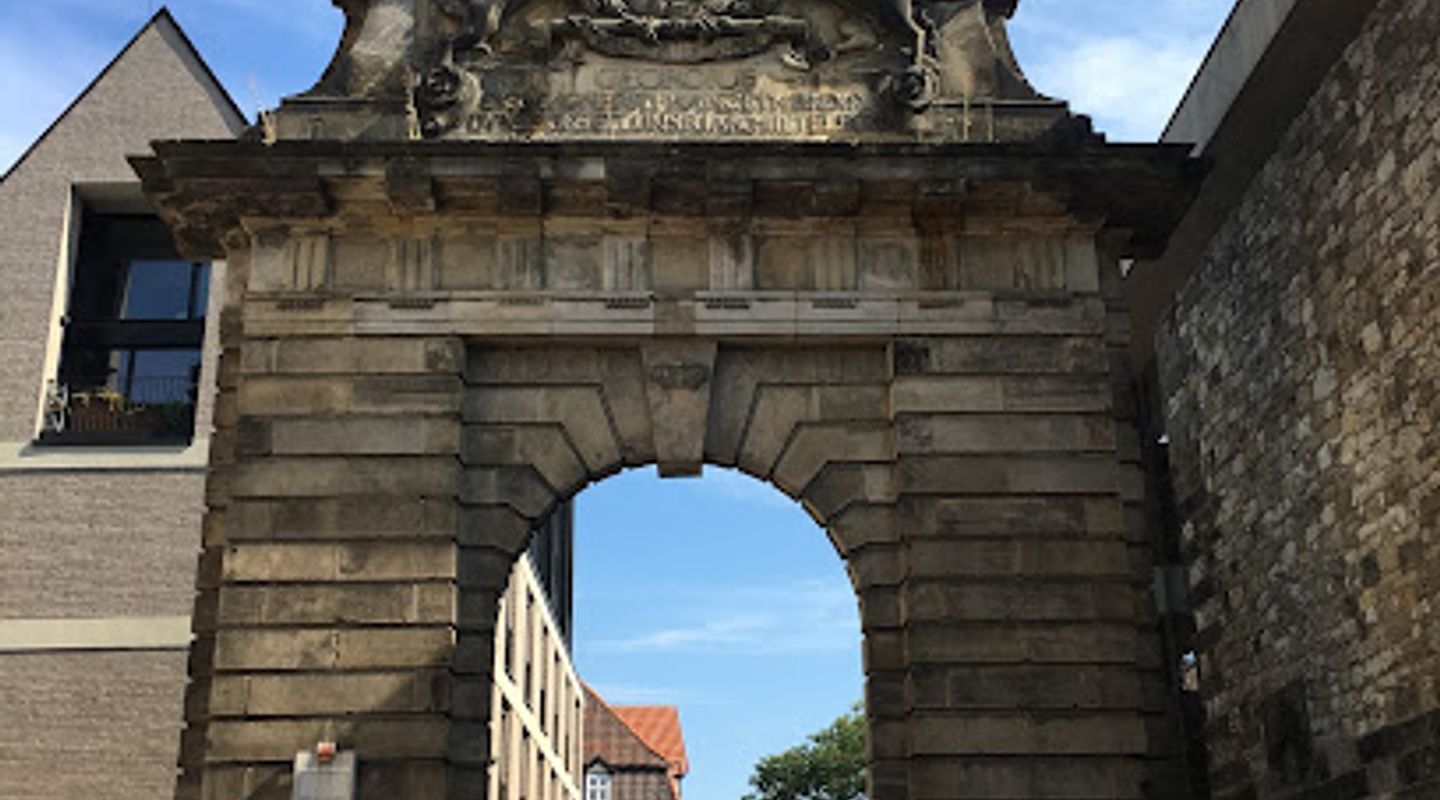
Discover Hanover's royal past at the Marstall Gate, a beautifully preserved Baroque entrance showcasing the city's historical ties to Great Britain and its architectural heritage.
The Marstalltor (Marstall Gate) in Hanover is a beautifully preserved historical landmark, offering a glimpse into the city's rich past. Originally constructed in 1714 as the entrance to the New Stables riding house, it now stands near the Historical Museum on the banks of the Leine River. The gate features the coat of arms of King George I, reflecting Hanover's historical ties to Great Britain. A visit to the Marstalltor provides a unique opportunity to admire Baroque architecture and contemplate the layers of history embedded in this iconic structure. Its proximity to other attractions and the picturesque setting make it a worthwhile stop for any traveler exploring Hanover's cultural heritage, especially those interested in architecture and local history. The gate serves as a reminder of Hanover's royal past and its connection to the British monarchy.
A brief summary to Tor des Marschalls Marstalltor
- Roßmühle, Hanover, Hanover-Mitte, 30159, DE

Know before you go
Hi, I'm Eve. Here are a few practical things to know before exploring Tor des Marschalls Marstalltor.
- Visit on a Saturday morning to experience the vibrant flea market held along the Hohen Ufer near the gate.
- Combine your visit with a trip to the Historisches Museum Hannover to gain deeper insights into the gate's historical context.
- Take a stroll along the Leine River to enjoy scenic views and discover other historical landmarks in the area.
Do you manage this location?
Take control to get all the benefits, like improved information, better appearance, and stronger visibility across AI-powered discovery. Learn more about listing your business on Evendo
Activate your presenceOther nearby places you may find interesting
The closest places of the same kind, if this one is not quite what you had in mind.

Explore Tor des Marschalls Marstalltor on the Map
A handpicked selection of must-see spots near Tor des Marschalls Marstalltor, mapped for you.
Unlock the Best of Tor des Marschalls Marstalltor
Buy tickets
-
No tickets available
Book tours with entry


Book tours without entry

Getting There
-
Public Transport
From Hannover Hauptbahnhof (Central Station), take the U-Bahn line 1 (direction Sarstedt) or line 2 (direction Messe Nord) and get off at Königsworther Platz. From there, walk towards the historical district, taking a right onto Roßmühle. The Marstalltor will be ahead on your left. A single ticket within Hanover costs approximately €2.70.
-
Walking
From Hannover Hauptbahnhof, exit the station and head north towards Ernst-August-Platz. Walk straight along Bahnhofstraße until you reach Georgstraße. Turn right onto Georgstraße and continue until you reach the Aegidienkirche. From there, head towards the old town (Altstadt) and take a left onto Roßmühle. The Marstalltor will be on your right. The walk is approximately 20-25 minutes.
-
Taxi/Ride-Share
A taxi or ride-share from Hannover Hauptbahnhof to the Marstalltor will take approximately 5-10 minutes, depending on traffic. The estimated cost is between €10-€15.
Discover more about Tor des Marschalls Marstalltor
More to explore near Tor des Marschalls Marstalltor













Your all‑in‑one travel companion app
Explore expert travel guides, compare and book tours, experiences, hotels, and more—all from the palm of your hand. Download now for seamless trip planning wherever your wanderlust takes you.


Explore More of Hannover
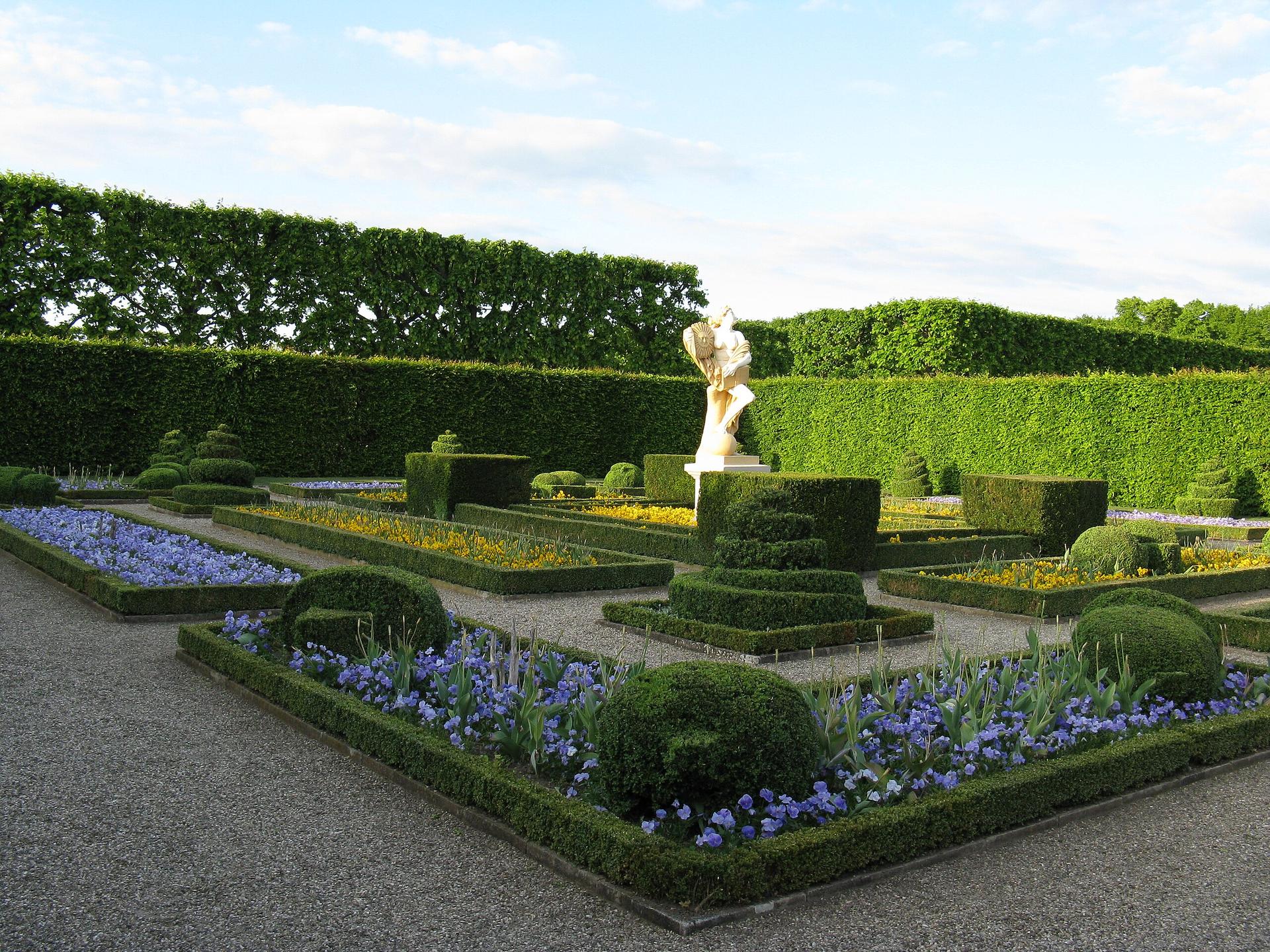
Looking beyond Tor des Marschalls Marstalltor? Discover Hannover for broader travel guides, local hot-spots, and regional highlights.
Explore Hannover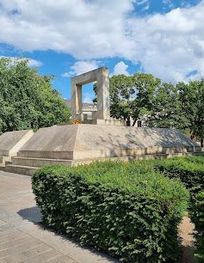
A solemn memorial in Hanover's heart, honoring over 6,800 Jewish citizens murdered in the Holocaust, fostering remembrance and a commitment to tolerance and justice.
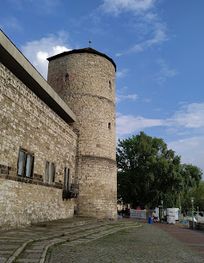
Explore Hannover's medieval past at the Beginenturm, a historic defense tower offering a glimpse into the city's rich heritage and strategic importance on the Hohen Ufer.