

Free Hannover Travel Guide & Mobile App
Plan your Hannover trip with Evendo. Get free guides to top attractions, restaurants, hotels, and bars. Web access or download the mobile app.


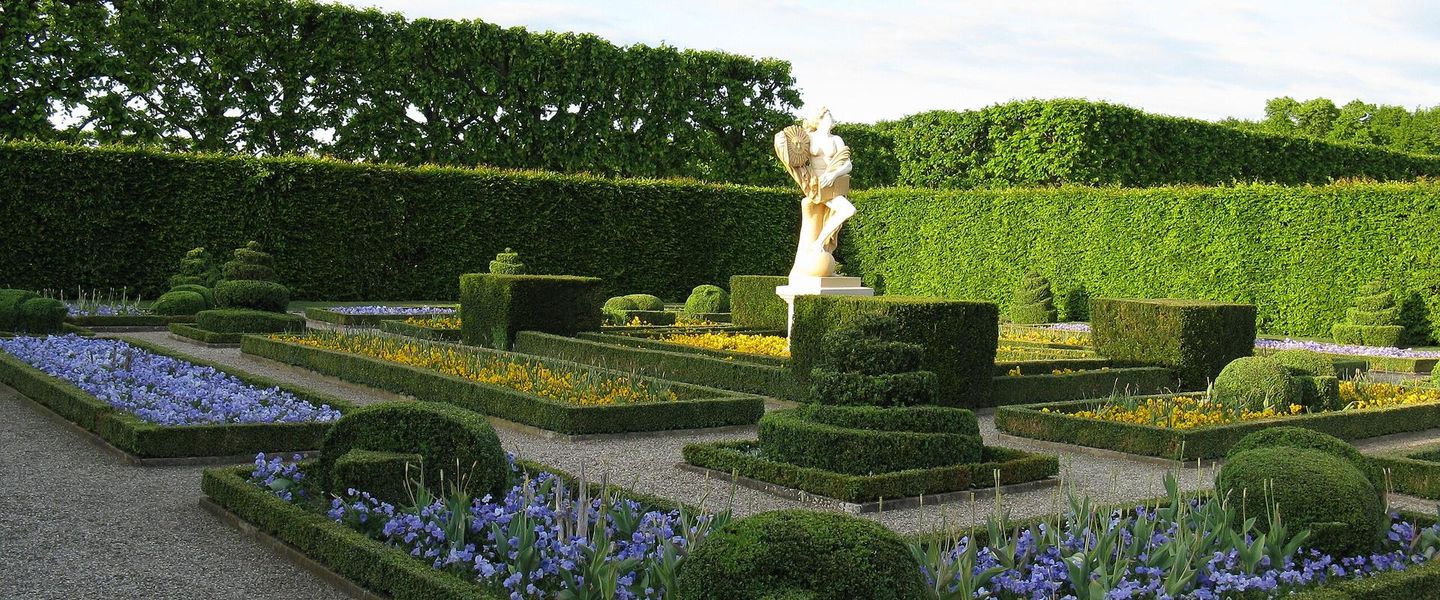


Hannover, Germany, combines royal gardens, museums, trade-fair energy and green urban spaces with easy access to Lower Saxony's cultural sights.
A City Shaped by Gardens and History
Hannover, the capital of Lower Saxony, combines the formality of a former royal residence with the practical energy of a modern German city. Its historic centre was heavily damaged during the Second World War, yet important buildings, reconstructed streets and surviving districts reveal the city's long development from medieval settlement to electoral and royal capital. The Leine River runs through the urban landscape, while broad green spaces make Hannover unusually easy to explore on foot or by bicycle.Read more about Hannover
Culture from Museums to Music
Royal Landscapes and Urban Greenery
When is the best time to visit Hannover?
Best: June–August · 23–25°C| Month | High (°C) | Rainfall (mm) |
|---|---|---|
| January | 3 | 34 |
| February | 3 | 31 |
| March | 8 | 29 |
| April | 13 | 29 |
| May | 19 | 39 |
| June (best) | 23 | 49 |
| July (best) | 25 | 53 |
| August (best) | 24 | 46 |
| September | 20 | 40 |
| October | 15 | 29 |
| November | 10 | 37 |
| December | 6 | 37 |
Getting to and around Hannover
How to get there
Transportation
Best attractions in Hannover
Hannover’s principal attractions range from the formal Herrenhausen Gardens to museums and expansive urban landscapes. The Great Garden presents baroque geometry, fountains and sculpted parterres, while the Berggarten focuses on botanical collections and seasonal planting. In the centre, the Landesmuseum Hannover brings archaeology, natural history and art together, and the Sprengel Museum is noted for modern and contemporary works. The New Town Hall is both a civic building and a popular viewpoint, with an unusual curved lift offering views across the city when operating. The Marktkirche and reconstructed Old Town Hall anchor the historic centre, while the Maschsee provides a broad lakeside setting for walking and cycling. Eilenriede, one of Europe’s extensive urban forests, offers a quieter counterpoint to the commercial centre, and the Roter Faden links many central sights in a marked self-guided route.
-
Zoo
Erlebnis-Zoo Hannover
Explore the enchanting Erlebnis-Zoo Hannover, where wildlife encounters and immersive habitats create a family-friendly adventure in the heart of Germany.
6 min drive · 2.1 km from city centre
-
Garden
Herrenhäuser Gärten
Explore the breathtaking Herrenhäuser Gärten in Hanover, a baroque masterpiece with stunning landscapes, rich history, and serene gardens.
10 min drive · 3.2 km from city centre
-
Tourist attraction
Markthalle Hannover
Experience the flavor and culture of Hannover at Markthalle – a bustling marketplace filled with local produce, international delicacies, and artisanal crafts.
6 min walk · 0.5 km from city centre
-
 Tourist attraction
SEA LIFE Hannover
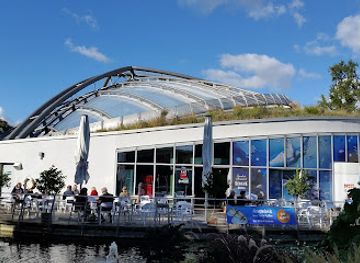
Explore the depths of the ocean at SEA LIFE Hannover, where unforgettable encounters with marine life await you in a captivating aquarium experience.
10 min drive · 3.4 km from city centre


Best landmarks in Hannover
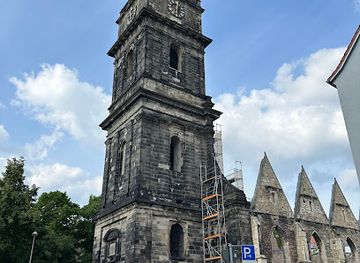
The New Town Hall, completed in 1913, is Hannover’s most recognisable civic landmark, its monumental dome and lakeside setting reflecting the confidence of the late imperial period. The red-brick Marktkirche, begun in the fourteenth century, is the principal historic church in the centre and a distinguished example of North German brick Gothic architecture. Beside it, the Old Town Hall preserves a group of medieval and early modern civic buildings, while the reconstructed Leineschloss marks the city’s Welf and parliamentary history. The Opera House, designed by Georg Ludwig Friedrich Laves, represents the classicist ambitions of nineteenth-century Hannover. Further afield, the Herrenhausen Gardens are an important cultural landscape: their ordered design, waterworks and garden buildings express the courtly world that made Hannover a European dynastic centre.
-
Zoo
Erlebnis-Zoo Hannover
Explore the enchanting Erlebnis-Zoo Hannover, where wildlife conservation meets immersive experiences in a beautifully designed animal park.
6 min drive · 2.1 km from city centre
-
Historical landmark
Herrenhäuser Gärten
Discover centuries of garden art at Herrenhausen Gardens in Hanover, from Baroque splendor to botanical diversity and tranquil landscapes, a royal legacy.
10 min drive · 3.2 km from city centre
-
Tourist attraction
SEA LIFE Hannover
Explore the depths of the ocean at SEA LIFE Hannover, home to over 2,500 marine creatures in captivating exhibits, offering an unforgettable underwater adventure for the whole family near Herrenhäuser Gärten.
10 min drive · 3.4 km from city centre
-
State park
Georgengarten
Discover Hanover's green heart: Georgengarten, a historic English landscape garden offering tranquility, recreation, and cultural gems for an unforgettable experience.
7 min drive · 2.4 km from city centre


Explore Hannover on the map
Plan your Hannover trip on one map. See where the top attractions, landmarks, restaurants, bars and hotels are, find what's near where you're staying, and book hotels and experiences in a few clicks.
Neighbourhoods in Hannover
-

-

-

-

-


Swipe for more neighbourhoods
Best hotels in Hannover
Best restaurants in Hannover
Hannover’s food culture reflects Lower Saxony’s northern German traditions alongside the international character brought by students, industry and trade fairs. Regional cooking includes dishes based on asparagus in season, kale, potatoes, smoked meats and fish, while the city’s bakeries provide German breads, rolls and cakes for breakfast or a quick meal. Traditional restaurants and beer halls can be found around the Old Town, whereas Linden and the Nordstadt offer a broader choice of casual restaurants, cafés and international cuisines. The Markthalle Hannover is a central indoor food market where stalls sell prepared dishes, produce, meat, fish and specialities from different culinary traditions. Coffee and cake remain a familiar afternoon custom, and contemporary restaurants increasingly reinterpret northern ingredients without abandoning the city’s practical, unpretentious dining character.
-
Restaurant
Bavarium Hannover
Experience authentic German cuisine and lively beer garden vibes at Bavarium Hannover - a culinary delight in the heart of Hanover.
3 min walk · 0.3 km from city centre
-
Steak
BLOCK HOUSE Am Kröpcke
Experience exquisite steaks and welcoming ambiance at BLOCK HOUSE Am Kröpcke - the ultimate dining destination in Hannover.
2 min walk · 0.1 km from city centre
-
Greek
Meteora
Discover authentic Greek flavors at Meteora in Hanover – a culinary gem blending Mediterranean delights with a cozy atmosphere.
11 min walk · 0.9 km from city centre
-
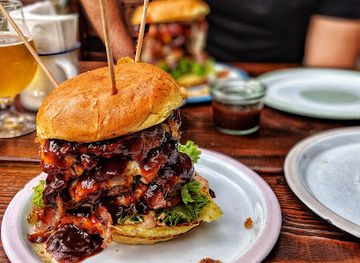
Hamburger
KUHnstWERK
Discover KUHnstWERK in Hannover: where gourmet hamburgers meet fast food flair in an unforgettable dining experience.
5 min walk · 0.4 km from city centre


Best bars in Hannover
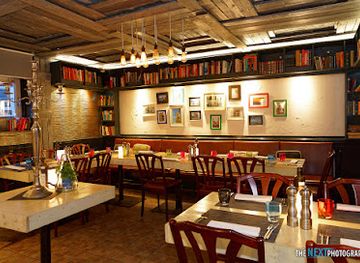
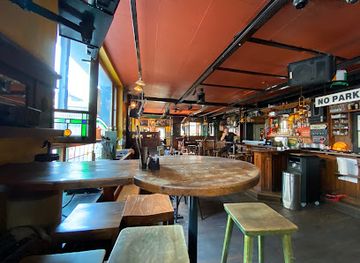
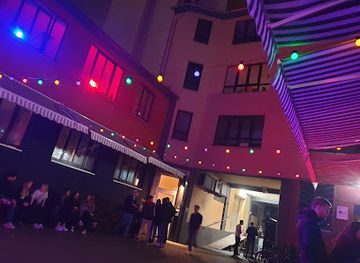
Hannover’s evening life is concentrated in a handful of districts rather than spread evenly across the city. The Old Town has traditional pubs, beer-focused venues and bars close to the Leine, while Linden is known for independent bars, late cafés and a more alternative neighbourhood atmosphere. Nordstadt also attracts students and younger residents with relaxed drinking places and small music venues. The city’s Schauspiel Hannover, Staatsoper Hannover and concert programme provide substantial evening entertainment beyond nightlife, and the Capitol and other venues host touring music and comedy. Larger clubs and late-night venues are found in central entertainment areas, though the scene changes with events, university terms and trade-fair periods. Hannover is not solely a clubbing destination, but it offers a varied evening pattern ranging from quiet conversation to live performance and dancing.
-
Irish pub
Dublin Inn
Discover the vibrant atmosphere of Dublin Inn, an Irish pub in Hanover serving traditional dishes and local brews in a welcoming setting.
5 min walk · 0.4 km from city centre
-
Grill
6 Sinne Sky Bar and Restaurant
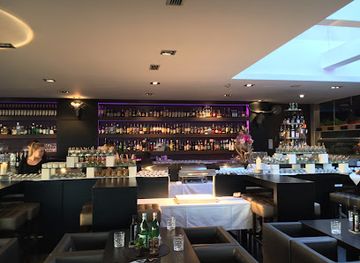
Experience exquisite dining with a view at 6 Sinne Sky Bar and Restaurant in Hannover, where every meal is a celebration of taste and ambiance.
3 min walk · 0.2 km from city centre
-
Restaurant
SAUSALITOS
Experience the vibrant blend of Mexican and Tex-Mex cuisine at Sausalitos in Hanover, where flavor meets fun in a lively atmosphere.
9 min walk · 0.7 km from city centre
-
Irish pub
The Irish Pub
Experience the vibrant spirit of Ireland in the heart of Hanover at The Irish Pub, where traditional food and drinks meet lively atmosphere.
7 min walk · 0.5 km from city centre


Best nightclubs in Hannover
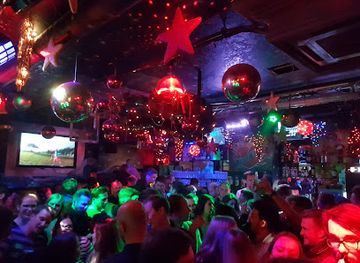
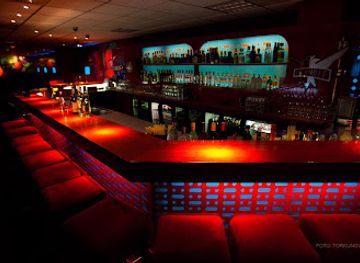
Hannover’s evening life is concentrated in a handful of districts rather than spread evenly across the city. The Old Town has traditional pubs, beer-focused venues and bars close to the Leine, while Linden is known for independent bars, late cafés and a more alternative neighbourhood atmosphere. Nordstadt also attracts students and younger residents with relaxed drinking places and small music venues. The city’s Schauspiel Hannover, Staatsoper Hannover and concert programme provide substantial evening entertainment beyond nightlife, and the Capitol and other venues host touring music and comedy. Larger clubs and late-night venues are found in central entertainment areas, though the scene changes with events, university terms and trade-fair periods. Hannover is not solely a clubbing destination, but it offers a varied evening pattern ranging from quiet conversation to live performance and dancing.
-
Disco club
Sansibar Hannover GmbH
Immerse yourself in Hanover's nightlife at Sansibar, the ultimate disco club and bar experience with electrifying music and vibrant ambiance.
6 min walk · 0.5 km from city centre
-
Night club
Weltspiele
Discover the electrifying atmosphere of Weltspiele, Hanover's top night club, where unforgettable nights and vibrant music await.
15 min walk · 1.2 km from city centre
-
Disco club
Club Weidendamm - Hannover
Discover the heart of Hannover's nightlife at Club Weidendamm, where music, dance, and vibrant energy come together for an unforgettable experience.
15 min walk · 1.2 km from city centre
-
Night club
Infinity Club
Dive into the exhilarating nightlife of Hanover at Infinity Club, where dancing, cocktails, and karaoke merge for the ultimate party experience.
6 min walk · 0.5 km from city centre

Best shops in Hannover
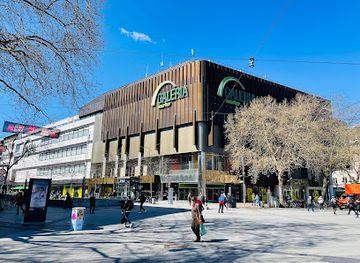
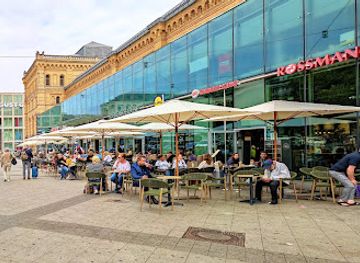
Central shopping is focused around Bahnhofstrasse and Georgstrasse, with department stores, fashion retailers, cafés and pedestrianised sections near Hannover Hauptbahnhof. The Old Town has smaller independent shops, galleries and businesses in historic-looking streets, while Lister Meile extends the retail experience eastwards with everyday shops and local services. For food shopping, Markthalle Hannover offers regional produce, baked goods, prepared dishes and international ingredients under one roof. Linden and Nordstadt are better suited to browsing independent boutiques, second-hand shops, design goods and specialist retailers than to conventional department-store shopping. Visitors seeking locally connected gifts can look for Lower Saxon food products, handmade goods, illustrated prints and regional craft items, while the city’s museums also provide considered alternatives to generic souvenirs.
-
Shopping mall
Ernst-August-Galerie
Explore the Ernst-August-Galerie in Hanover for a delightful shopping experience, diverse dining options, and vibrant events that celebrate local culture.
5 min walk · 0.4 km from city centre
-
Clothing store
Primark
Discover trendy and affordable fashion at Primark in Hanover, the perfect shopping destination for style-savvy tourists.
2 min walk · 0.2 km from city centre
-
Department store
GALERIA Hannover
Discover shopping bliss at GALERIA Hannover, where fashion meets lifestyle in the heart of Hanover, Germany.
2 min walk · 0.2 km from city centre
-
Shopping mall
Einkaufsbahnhof Hannover Hbf
Explore Hannover's vibrant shopping experience at Einkaufsbahnhof, a hub of retail, dining, and culture in the heart of the city.
5 min walk · 0.4 km from city centre


Get your free copy of our complete guide to Hannover, delivered straight to you.
Everything on this page, from attractions and restaurants to essentials and local phrases, in one PDF you can read offline, print or share.
Already have an account? Sign in
Your Hannover guide is ready.
We'll send it to · Not you? Sign out

Getting your guide ready…
We are putting together a fresh copy of the Hannover guide. This can take up to a minute.
This can take a few moments. If your browser asks, choose Allow so the download can start. You'll find the guide in your Downloads folder.
Nothing happened? Download it again
Sorry, the guide is taking longer than usual. Please try again in a minute, or get it by email instead.
Hannover essentials
Currency and Payment
Safety
Emergency Situations
Do's and Don'ts
Local Tips
From Eve
Local phrases worth knowing
You don't need to get them perfect. A few words go a long way, and locals appreciate the effort.
Basics
| English | Local | Say it |
|---|---|---|
| Hello | Hallo | [hah-loh] |
| Goodbye | Auf Wiedersehen | [owf vee-der-zay-en] |
| Yes | Ja | [yah] |
| No | Nein | [nine] |
| Please/You're welcome | Bitte | [bit-teh] |
| Thank you | Danke | [dahn-keh] |
| Excuse me/Sorry | Entschuldigung | [ent-shool-di-gung] |
| How are you? | Wie geht es dir? | [vee gayt es deer] |
| Fine. And you? | Gut. Und dir? | [goot oond deer] |
| Do you speak English? | Sprechen Sie Englisch? | [shpre-khen zee eng-lish] |
| I don't understand | Ich verstehe nicht | [ikh fer-shteh-eh nikht] |
Eating & Drinking
| English | Local | Say it |
|---|---|---|
| I'd like to see the menu, please | Ich möchte die Speisekarte sehen, bitte | [ikh merkh-teh dee spay-zuh-kar-teh zay-en, bit-teh] |
| I don't eat meat | Ich esse kein Fleisch | [ikh ess-eh kine flysh] |
| Cheers! | Prost! | [prohst] |
| I would like to pay, please | Ich möchte bezahlen, bitte | [ikh merkh-teh bey-zahl-en, bit-teh] |
Emergencies
| English | Local | Say it |
|---|---|---|
| Help! | Hilfe! | [hil-feh] |
| Go away! | Geh weg! | [gay vekh] |
| Call the Police! | Rufen Sie die Polizei! | [roo-fen zee dee poh-lee-tsay] |
| Call a doctor! | Rufen Sie einen Arzt! | [roo-fen zee eye-nen artsht] |
| I'm lost | Ich habe mich verirrt | [ikh hah-beh meesh feh-rirt] |
| I'm ill | Ich bin krank | [ikh been krank] |
Shopping
| English | Local | Say it |
|---|---|---|
| I'd like to buy... | Ich möchte kaufen... | [ikh merkh-teh kow-fen] |
| I'm just looking | Ich schaue nur | [ikh show-eh noor] |
| How much is it? | Wie viel kostet es? | [vee feel koss-tet es] |
| That's too expensive | Das ist zu teuer | [dahs ist tsoy toy-er] |
| Can you lower the price? | Können Sie den Preis senken? | [kern-en zee den prys zeng-ken] |
Time & Numbers
| English | Local | Say it |
|---|---|---|
| What time is it? | Wie spät ist es? | [vee shpet ist es] |
| It's one o'clock | Es ist ein Uhr | [es ist ine oor] |
| Half past (10) | Halb elf | [halb elf] |
| Morning | Morgen | [mohr-gen] |
| Afternoon | Nachmittag | [nakh-mit-tahg] |
| Evening | Abend | [ah-bent] |
| Yesterday | Gestern | [ges-tern] |
| Today | Heute | [hoi-teh] |
| Tomorrow | Morgen | [mohr-gen] |
| 1 | Eins | [ines] |
| 2 | Zwei | [tsvai] |
| 3 | Drei | [dry] |
| 4 | Vier | [feer] |
| 5 | Fünf | [fuhnf] |
| 6 | Sechs | [zeks] |
| 7 | Sieben | [zee-ben] |
| 8 | Acht | [ahkt] |
| 9 | Neun | [noyn] |
| 10 | Zehn | [tsayn] |
Transport & Directions
| English | Local | Say it |
|---|---|---|
| Where's a/the...? | Wo ist ein/der...? | [vo ist ine/dehr] |
| What's the address? | Was ist die Adresse? | [vas ist dee ah-dreh-seh] |
| Can you show me (on the map)? | Können Sie mir zeigen (auf der Karte)? | [kern-en zee meer tsey-gen (owf dehr kar-teh)] |
| When's the next (bus)? | Wann fährt der nächste (Bus)? | [vahn fahrt dehr nekhs-teh (boos)] |
| A ticket (to ....) | Eine Fahrkarte (nach ....) | [i-ne fahr-kar-teh (nakh)] |
History of Hannover
Medieval Origins beside the Leine
Hannover developed beside the Leine River during the medieval period, growing from a settlement associated with the market and crossing routes of the region. The name is generally connected with the original settlement known as vicus Hannovere, which gained town rights in the thirteenth century. Trade, craft production and river commerce helped the town expand, while its position within the territory of the Welf dynasty shaped its political importance. The Marktkirche and the Old Town Hall, both begun in the fifteenth century, remain the clearest architectural reminders of the late medieval town. Their North German brick Gothic forms reflect the materials and trading culture of the wider region.
The Welf Residence Takes Shape
From the seventeenth century, Hannover became increasingly important as a Welf residence. The construction of Leineschloss, begun in the seventeenth century and repeatedly altered, expressed the ambitions of the ruling dynasty. Court culture encouraged architectural projects, music and artistic patronage, while the surrounding town expanded beyond its medieval core. The Herrenhausen estate became especially significant under Duke Johann Friedrich, who developed the Great Garden from the 1670s onwards. Its formal parterres, geometric avenues, fountains and theatre embodied the European baroque ideal of a prince shaping nature into an ordered landscape.
Electorate and Royal Connections
In 1692, Ernest Augustus, Duke of Brunswick-Lüneburg, was granted the electoral dignity of the Holy Roman Empire, elevating Hannover’s dynastic standing. The succession of Elector Georg Ludwig to the British throne as George I in 1714 created a personal union between Great Britain and Hannover that lasted until 1837. Hannover remained the continental seat of the dynasty, although the British monarchs generally spent limited time there. The connection brought international political significance and left a lasting imprint on the city’s identity, while Herrenhausen continued to develop as a court landscape and cultural setting.
Reform, Industry and Urban Expansion
The nineteenth century brought administrative reform, industrialisation and major urban growth. The personal union with Britain ended in 1837 when Queen Victoria inherited the British throne and the succession laws of Hannover excluded women; her uncle Ernest Augustus became King of Hannover. Railway connections, engineering and manufacturing then accelerated the city’s expansion. Georg Ludwig Friedrich Laves shaped the royal and civic landscape through buildings and ensembles including the Opera House, Leineschloss alterations and the Waterloo Column. His classicist work helped give the growing capital a more coherent public face beyond the medieval centre.
War, Destruction and Reconstruction
Hannover suffered extensive aerial destruction during the Second World War, particularly in the historic centre and industrial areas. Many medieval and early modern buildings were lost, and post-war reconstruction frequently prioritised traffic movement and modern urban planning over complete restoration. Nevertheless, important structures survived or were rebuilt, including the Marktkirche, the Old Town Hall and the reconstructed Leineschloss. The result is a city centre in which fragments of the old town stand alongside post-war streets and later architecture, making the visible urban landscape a direct record of twentieth-century rupture and renewal.
A Modern Capital and Exhibition City
After 1945, Hannover developed as the political capital of Lower Saxony and as a major centre for industry, engineering, culture and trade fairs. The Deutsche Messe site became one of the city’s defining institutions, hosting international exhibitions and contributing to its global business profile. Cultural rebuilding included the development of museums, theatres and modern art institutions, while large projects such as the Maschsee and the green belt of parks reinforced Hannover’s reputation for open urban space. Contemporary Hannover therefore rests on several layers: Welf heritage, industrial ambition, post-war reconstruction and a strong commitment to public culture and landscape.
Hannover in Photos
Browse through our photo collection highlighting the charm and character of the destination.
Cities near Hannover
The closest cities to Hannover, if you have time for more than one stop.
-

-

-

-

-


Swipe for more cities

