

Göttingen Seven Monument, Hannover Travel Guide
Honoring the Göttingen Seven: A monument to academic freedom and civil courage in Hanover, Germany, commemorating their 1837 protest against royal authority.
The Göttingen Seven Monument in Hanover commemorates a pivotal moment in German history. In 1837, seven courageous professors from the University of Göttingen protested against King Ernst August's annulment of the liberal constitution of the Kingdom of Hanover. This act of defiance against royal authority, led by historian Friedrich Christoph Dahlmann, resulted in the dismissal of all seven professors, with three being exiled. The monument, a striking bronze sculpture, depicts the professors in various states of defiance and exile, symbolizing their struggle for academic and political freedom. Located in the heart of Hanover, the monument serves as a reminder of the importance of civil courage and the enduring quest for democracy, making it a significant landmark for visitors interested in German history and the fight for liberty.
A brief summary to Göttingen Seven Monument
- Platz d. Göttinger Sieben, Hanover, Hanover-Mitte, 30159, DE

Know before you go
Hi, I'm Eve. Here are a few practical things to know before exploring Göttingen Seven Monument.
- Take time to read the inscriptions and learn about each professor's role in the protest for a deeper understanding of the monument's significance.
- Visit the monument during the day to fully appreciate the intricate details of the bronze sculptures and the surrounding memorial park.
- Combine your visit with a walk through Hanover's city center to explore other historical landmarks and cultural attractions.
- Consider joining a guided tour of Hanover to gain additional insights into the history and context of the Göttingen Seven Monument.
Do you manage this location?
Take control to get all the benefits, like improved information, better appearance, and stronger visibility across AI-powered discovery. Learn more about listing your business on Evendo
Activate your presenceOther nearby places you may find interesting
The closest places of the same kind, if this one is not quite what you had in mind.
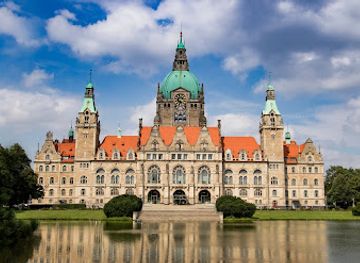

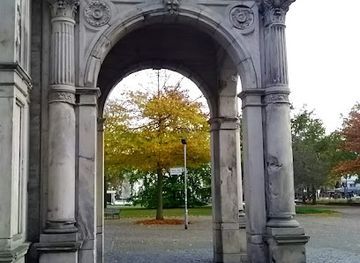
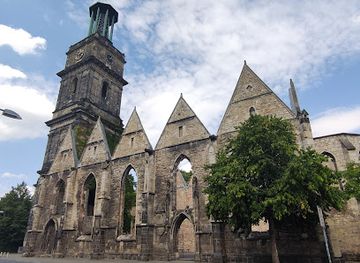
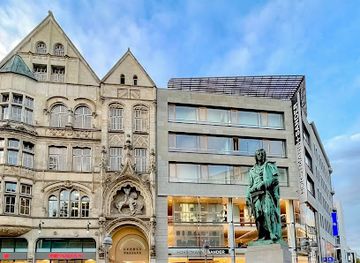
Explore Göttingen Seven Monument on the Map
A handpicked selection of must-see spots near Göttingen Seven Monument, mapped for you.
Getting There
-
Public Transport
The Göttingen Seven Monument is easily accessible via Hanover's efficient public transport system. From Hannover Hauptbahnhof (main train station), take any U-Bahn (subway) line heading towards the city center (e.g., lines 1, 2, 3, 7, 8, or 9) and disembark at the Kröpcke station. From Kröpcke, it's a short walk of approximately 5 minutes to Platz der Göttinger Sieben. Alternatively, several bus lines stop near the monument. A single ticket for a short trip (Kurzstrecke) within the city zone costs around €1.50, while a single ticket for one zone costs approximately €2.70. Consider purchasing a day ticket for €5.40 if you plan to use public transport extensively throughout the day.
-
Walking
If you are already in Hanover's city center, walking to the Göttingen Seven Monument is a pleasant option. From the Marktkirche (Market Church), head east towards the Lower Saxony State Parliament (Niedersächsischer Landtag). The monument is located directly in front of the Parliament building on Platz der Göttinger Sieben. The walk is approximately 10 minutes and offers a chance to see other notable landmarks along the way.
-
Taxi/Ride-Share
Taxis and ride-sharing services are readily available in Hanover. A short taxi ride from Hannover Hauptbahnhof to the Göttingen Seven Monument typically costs between €8 and €12, depending on traffic and the specific route. Ride-sharing services like Uber or Bolt may offer slightly lower fares. Be sure to confirm the fare with the driver or through the app before starting your journey.
Discover more about Göttingen Seven Monument
More to explore near Göttingen Seven Monument













Your all‑in‑one travel companion app
Explore expert travel guides, compare and book tours, experiences, hotels, and more—all from the palm of your hand. Download now for seamless trip planning wherever your wanderlust takes you.


Explore More of Hannover
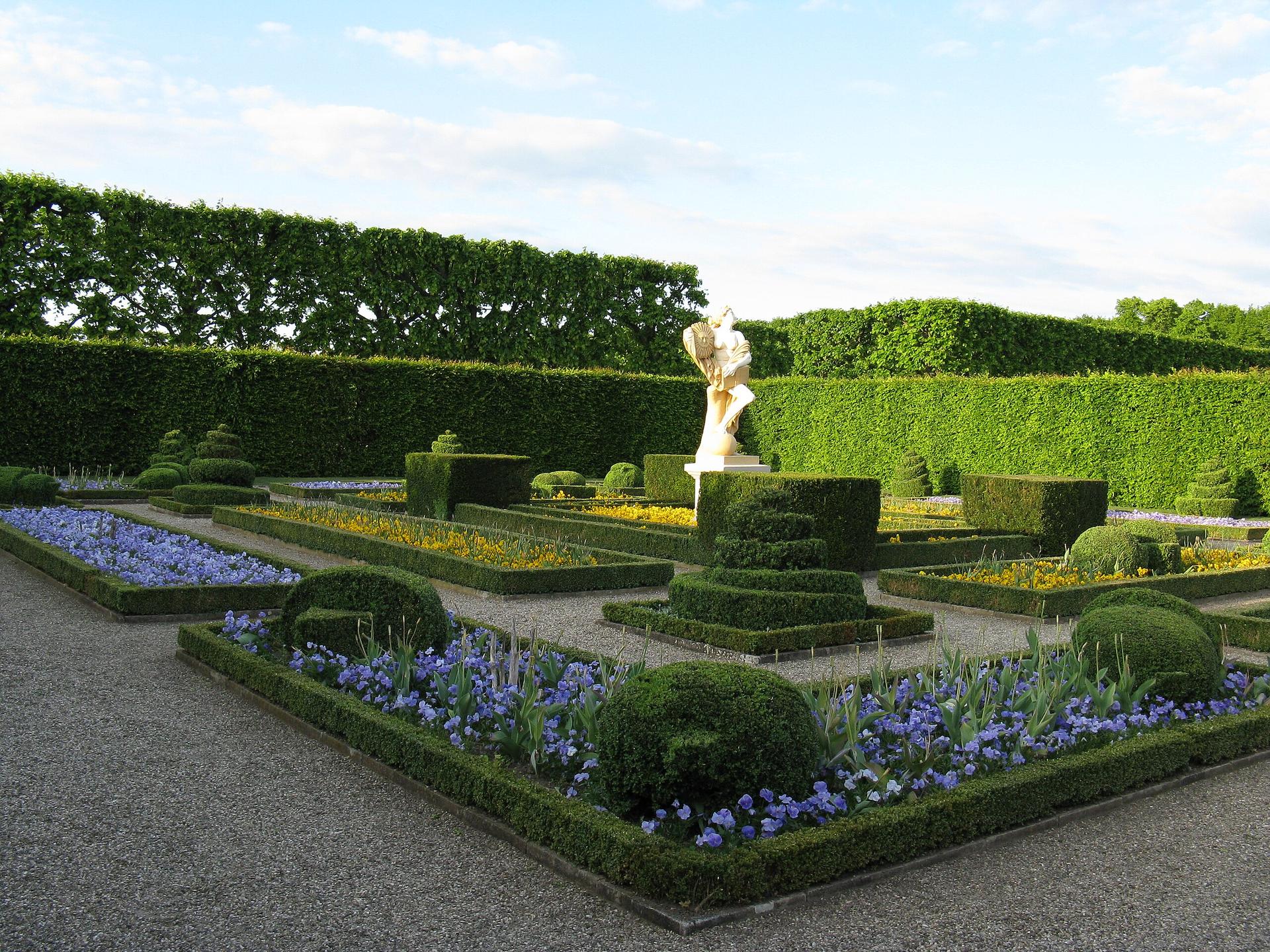
Looking beyond Göttingen Seven Monument? Discover Hannover for broader travel guides, local hot-spots, and regional highlights.
Explore Hannover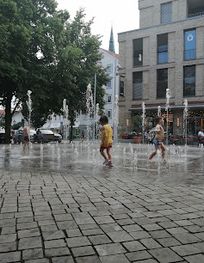
Experience the refreshing charm of Marstall-Brunnen in Hannover, a modern water oasis offering playful jets, vibrant colors, and a central gathering place for all.
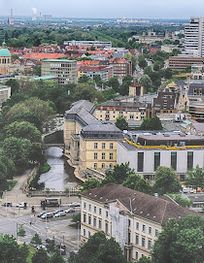
Explore Hannover's Leineschloss: A historic palace turned parliament, blending centuries of royalty and political power in the heart of the city.
