
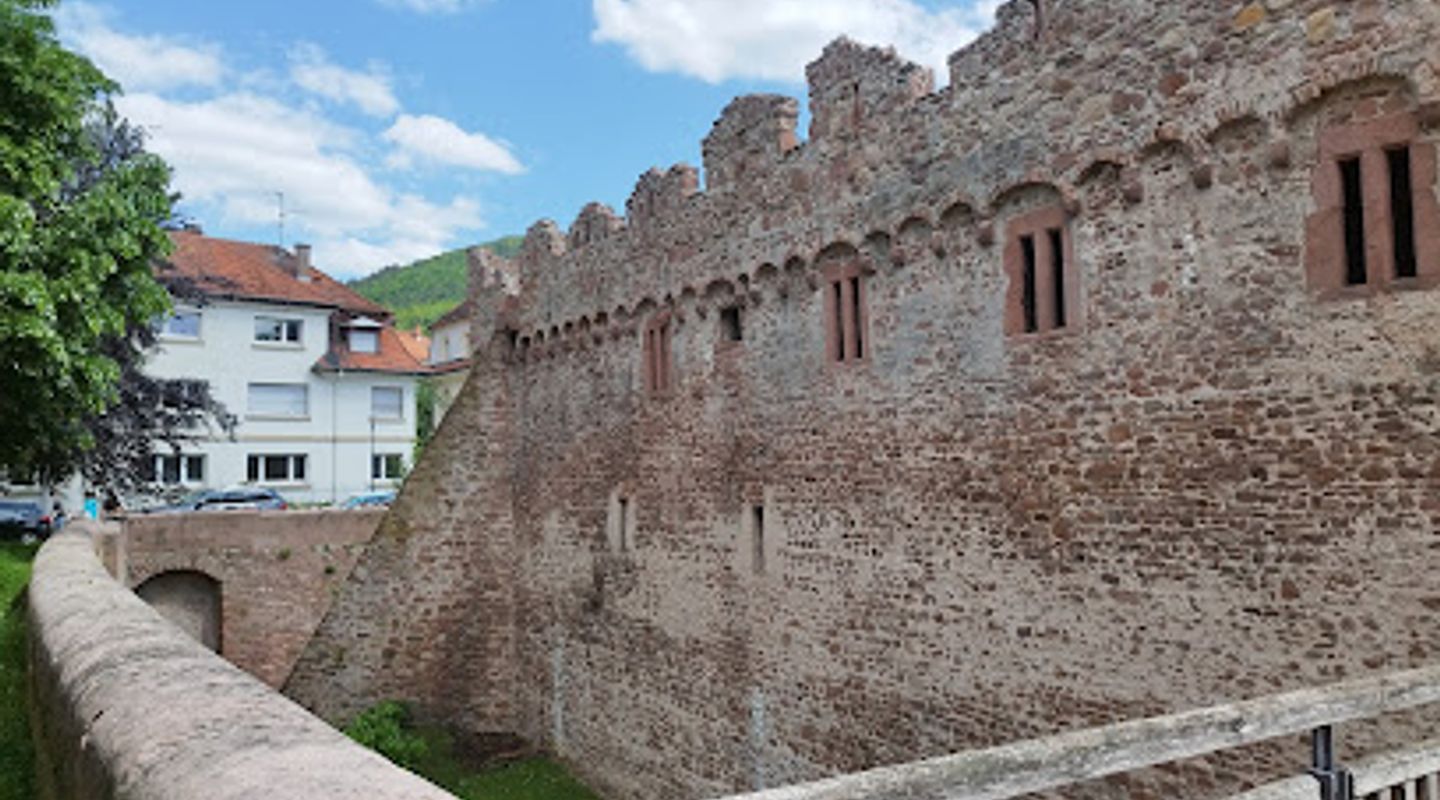
Handschuhsheim, Tiefburg, Heidelberg Travel Guide
Discover the Tiefburg in Heidelberg-Handschuhsheim: A captivating medieval castle offering a unique glimpse into the region's rich history and vibrant local culture.
The Tiefburg, nestled in Heidelberg's Handschuhsheim district, offers a captivating journey into the Middle Ages. This former moated castle, though partially ruined, exudes a palpable sense of history, far from the bustling tourist crowds of Heidelberg's more famous castle. Originally built in the 12th century, the Tiefburg witnessed centuries of noble residence, warfare, and eventual restoration. Explore its sturdy walls, imagine the drawbridge that once spanned the moat, and discover the stories etched into its stones. Today, the Tiefburg hosts local events and a weekly market, blending historical charm with vibrant community life. A visit promises a unique perspective on Heidelberg's rich heritage, away from the beaten path, and a chance to experience the authentic atmosphere of Handschuhsheim.
A brief summary to Handschuhsheim, Tiefburg
- Tiefburg, Dossenheimer Landstraße 6, Heidelberg, Handschuhsheim, 69121, DE
- Click to display
- Click to display

Know before you go
Hi, I'm Eve. Here are a few practical things to know before exploring Handschuhsheim, Tiefburg.
- Visit on a Saturday morning to experience the weekly market in the Tiefburg courtyard, offering local produce and crafts.
- Check the Stadtteilverein Handschuhsheim website for upcoming events and festivals held at the Tiefburg.
- Explore the surrounding Handschuhsheim district, including the Schlösschen, Graham Park, and St. Vitus Church, for a complete historical experience.
Do you manage this location?
Take control to get all the benefits, like improved information, better appearance, and stronger visibility across AI-powered discovery. Learn more about listing your business on Evendo
Activate your presenceOther nearby places you may find interesting
The closest places of the same kind, if this one is not quite what you had in mind.

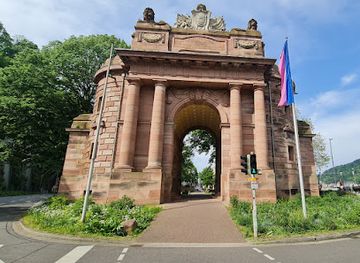
Explore Handschuhsheim, Tiefburg on the Map
A handpicked selection of must-see spots near Handschuhsheim, Tiefburg, mapped for you.
Getting There
-
Public Transport
From Heidelberg's city center (e.g., Bismarckplatz), take tram lines 21, 23, 24, or 5 towards Handschuhsheim. Get off at the 'Hans-Thoma-Platz' stop. From there, walk northeast for a few minutes, following the signs to Tiefburg. A single tram fare costs approximately €3.40.
-
Taxi/Ride-Share
A taxi or ride-share from Heidelberg's city center to Tiefburg takes approximately 5-10 minutes, depending on traffic. Expect to pay around €12-€15 for the ride.
-
Driving
If driving, navigate to Dossenheimer Landstraße 6, 69121 Heidelberg. Parking near the Tiefburg is limited. Street parking is available, but it can be difficult to find a spot, especially during events or market days. Consider parking in nearby residential streets and walking a short distance. Parking fees, if applicable, vary but typically range from €1.50 per hour, with daily maximums between €12 and €20 in central Heidelberg. Always check local signage for current rates and restrictions.
Discover more about Handschuhsheim, Tiefburg
More to explore near Handschuhsheim, Tiefburg













Your all‑in‑one travel companion app
Explore expert travel guides, compare and book tours, experiences, hotels, and more—all from the palm of your hand. Download now for seamless trip planning wherever your wanderlust takes you.


Explore More of Heidelberg
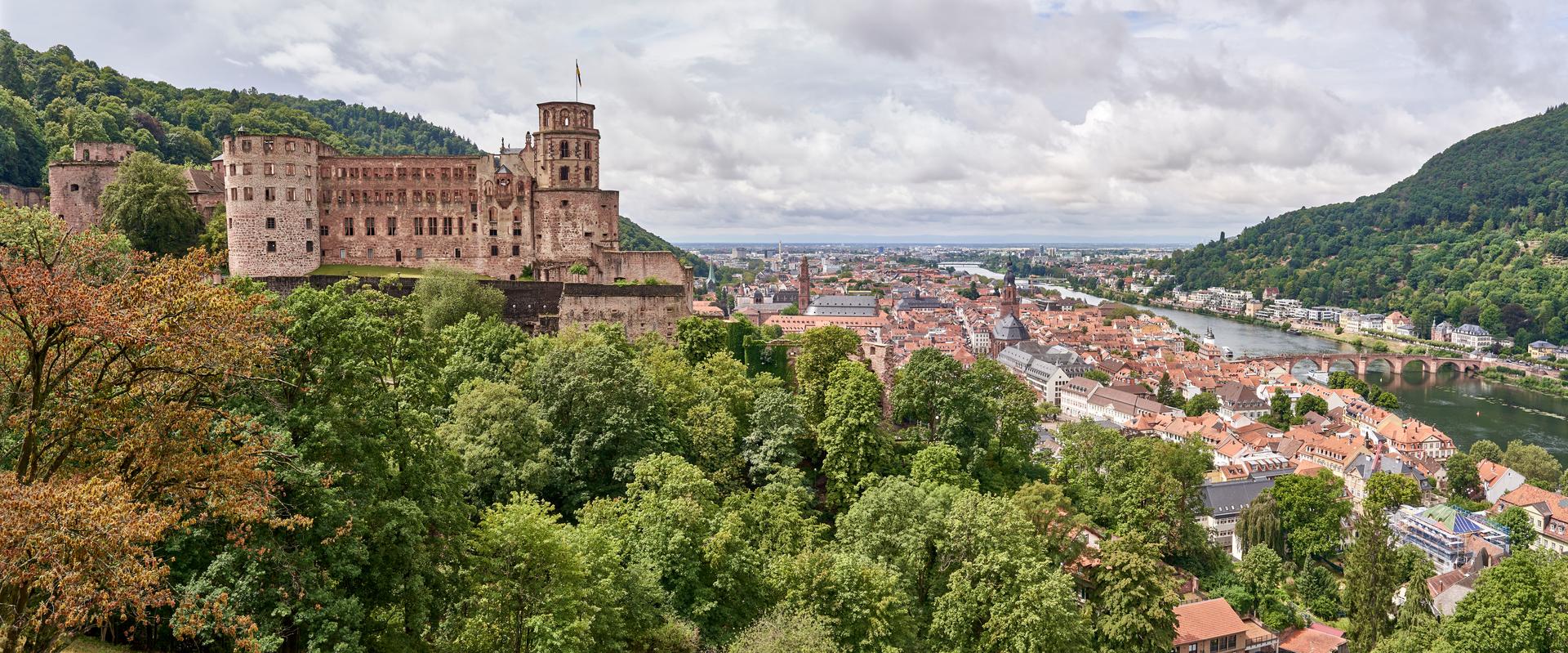
Looking beyond Handschuhsheim, Tiefburg? Discover Heidelberg for broader travel guides, local hot-spots, and regional highlights.
Explore Heidelberg