

Free Heidelberg Travel Guide & Mobile App
Plan your Heidelberg trip with Evendo. Get free guides to top attractions, restaurants, hotels, and bars. Web access or download the mobile app.


Heidelberg combines a romantic castle, Germany’s oldest university, riverside walks and Neckar Valley scenery with lively culture and historic streets.
A University City on the Neckar
Heidelberg lies in south-west Germany, where the wooded slopes of the Odenwald rise above the River Neckar. Its compact Altstadt, or Old Town, stretches between the river and the lower slopes of the Königstuhl, with the long Hauptstraße linking market squares, churches, museums and independent shops. The city is shaped by the Ruprecht Karl University, founded in 1386, whose students and scholars have given Heidelberg an enduring intellectual character.Read more about Heidelberg
Castle, Bridges and Romantic Landscapes
Historic Streets and Contemporary Life
When is the best time to visit Heidelberg?
Best: June–August · 23–25°C| Month | High (°C) | Rainfall (mm) |
|---|---|---|
| January | 5 | 36 |
| February | 7 | 33 |
| March | 12 | 38 |
| April | 16 | 42 |
| May | 20 | 72 |
| June (best) | 23 | 80 |
| July (best) | 25 | 64 |
| August (best) | 25 | 64 |
| September | 20 | 56 |
| October | 16 | 46 |
| November | 11 | 43 |
| December | 7 | 38 |
Getting to and around Heidelberg
How to get there
Transportation
Best attractions in Heidelberg
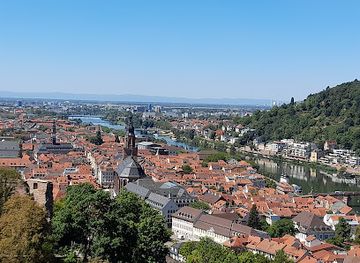
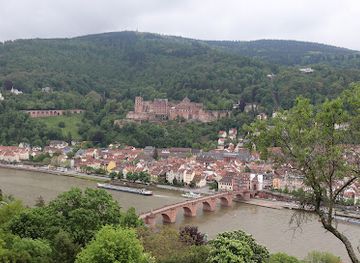
Heidelberg's principal sightseeing experiences centre on the compact Altstadt and its dramatic hillside setting. Heidelberg Castle combines palace ruins, terraces and the German Pharmacy Museum with wide views over the Neckar; the funicular makes the ascent easier, while walkers can use the historic route through the forest. In the Old Town, the Church of the Holy Spirit, Studentenkarzer and Kurpfälzisches Museum reveal different aspects of religious, academic and civic history. Crossing the Old Bridge links the dense historic centre with the Philosophenweg, where a wooded path opens views back towards the castle and rooftops. The Neckar can be enjoyed from riverside promenades, boat cruises and cycle routes, while the Heiligenberg offers archaeological remains and woodland walks across the river. The university districts and Neuenheim add museums, gardens and a more residential side of the city.
-
Castle
Heidelberg Castle
Discover the enchanting Heidelberg Castle, a stunning Renaissance fortress with breathtaking views, rich history, and captivating gardens in Germany's scenic landscape.
9 min walk · 0.7 km from city centre
-
Bridge
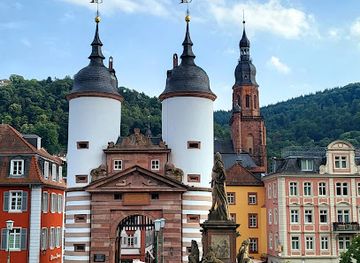
Old Bridge Heidelberg
Discover the charm of Heidelberg's Old Bridge, a historic landmark offering breathtaking views, rich history, and a vibrant cultural scene.
8 min walk · 0.6 km from city centre
-
Zoo
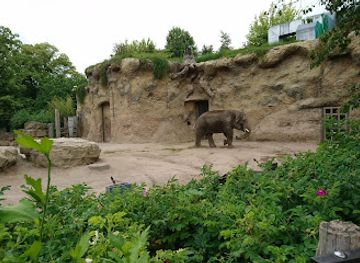
Heidelberg Zoo
Discover the enchanting Heidelberg Zoo, a family-friendly destination featuring over 1,000 animals and lush landscapes in the heart of Germany.
12 min drive · 3.8 km from city centre
-
Castle
Schwetzingen Palace
Explore Schwetzingen Palace: A Baroque masterpiece with stunning gardens and rich history in the heart of Germany.
31 min drive · 11 km from city centre



Best landmarks in Heidelberg
Heidelberg Castle is the city's defining landmark, a complex of Gothic and Renaissance buildings altered by war, fire and later restoration, with the Great Tun and terraces overlooking the valley. Below it, the Old Bridge, formally the Karl Theodor Bridge, marks the historic crossing of the Neckar; its bridge gates recall the medieval town fortifications, while the present stone structure dates from the late 18th century. The Church of the Holy Spirit dominates the Marktplatz and has served both Catholic and Protestant communities during Heidelberg's religious history. The Old University and University Square represent the city's long academic tradition, while the Baroque buildings of the Old Town reflect reconstruction after the devastations of the 17th century. The Student Prison, or Studentenkarzer, preserves a more intimate piece of university history within this historic setting.
-
Castle
Heidelberg Palace
Explore the majestic ruins of Heidelberg Palace, a symbol of German Romanticism, and discover centuries of history, stunning architecture, and breathtaking views overlooking the Neckar Valley.
9 min walk · 0.7 km from city centre
-
Tourist attraction
Old Bridge Heidelberg
Walk across Heidelberg's iconic Old Bridge, a historic sandstone landmark offering stunning views of the city, the Neckar River, and Heidelberg Castle, connecting the past and present.
8 min walk · 0.6 km from city centre
-
Historical market square
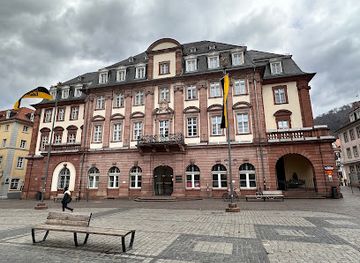
Heidelberger Marktplatz
Experience the heart of Heidelberg's Old Town at the Marktplatz, a historic square brimming with architectural wonders, vibrant markets, and a captivating atmosphere that embodies the city's spirit.
9 min walk · 0.7 km from city centre
-
Tourist attraction
Philosophers' Way
Discover Heidelberg's soul on the Philosophenweg: panoramic views, historic gardens, and a tranquil escape await along this iconic path once favored by intellectuals.
9 min walk · 0.7 km from city centre
Explore Heidelberg on the map
Plan your Heidelberg trip on one map. See where the top attractions, landmarks, restaurants, bars and hotels are, find what's near where you're staying, and book hotels and experiences in a few clicks.
Neighbourhoods in Heidelberg
-

-

-


Swipe for more neighbourhoods
Best hotels in Heidelberg
Best restaurants in Heidelberg
Heidelberg's dining scene reflects Baden and the wider Palatinate, with hearty regional cooking alongside international and student-oriented cafés. Menus may feature dishes such as seasonal asparagus, Maultaschen, Käsespätzle and trout from the surrounding region, while local wines from the Rhine-Neckar area and nearby Baden vineyards are common companions. Traditional eateries and beer gardens are concentrated around the Altstadt, particularly near the Hauptstraße and Untere Straße, whereas Neuenheim and the university quarters provide cafés, bakeries and informal restaurants with a younger atmosphere. Weekly markets and food stalls offer bread, cakes, produce and regional specialities rather than a single defining street-food tradition. Contemporary restaurants increasingly use local ingredients, yet the most characteristic meals are often found in relaxed taverns where regional dishes meet the sociable, unhurried pattern of south-west German dining.
-
Restaurant
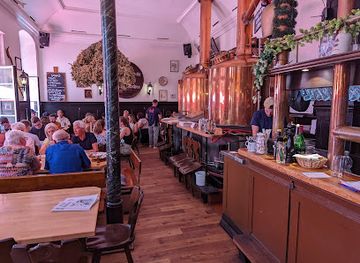
Vetter's Alt Heidelberger Brauhaus
Discover the heart of Heidelberg at Vetter's Alt Heidelberger Brauhaus—where traditional German brewing meets hearty cuisine.
9 min walk · 0.7 km from city centre
-
Steak
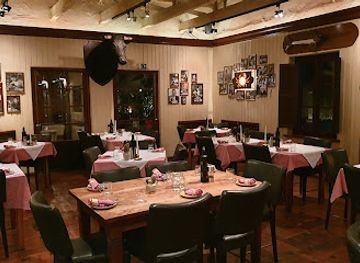
Heid's Grill & Restaurant
Discover culinary excellence at Heid's Grill & Restaurant in Heidelberg—where succulent steaks meet a warm atmosphere for unforgettable dining.
12 min drive · 4.0 km from city centre
-
Lebanese
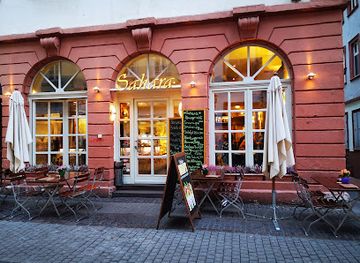
Sahara Restaurant
Experience authentic Lebanese flavors at Sahara Restaurant in Heidelberg – a must-visit culinary destination offering diverse vegan options.
11 min walk · 0.9 km from city centre
-
Restaurant
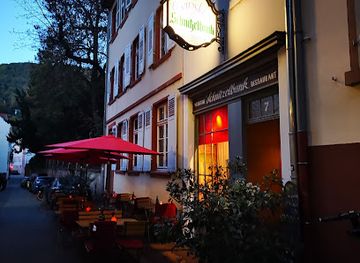
Weinstube Schnitzelbank
Experience authentic German cuisine at Weinstube Schnitzelbank in Heidelberg - where tradition meets flavor in a cozy atmosphere.
15 min walk · 1.2 km from city centre
Best bars in Heidelberg
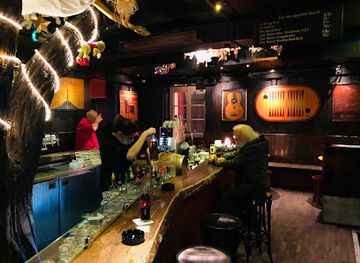
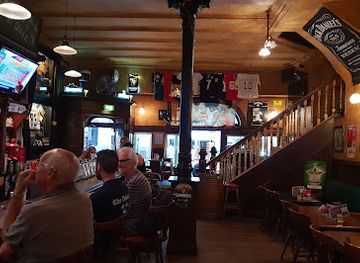
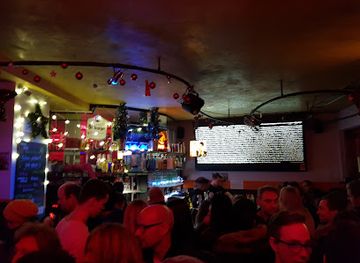
After dark, Heidelberg's evening life is shaped by its university population, compact Old Town and riverside setting rather than by a large-club scene. Untere Straße is the best-known nightlife street, lined with pubs, student bars and casual venues where evenings often begin over regional beer or wine. Around the Hauptstraße and adjoining lanes, cafés and cocktail bars provide quieter alternatives, while theatres, concert halls and university events broaden the cultural programme. Live music and small performance spaces appear at different venues over the year, and seasonal festivals can bring outdoor entertainment to squares and riverfront areas. The city is walkable at night, but visitors should respect residential streets and take care around cycle lanes, uneven paving and the river. Opening patterns vary considerably with university terms, weekdays and seasonal programming.
-
Restaurant
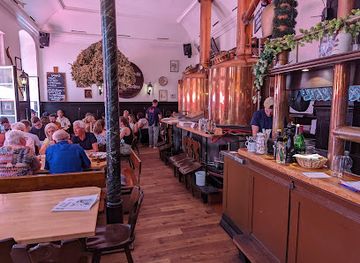
Vetter's Alt Heidelberger Brauhaus
Discover the essence of Heidelberg's brewing culture at Vetter's Alt Heidelberger Brauhaus, where tradition meets flavor in a vibrant atmosphere.
9 min walk · 0.7 km from city centre
-
Irish pub
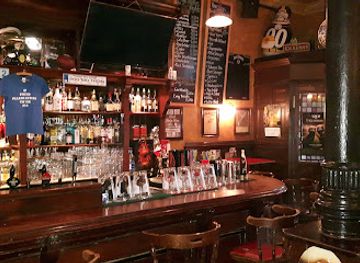
The Dubliner Hotel and Irish Pub
Discover authentic Irish culture at The Dubliner Hotel and Irish Pub in Heidelberg, where lively music and delicious food await every visitor.
15 min walk · 1.2 km from city centre
-
Bar
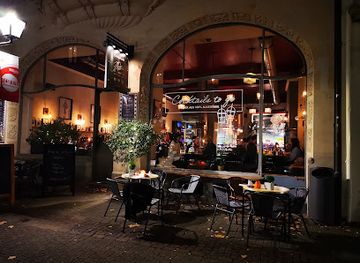
Cocktail-Café Regie
Discover Cocktail-Café Regie in Heidelberg: a delightful bar and café offering a wide range of cocktails in a cozy atmosphere in the heart of the old town.
15 min walk · 1.2 km from city centre
-
Bar
Destille
Experience the lively ambiance and extensive drink selection at Destille, Heidelberg's premier bar for tourists and locals alike.
11 min walk · 0.9 km from city centre
Best nightclubs in Heidelberg
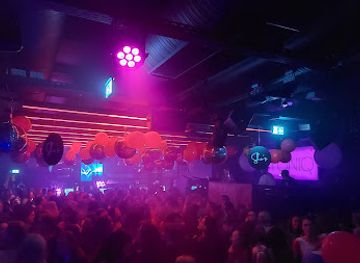
After dark, Heidelberg's evening life is shaped by its university population, compact Old Town and riverside setting rather than by a large-club scene. Untere Straße is the best-known nightlife street, lined with pubs, student bars and casual venues where evenings often begin over regional beer or wine. Around the Hauptstraße and adjoining lanes, cafés and cocktail bars provide quieter alternatives, while theatres, concert halls and university events broaden the cultural programme. Live music and small performance spaces appear at different venues over the year, and seasonal festivals can bring outdoor entertainment to squares and riverfront areas. The city is walkable at night, but visitors should respect residential streets and take care around cycle lanes, uneven paving and the river. Opening patterns vary considerably with university terms, weekdays and seasonal programming.
-
Irish pub
The Dubliner Hotel and Irish Pub
Discover the vibrant atmosphere of The Dubliner Hotel and Irish Pub, where authentic Irish culture meets Heidelberg's charm with live music, hearty meals, and a lively beer garden.
15 min walk · 1.2 km from city centre
-
Pub
Musikkneipe Eckstein - Heidelberg
Experience the heartbeat of Heidelberg's nightlife at Musikkneipe Eckstein, a renowned pub for rock music, vibrant atmosphere, and diverse drinks.
10 min walk · 0.8 km from city centre
-
Disco club
Toniq Club - Heidelberg
Discover the vibrant nightlife at Toniq Club in Heidelberg, where music, dancing, and unforgettable memories await every night of the week.
5 min drive · 1.8 km from city centre
-
Bar
Shooter Stars Heidelberg
Dive into Heidelberg's nightlife at Shooter Stars, a vibrant bar offering a plethora of drinks and an electrifying atmosphere for an unforgettable evening.
11 min walk · 0.9 km from city centre

Best shops in Heidelberg
Heidelberg's main shopping spine is the Hauptstraße, a long pedestrian street running through the Old Town from near the Bismarckplatz area towards the Karlstor. It combines familiar retailers with bookshops, cafés, jewellers, galleries and independent businesses in historic buildings, while the parallel Plöck offers a more local mix of shops and specialist retailers. Small stores around the university quarter cater to students, and Neuenheim has a quieter neighbourhood shopping character. Weekly markets provide seasonal fruit, vegetables, flowers, bread and regional products, with regular activity around central squares and neighbourhood locations. Visitors looking for locally connected gifts may find wine, confectionery, prints, books and crafts, although the city is better known for its architecture, university atmosphere and independent retail streets than for one single traditional handicraft.
-
Historical market square
Heidelberger Marktplatz
Discover the vibrant Heidelberger Marktplatz, a historical market square filled with charm, culture, and delicious local flavors in the heart of Heidelberg.
9 min walk · 0.7 km from city centre
-
Department store
Galeria Kaufhof Heidelberg Hauptstraße
Discover the charm of shopping at Galeria Kaufhof Heidelberg Hauptstraße, where local flair meets global brands in a historic setting.
5 min drive · 1.7 km from city centre
-
Shopping mall
Darmstädter Hof Centrum
Explore Darmstädter Hof Centrum, a delightful shopping mall in Heidelberg's Old Town, perfect for a blend of shopping and local dining experiences.
5 min drive · 1.8 km from city centre
-
Department store
TK Maxx
Explore TK Maxx in Heidelberg for amazing deals on fashion, home goods, and accessories in a charming historic setting.
5 min drive · 1.7 km from city centre
Get your free copy of our complete guide to Heidelberg, delivered straight to you.
Everything on this page, from attractions and restaurants to essentials and local phrases, in one PDF you can read offline, print or share.
Already have an account? Sign in
Your Heidelberg guide is ready.
We'll send it to · Not you? Sign out

Getting your guide ready…
We are putting together a fresh copy of the Heidelberg guide. This can take up to a minute.
This can take a few moments. If your browser asks, choose Allow so the download can start. You'll find the guide in your Downloads folder.
Nothing happened? Download it again
Sorry, the guide is taking longer than usual. Please try again in a minute, or get it by email instead.
Heidelberg essentials
Currency and Payment
Safety
Emergency Situations
Do's and Don'ts
Local Tips
From Eve
Local phrases worth knowing
You don't need to get them perfect. A few words go a long way, and locals appreciate the effort.
Basics
| English | Local | Say it |
|---|---|---|
| Hello | Hallo | [hah-loh] |
| Goodbye | Auf Wiedersehen | [owf vee-der-zay-en] |
| Yes | Ja | [yah] |
| No | Nein | [nine] |
| Please/You're welcome | Bitte | [bih-tuh] |
| Thank you | Danke | [dahn-kuh] |
| Excuse me/Sorry | Entschuldigung | [ent-shool-dee-goong] |
| How are you? | Wie geht es dir? | [vee gayt es deer] |
| Fine. And you? | Mir geht es gut. Und dir? | [meer gayt es goot. oont deer] |
| Do you speak English? | Sprechen Sie Englisch? | [shpre-khen zee eng-lish] |
| I don't understand | Ich verstehe nicht | [ikh fer-shtay-uh nikht] |
Eating & Drinking
| English | Local | Say it |
|---|---|---|
| I'd like to see the menu, please | Ich hätte gerne die Speisekarte, bitte | [ikh hah-tuh gehr-nuh dee shpy-zuh-kahr-tuh, bih-tuh] |
| I don't eat meat | Ich esse kein Fleisch | [ikh ess-uh kine flysh] |
| Cheers! | Prost! | [prohst] |
| I would like to pay, please | Ich möchte bitte zahlen | [ikh muhkh-tuh bih-tuh tsah-len] |
Emergencies
| English | Local | Say it |
|---|---|---|
| Help! | Hilfe! | [hil-fuh] |
| Go away! | Geh weg! | [gay vehg] |
| Call the Police! | Rufen Sie die Polizei! | [roo-fen zee dee po-lee-tsay] |
| Call a doctor! | Rufen Sie einen Arzt! | [roo-fen zee i-nen artsht] |
| I'm lost | Ich habe mich verlaufen | [ikh hah-buh meesh fer-lou-fen] |
| I'm ill | Ich bin krank | [ikh been krunk] |
Shopping
| English | Local | Say it |
|---|---|---|
| I'd like to buy... | Ich möchte ... kaufen | [ikh muhkh-tuh ... kow-fen] |
| I'm just looking | Ich schaue nur | [ikh shou-uh noor] |
| How much is it? | Wie viel kostet es? | [vee feel kohs-tet es] |
| That's too expensive | Das ist zu teuer | [dahs ist tsoo toy-er] |
| Can you lower the price? | Können Sie den Preis senken? | [kern-en zee den preys zeng-ken] |
Time & Numbers
| English | Local | Say it |
|---|---|---|
| What time is it? | Wie spät ist es? | [vee shpayt ist es] |
| It's one o'clock | Es ist ein Uhr | [es ist iyn oor] |
| Half past (10) | Halb (zehn) vor | [halb (tsayn) for] |
| Morning | Morgen | [mor-gen] |
| Afternoon | Nachmittag | [nahkh-mit-tahk] |
| Evening | Abend | [ah-bent] |
| Yesterday | Gestern | [geh-shtern] |
| Today | Heute | [hoi-tuh] |
| Tomorrow | Morgen | [mor-gen] |
| 1 | Eins | [iyns] |
| 2 | Zwei | [tsvai] |
| 3 | Drei | [dry] |
| 4 | Vier | [feer] |
| 5 | Fünf | [foonf] |
| 6 | Sechs | [zeks] |
| 7 | Sieben | [zee-ben] |
| 8 | Acht | [ahkt] |
| 9 | Neun | [noyn] |
| 10 | Zehn | [tsayn] |
Transport & Directions
| English | Local | Say it |
|---|---|---|
| Where's a/the...? | Wo ist ein/der...? | [voh ist iyn/dehr] |
| What's the address? | Was ist die Adresse? | [vahs ist dee ah-dreh-suh] |
| Can you show me (on the map)? | Können Sie mir zeigen (auf der Karte)? | [kern-en zee meer tsay-gen (owf dehr kahr-tuh)] |
| When's the next (bus)? | Wann kommt der nächste (Bus)? | [vahn kohmt dehr naykhs-teh (boos)] |
| A ticket (to ....) | Eine Fahrkarte (nach ....) | [iyn-uh fahr-kahr-tuh (nahkh)] |
History of Heidelberg
Early Settlements and Roman Heidelberg
The Heidelberg area was inhabited long before the medieval town emerged. Celtic settlement is associated with the Heiligenberg, the wooded hill north of the Neckar, while Roman military and civilian activity developed around the river crossing at what is now Neuenheim. A Roman bridge crossed the Neckar in the 2nd century, and archaeological remains indicate a settlement on the northern bank. These early communities were shaped by the river corridor and the routes connecting the Upper Rhine with the interior. The medieval city later grew on the southern bank, but Heidelberg's position between waterway, hill country and regional roads remained fundamental to its development.
The Medieval Palatinate Residence
Heidelberg was first documented in 1196, when it belonged to the wider political world of the counts palatine. During the 13th century, the settlement expanded around the foot of the Königstuhl and became increasingly important as a residence of the counts palatine of the Rhine. Heidelberg Castle developed above the town, although its earliest structures were later altered or replaced. The town's location on the Neckar and its connection with the Rhine encouraged trade, administration and craft production. Medieval churches, streets and market spaces established the urban framework that still shapes the Altstadt.
University and Electoral Power
Rupert I, Elector Palatine, founded Heidelberg University in 1386, making it the oldest university in present-day Germany. The institution quickly linked the town to European intellectual and religious networks, attracting scholars and students whose presence influenced civic life. Heidelberg also became the principal residence of the electors of the Palatinate, who expanded and embellished the castle complex. During the Reformation, the city became an important centre of Protestant debate; the Heidelberg Catechism was published in 1563 under Elector Frederick III. The university, the castle and the electoral court together gave the city a political and cultural importance beyond its size.
War and Destruction in the Palatinate
Heidelberg suffered severely during the Thirty Years' War and the later Nine Years' War, when French troops attacked the Palatinate in the late 17th century. Much of the town and the castle were damaged or destroyed, leaving the striking ruins visible today. The Old Town was rebuilt largely in the Baroque style on its earlier medieval street plan, creating the architectural character associated with modern Heidelberg. The castle was only partly restored, and its weathered fragments later became central to the city's romantic image. War, dynastic rivalry and the shifting political balance of the Holy Roman Empire reshaped both Heidelberg's skyline and its regional role.
Mannheim Replaces Heidelberg
In 1720, Elector Charles III Philip moved the Palatinate residence from Heidelberg to Mannheim, where a new planned palace city was being developed. Heidelberg lost its position as the electoral court's principal seat, although the university and local administration continued to sustain urban life. The relocation redirected political prestige and investment towards Mannheim, while Heidelberg retained its historic fabric and institutional identity. In the late 18th and early 19th centuries, writers, artists and travellers were drawn to the castle ruins, river landscape and medieval streets. This growing fascination helped establish Heidelberg as a key symbol of German Romanticism.
Romantic Image and Modern City
Heidelberg's castle and Neckar scenery became internationally celebrated through Romantic literature, painting and travel writing, while the university continued to attract influential scholars. The city was incorporated into the Grand Duchy of Baden in 1803 after the dissolution of the Holy Roman Empire and later expanded beyond its historic core. Industrialisation, rail connections and population growth brought new neighbourhoods and infrastructure, including development across the river in Neuenheim. Heidelberg escaped the extensive wartime destruction experienced by many German cities during the Second World War. In the post-war period, its university, research institutions, tourism and preserved historic centre became central to the city's contemporary identity.
Heidelberg in Photos
Browse through our photo collection highlighting the charm and character of the destination.
Cities near Heidelberg
The closest cities to Heidelberg, if you have time for more than one stop.
-

-

-

-

-


Swipe for more cities
Explore more

Explore more of Germany
Experience Germany: where history meets innovation, and urban energy blends with natural beauty. Discover diverse cultures, delicious cuisine, and stunning landscapes.
Explore Germany