

Burgruine Königstein, Hesse Travel Guide
Explore the majestic Burgruine Königstein, a historic castle ruin offering panoramic views and a captivating glimpse into Germany's medieval past in the heart of the Taunus.
Perched atop a wooded hill in Königstein im Taunus, the Burgruine Königstein offers a captivating glimpse into Germany's medieval past. Dating back to the 12th century, these impressive castle ruins provide panoramic views of the Rhein-Main plain and the Taunus forests. Explore the remnants of fortifications, towers, and the deep well, imagining the lives of knights and nobles who once inhabited this strategic stronghold. The site is easily accessible from Frankfurt, making it a popular destination for history buffs, nature lovers, and families. Wander through the ruins, discover the Stauferstele, and perhaps catch the annual Ritterturnier (Knight's Tournament) for a truly immersive experience. With its rich history and stunning vistas, Burgruine Königstein is a must-see landmark in the Taunus region, offering a blend of cultural heritage and natural beauty.
A brief summary to Burgruine Königstein
- Burgweg 5, Königstein im Taunus, 61462, DE
- Click to display
- Click to display
- Monday 10 am-7 pm
- Tuesday 10 am-7 pm
- Wednesday 10 am-7 pm
- Thursday 10 am-7 pm
- Friday 10 am-7 pm
- Saturday 10 am-7 pm
- Sunday 10 am-7 pm

Know before you go
Hi, I'm Eve. Here are a few practical things to know before exploring Burgruine Königstein.
- Wear comfortable shoes, as the terrain within the castle ruins is uneven and involves some uphill walking.
- Check the schedule for the Königsteiner Ritterturnier (Knight's Tournament) if you're visiting in late spring for a lively medieval experience.
- Bring a camera to capture the stunning panoramic views from the Bergfried (keep), especially on a clear day.
- Consider booking a guided tour through the Kur- und Stadtinformation Königstein to learn more about the castle's history and significance.
- Combine your visit with a hike along the 3BurgenWeg, which connects Burg Königstein with the castles in Kronberg and Falkenstein.
Do you manage this location?
Take control to get all the benefits, like improved information, better appearance, and stronger visibility across AI-powered discovery. Learn more about listing your business on Evendo
Activate your presenceOther nearby places you may find interesting
The closest places of the same kind, if this one is not quite what you had in mind.


Explore Burgruine Königstein on the Map
A handpicked selection of must-see spots near Burgruine Königstein, mapped for you.
Getting There
-
Public Transport
From Frankfurt Hauptbahnhof (main train station), take the S3 train to Bad Soden (Taunus). From Bad Soden, take bus line 253 towards Königstein and get off at the 'Königstein (Taunus) Stadtmitte' stop. From there, it's approximately a 15-20 minute uphill walk to the castle. A single bus fare from Bad Soden to Königstein is approximately €3-4. Check RMV (Rhein-Main-Verkehrsverbund) for schedules and possible delays.
-
Walking
If you are already in the town center of Königstein, follow Burgweg uphill. The walk takes about 15-20 minutes and is a steady climb. There are no specific costs involved, but be prepared for a moderately strenuous walk.
-
Taxi/Ride-Share
From Königstein train station or town center, a taxi or ride-share to Burgruine Königstein will cost approximately €8-€12, depending on traffic and the specific starting point. The journey takes about 5-10 minutes.
-
Driving
If driving, follow signs to Königstein and then to Burgruine Königstein. Limited parking is available near the castle. Parking fees range from €2-€5 depending on the duration. Alternatively, park in the town center (e.g., near the Rathaus or Luxemburger Schloss) and walk uphill for 5-10 minutes.
Discover more about Burgruine Königstein













Your all‑in‑one travel companion app
Explore expert travel guides, compare and book tours, experiences, hotels, and more—all from the palm of your hand. Download now for seamless trip planning wherever your wanderlust takes you.


Explore More of Hesse
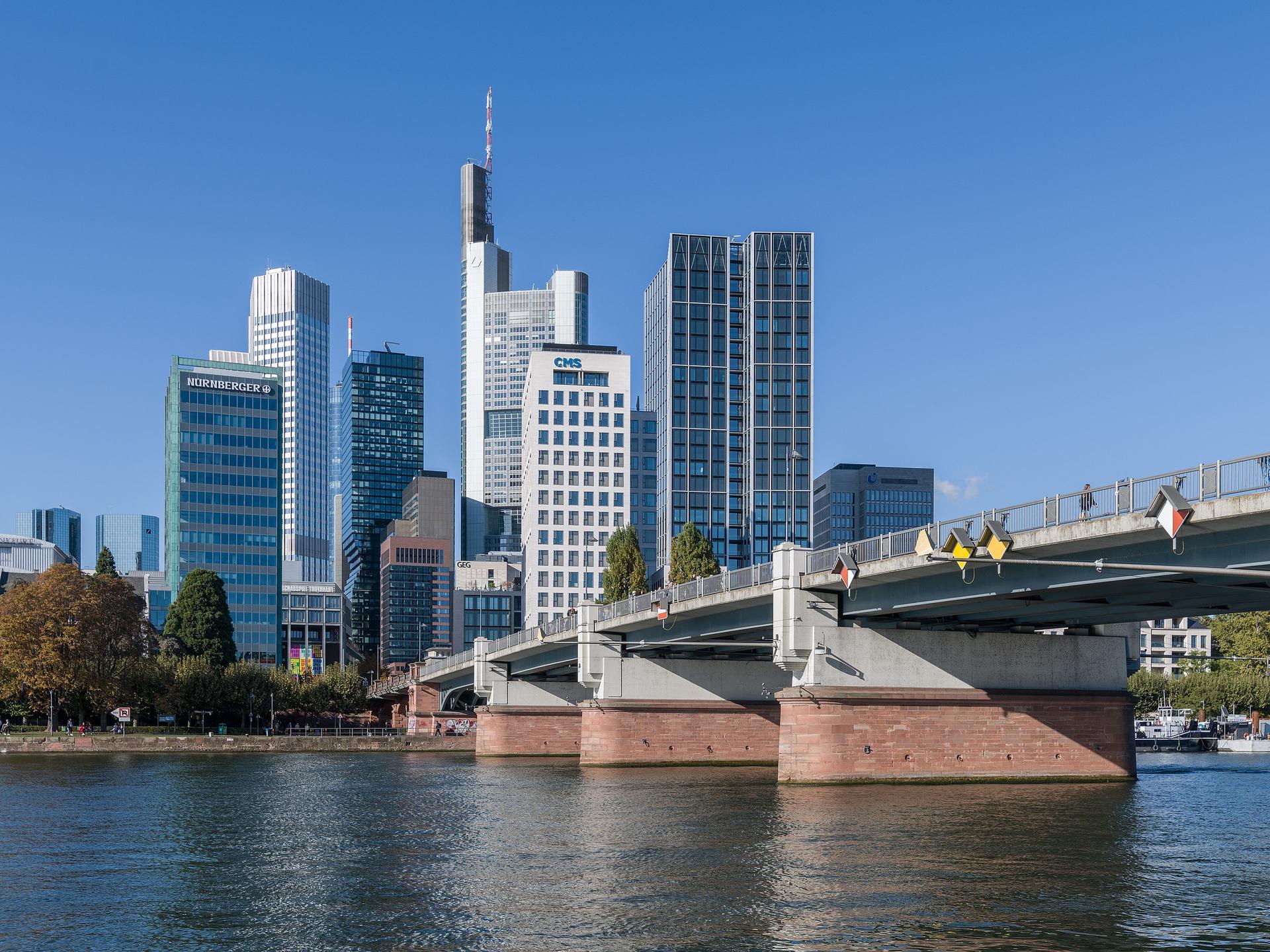
Looking beyond Burgruine Königstein? Discover Hesse for broader travel guides, local hot-spots, and regional highlights.
Explore Hesse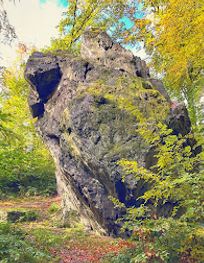
Explore the stunning hiking trails and natural beauty of Hauburgstein in Kronberg, a must-visit destination for nature lovers and outdoor enthusiasts.

Discover the enchanting Altstadt Königstein, a historical treasure nestled in the scenic Taunus region of Germany, perfect for history lovers and nature enthusiasts.
