

Kastorbrunnen, Koblenz Travel Guide
Discover the Kastorbrunnen in Koblenz: A historic fountain with inscriptions that tell a tale of Napoleonic ambition and Russian wit, nestled in the heart of the Old Town.
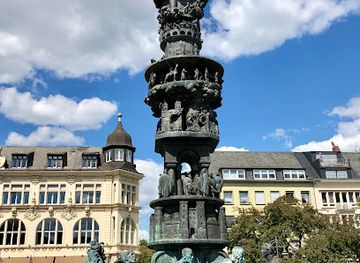
The Kastorbrunnen, or St. Castor's Fountain, stands proudly in Koblenz's Altstadt (Old Town) as a captivating monument with a rich history intertwined with the Napoleonic Wars. Erected in 1812 by the French prefect Jules Doazan, the fountain was initially intended to celebrate Napoleon's anticipated victory in Russia. However, history took a different turn, and the fountain became an unwitting testament to Napoleon's defeat. Constructed from basalt blocks, the fountain features inscriptions, including a sardonic addition by the Russian commander who later occupied Koblenz. Today, the Kastorbrunnen serves as a gathering place, a historical marker, and a reminder of the ever-shifting tides of power. Its location in front of the Basilica of St. Castor, the oldest church in Koblenz, adds to the area's historical significance, making it a must-see for visitors exploring the city's past and present.
A brief summary to Kastorbrunnen
- Kastorhof, Koblenz, 56068, DE

Know before you go
Hi, I'm Eve. Here are a few practical things to know before exploring Kastorbrunnen.
- Visit early in the morning to avoid crowds and enjoy the fountain in a peaceful setting.
- Take a stroll around the Basilica of St. Castor to explore the historical architecture and learn about its significance.
- Look closely at the inscriptions on the fountain to appreciate the historical context and the humorous addition by the Russian commander.
- Enjoy a coffee or a meal at one of the nearby cafes to soak in the atmosphere of Koblenz's Old Town.
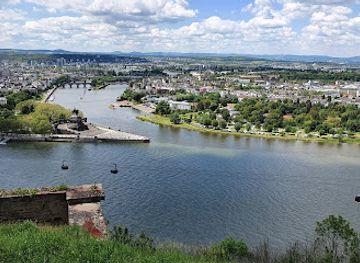
- Combine your visit with a trip to the Deutsches Eck and the Koblenz cable car for panoramic views of the Rhine and Moselle rivers.
Do you manage this location?
Take control to get all the benefits, like improved information, better appearance, and stronger visibility across AI-powered discovery. Learn more about listing your business on Evendo
Activate your presenceOther nearby places you may find interesting
The closest places of the same kind, if this one is not quite what you had in mind.
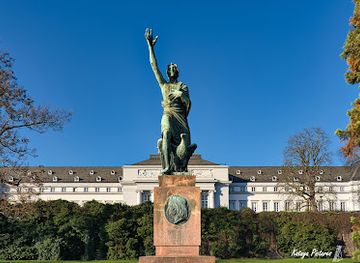
Explore Kastorbrunnen on the Map
A handpicked selection of must-see spots near Kastorbrunnen, mapped for you.
Getting There
-
Walking
From the Deutsches Eck (German Corner), walk southwest along Konrad-Adenauer-Ufer, following the Rhine River. Turn right onto Peter-Altmeier-Ufer, then left onto Stresemannstraße. Continue straight onto Am Plan, then turn right onto Kastorstraße. The Kastorbrunnen will be on your left, in front of the Basilica of St. Castor. The walk is approximately 5-10 minutes and offers views of the city's historic buildings.
-
Public Transport
From Koblenz Hauptbahnhof (main train station), take bus line 1 or 11 towards 'Deutsches Eck/Seilbahn'. Alight at the 'Deutsches Eck/Seilbahn' stop. From there, walk a short distance along Konrad-Adenauer-Ufer, turn right onto Peter-Altmeier-Ufer, then left onto Stresemannstraße. Continue straight onto Am Plan, then turn right onto Kastorstraße. The Kastorbrunnen will be on your left. A single bus fare is approximately €2.60.
-
Taxi/Ride-Share
A taxi or ride-share from Koblenz Hauptbahnhof to the Kastorbrunnen will take approximately 5-10 minutes, depending on traffic. The estimated fare is between €8 and €12. Direct the driver to Kastorhof, 56068 Koblenz.
Discover more about Kastorbrunnen













Your all‑in‑one travel companion app
Explore expert travel guides, compare and book tours, experiences, hotels, and more—all from the palm of your hand. Download now for seamless trip planning wherever your wanderlust takes you.


Explore More of Koblenz
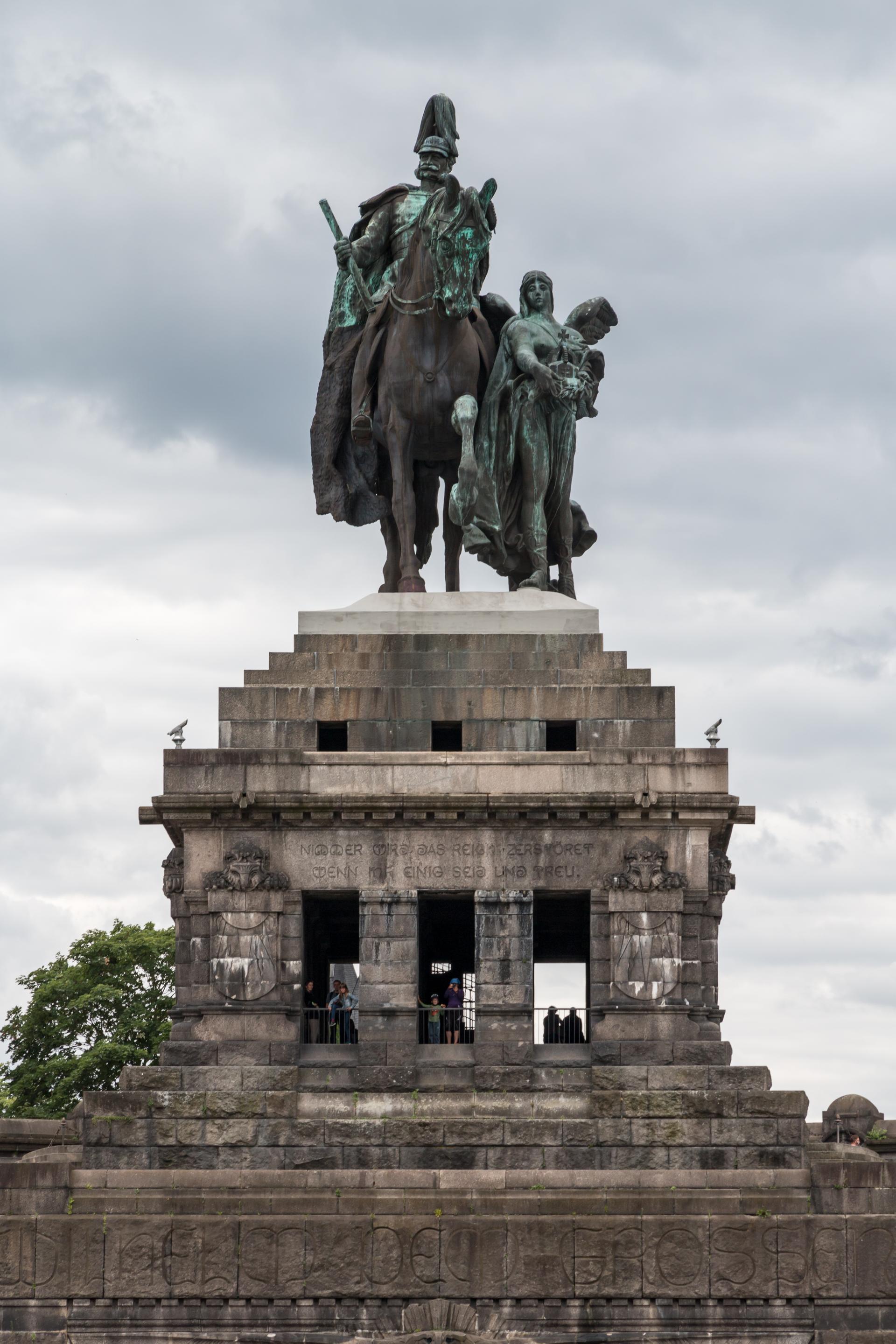
Looking beyond Kastorbrunnen? Discover Koblenz for broader travel guides, local hot-spots, and regional highlights.
Explore Koblenz
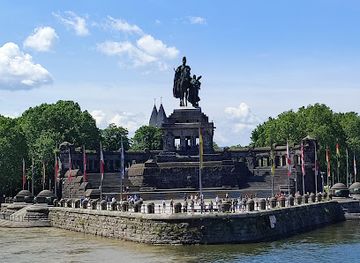
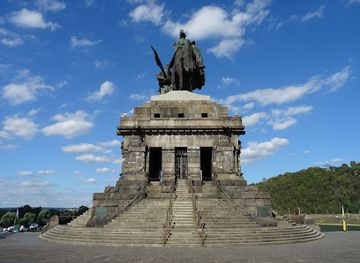
Witness the confluence of history and rivers at the Denkmal der Deutschen Einheit in Koblenz, a powerful symbol of German unity and resilience at the Deutsches Eck.
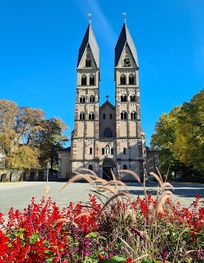
Discover Koblenz's oldest church, the Basilica of St. Castor, a Romanesque masterpiece with a rich history, stunning architecture, and a serene atmosphere near the Deutsches Eck.
