Background

Niederwald Monument: A Symbol of German Unification

Experience breathtaking views and German history at the Niederwald Monument, a symbol of unity overlooking the Rhine Valley near Rüdesheim am Rhein, a must-see destination.

★★★★★4.7 (16100)

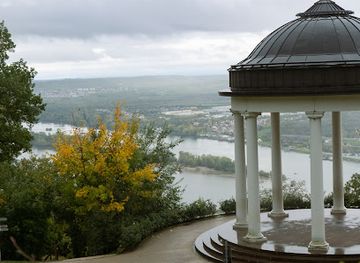
Perched high above the Rhine Valley near Rüdesheim am Rhein, the Niederwald Monument is a powerful symbol of German unification. Inaugurated in 1883, it commemorates the founding of the German Empire in 1871 following the Franco-Prussian War. The monument features a colossal statue of Germania, embodying the newly formed nation. Visitors can reach the monument via a scenic cable car ride from Rüdesheim, offering breathtaking views of the vineyards and the Rhine River. The site includes walking trails, viewpoints, and historical plaques detailing the monument's significance. A visit to the Niederwald Monument offers a blend of history, culture, and stunning natural beauty, making it a must-see destination in the Rhine Gorge.

Plan your visit

A brief summary to Niederwald Monument

Opening times, essentials, and a few local tips gathered into one calmer, easier-to-scan planning section.

Plan your visit

📍
Rüdesheim am Rhein, 65385, DE

Explore places near Niederwald Monument

    See all →

    Unlock the Best of Niederwald Monument

    Find tickets, tours with entry, and experiences available for this location.

    Buy tickets

    No tickets available

    Book tours with entry

    No tours with entry available

    Book tours without entry

    No tours without entry available

    Getting There

    Cable Car

    From Rüdesheim am Rhein, the most scenic and convenient final approach to the Niederwald Monument is via the Seilbahn Rüdesheim (cable car). The valley station is located at Oberstraße 37, a short walk from the Rüdesheim (Rhein) Bahnhof (train station) and the town center. Purchase a round-trip ticket (€11 for adults, €5.50 for children aged 5-15) and enjoy the 10-minute ride over the vineyards to the mountain station, which is a short, accessible walk to the monument. Consider reserving parking in advance as parking is available at the Niederwalddenkmal.

    Bus

    Alternatively, from Rüdesheim (Rhein) Bahnhof, take bus line 187 towards the Niederwald Monument. The bus departs approximately every four hours and the journey to the Rüdesheim stop takes about 5 minutes. From there, it is a short walk to the monument. A single bus ticket costs approximately €2-3.

    Taxi/Ride-Share

    A taxi or ride-share from central Rüdesheim to the Niederwald Monument is a quick option. The ride typically takes around 5 minutes and costs approximately €10-€13. Be aware that availability may vary, and it's advisable to book in advance or ask a local shop owner to call one for you.

    Driving

    If driving, follow signs for Niederwald Monument from Rüdesheim. Parking is available near the monument, with fees typically around €2-3 for the duration of your visit. Be aware that parking can be limited during peak season.

    Local tips

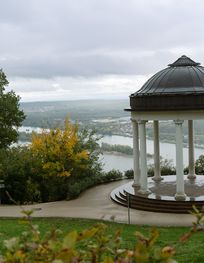
    Take the cable car from Rüdesheim for stunning views of the vineyards and Rhine River as you ascend to the monument.
    Explore the Niederwald Landscape Park around the monument for walking trails and picturesque viewpoints.
    Visit the monument during sunset for a magical experience as the Rhine Valley is bathed in golden light.

    Discover more about Niederwald Monument

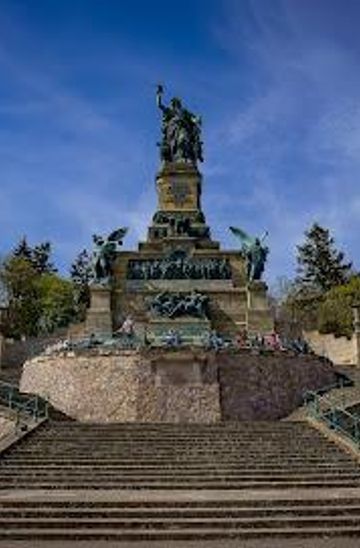
    The Niederwald Monument, or Niederwalddenkmal in German, stands proudly as a testament to German unity and national pride. Located near Rüdesheim am Rhein in Hesse, Germany, this imposing monument was erected between 1871 and 1883 to commemorate the unification of Germany. The monument's location, high above the Rhine Valley, offers visitors breathtaking panoramic views of the surrounding landscape, including the town of Bingen on the opposite bank. The monument's construction was spurred by the Franco-Prussian War of 1870-71, which ultimately led to the formation of the German Empire. The first stone was laid on September 16, 1877, by Kaiser Wilhelm I, and the monument was officially inaugurated on September 28, 1883. Designed by sculptor Johannes Schilling and architect Karl Weißbach, the Niederwald Monument quickly became a symbol of the newly unified nation. The central figure of the monument is Germania, a 10.5-meter-tall statue embodying the German nation. She stands on a throne adorned with eagles, holding the Imperial Crown in her right hand and the Imperial Sword in her left. Germania's imposing presence and symbolic attributes convey strength, unity, and the safeguarding of the newly formed empire. The pedestal beneath Germania features inscriptions on each side, accompanied by palm leaves, further emphasizing the monument's themes of peace and victory. Beneath the statue of Germania, a large relief depicts Kaiser Wilhelm I, the first German Emperor, surrounded by military leaders and princes. This relief underscores Prussia's leadership in the unification process. Another notable feature is the depiction of Rhenus Pater, the personification of the Rhine River, presenting a bugle horn to his daughter Mosella, symbolizing the annexation of Alsace-Lorraine by the German Empire. The monument's location within the Rhine Gorge, a UNESCO World Heritage Site, adds to its allure. The Rhine Valley has long been celebrated for its natural beauty, vineyards, and historical significance. The Niederwald Monument offers visitors a unique vantage point to appreciate this stunning landscape. Visitors can reach the Niederwald Monument via several routes. The most popular option is the cable car from Rüdesheim, which provides a scenic ascent through vineyards and offers stunning views of the Rhine River. Alternatively, a chairlift from Assmannshausen provides another picturesque approach. For those who prefer to hike, well-maintained trails lead to the monument from both Rüdesheim and Assmannshausen. Once at the monument, visitors can explore the surrounding Niederwald Landscape Park, which features walking trails, viewpoints, and historical markers. The park offers a tranquil setting to reflect on the monument's significance and enjoy the natural beauty of the Rhine Valley. The Niederwald Monument has undergone several transformations throughout its history. During the 20th century, the monument's association with German nationalism led to periods of ambivalence. However, in recent years, it has been re-evaluated as a symbol of German unity and a reminder of the country's complex past. Today, the Niederwald Monument is one of the most visited monuments in Germany, attracting tourists from around the world. Its historical significance, stunning location, and impressive architecture make it a must-see destination for anyone exploring the Rhine Valley. The monument serves as a reminder of Germany's journey towards unification and its enduring commitment to peace and prosperity. The monument is freely accessible, allowing visitors to explore the site at their own pace. The surrounding park offers ample opportunities for leisurely strolls and picnics, making it an ideal destination for families and individuals alike. The Niederwald Monument stands as a testament to German history and a symbol of hope for the future, inviting all who visit to reflect on the past and appreciate the beauty of the present. Whether you are a history enthusiast, a nature lover, or simply seeking breathtaking views, the Niederwald Monument promises an unforgettable experience. Its towering presence, rich symbolism, and stunning location make it a true gem of the Rhine Valley and a lasting tribute to German heritage. The Niederwald Monument is more than just a historical landmark; it is a living testament to the enduring spirit of Germany and its commitment to unity, peace, and prosperity. Its location overlooking the Rhine Valley serves as a constant reminder of the country's rich cultural heritage and its unwavering dedication to preserving its past for future generations. A visit to the Niederwald Monument is an opportunity to connect with German history, appreciate the beauty of the Rhine Valley, and reflect on the importance of unity and understanding in an ever-changing world.
    Mobile App
    Get the app

    Your all‑in‑one travel companion app

    Explore expert travel guides, compare and book tours, experiences, hotels, and more—all from the palm of your hand. Download now for seamless trip planning wherever your wanderlust takes you.

    Datei:Koblenz, Kaiser-Wilhelm-I.-Denkmal -- 2015 -- 7637.jpg – Wikipedia

    More about Koblenz

    Discover Koblenz: A Historic City at the Confluence of the Rhine and Moselle, Offering Stunning Views, Rich Culture, and Scenic River Cruises.

    Tell me more about Koblenz

    Select Currency

    Choose the currency you want prices to display in.