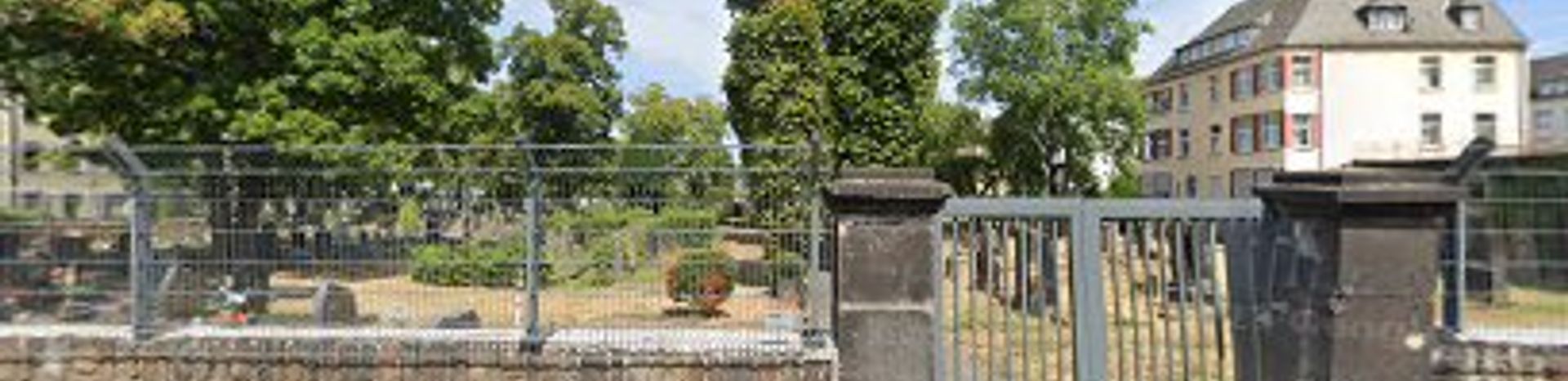
The Koblenz House of Eternity
Reflect on Koblenz's Jewish heritage at the House of Eternity, a serene cemetery offering a poignant glimpse into the community's history, traditions, and resilience through the Holocaust.
The Koblenz House of Eternity, or Beth ha Kwaroth, serves as a poignant reminder of the city's Jewish history and heritage. Established as a Jewish burial site in the mid-19th century, it provides a place of remembrance and reflection. The cemetery's grounds contain a range of gravestones, some adorned with traditional Jewish symbols, reflecting the community's cultural identity. Visiting offers a glimpse into the lives and traditions of Koblenz's Jewish population, particularly their experiences through the Holocaust. The site provides a tranquil setting for contemplation and remembrance, inviting visitors to connect with the past and honor those who came before. While simple in its presentation, the House of Eternity holds significant historical and cultural value, making it a meaningful destination for those interested in exploring Koblenz's diverse heritage.
A brief summary to The Koblenz house of eternity Beth ha Kwaroth das Haus der Ewigkeit
- Moselweißer Str. 10, Koblenz, 56073, DE
Local tips
- Take a moment to read the inscriptions on the gravestones, as they often provide insights into the lives and beliefs of those buried there.
- Consider visiting during the daytime to fully appreciate the peaceful atmosphere and architectural details of the cemetery.
- Check for any ongoing restoration projects or memorial events that may enhance your understanding of the site's significance.

Getting There
-
Public Transport
From Koblenz Hauptbahnhof (main train station), take bus line 3 or 13 towards Güls. Get off at the Ludwig-Erhard-Straße stop. From there, walk along Ludwig-Erhard-Straße, then turn right onto Moselweißer Straße. The cemetery will be a short walk further. A single bus fare is approximately €3.00.
-
Taxi/Ride-Share
A taxi or ride-share from Koblenz Hauptbahnhof to the cemetery on Moselweißer Straße will take approximately 10-15 minutes, depending on traffic. The estimated fare is between €15-€20.
-
Walking
From the city center (e.g., near the Deutsches Eck), the walk to the cemetery is approximately 30-40 minutes. Follow the Mosel River upstream along Moselweißer Straße. The cemetery will be on your right. Note that this is a moderately long walk.
-
Driving
If driving, navigate to Moselweißer Straße 10, 56073 Koblenz. Parking is available on the street, but availability may be limited. Parking is free on the street. Alternatively, use the Park & Ride at Moselweiß (Kurt-Schumacher-Brücke), Moselweißer Straße 117, 56073 Koblenz, which offers free parking with a connection to bus lines 3, 13, 4 and 14.
Discover more about The Koblenz house of eternity Beth ha Kwaroth das Haus der Ewigkeit
Iconic landmarks you can’t miss

The Koblenz house of eternity Beth ha Kwaroth das Haus der Ewigkeit
0.0 km
Reflect on Koblenz's Jewish heritage at the House of Eternity, a serene cemetery offering a poignant glimpse into the community's history, traditions, and resilience through the Holocaust.
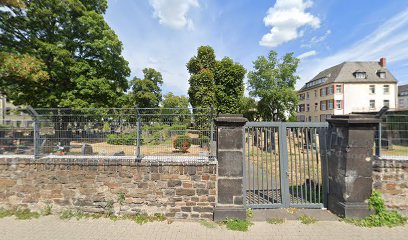
Portal des ehemaligen Dominikanerklosters
0.5 km
Discover the Portal of the Former Dominican Monastery in Koblenz: A historical gateway offering a glimpse into the city's rich past and the legacy of the Dominican order.
Stadtarchiv Koblenz
0.6 km
Delve into Koblenz's past at the City Archive, housed in the historic Alte Burg, offering a wealth of documents, maps, and photographs for researchers and history enthusiasts.
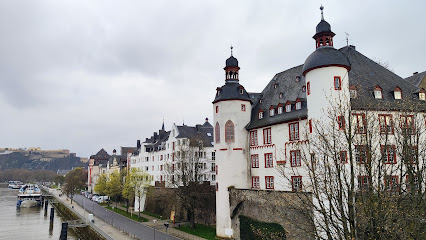
Münzpl.
0.6 km
Discover Münzplatz in Koblenz: where history comes alive in a vibrant square, surrounded by Baroque architecture, charming alleyways, and the echoes of electoral coinage.
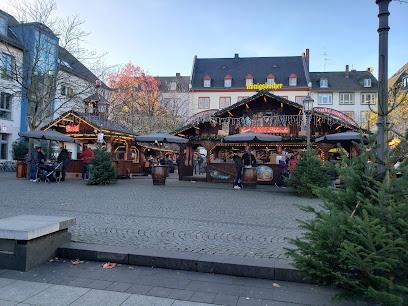
Erfinderbrunnen, Koblenz - Prof. Gernot Rumpf (1983)
0.6 km
Discover the Erfinderbrunnen in Koblenz, a whimsical fountain celebrating regional inventors with playful sculptures and dynamic water features in the heart of the city's bustling Fischelpassage.
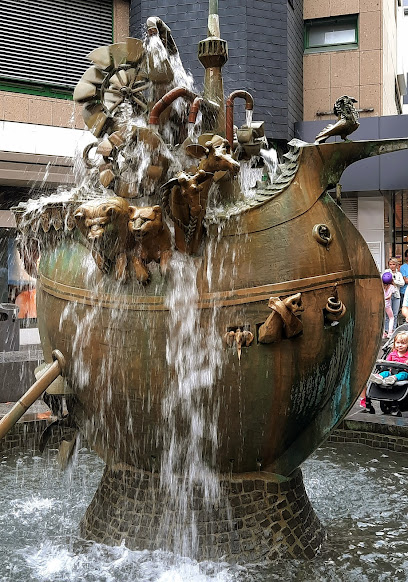
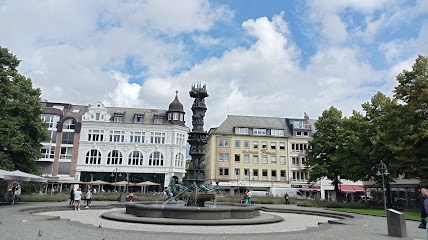
Brunnen zur Stadtentwicklung, Koblenz - Willi Heinzen (1992)
0.7 km
A modern fountain on historic Münzplatz, symbolizing Koblenz's rich history and ongoing evolution, surrounded by Altstadt charm and vibrant city life.
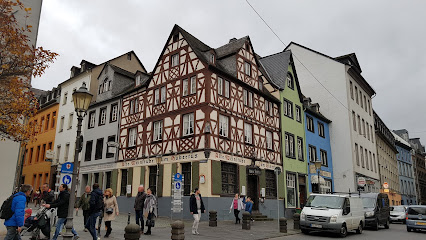
Altstadt Koblenz
0.7 km
Explore the historic heart of Koblenz, where Roman roots meet medieval charm at the confluence of the Rhine and Moselle, offering a captivating journey through time.
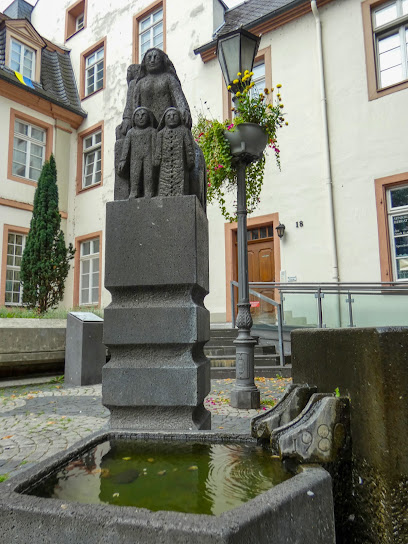
Familienbrunnen (Brunnen der Generationen), Koblenz - Rudi Scheuermann (1980)
0.7 km
Discover Koblenz's captivating history etched in stone at the Familienbrunnen, a generational fountain narrating the city's evolution from Roman times to the present day, nestled near the iconic Liebfrauenkirche.
Richter spielgeräte GmbH
0.7 km
Explore the innovative world of playground design at Richter spielgeräte GmbH, a unique tourist attraction in the charming Altstadt of Koblenz.

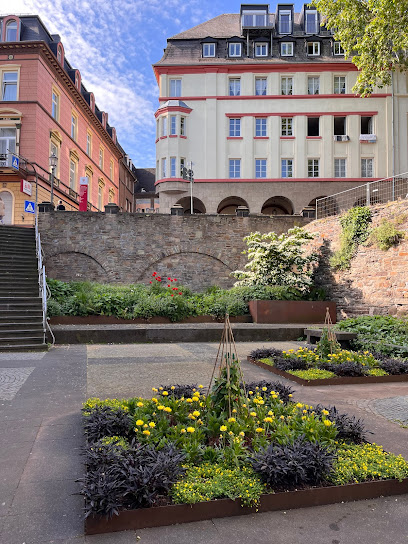
Koblenz-Goldgrube
0.7 km
Discover the tranquility of Koblenz-Goldgrube, a picturesque garden perfect for relaxation and nature appreciation in the heart of Koblenz, Germany.
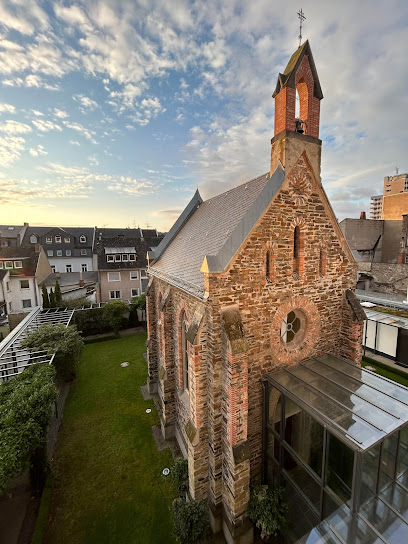
Barmherzige Brüder von Maria-Hilf - Peter Friedhofen Haus
0.8 km
Discover a serene sanctuary in Koblenz's Old Town at the Peter Friedhofen Haus, a historic monastery offering tranquility, reflection, and a glimpse into the Barmherzige Brüder's enduring legacy.
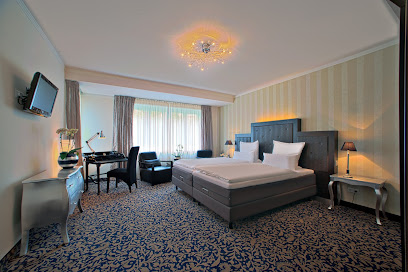
Top Hotel Krämer
0.8 km
Experience Koblenz from the comfortable and centrally located Top Hotel Krämer, offering modern amenities, friendly service, and easy access to the city's historical and scenic attractions.
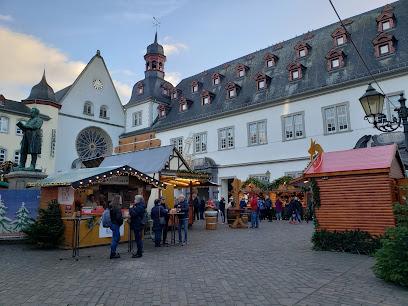
Jesuitenpl.
0.9 km
Discover Jesuitenplatz in Koblenz: A historic square where the echoes of the Jesuit order resonate through stunning architecture and a vibrant cultural atmosphere in the heart of the Old Town.
ibis Koblenz City
0.9 km
Experience the heart of Koblenz with the comfort and accessibility of ibis Koblenz City, your ideal travel base for exploring Germany's history.
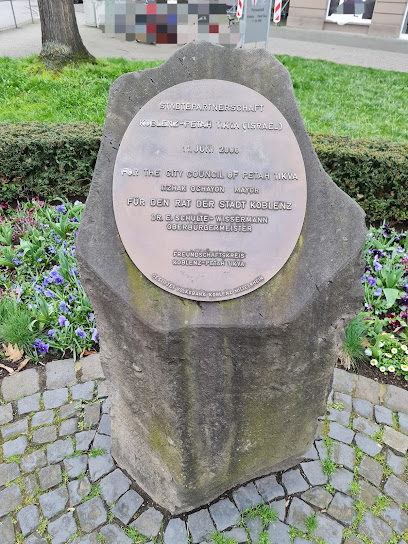
Petah-Tikva-Platz
1.1 km
Discover a peaceful retreat in the heart of Koblenz at Petah-Tikva-Platz, a charming urban park offering green spaces, walking paths, and a tranquil escape for locals and tourists alike.
Unmissable attractions to see

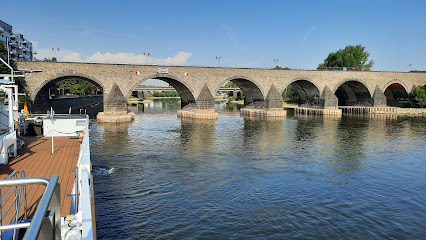
Baldwin Bridge, Koblenz
0.6 km
Discover the enchanting Baldwin Bridge in Koblenz, where history meets stunning views over the Moselle River, perfect for every traveler.
Springbrunnen, Koblenz - Tiefgarten Alte Burg
0.6 km
Experience the tranquil beauty of Springbrunnen in Koblenz, a historic fountain nestled in the lush gardens of Tiefgarten Alte Burg.
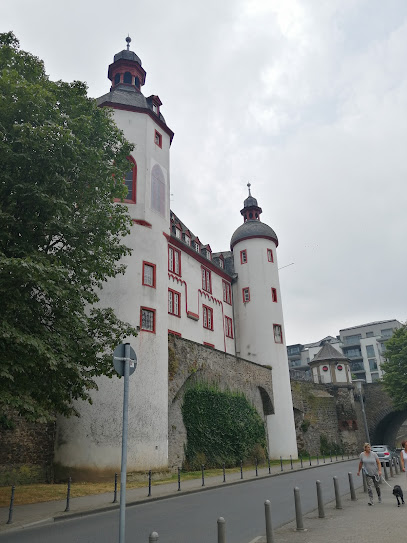
Ort der Kinderrechte / Schiff
0.6 km
Explore Ort der Kinderrechte in Koblenz, a unique tourist attraction dedicated to celebrating and advocating for children's rights worldwide.
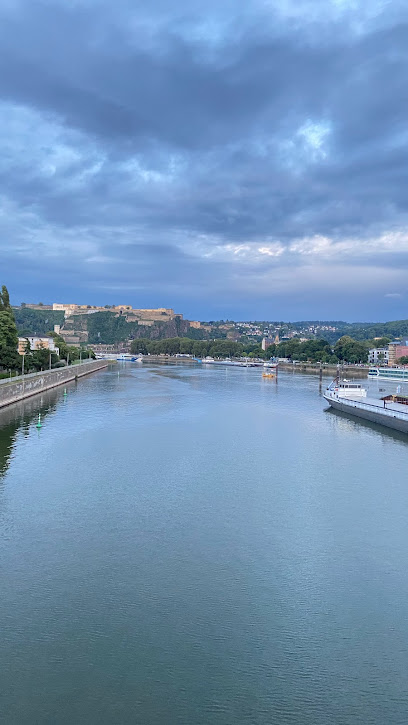
Leben und Zeit Mural
0.6 km
Explore the Leben und Zeit Mural in Koblenz – a vibrant blend of art and history reflecting the essence of time and life.
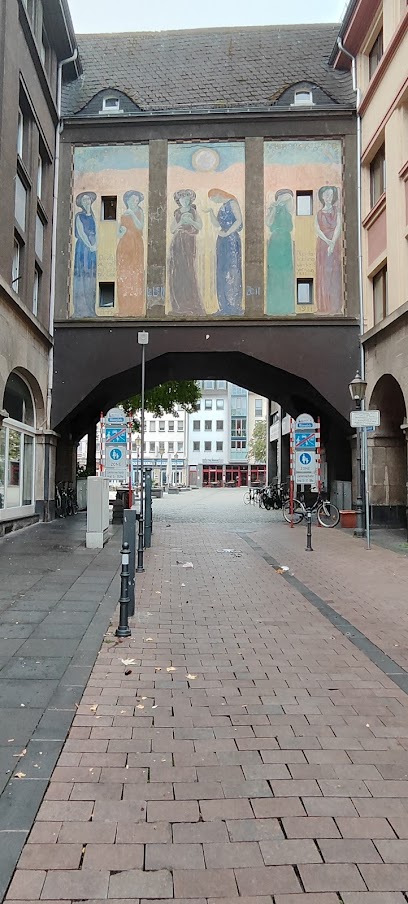
Münzplatz
0.6 km
Experience the historical charm of Münzplatz, a vibrant town square in Koblenz, Germany, surrounded by culture, markets, and stunning architecture.
Denkmalzone „Vier Türme“
0.6 km
Discover the historical charm of Denkmalzone „Vier Türme“, a serene memorial park in Koblenz featuring iconic towers and beautiful gardens.
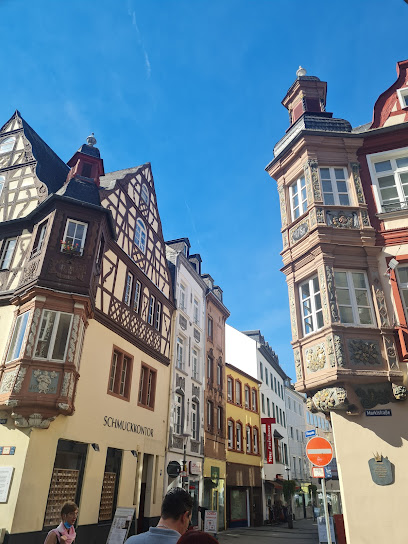
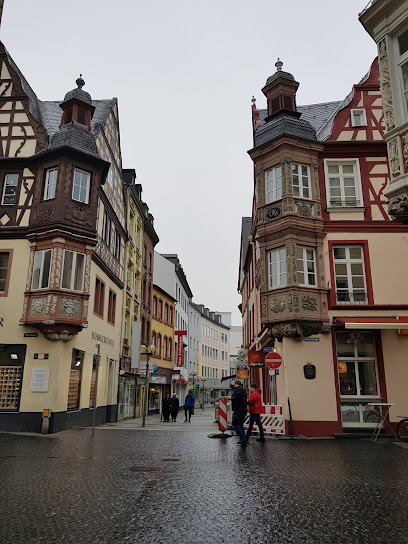
4 Towers (Oriel Windows)
0.6 km
Explore the stunning 4 Towers in Koblenz, an architectural marvel showcasing the city’s rich history and unique styles.
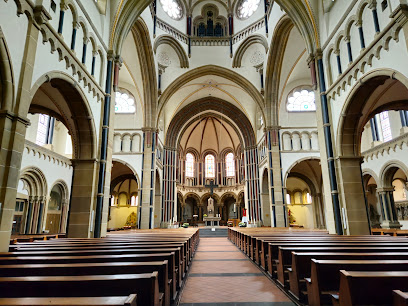
Herz-Jesu-Kirche
0.7 km
Explore the breathtaking Herz-Jesu-Kirche in Koblenz, a stunning Catholic church that embodies architectural beauty and serene spirituality.
Denkmal- Engel der Kulturen
0.7 km
Explore the Engel der Kulturen in Koblenz, a stunning monument that celebrates cultural harmony and invites reflection amidst scenic beauty.
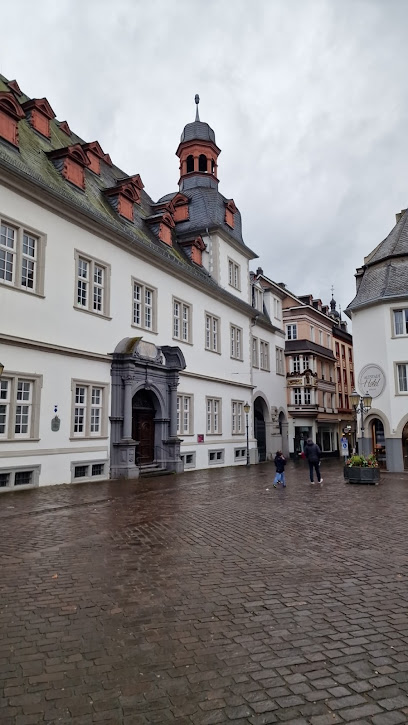
Liebfrauenkirche (Church of Our Lady)
0.7 km
Discover the architectural grandeur and historical significance of Liebfrauenkirche in Koblenz, a must-see for every traveler.
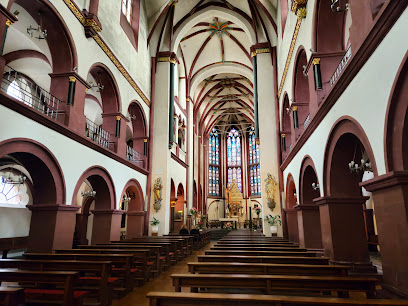
Florinskirche
0.8 km
Explore the stunning Florinskirche in Koblenz, a remarkable Evangelical church showcasing rich history and breathtaking architecture in a vibrant market square.
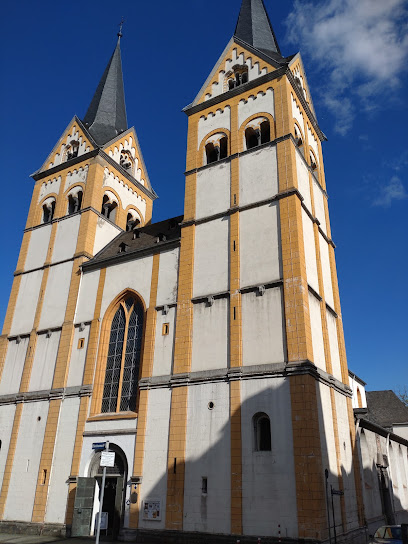
Wehrtechnische Studiensammlung Koblenz
0.8 km
Explore the Wehrtechnische Studiensammlung Koblenz, a captivating army museum showcasing military history and technology in an engaging environment.
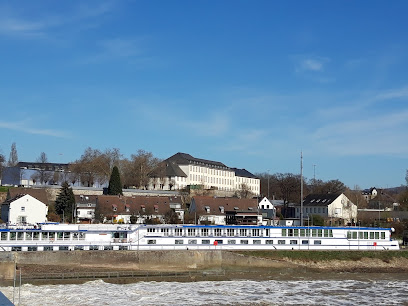
H Balduinbrücke
0.8 km
Explore H Balduinbrücke in Koblenz, a stunning bridge offering captivating views of the Rhine River and a glimpse into the region's rich history.
Brunnen
0.8 km
Explore the enchanting Brunnen in Koblenz, a stunning fountain surrounded by historic charm and vibrant local culture.
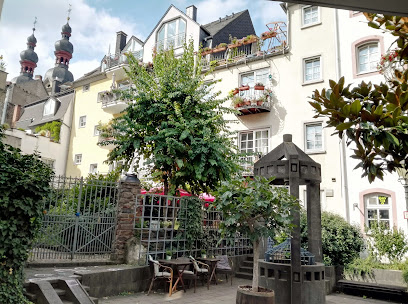
Turmuhr und Augenroller
0.8 km
Explore the historic Turmuhr und Augenroller in Koblenz, a charming clock tower that encapsulates the city's rich culture and heritage.
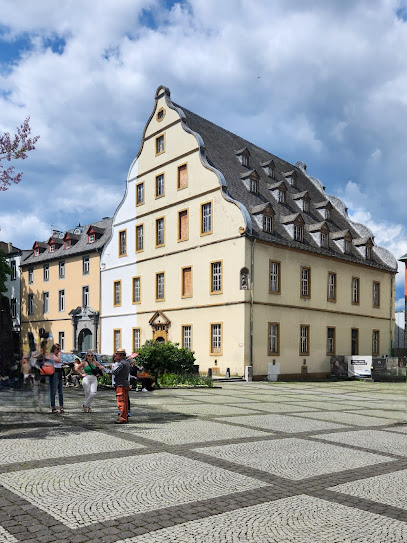
Essential places to dine

Restaurant OM
0.3 km
Discover authentic Indian cuisine at Restaurant OM in Koblenz—offering vegan and vegetarian delights in a warm and inviting setting.
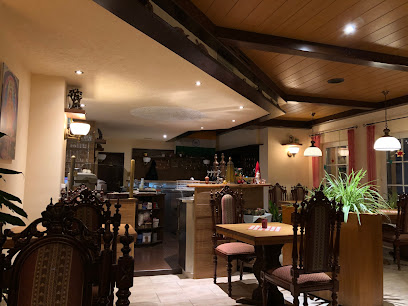
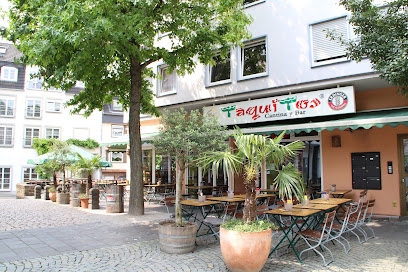
TAQUITOS Cantina Y Bar
0.6 km
Discover authentic Mexican cuisine and vibrant nightlife at TAQUITOS Cantina Y Bar in Koblenz - where every meal is a celebration!
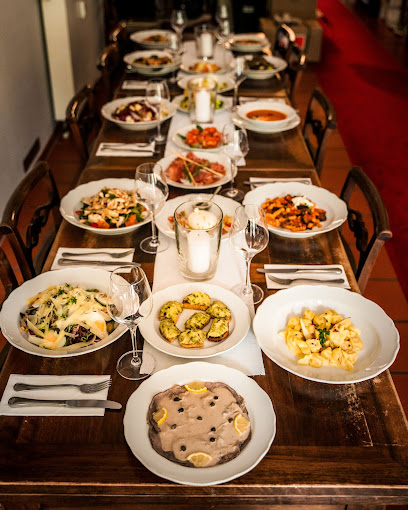
Osteria Novecento
0.6 km
Savor the essence of Italy at Osteria Novecento - where authentic cuisine meets warm hospitality in Koblenz.
Restaurant Taj Mahal
0.6 km
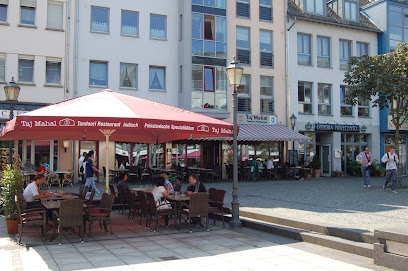
Experience authentic Indian and Pakistani cuisine at Restaurant Taj Mahal in Koblenz - where every dish tells a story.
Restaurant Tanoor
0.6 km
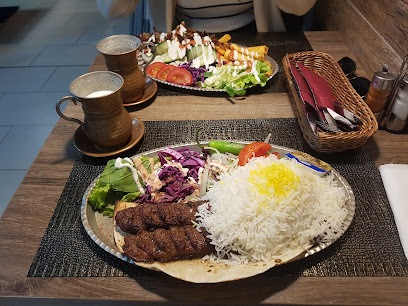
Discover authentic Persian flavors at Restaurant Tanoor in Koblenz – where every dish is crafted with love and tradition.
Drei Hefen
0.7 km
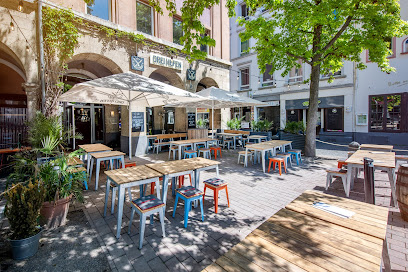
Discover exquisite pizzas and fine wines at Drei Hefen in Koblenz - a must-visit culinary haven for food lovers.
Lezizel Manti - Turkish Dumplings - Koblenz
0.7 km
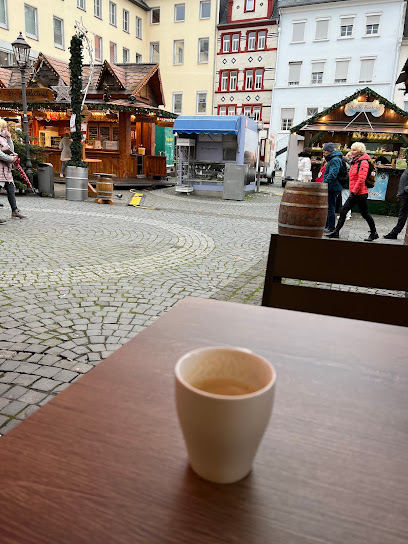
Discover authentic Turkish dumplings at Lezizel Manti in Koblenz—an unforgettable taste journey into soul food.
Los Gauchos
0.7 km
Experience the essence of Argentine grilling at Los Gauchos in Koblenz – where every bite tells a delicious story.
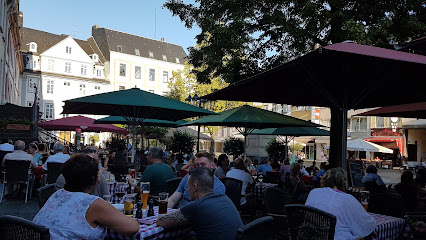
L´Osteria Koblenz
0.7 km
Indulge in authentic Italian flavors at L'Osteria Koblenz – where every dish tells a story of culinary passion and tradition.
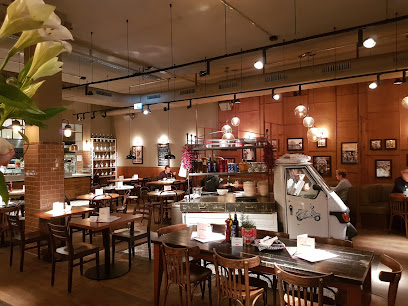
Ristorante Pizzeria La Mamma-Koblenz
0.7 km
Experience authentic Italian cuisine at Ristorante Pizzeria La Mamma in Koblenz – where every dish is a celebration of flavors!
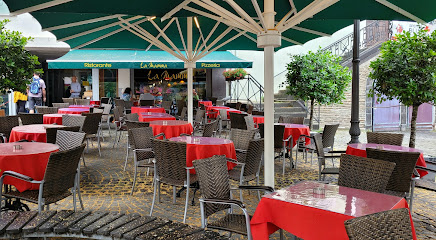
SauBar / Koblenz
0.7 km
Experience the heart of Germany at SauBar in Koblenz – where authentic flavors meet warm hospitality.
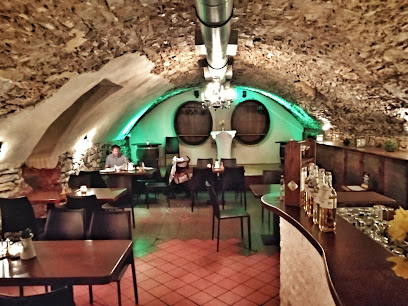
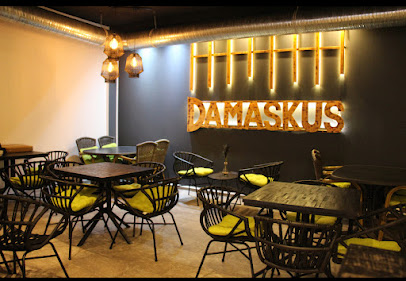
Damaskus Restaurant ( Koblenz Stadtmitte) .
0.7 km
Experience the best of Syrian cuisine at Damaskus Restaurant in Koblenz – where authentic flavors meet warm hospitality.
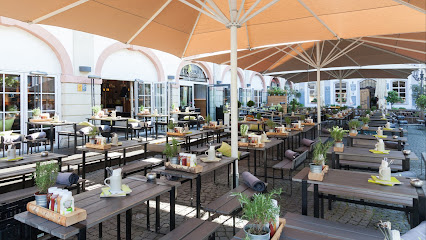
Hans im Glück Burgergrill
0.7 km
Experience gourmet burgers and vibrant atmosphere at Hans im Glück Burgergrill in Koblenz - perfect for all burger lovers!
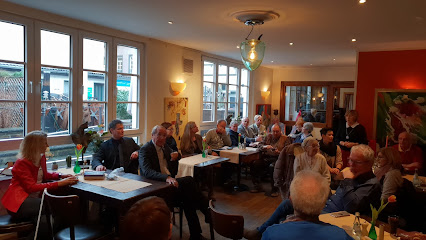
Restaurante/Bistro Dormonts
0.7 km
Experience exquisite local flavors at Restaurante/Bistro Dormonts in Koblenz - where every meal is a celebration of culinary artistry.
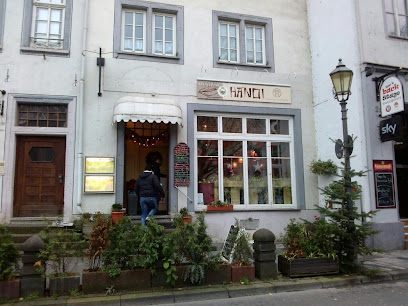
Restaurant Hanoi
0.7 km
Discover authentic Vietnamese cuisine at Restaurant Hanoi in Koblenz - where every dish tells a story.
Markets, malls and hidden boutiques

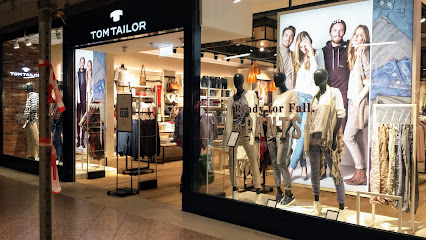
Tom Tailor
0.5 km
Discover fashionable clothing for men and women at Tom Tailor in Koblenz, where style meets comfort and quality.
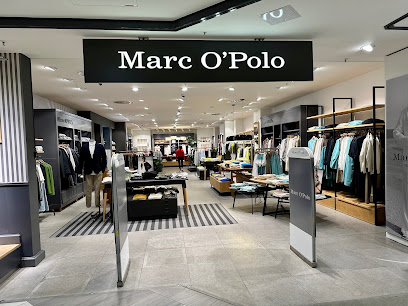
Marc O'Polo
0.5 km
Discover contemporary fashion at Marc O'Polo, a stylish clothing store in Koblenz offering premium men's and women's apparel for every occasion.
NOA NOA KOBLENZ
0.5 km
Explore NOA NOA in Koblenz for stylish women's clothing that blends modern trends with timeless elegance, perfect for every occasion.

PIMKIE
0.5 km
Explore PIMKIE in Koblenz for stylish women's clothing and accessories that blend trendy designs with affordability, perfect for every fashionista.
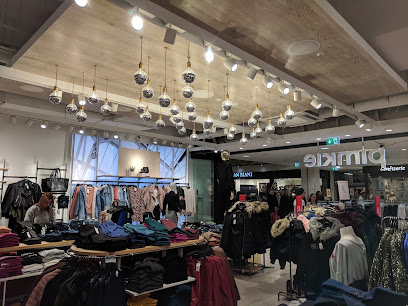
JACK & JONES
0.5 km
Explore the stylish offerings at JACK & JONES in Koblenz, a top destination for men's fashion with a range of jeans, outerwear, and accessories.
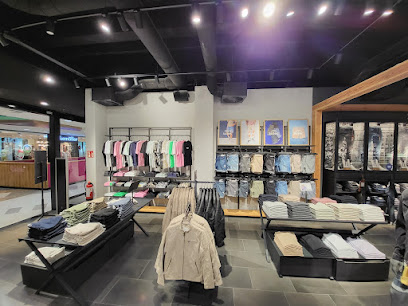
The Body Shop
0.5 km
Explore ethical beauty at The Body Shop in Koblenz, where natural skincare meets sustainable shopping for the conscious traveler.

ETERNA
0.5 km
Explore ETERNA in Koblenz for stylish clothing and accessories that embody quality and elegance in the heart of the city.
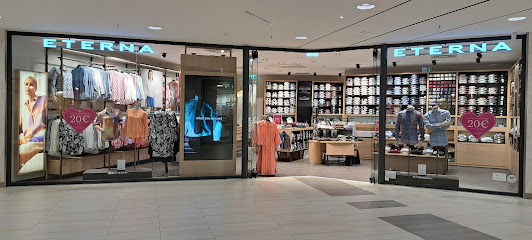
Lieblingsplatz Accessoires
0.5 km
Discover stylish bags and leather goods at Lieblingsplatz Accessoires, the boutique that captures the essence of Koblenz’s fashion scene.
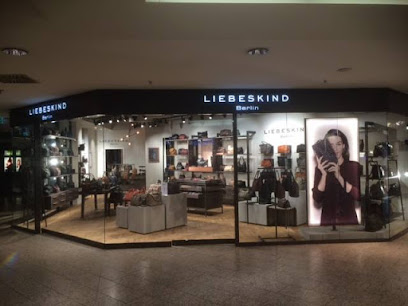
Esprit Store Koblenz
0.5 km
Explore the stylish offerings at Esprit Store Koblenz within the vibrant Forum Mittelrhein, where modern fashion meets quality and comfort.

s.Oliver
0.5 km
Discover the latest trends at s.Oliver in Koblenz, a stylish clothing store offering contemporary fashion for every occasion.
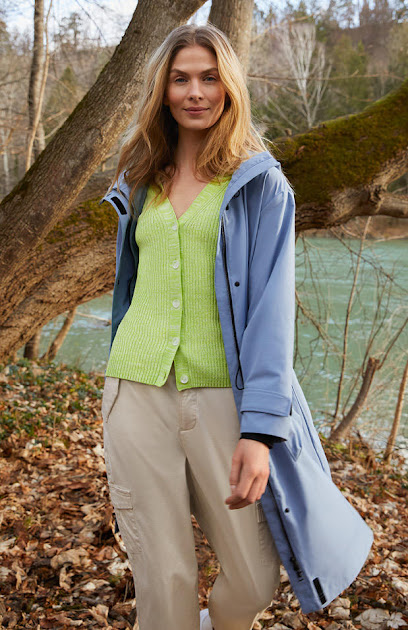
Zara
0.6 km
Explore the latest fashion trends for all ages at Zara in Koblenz, your go-to destination for stylish clothing at moderate prices.
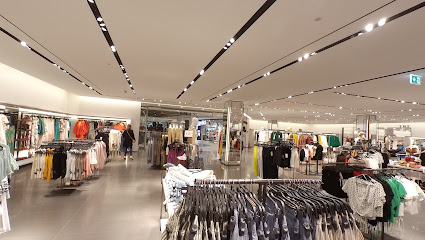
LÖHR CENTER Koblenz
0.6 km
Experience the best of shopping and dining at LÖHR CENTER Koblenz, where modern retail meets vibrant atmosphere.
BRAX
0.6 km
Explore BRAX in Koblenz: Where Quality Meets Style for Fashion Enthusiasts.
comma
0.6 km
Discover Comma in Koblenz: Your go-to clothing store for stylish women's fashion, dance outfits, and accessories.
You fashion
0.6 km
Discover fashion trends and unique styles at You Fashion, Koblenz's premier shopping mall, perfect for every fashion enthusiast.
Essential bars & hidden hideouts

Spökes
0.5 km
Experience the vibrant nightlife of Koblenz at Spökes, where delicious cocktails and a lively atmosphere await every visitor.
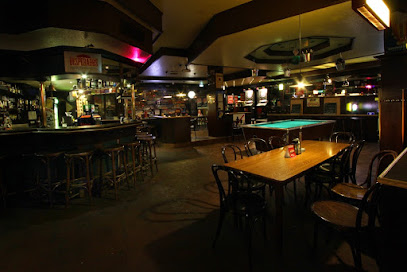
NEULAND - Koblenz
0.6 km
Experience the vibrant nightlife of Koblenz at NEULAND, a stylish bar offering a diverse drink menu and a lively atmosphere.
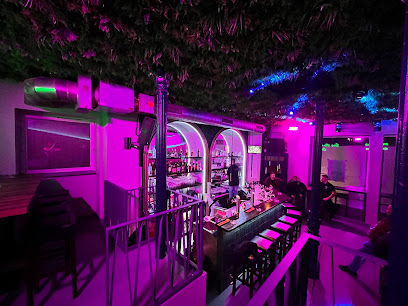
Aktuell Bar
0.6 km
Discover the vibrant nightlife of Koblenz at Aktuell Bar, where live music, cocktails, and a welcoming atmosphere await.
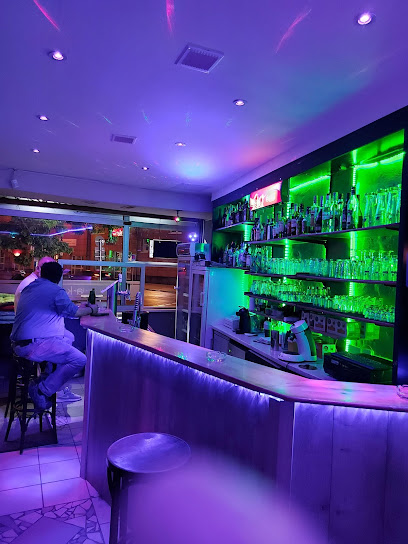
EXCALIBUR - The Rock Cafe
0.6 km
Discover the vibrant nightlife at EXCALIBUR - The Rock Cafe, a unique blend of cocktails and rock music in the heart of Koblenz.
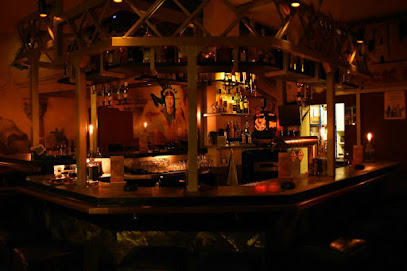
Kurioos - Koblenz
0.6 km
Discover the lively nightlife at Kurioos - Koblenz, where creative cocktails and a vibrant atmosphere come together for an unforgettable experience.
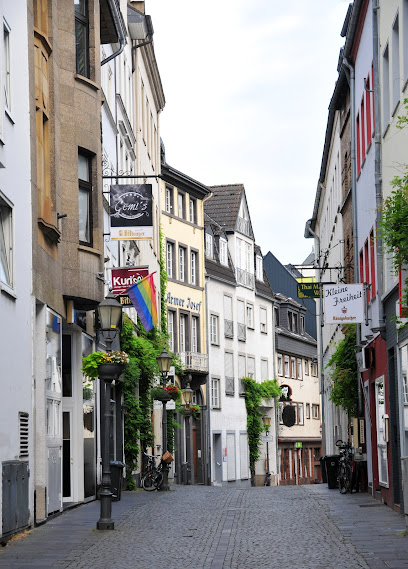
Irish Pub Koblenz
0.7 km
Discover the heart of Ireland at Irish Pub Koblenz, where great food, drinks, and live entertainment await in a cozy setting.
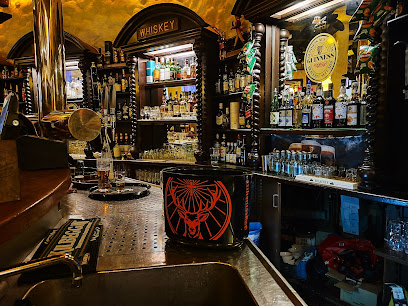
Sugar Ray’s Koblenz
0.7 km
Discover the lively atmosphere and diverse drink selection at Sugar Ray’s Koblenz, a bar where locals and visitors mingle over great cocktails and good vibes.
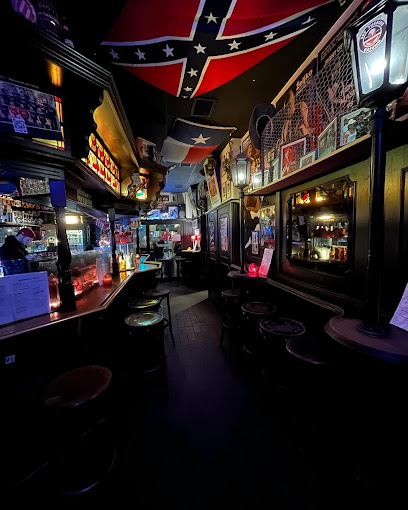
Shotz Koblenz
0.7 km
Discover the lively atmosphere and diverse drink selection at Shotz Koblenz, a must-visit bar in the heart of Germany's charming Altstadt.
Zeitlos
0.7 km
Experience the vibrant nightlife of Koblenz at Zeitlos, a lively bar offering an extensive drink menu and a welcoming atmosphere for all.

Druckluftkammer
0.7 km
Experience the vibrant nightlife at Druckluftkammer in Koblenz, where cocktails and dancing meet a lively atmosphere for an unforgettable evening.
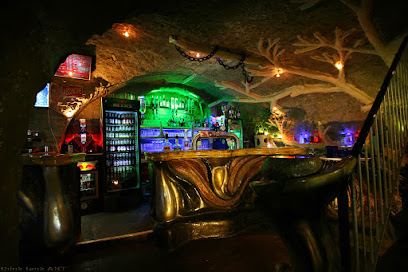
BackStage Koblenz
0.7 km
Discover the energetic nightlife of BackStage Koblenz, a lively bar and pub perfect for socializing and enjoying local drinks.
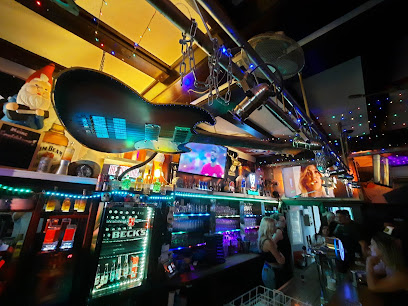
Gecko Lounge
0.8 km
Discover the vibrant nightlife of Koblenz at Gecko Lounge, where delightful drinks and a lively atmosphere await.
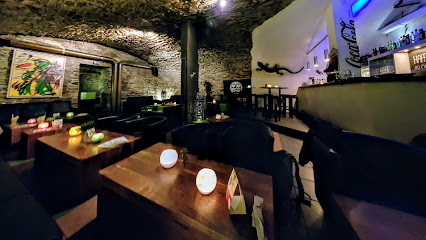
Atlas Bar - Koblenz
0.8 km
Discover the vibrant atmosphere of Atlas Bar in Koblenz, where relaxation meets socializing in a charming setting.
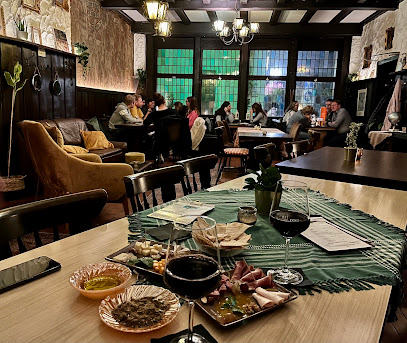
Zum Schiffchen
0.8 km
Discover the heart of Koblenz at Zum Schiffchen, where traditional German cuisine meets a lively pub atmosphere.
Café Bar My Way
0.8 km
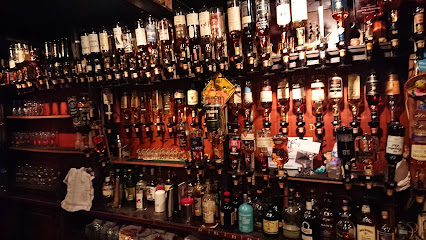
Discover the perfect blend of relaxation and excitement at Café Bar My Way, Koblenz's favorite spot for coffee, cocktails, and light bites.