
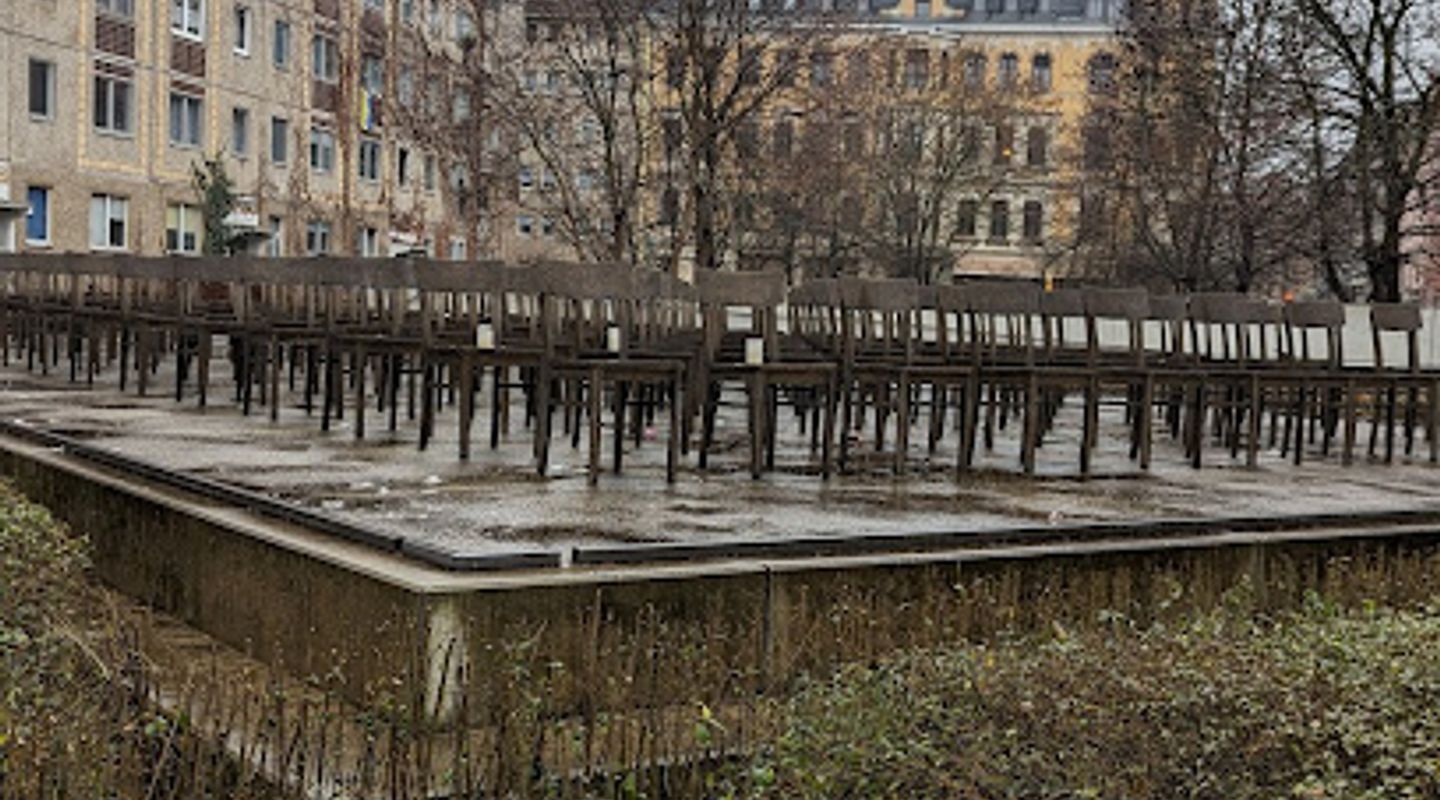
Holocaust Memorial, Leipzig Travel Guide
A poignant memorial in Leipzig honoring the 14,000 Jewish citizens who perished in the Holocaust, marking the site of the city's destroyed main synagogue and promoting reflection.
The Holocaust Memorial in Leipzig stands as a poignant tribute to the Jewish community that once thrived in the city before the Holocaust. Located on Zentralstraße, in the heart of Leipzig, the memorial marks the site where the city's main synagogue once stood before it was destroyed during Kristallnacht in 1938. The memorial features 140 empty bronze chairs, symbolizing the 14,000 Jewish citizens of Leipzig who perished during the Nazi regime. This stark and powerful installation serves as a place for reflection and remembrance, inviting visitors to contemplate the devastating impact of the Holocaust and honor the lives lost. The memorial is open 24/7 and provides informational plaques in German, English, and Hebrew, ensuring accessibility for a diverse audience.
A brief summary to Holocaust Memorial
- Synagogendenkmal, Zentralstraße 4, Leipzig, Mitte, 04109, DE

Know before you go
Hi, I'm Eve. Here are a few practical things to know before exploring Holocaust Memorial.
- Visit early in the morning or late in the afternoon for a more peaceful experience and fewer crowds.
- Take time for personal reflection; the experience can be deeply emotional and may require moments of solitude.
- Read the informational plaques in advance or during your visit to fully understand the historical context and significance of the memorial.
Do you manage this location?
Take control to get all the benefits, like improved information, better appearance, and stronger visibility across AI-powered discovery. Learn more about listing your business on Evendo
Activate your presenceOther nearby places you may find interesting
The closest places of the same kind, if this one is not quite what you had in mind.


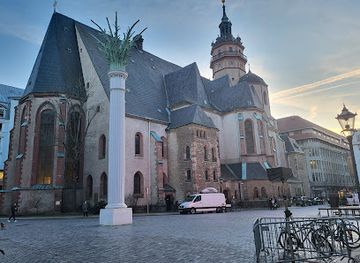

Explore Holocaust Memorial on the Map
A handpicked selection of must-see spots near Holocaust Memorial, mapped for you.
Getting There
-
Public Transport
From Leipzig Hauptbahnhof (main train station), take Tram Line 9 towards 'Leipzig, Miltitzer Allee'. Get off at the 'Gottschedstraße' stop, which is the closest to the memorial. From there, walk east on Gottschedstraße, then turn right onto Zentralstraße. The Holocaust Memorial (Synagogendenkmal) will be on your right. A single tram fare within Leipzig (Zone 110) is approximately €2.70.
-
Walking
If starting from Augustusplatz, walk west along Petersstraße, a pedestrian shopping street, for approximately 10 minutes. Turn left onto Zentralstraße. Continue walking for a short distance, and the Holocaust Memorial will be on your right. This is a straightforward and easily navigable walk.
-
Taxi/Ride-Share
A taxi or ride-share from Leipzig Hauptbahnhof to the Holocaust Memorial will typically cost between €8 and €12, depending on traffic and the specific provider. The journey usually takes around 5-10 minutes.
-
Driving
If driving, parking is available at the Parkhaus Zentralstraße, located directly on Zentralstraße. The daily parking rate is approximately €8. Alternatively, consider parking at the Parkhaus Marktgalerie (Thomasgasse 2) or Parkhaus Höfe am Brühl (Am Hallischen Tor 2), both within a short walking distance, with daily rates around €14-€20. Be aware that Zentralstraße can be busy, and parking spaces may be limited.
Discover more about Holocaust Memorial













Your all‑in‑one travel companion app
Explore expert travel guides, compare and book tours, experiences, hotels, and more—all from the palm of your hand. Download now for seamless trip planning wherever your wanderlust takes you.


Explore More of Leipzig
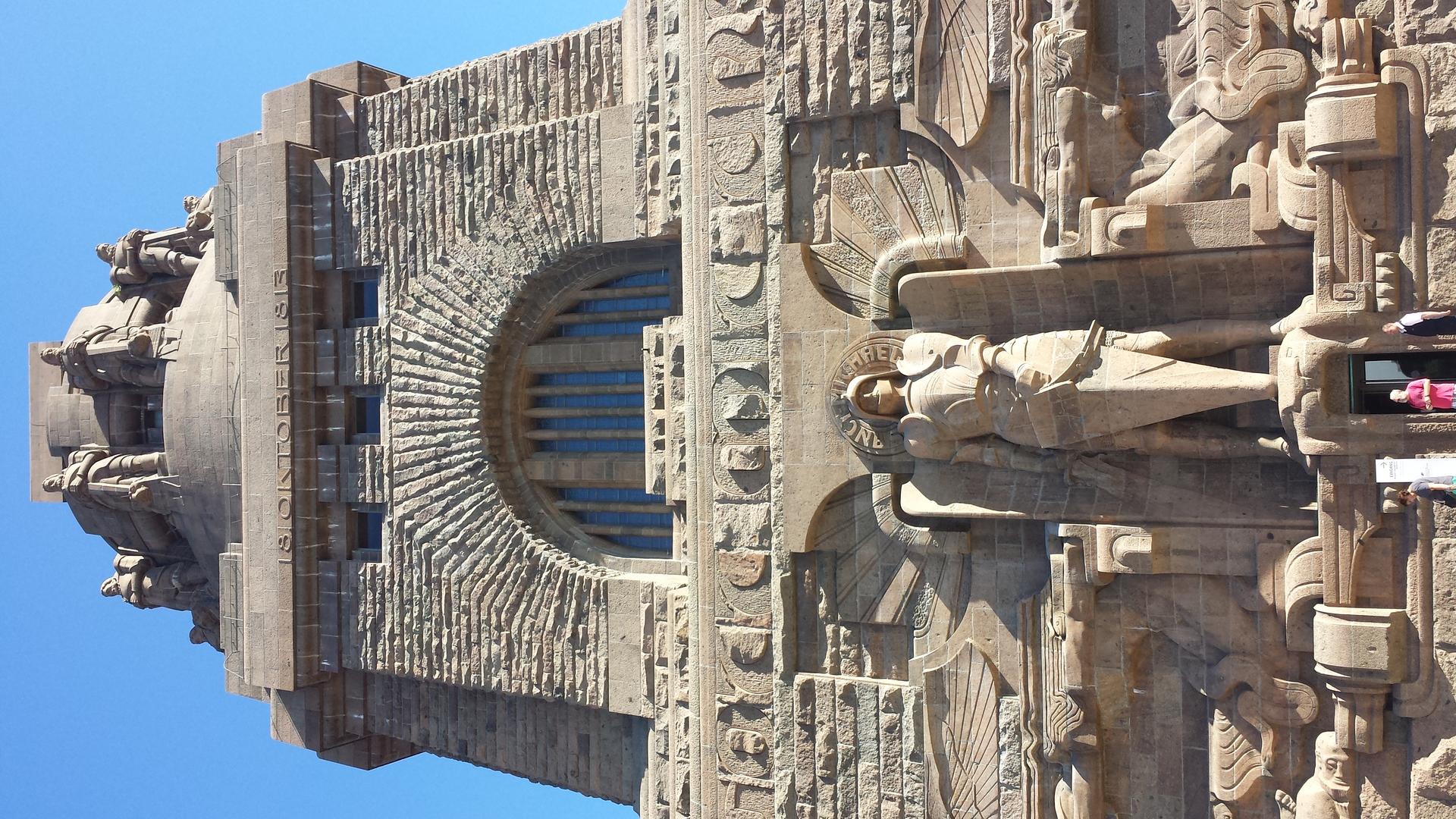
Looking beyond Holocaust Memorial? Discover Leipzig for broader travel guides, local hot-spots, and regional highlights.
Explore Leipzig
Discover Leipzig's oldest Baroque building, the Alte Börse, a historic merchant meeting place now hosting concerts, lectures, and events in the heart of the charming Naschmarkt.
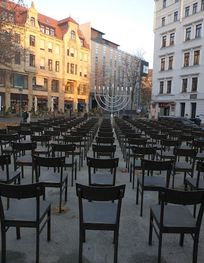
A poignant memorial in Leipzig honoring the destroyed Jewish synagogue and the victims of the Holocaust, urging remembrance and promoting tolerance in the city center.
