Karl-Marx-Monument, Saxony Travel Guide
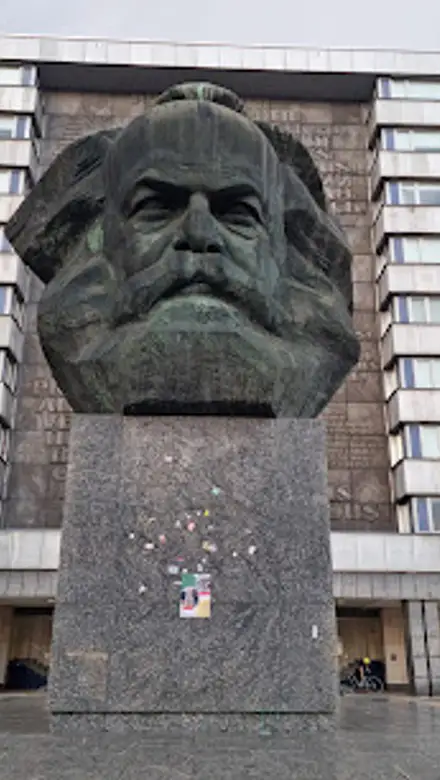
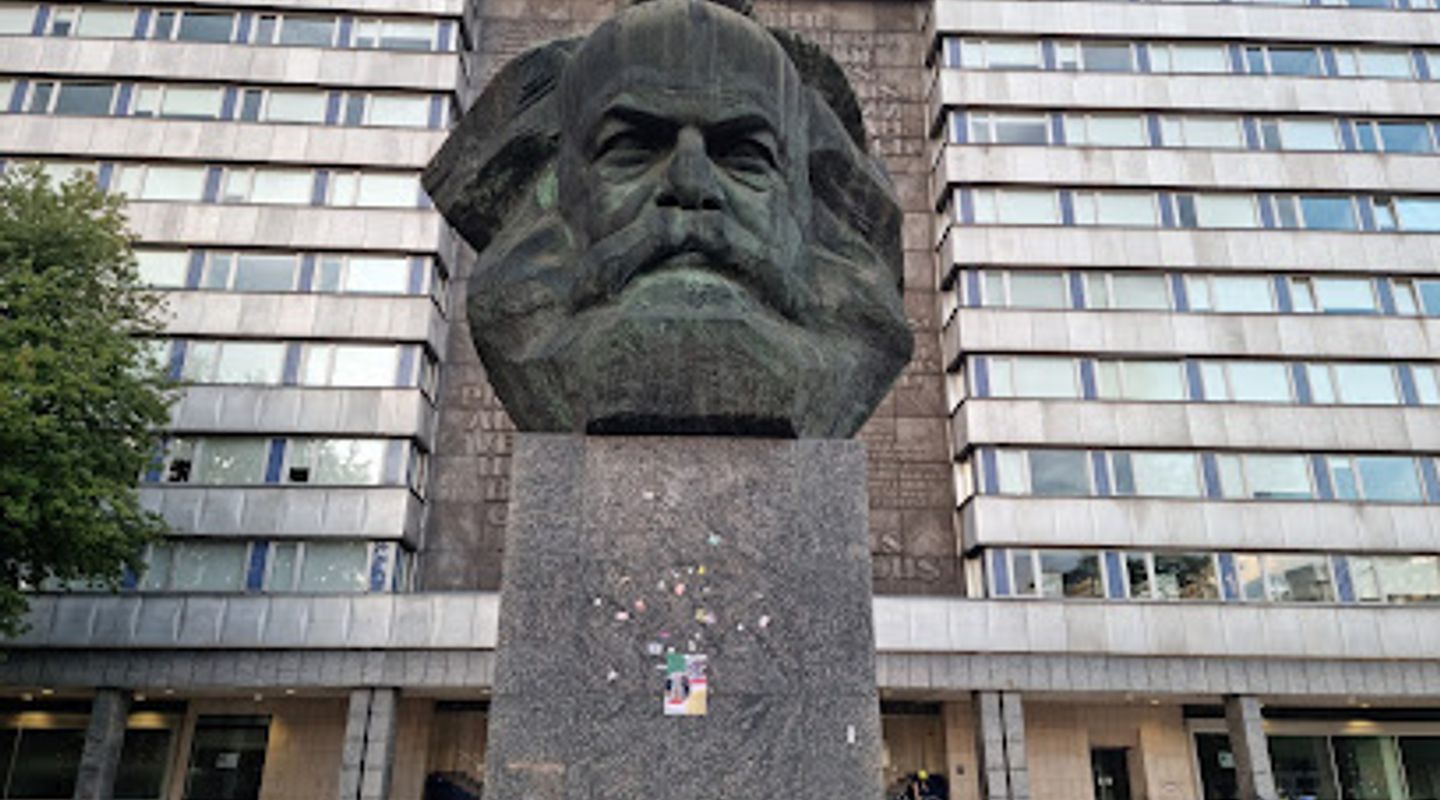
Discover the iconic Karl Marx Monument in Chemnitz, a colossal bronze bust and a powerful symbol of the city's complex history as Karl-Marx-Stadt during the GDR era.
The Karl Marx Monument, affectionately known as "Nischel" (head) by locals, is a towering bronze bust in the heart of Chemnitz. Erected in 1971, it commemorates Karl Marx and serves as a powerful reminder of the city's history as Karl-Marx-Stadt during the German Democratic Republic era. Designed by Soviet sculptor Lev Kerbel, the monument stands over 13 meters tall and weighs 40 tons, making it one of the largest busts in the world. The inscription "Workers of the world, unite!" adorns the wall behind the monument in four languages, symbolizing the Communist Manifesto's call for international solidarity. Today, the monument is a popular meeting point, photo opportunity, and a tangible link to Chemnitz's past, sparking reflection and discussion about its complex history.
A brief summary to Karl-Marx-Monument
- Brückenstraße 10, Chemnitz, Chemnitz-Zentrum, 09111, DE
- Click to display
- Click to display

Know before you go
Hi, I'm Eve. Here are a few practical things to know before exploring Karl-Marx-Monument.
- Take a stroll around the monument to fully appreciate its scale and the surrounding architecture.
- Visit the monument at night when it is illuminated, creating a dramatic and memorable experience.
- Learn about the history of Chemnitz as Karl-Marx-Stadt to understand the monument's significance.
- Bring your camera to capture the imposing size and unique features of the Karl Marx Monument.
Do you manage this location?
Take control to get all the benefits, like improved information, better appearance, and stronger visibility across AI-powered discovery. Learn more about listing your business on Evendo
Activate your presenceOther nearby places you may find interesting
The closest places of the same kind, if this one is not quite what you had in mind.
Explore Karl-Marx-Monument on the Map
A handpicked selection of must-see spots near Karl-Marx-Monument, mapped for you.
Unlock the Best of Karl-Marx-Monument
Buy tickets
-
No tickets available
Book tours with entry
-
No tours available


Getting There
-
Walking
The Karl Marx Monument is centrally located and easily accessible on foot from most points in Chemnitz city center. From the Chemnitz Central Station (Hauptbahnhof), walk north along Bahnhofstraße, then turn left onto Brückenstraße. The monument will be on your right, approximately a 15-minute walk. Orientation points include the Stadthalle Chemnitz and the Roter Turm (Red Tower), both visible along the route.
-
Public Transport
The monument is well-served by Chemnitz's extensive tram and bus network. Several tram lines (including lines 1, 2, 4, and 6) stop at the 'Roter Turm' or 'Zentralhaltestelle' (Central Stop) which are both within a few minutes' walk of the monument. From either stop, follow Brückenstraße in the direction of the river. A single ticket for a short trip (Kurzstrecke) on public transport costs approximately €1.80. A single ticket within Chemnitz (Tarifzone 1) costs approximately €2.60.
-
Taxi/Ride-Share
Taxis and ride-sharing services are readily available in Chemnitz. A short taxi ride from the Chemnitz Central Station to the Karl Marx Monument typically costs between €8 and €12, depending on traffic and the specific company. Request to be dropped off near Brückenstraße 10 for the closest access.
-
Driving
If driving, navigate to Brückenstraße 10, 09111 Chemnitz. Limited parking is available directly at the Karl Marx Monument. However, several public parking garages are located within a short walking distance, including one at Pfortensteg/Theaterstraße. Parking fees in the city center typically range from €1.50 to €2.50 per hour. Be aware of resident parking zones.
Discover more about Karl-Marx-Monument













Your all‑in‑one travel companion app
Explore expert travel guides, compare and book tours, experiences, hotels, and more—all from the palm of your hand. Download now for seamless trip planning wherever your wanderlust takes you.


Explore More of Saxony
Looking beyond Karl-Marx-Monument? Discover Saxony for broader travel guides, local hot-spots, and regional highlights.
Explore Saxony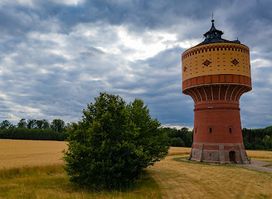
Discover the historic Wasserturm Mittweida, a beautifully restored water tower offering a glimpse into the town's past and a vibrant community space for all to enjoy.
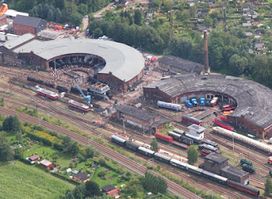
Explore Germany's railway history at the Saxon Railway Museum in Chemnitz, home to an impressive collection of locomotives and interactive exhibits in a historic depot setting.