

Free Saxony Travel Guide & Mobile App
Explore Saxony with free travel guides. Discover regional history, expert tips, proposed trips, and audio guides on web or mobile app.


Explore Saxony for Dresden’s Baroque treasures, Leipzig’s creative energy, Ore Mountain crafts, Elbe vineyards and Saxon Switzerland’s sandstone scenery.
Read more about Saxony
When is the best time to visit Saxony?
Best: June–August · 21–23°C| Month | High (°C) | Rainfall (mm) |
|---|---|---|
| January | 3 | 41 |
| February | 3 | 36 |
| March | 8 | 42 |
| April | 13 | 46 |
| May | 19 | 52 |
| June (best) | 21 | 62 |
| July (best) | 23 | 67 |
| August (best) | 22 | 61 |
| September | 19 | 51 |
| October | 14 | 46 |
| November | 7 | 41 |
| December | 4 | 46 |
Getting to and around Saxony
How to get there
Transportation
Top city travel guides in Saxony
The cities of Saxony, and the easiest places to base yourself.
-

-


Swipe for more cities
Destinations in Saxony
Resorts, valleys and scenic spots worth a trip of their own.
-

-

-


Swipe for more destinations
Best attractions in Saxony
Saxony’s attractions range from internationally important art collections and concert institutions to forests, sandstone cliffs and industrial museums. Dresden concentrates the Royal Palace collections, the Zwinger, the Albertinum, the Frauenkirche and the Semperoper within a walkable historic core, while Leipzig offers the Museum of Fine Arts, the Bach Museum, the Monument to the Battle of the Nations and a wide range of music and contemporary culture. Meissen combines its porcelain tradition with a historic cathedral and castle precinct. Saxon Switzerland National Park provides hiking among table mountains, ravines and viewpoints above the Elbe, and the wider Elbe valley is suited to cycling and river excursions. In the Ore Mountains, mining museums, model railways, craft workshops and upland landscapes explain a distinctive regional culture. Chemnitz provides industrial and modern-art collections, while Görlitz and Bautzen reward visitors interested in architecture, urban history and Lusatian traditions. The region’s appeal lies in the close succession of urban culture, historic manufacturing, protected landscapes and small-town heritage.
-
Historical landmark
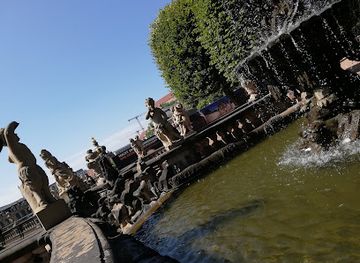
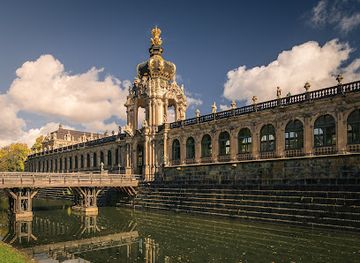
Dresden Zwinger
Discover the Dresden Zwinger, a breathtaking Baroque palace housing world-renowned art collections and stunning gardens, a testament to Dresden's rich cultural heritage.
-
Fortress
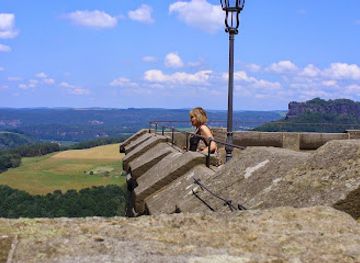
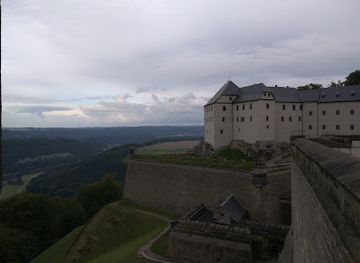
Königstein Fortress
Discover the grandeur of Königstein Fortress, a historic gem with breathtaking views, engaging exhibits, and rich military history in the heart of Germany.
-
Castle
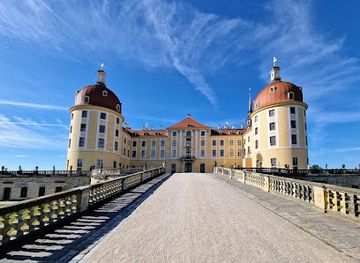
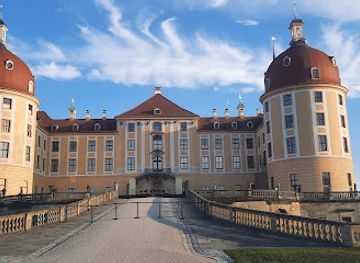
Moritzburg Castle
Discover Moritzburg Castle, a fairytale Baroque palace near Dresden, showcasing opulent interiors, vast hunting trophy collections, and the enchanting Feather Room.
-
Historical landmark
Bastei Bridge
Discover the iconic Bastei Bridge in Saxon Switzerland: a stunning sandstone bridge offering breathtaking views, rich history, and unforgettable hiking experiences in a natural masterpiece.
Best landmarks in Saxony
Dresden’s skyline is defined by the Frauenkirche, whose reconstructed dome has become a symbol of the city’s recovery, together with the Baroque Zwinger, the Semperoper and the palace complex along the Elbe. In Meissen, Albrechtsburg and the cathedral occupy the hill above the old town, linking medieval power with the origins of European hard-paste porcelain production. The Bastei bridge and pinnacles in Saxon Switzerland form Saxony’s most recognisable natural landmark, rising above the Elbe’s sandstone gorge country. Leipzig’s Monument to the Battle of the Nations is a monumental reminder of the 1813 conflict and one of the city’s most distinctive structures. The reconstructed old town of Görlitz preserves an exceptional sequence of Gothic, Renaissance, Baroque and nineteenth-century buildings, while Bautzen’s hilltop towers and fortifications reflect its long Lusatian history. In the Ore Mountains, mining landscapes, church towers and traditional villages express the region’s centuries-old relationship with silver, craft and upland settlement.
-
Historical landmark
Dresden Zwinger
Explore the Dresden Zwinger, a breathtaking Baroque palace filled with art and history, set in beautiful gardens in the heart of Dresden.
-
Fortress
Königstein Fortress
Discover the rich history and breathtaking views at Königstein Fortress, a must-visit landmark in Saxon Switzerland.
-
Castle
Moritzburg Castle
Explore Moritzburg Castle, a baroque masterpiece surrounded by serene lakes and lush landscapes, perfect for history lovers and nature enthusiasts alike.
-
Historical landmark
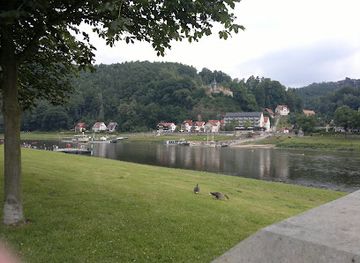
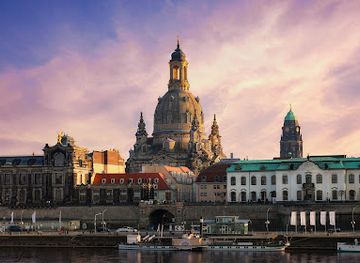
Brühl's Terrace
Explore the beauty of Brühl's Terrace in Dresden, a historical landmark offering stunning views of the Elbe and iconic city architecture.
Explore Saxony on the map
Plan your trip on one map. See where the top cities, national parks and sights are, and book hotels and experiences in a few clicks.
Best hotels in Saxony
Best restaurants in Saxony
Saxon dining is rooted in filling central European cooking but has plenty of regional variation. In Leipzig, traditional and contemporary restaurants serve dishes associated with the city and wider Saxony, including Leipziger Allerlei, a vegetable preparation whose modern versions may be considerably lighter than its historical reputation. Dresden and the Elbe valley are known for cakes such as Eierschecke, while Quarkkeulchen, potato dishes, soups and seasonal game appear in many traditional menus. Pulsnitzer Pfefferkuchen, a spiced biscuit from Pulsnitz, is a notable Lusatian speciality, and Ore Mountain cooking often reflects upland farming traditions. Bakeries and cafés are important places to try regional cakes, while breweries and country inns provide Saxon beers and hearty meals. Around Meissen, local wines offer a distinctive accompaniment to the region’s food, although production is relatively small. Farmers’ markets, food halls and independent cafés in Leipzig, Dresden and smaller market towns provide the broadest choice for visitors seeking local produce alongside contemporary German cuisine.
-
German
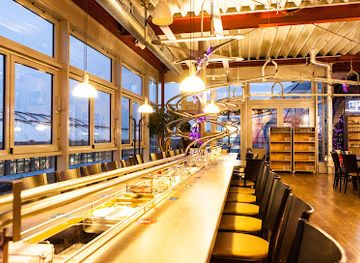
Schwerelos – Das Achterbahn-Restaurant
Experience thrilling roller coaster dining at Schwerelos – Das Achterbahn-Restaurant in Dresden! Enjoy delicious German cuisine delivered by miniature coasters.
-
German
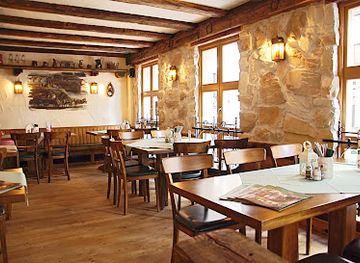
Kutscherschänke - Uriges Wirtshaus
Experience authentic German cuisine at Kutscherschänke - a rustic restaurant that captures the heart of Dresden's culinary scene.
-
Restaurant
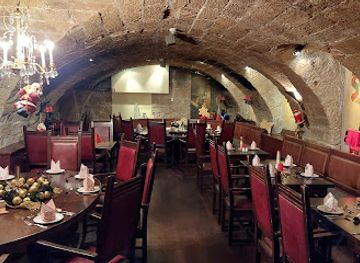
Sophienkeller im Taschenbergpalais
Experience exquisite Saxon cuisine in an elegant setting at Sophienkeller im Taschenbergpalais in Dresden.
-
Bavarian restaurant
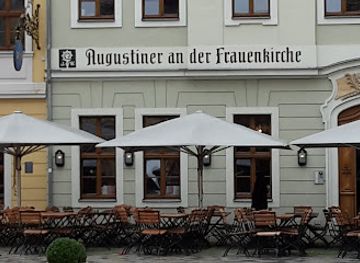
Augustiner an der Frauenkirche Restaurant
Savor authentic Bavarian cuisine and local brews at Augustiner an der Frauenkirche - where tradition meets taste in Dresden's vibrant heart.
Best bars in Saxony
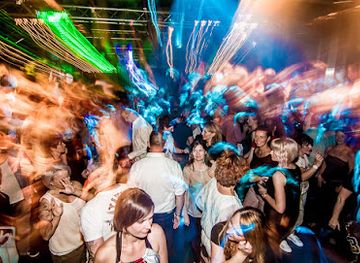
Saxony’s evening life differs sharply between its cities and rural districts. Leipzig has the region’s broadest choice of bars, live-music rooms, cultural venues and late-night restaurants, particularly around the central districts and the alternative-oriented neighbourhoods east and west of the centre. Dresden offers traditional beer cellars, wine bars, cocktail venues, concert audiences and nightlife in both the historic centre and Neustadt. Chemnitz has a smaller but active programme of theatres, concerts, independent venues and bars. Outside the principal cities, evenings generally centre on village pubs, historic inns, brewery restaurants and seasonal events rather than large clubs. The Elbe valley’s wine taverns and the Ore Mountains’ traditional hospitality offer a quieter alternative to urban nightlife. Visitors should expect earlier closing patterns in smaller towns and should check current arrangements for individual venues rather than assume daily opening.
-
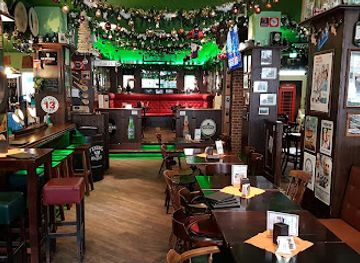
Irish pub
Shamrock Irish Bar & Restaurant
Discover Shamrock Irish Bar & Restaurant - an authentic Irish pub in the heart of Dresden, offering delightful cuisine and a lively atmosphere.
-
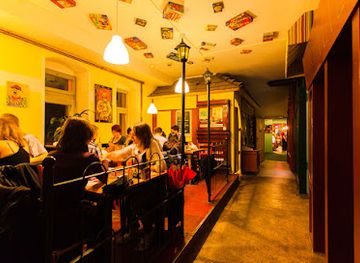
Bar
BARNEBY - Die Spielebar
Discover the vibrant BARNEBY in Dresden, a unique gaming bar offering a cozy atmosphere, diverse drinks, and a wide selection of board games for all ages.
-
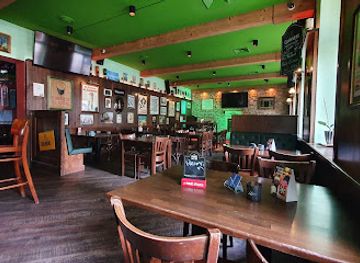
Irish pub
Irish Fiddler - Dresden
Experience authentic Irish hospitality at the Irish Fiddler in Dresden, where hearty cuisine meets a vibrant pub atmosphere.
-
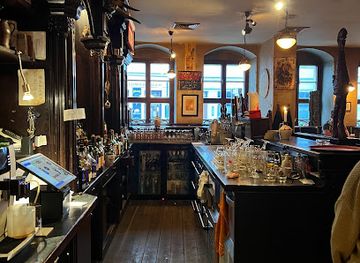
Pub
The Red Rooster - Dresden
Discover The Red Rooster in Dresden - a lively pub offering delicious food, a wide array of drinks, and a vibrant atmosphere perfect for socializing.
Best nightclubs in Saxony
Saxony’s evening life differs sharply between its cities and rural districts. Leipzig has the region’s broadest choice of bars, live-music rooms, cultural venues and late-night restaurants, particularly around the central districts and the alternative-oriented neighbourhoods east and west of the centre. Dresden offers traditional beer cellars, wine bars, cocktail venues, concert audiences and nightlife in both the historic centre and Neustadt. Chemnitz has a smaller but active programme of theatres, concerts, independent venues and bars. Outside the principal cities, evenings generally centre on village pubs, historic inns, brewery restaurants and seasonal events rather than large clubs. The Elbe valley’s wine taverns and the Ore Mountains’ traditional hospitality offer a quieter alternative to urban nightlife. Visitors should expect earlier closing patterns in smaller towns and should check current arrangements for individual venues rather than assume daily opening.
-
Disco club
Diskothek Nachtwerk
Experience the exhilarating nightlife of Zwickau at Diskothek Nachtwerk, where the dance floor comes alive with music and energy every night.
-
Disco club
Club Puschkin
Unleash your inner dancer at Club Puschkin, the heart of Dresden's nightlife, featuring great music and an electrifying atmosphere.
-
Night club
Elipamanoke - Leipzig
Experience the vibrant nightlife at Elipamanoke in Leipzig, where stylish ambiance meets energetic beats for an unforgettable night out.
-
Disco club
FUCHSBAU CHEMNITZ
Experience the vibrant nightlife at FuchsBau Chemnitz, where eclectic music and unforgettable moments await in the heart of the city.



Best shops in Saxony
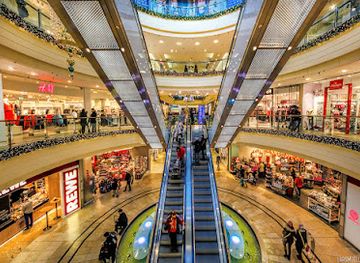
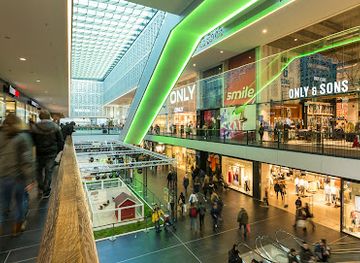
Shopping in Saxony ranges from substantial urban centres to specialised local crafts. Leipzig’s central streets and arcades combine department stores, independent design shops, bookshops and galleries, while Dresden offers a mixture of established retail around the city centre, artisan businesses and food shops. Historic Meissen is the principal place to explore the region’s porcelain identity, with outlets and displays connected to the famous manufacture; buyers should check provenance and quality marks before purchasing. The Ore Mountains are known for wooden arches, pyramids, figures and other seasonal crafts, with specialist workshops providing more context than generic souvenir stalls. Pulsnitz is associated with its traditional spiced gingerbread, and Elbe vineyards sell regional wines where visitor facilities allow. Weekly markets in larger towns are useful for bread, cheese, fruit and prepared foods, while smaller market towns such as Bautzen and Görlitz suit browsing for antiques, books, local foods and independent crafts. Retail ranges and market days vary, so confirm local arrangements before making a dedicated trip.
-
Shopping mall
Altmarkt-Galerie Dresden
Experience shopping, dining, and entertainment at the Altmarkt-Galerie Dresden, a central hub for visitors seeking the best of the city.
-
Shopping mall
Centrum Galerie Dresden
Experience shopping, dining, and local culture at Centrum Galerie Dresden – a vibrant hub for tourists and locals alike.
-
Shopping mall
Elbepark
Discover Elbepark, Dresden's vibrant shopping mall with diverse stores, delightful dining options, and family-friendly entertainment.
-
Shopping mall
Galerie Roter Turm
Discover the vibrant shopping and dining experience at Galerie Roter Turm in Chemnitz, where style meets comfort.
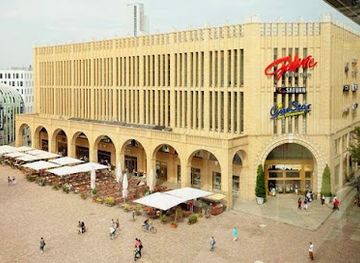
Get your free copy of our complete guide to Saxony, delivered straight to you.
Everything on this page, from attractions and restaurants to essentials and local phrases, in one PDF you can read offline, print or share.
Already have an account? Sign in
Your Saxony guide is ready.
We'll send it to · Not you? Sign out

Getting your guide ready…
We are putting together a fresh copy of the Saxony guide. This can take up to a minute.
This can take a few moments. If your browser asks, choose Allow so the download can start. You'll find the guide in your Downloads folder.
Nothing happened? Download it again
Sorry, the guide is taking longer than usual. Please try again in a minute, or get it by email instead.
Saxony essentials
Currency and Payment
Safety
Emergency Situations
Do's and Don'ts
Local Tips
From Eve
Local phrases worth knowing
You don't need to get them perfect. A few words go a long way, and locals appreciate the effort.
Basics
| English | Local | Say it |
|---|---|---|
| Hello | Hallo | [Hah-loh] |
| Goodbye | Auf Wiedersehen | [Owf Vee-der-zay-en] |
| Yes | Ja | [Yah] |
| No | Nein | [Nine] |
| Please/You're welcome | Bitte | [Bi-tuh] |
| Thank you | Danke | [Dahn-kuh] |
| Excuse me/Sorry | Entschuldigung | [Ent-shool-dee-goong] |
| How are you? | Wie geht's? | [Vee gayts?] |
| Fine. And you? | Gut. Und dir? | [Gooot. Oond deer?] |
| Do you speak English? | Sprechen Sie Englisch? | [Shpreck-en Zee Eng-lish?] |
| I don't understand | Ich verstehe nicht | [Ish fer-shtay-uh nikht] |
Eating & Drinking
| English | Local | Say it |
|---|---|---|
| I'd like to see the menu, please | Ich hätte gerne die Speisekarte, bitte | [Ish heh-teh gair-nuh dee Shpy-ze-kahr-tuh, bi-tuh] |
| I don't eat meat | Ich esse kein Fleisch | [Ish es-suh kine Flysh] |
| Cheers! | Prost! | [Prohst!] |
| I would like to pay, please | Ich möchte bezahlen, bitte | [Ish murkh-teh beh-tsahl-en, bi-tuh] |
Emergencies
| English | Local | Say it |
|---|---|---|
| Help! | Hilfe! | [Hil-feh!] |
| Go away! | Geh weg! | [Geh vek!] |
| Call the Police! | Rufen Sie die Polizei! | [Roofen Zee dee Poh-lee-tsai!] |
| Call a doctor! | Rufen Sie einen Arzt! | [Roofen Zee eye-nen Arts!] |
| I'm lost | Ich habe mich verlaufen | [Ish hah-beh mikh fer-lau-fen] |
| I'm ill | Ich bin krank | [Ish bin krank] |
Shopping
| English | Local | Say it |
|---|---|---|
| I'd like to buy... | Ich möchte kaufen... | [Ish murkh-teh kow-fen...] |
| I'm just looking | Ich schaue nur | [Ish shau-uh noor] |
| How much is it? | Wie viel kostet es? | [Vee feel kost-et es?] |
| That's too expensive | Das ist zu teuer | [Das ist tsu toy-er] |
| Can you lower the price? | Können Sie den Preis senken? | [Kurn-en Zee den Pryce zen-ken?] |
Time & Numbers
| English | Local | Say it |
|---|---|---|
| What time is it? | Wie spät ist es? | [Vee shpate ist es?] |
| It's one o'clock | Es ist ein Uhr | [Es ist ine ooh-r] |
| Half past (10) | Halb (10) | [Halb (10)] |
| Morning | Morgen | [Mor-gen] |
| Afternoon | Nachmittag | [Nahkh-mit-tahg] |
| Evening | Abend | [Ah-bent] |
| Yesterday | Gestern | [Geh-stern] |
| Today | Heute | [Hoy-tuh] |
| Tomorrow | Morgen | [Mor-gen] |
| 1 | 1 | [Eins] |
| 2 | 2 | [Zwei] |
| 3 | 3 | [Drei] |
| 4 | 4 | [Vier] |
| 5 | 5 | [Fünf] |
| 6 | 6 | [Sechs] |
| 7 | 7 | [Sieben] |
| 8 | 8 | [Acht] |
| 9 | 9 | [Neun] |
| 10 | 10 | [Zehn] |
Transport & Directions
| English | Local | Say it |
|---|---|---|
| Where's a/the...? | Wo ist ein/das...? | [Vo ist ine/das...?] |
| What's the address? | Was ist die Adresse? | [Vas ist dee Ah-dress-uh?] |
| Can you show me (on the map)? | Können Sie mir (auf der Karte) zeigen? | [Kurn-en Zee meer (owf dare Kahr-tuh) tsai-gen?] |
| When's the next (bus)? | Wann kommt der nächste (Bus)? | [Vahn kommt dare nay-shte (Boos)?] |
| A ticket (to ....) | Ein Ticket (nach....) | [Ine Tiket (nahkh....)] |
History of Saxony
Early Settlement and the Sorbian Heritage
The Elbe valley, Leipzig lowlands and eastern uplands have been settled since prehistoric times, while archaeological remains record changing farming and trading communities. From the early medieval period, West Slavic groups known as Sorbs established communities particularly in what is now Upper Lusatia. Sorbian language and cultural traditions remain visible around Bautzen, where institutions, publications and festivals support one of Germany’s recognised national minorities. The region’s later German-speaking expansion did not erase this heritage, which continues to shape the cultural character of northeastern Saxony.
The Margraviate of Meissen and the Wettins
The medieval margraviate of Meissen, centred on the Elbe, became the territorial foundation of later Saxony. Meissen Castle and cathedral occupy a strategic hill above the river, while the House of Wettin gradually accumulated authority across central Germany. Their long rule connected Saxony with major political, artistic and religious developments. Leipzig’s fairs and Dresden’s court also grew in importance under this territorial framework, helping establish the regional network of cities and trade routes that remains recognisable today.
The Reformation and Electoral Saxony
Saxony played a central role in the Reformation. Martin Luther’s preaching and writings circulated widely in the electorate, and the protection offered by Frederick the Wise helped the movement develop despite opposition from the Holy Roman Emperor. The Leipzig Debate of 1519, held between Luther and the theologian Johann Eck, became an important moment in the dispute over church authority. Churches, castles and civic collections across Saxony still preserve evidence of the religious and political transformations that followed.
Augustus the Strong and the Baroque Court
Under Augustus the Strong, Elector of Saxony and King of Poland, Dresden was transformed in the late seventeenth and early eighteenth centuries into a major Baroque court centre. Architecture, collecting, music and ceremonial culture flourished, producing landmarks such as the Zwinger and enriching the royal collections. Meissen porcelain was established in 1710 at Albrechtsburg, becoming Europe’s first successful hard-paste porcelain manufacture and a major symbol of Saxon craftsmanship. The period left Dresden with much of the artistic identity for which it is internationally known.
Industrialisation, Coal and Textiles
During the nineteenth century, Saxony became one of Germany’s most industrialised regions. Leipzig expanded as a trading and publishing centre; Chemnitz developed engineering and machine-building industries; and textile production shaped towns in the Ore Mountains, Vogtland and around Zwickau. Coal mining in the Zwickau area and lignite extraction near Leipzig supported factories and railways, while new transport links connected manufacturing districts with national markets. Industrial heritage, former factories and technical museums now provide a visible record of this transformation.
Revolution, War and the Division of Germany
Saxony experienced political upheaval during the twentieth century, including the end of its monarchy in 1918, Nazi dictatorship and the destruction of parts of Dresden during the Second World War. After 1945 it became part of the Soviet occupation zone and, from 1949, the German Democratic Republic. Leipzig’s Monday demonstrations in 1989 were among the most important peaceful protests preceding German reunification. The city’s Nicolaikirche remains closely associated with that movement, while Dresden and other towns continue to debate and interpret the legacies of war and division.
Reunification and Industrial Transformation
German reunification brought major economic and social change. Many heavy industries and mines closed or contracted, while former industrial areas were redeveloped for culture, housing, technology and environmental restoration. The Leipzig region’s post-mining lakes, Chemnitz’s renewed cultural profile and Dresden’s growth in research and technology illustrate different aspects of the transition. At the same time, historic town centres were restored and cross-border links with Poland and the Czech Republic strengthened, giving Saxony a more outward-looking role in contemporary Germany.
Saxony in Photos
Browse through our photo collection highlighting the charm and character of the destination.
Neighbouring regions of Saxony
The closest regions to Saxony, if you have time for more than one.
-

-

-

-

-


Swipe for more regions
Explore more

Explore more of Germany
Experience Germany: where history meets innovation, and urban energy blends with natural beauty. Discover diverse cultures, delicious cuisine, and stunning landscapes.
Explore Germany