Hammermuseum Travel Guide
Free Guide: Discover 240 years of iron forging history at the Hammermuseum in Hasloch, where tradition meets technology in the heart of the Spessart region, showcasing the legacy of Kurtz Ersa.


A brief summary of Hammermuseum
Discover 240 years of iron forging history at the Hammermuseum in Hasloch, where tradition meets technology in the heart of the Spessart region, showcasing the legacy of Kurtz Ersa.
The Hammermuseum in Hasloch, Germany, offers a fascinating glimpse into the history of iron forging and the evolution of the Kurtz Ersa Corporation. Housed within a historic iron hammer mill dating back to 1779, the museum showcases over 240 years of industrial heritage. Visitors can explore the workings of water-powered hammers, discover the craftsmanship behind forged products, and learn about the transition from traditional methods to modern technology. Interactive exhibits provide hands-on experiences, making it an engaging destination for all ages. The museum not only preserves the legacy of ironworking but also highlights the ingenuity and innovation that have shaped the region's industrial landscape. It's a unique opportunity to witness 'living technology' and appreciate the enduring impact of this vital craft.
Opening hours
- MonClosed
- TueClosed
- WedClosed
- Thu11 am–4 pm
- Fri11 am–4 pm
- Sat11 am–4 pm
- Sun11 am–4 pm
Opening hours as listed on the venue’s Google Business Profile. Hours can change for services and special events, so check with the venue before you go.
- Address
- Eisenhammer, 97907 Hasloch
- Phone
- Website
Getting there
Driving
Public Transport
Discover more about Hammermuseum
Overview
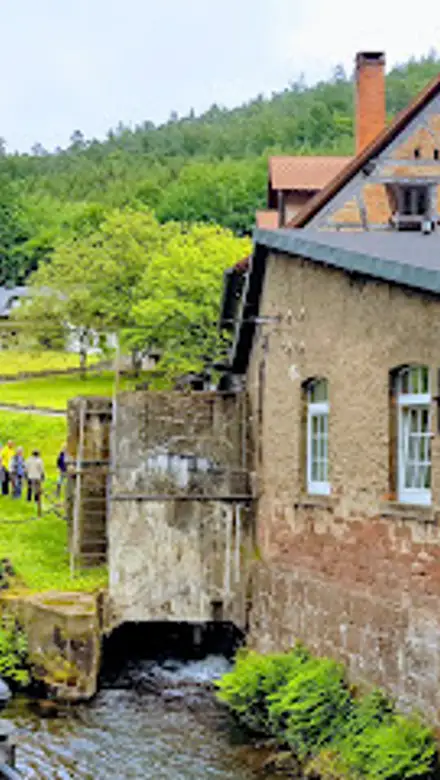
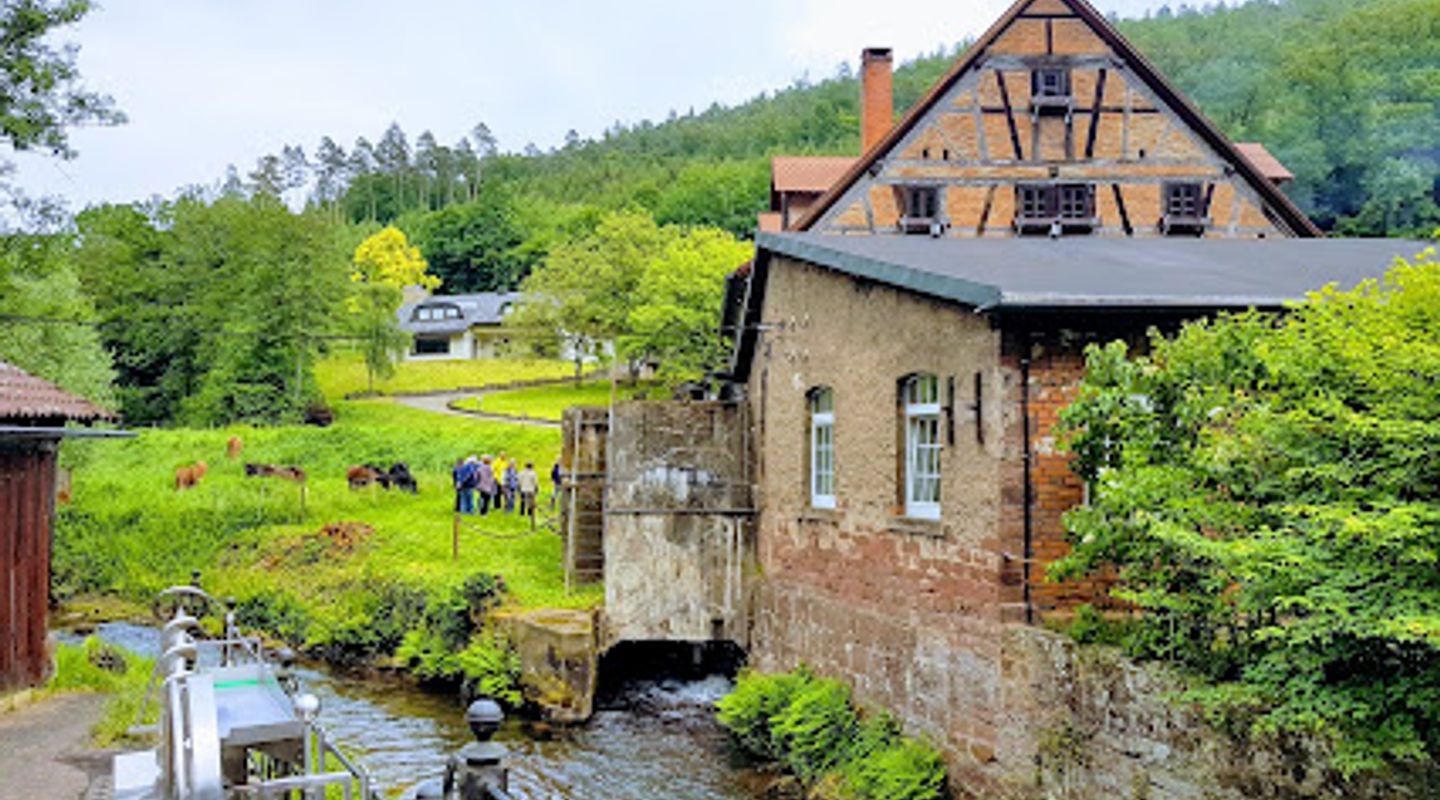
Nestled in the idyllic Hasel Valley near Hasloch, Bavaria, the Hammermuseum offers a captivating journey through the history of iron forging and the legacy of the Kurtz Ersa Corporation. Housed within the historic Eisenhammer (iron hammer mill), dating back to 1779, the museum provides a unique glimpse into the region's industrial past and the evolution of a family-owned business into a global technology leader. The museum's origins lie in the abundance of trees in the nearby Spessart forest and the waterpower provided by the Haselbach creek. In 1779, the three ruling Counts of Löwenstein-Wertheim granted the brothers Tobias and Johann-Heinrich Wenzel permission to establish an iron hammer mill, marking the beginning of what would become the Kurtz Ersa Corporation. The mill harnessed the power of the Haselbach to drive its water wheels, powering the hammers that forged iron products. For centuries, the Eisenhammer played a vital role in the region's economy, producing a variety of forged goods. One of its specialties was the creation of Klöppel (clappers) for church bells, crafted with remarkable precision. The mill also produced agricultural tools, such as plowshares, with an annual output of 40,000 to 50,000 pieces. The process involved heating iron pieces to a white-hot state in nearby furnaces, fueled by a water-powered blower that has been in operation for over a century. As industrialization progressed, many iron hammer mills in the Spessart region fell silent, unable to compete with the efficiency of modern factories. However, the Hasloch Eisenhammer persevered, thanks to the dedication of the Kurtz Ersa Corporation, which recognized its historical significance and continued its operation as a living testament to the past. In 2014, the Kurtz Ersa Corporation opened the Hammermuseum on the grounds of the Eisenhammer, creating a unique combination of industrial monument, regional museum, and brand showcase. The museum's exhibits span over 240 years of company and industrial history, from the early days of iron forging to the present-day global operations of Kurtz Ersa. Visitors can explore the workings of the water-powered hammers, learn about the different types of hammers used in the forging process, and discover the craftsmanship behind the products. The museum features interactive exhibits that allow visitors to experience the power of water and the art of soldering. Hands-on stations demonstrate how water power can be regulated and how radio circuits can be soldered, providing engaging learning opportunities for all ages. The museum also showcases the evolution of Kurtz Ersa's technologies, highlighting the company's commitment to innovation and its role in shaping the future of manufacturing. The Hammermuseum is not just a repository of historical artifacts; it is a living, breathing testament to the ingenuity and resilience of the people who have shaped the region's industrial landscape. The museum's exhibits and demonstrations bring the past to life, allowing visitors to connect with the history of iron forging and the legacy of the Kurtz Ersa Corporation. Visiting the Hammermuseum is an immersive experience that engages the senses and stimulates the mind. The rhythmic clang of the water-powered hammers, the smell of hot iron, and the sight of skilled craftsmen at work transport visitors back in time, providing a glimpse into a world where human ingenuity and natural resources combined to create essential products. The museum's interactive exhibits and informative displays offer a deeper understanding of the science and technology behind iron forging, while the stories of the people who worked at the Eisenhammer provide a human connection to the past. The Hammermuseum is a valuable cultural asset that preserves the history of iron forging and celebrates the legacy of the Kurtz Ersa Corporation. It is a place where visitors can learn about the past, appreciate the present, and imagine the future of manufacturing. Whether you are a history buff, a technology enthusiast, or simply looking for a unique and engaging experience, the Hammermuseum is sure to leave a lasting impression. The museum is open from Thursday to Sunday, offering forging demonstrations for a fee. The Kurtz Ersa Historic Center, which includes the Hammermuseum, is a testament to the company's commitment to preserving its heritage and sharing it with the world. A visit to the Hammermuseum is an opportunity to step back in time and witness the enduring power of iron forging.
Evendo Review Centre
 Google
Guest reviews
Explore Hammermuseum on the map
A handpicked selection of must-see spots near Hammermuseum, mapped for you.
Get your free copy of our complete guide to Hammermuseum, delivered straight to you.
Everything on this page, from opening hours and how to get there to Eve’s tips and the best time to go, in one PDF you can read offline, print or share.
Already have an account? Sign in
Your Hammermuseum guide is ready.
We'll send it to · Not you? Sign out

Getting your guide ready…
We are putting together a fresh copy of the Hammermuseum guide. This can take up to a minute.
This can take a few moments. If your browser asks, choose Allow so the download can start. You'll find the guide in your Downloads folder.
Nothing happened? Download it again
Sorry, the guide is taking longer than usual. Please try again in a minute, or get it by email instead.
Other nearby places you may find interesting
The closest places of the same kind, if this one is not quite what you had in mind.
-
-
-
-
-


Swipe for more places
More to explore near Hammermuseum

 Best experiences near Hammermuseum
 Best hotels near Hammermuseum
 Best landmarks near Hammermuseum
 Best attractions near Hammermuseum
 Best shops near Hammermuseum
 Best restaurants near Hammermuseum
 Best bars near Hammermuseum
Do you manage this location?
Take control to get all the benefits, like improved information, better appearance, and stronger visibility across AI-powered discovery.
Explore more
Explore more of Spessart
Discover Spessart, Germany's enchanting forested region, rich in folklore, history, and natural beauty. Wander through medieval towns, ancient woodlands, and captivating trails.
Explore Spessart
Explore more of Germany
Experience Germany: where history meets innovation, and urban energy blends with natural beauty. Discover diverse cultures, delicious cuisine, and stunning landscapes.
Explore Germany