

Free Spessart Travel Guide & Mobile App
Explore Spessart with free travel guides. Discover regional history, expert tips, proposed trips, and audio guides on web or mobile app.


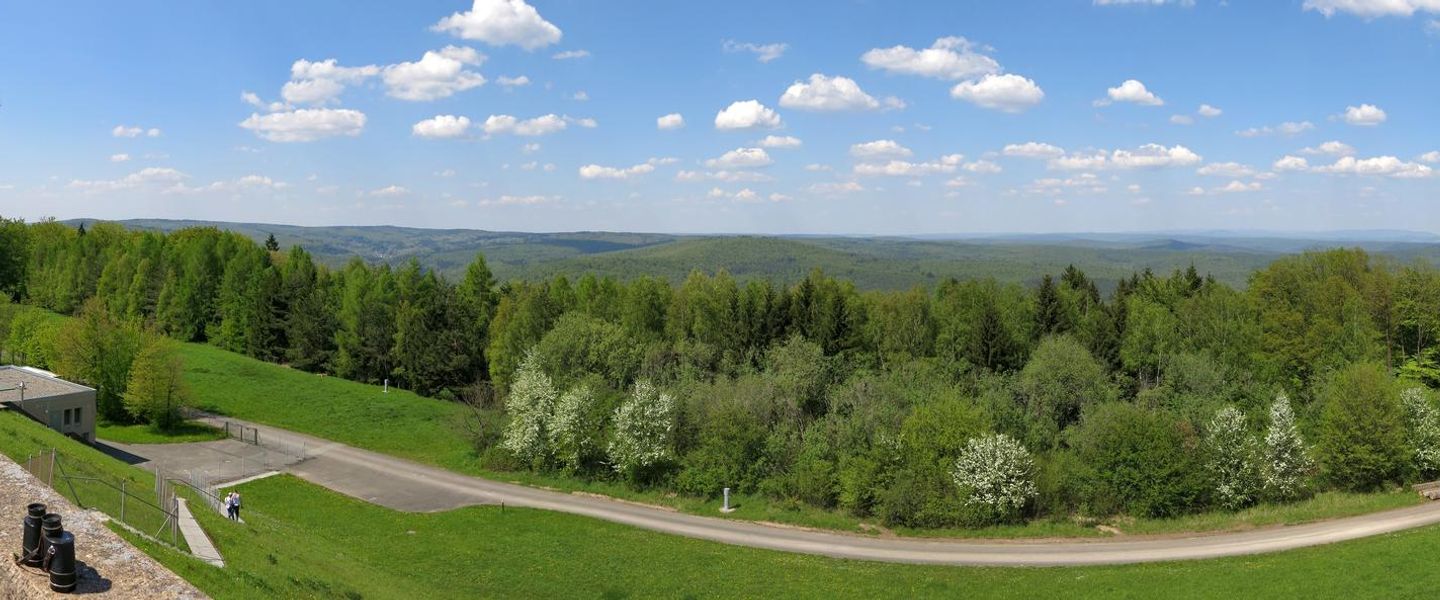


Explore Spessart’s beech forests, walking trails, timber heritage, Franconian villages and Mespelbrunn Castle between Bavaria and Hesse.
Read more about Spessart
When is the best time to visit Spessart?
Best: June–August · 20–22°C| Month | High (°C) | Rainfall (mm) |
|---|---|---|
| January | 4 | 50 |
| February | 4 | 45 |
| March | 8 | 50 |
| April | 12 | 55 |
| May | 17 | 60 |
| June (best) | 20 | 70 |
| July (best) | 22 | 75 |
| August (best) | 22 | 70 |
| September | 19 | 65 |
| October | 14 | 55 |
| November | 8 | 60 |
| December | 5 | 55 |
Getting to and around Spessart
How to get there
Transportation
Top city travel guides in Spessart
The cities of Spessart, and the easiest places to base yourself.

Swipe for more cities
Best attractions in Spessart
The Spessart’s attractions are distributed across a large woodland landscape rather than concentrated in one resort. Walking is the principal activity, with marked routes through beech forests, clearings and valleys in both the Bavarian and Hessian nature parks. Cycling is particularly approachable along the Main and through the surrounding valleys, while more demanding rides lead into the forest uplands. Mespelbrunn Castle is the best-known historic attraction, an unusually well-preserved Renaissance residence surrounded by woodland. In Lohr am Main, the Spessart Museum explains the region’s social, economic and environmental history from a historic castle setting. The northern area around Biebergemünd provides insight into former mining, while smaller towns and villages offer churches, timber-framed buildings and local museums. Wildlife parks, forest education sites and family-oriented outdoor facilities add variety, although opening arrangements can be seasonal. The landscape itself is the consistent attraction: quiet forest roads, long-distance trails, stream valleys and viewpoints reached on foot. Travellers should expect distances between sites and plan visits by cluster rather than treating the Spessart as a compact circuit.
-
Tourist attraction
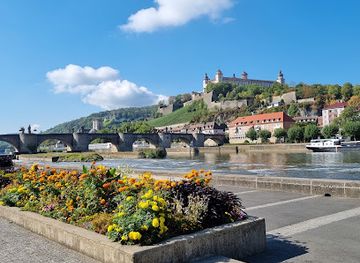
Old Main Bridge
Walk across Würzburg's iconic Old Main Bridge, adorned with Baroque statues, offering panoramic city views and a vibrant atmosphere where Franconian wine flows freely.
-
Tourist attraction
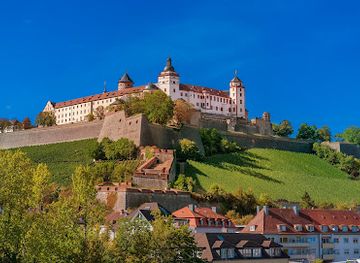
Marienberg Fortress
Explore the iconic Marienberg Fortress in Würzburg: a historic landmark offering stunning views, rich history, and Franconian art treasures, despite ongoing renovations.
-
Castle
Würzburg Residence
Discover the stunning Baroque architecture and rich history of the Würzburg Residence, a UNESCO World Heritage site in Germany.
-
Tourist attraction
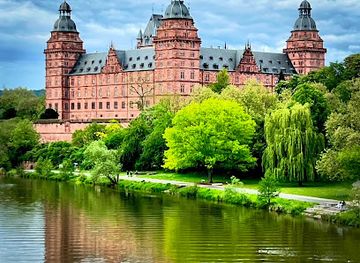
Johannisburg Palace
Explore the grandeur of Johannisburg Palace in Aschaffenburg: a Renaissance masterpiece showcasing stunning architecture, art collections, and picturesque gardens along the Main River.

Best landmarks in Spessart
Mespelbrunn Castle is the Spessart’s defining architectural landmark. Its moat, towers and Renaissance additions create a distinctive ensemble in a wooded valley, and its survival is closely linked to the secluded setting and the history of the local Echter family. Lohr Castle, now home to the Spessart Museum, is another major reference point: the Renaissance residence stands above the old Main town and reflects Lohr’s former importance in regional administration and trade. The historic centre of Lohr contains further timber-framed and civic buildings, while Aschaffenburg’s Johannisburg Castle marks the western edge of the Spessart and expresses the area’s historical connection with the archbishops of Mainz. In the northern forest, the former mining landscape around Bieber is a reminder that the range was also an industrial resource zone. Natural landmarks are less dramatic than alpine peaks but no less characteristic: extensive beech woods, wooded ridges and the Main valley’s contrasting open slopes define the visual identity of the region.
-
Plaza
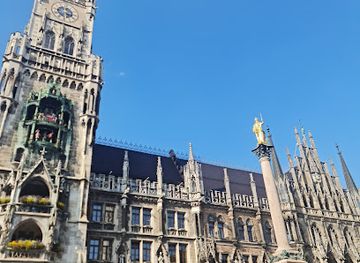
Marienplatz
Discover the charm of Marienplatz, Munich's iconic square, where history meets vibrant culture in the heart of Bavaria.
-
Castle
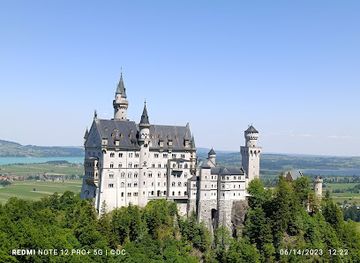
Neuschwanstein Castle
Experience the magic of Neuschwanstein Castle, a stunning architectural gem nestled in the Bavarian Alps, captivating visitors with its fairy-tale charm.
-
Castle
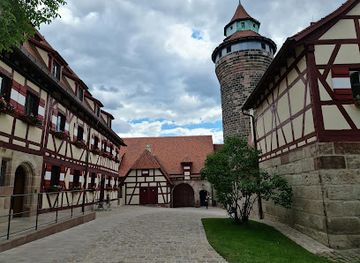
Imperial Castle of Nuremberg
Explore the Imperial Castle of Nuremberg, a majestic fortress steeped in history, offering breathtaking views and captivating exhibits in a picturesque setting.
-
Castle
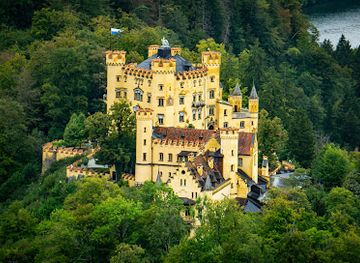
Hohenschwangau Castle
Explore Hohenschwangau Castle, a majestic Bavarian landmark offering stunning architecture, rich history, and breathtaking alpine views.
Explore Spessart on the map
Plan your trip on one map. See where the top cities, national parks and sights are, and book hotels and experiences in a few clicks.
Best hotels in Spessart
Best restaurants in Spessart
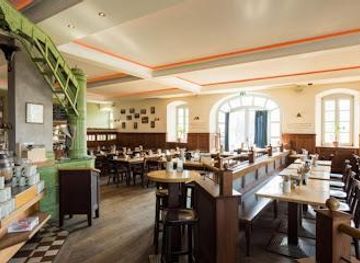
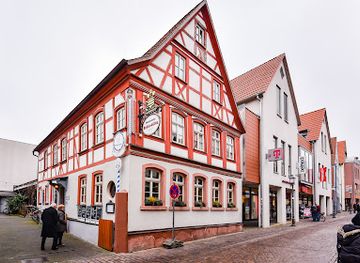
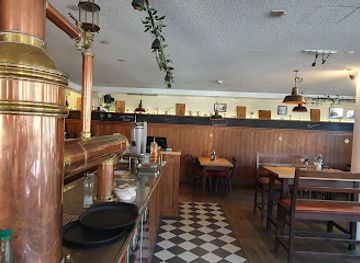
Spessart dining reflects the overlap between Bavarian Franconia, Hesse and the Main valley. Traditional Gasthäuser serve hearty regional food such as pork dishes, sausages, dumplings, potato-based specialities and seasonal game, while rural cafés provide cakes, pastries and strong coffee after a walk. Franconian influence is especially clear around the Main, where local wines accompany meals in suitable areas; beer is also a dependable part of the regional table. Forest produce, mushrooms and venison appear seasonally rather than as a single defining cuisine, and menus vary between villages and valley towns. Lohr am Main, Aschaffenburg and other larger settlements offer the broadest choice, including contemporary German cooking, international restaurants and cafés. In the interior, dining tends to centre on traditional inns with limited weekly opening, so check ahead and avoid assuming that a small village will have food available late in the evening. Farmers’ markets and food shops are useful for bread, regional sausages, cheese, preserves and picnic supplies.
-
German
Brauerei-Gasthof Alter Kranen
Savor Franconian feasts and fresh Hofbräu by the Main, where historic crane views meet Würzburg's river magic in a vibrant beer garden haven.
-
Franconian restaurant
Bräustüble
Experience authentic Franconian cuisine at Bräustüble in Marktheidenfeld – where tradition meets flavor in every dish.
-
Brewpub
Keiler Brauhaus
Discover the rich flavors of Germany at Keiler Brauhaus – where local brews meet traditional Franconian cuisine.
-
 Restaurant
Hotel Jägerhof
Experience exquisite dining and cozy accommodations at Hotel Jägerhof in beautiful Weibersbrunn - where culinary delights meet serene landscapes.
Best bars in Spessart
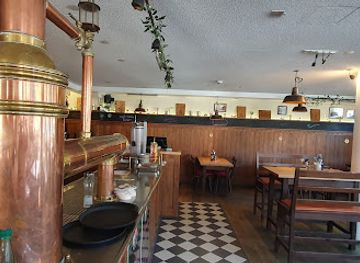
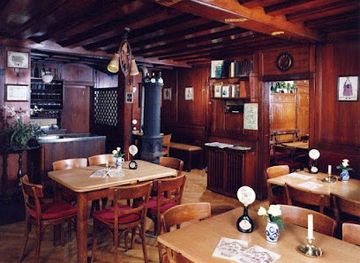
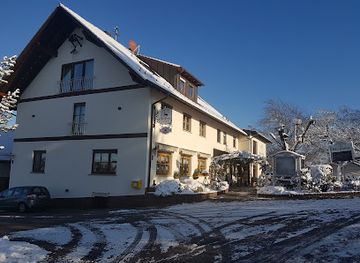
Evenings in the Spessart are generally centred on traditional pubs, brewery-linked restaurants, wine taverns and village Gasthäuser rather than a large nightclub scene. Lohr am Main and Aschaffenburg, at the region’s margins, provide the widest choice of bars, cafés, live music and later-opening venues; smaller towns may have occasional cultural events but limited late-night transport. Along the Main, wine-focused establishments reflect Franconian traditions, while beer gardens and relaxed pubs are more typical of rural communities. Historic inns can be atmospheric places for a meal and drink, but their schedules vary considerably outside the main season. Visitors staying in forest villages should arrange a taxi or designated driver rather than assume that public transport will run late. Nightlife is therefore best approached as an extension of local dining and community life, with theatre, concerts and seasonal events often more relevant than dedicated clubs.
-
Brewpub
Keiler Brauhaus
Discover the authentic taste of Bavaria at Keiler Brauhaus - a delightful brewpub in Lohr am Main featuring house-brewed beers and traditional Franconian cuisine.
-
Hotel
Zum Wiesengrund
Experience the essence of German hospitality at Zum Wiesengrund, where delicious cuisine meets a cozy atmosphere in beautiful Heimbuchenthal.
-
Wine bar
Weinhaus Mehling
Explore Weinhaus Mehling, a charming wine bar and restaurant in Lohr am Main, offering exquisite wines and delicious local cuisine in a cozy atmosphere.
-
Guest house
Gasthof zur Geisshoehe
Discover the picturesque Gasthof zur Geisshoehe: a delightful guest house with hiking trails and a charming beer garden in the heart of Dammbach.
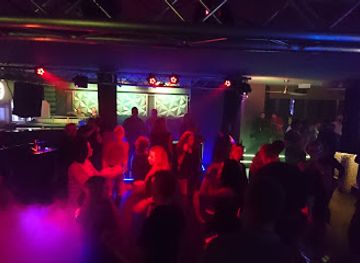
Best nightclubs in Spessart
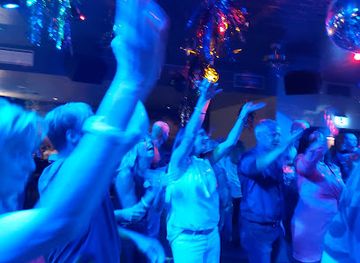
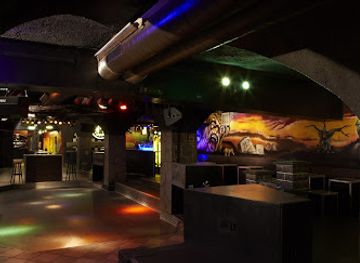
Evenings in the Spessart are generally centred on traditional pubs, brewery-linked restaurants, wine taverns and village Gasthäuser rather than a large nightclub scene. Lohr am Main and Aschaffenburg, at the region’s margins, provide the widest choice of bars, cafés, live music and later-opening venues; smaller towns may have occasional cultural events but limited late-night transport. Along the Main, wine-focused establishments reflect Franconian traditions, while beer gardens and relaxed pubs are more typical of rural communities. Historic inns can be atmospheric places for a meal and drink, but their schedules vary considerably outside the main season. Visitors staying in forest villages should arrange a taxi or designated driver rather than assume that public transport will run late. Nightlife is therefore best approached as an extension of local dining and community life, with theatre, concerts and seasonal events often more relevant than dedicated clubs.
-
Disco club
Tanzparadies Aschaffenburg
Dance the night away at Tanzparadies Aschaffenburg, a premier disco club offering an electrifying nightlife experience in the heart of the city.
-
Night club
Club Airport in Würzburg
Discover the lively nightlife of Würzburg at Club Airport, where great music, drinks, and an unforgettable atmosphere await you.
-
Night club
Labyrinth Discotheque
Discover the vibrant nightlife of Würzburg at Labyrinth Discotheque, where music, drinks, and dance create unforgettable memories.
-
Disco club
Cloud Seven
Discover the electrifying nightlife at Cloud Seven, Aschaffenburg's premier disco club and bar, where unforgettable nights await.

Best shops in Spessart
Shopping in the Spessart is centred on Main-valley towns, market communities and local producers rather than large destination retail complexes. Lohr am Main and Aschaffenburg offer the broadest choice of everyday shops, books, clothing, galleries and cafés, while smaller places provide independent bakeries, butcheries, farm shops and traditional high-street businesses. Weekly markets, where operating days vary, are useful for regional fruit, vegetables, bread, cheese and prepared foods. Visitors can look for Franconian wines, local beer, honey, preserves, sausages and woodland-related products as practical souvenirs. Craft and gift shops near historic attractions may carry ceramics, woodwork or locally themed items, but quality and availability vary by season. Rural shopping is often limited outside daytime hours, and Sunday trading is generally restricted under German rules, so buy picnic supplies before heading into the forest. The most characteristic purchases are edible regional products and small craft goods rather than luxury merchandise.
-
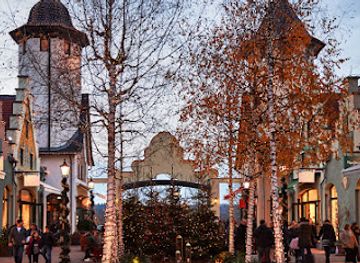
Shopping mall
Wertheim Village
Explore Wertheim Village, a stunning outlet mall that offers luxury shopping, delightful dining, and a charming atmosphere in the heart of Bavaria.
-
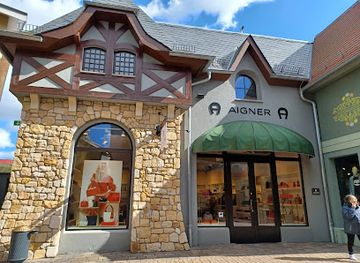
Shopping mall
Aigner Outlet
Explore luxury shopping at Aigner Outlet in Wertheim, featuring premium leather goods and fashionable clothing for men and women at unbeatable prices.
-
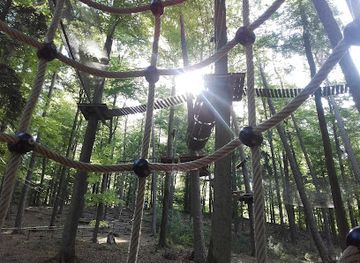
High ropes course
Kletterwald Spessart
Experience the thrill of climbing at Kletterwald Spessart, a top destination for adventure lovers in the heart of nature, perfect for families and outdoor enthusiasts.
-
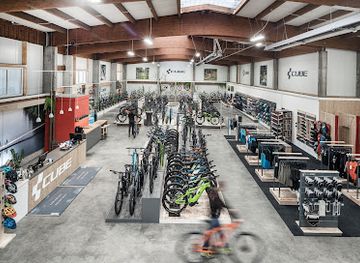
Bicycle store
CUBE Store Lohr am Main - bikePoint Rhön GmbH & Co KG
Explore the best of cycling at CUBE Store Lohr am Main - your one-stop destination for quality bikes and expert advice.
Get your free copy of our complete guide to Spessart, delivered straight to you.
Everything on this page, from attractions and restaurants to essentials and local phrases, in one PDF you can read offline, print or share.
Already have an account? Sign in
Your Spessart guide is ready.
We'll send it to · Not you? Sign out

Getting your guide ready…
We are putting together a fresh copy of the Spessart guide. This can take up to a minute.
This can take a few moments. If your browser asks, choose Allow so the download can start. You'll find the guide in your Downloads folder.
Nothing happened? Download it again
Sorry, the guide is taking longer than usual. Please try again in a minute, or get it by email instead.
Spessart essentials
Currency and Payment
Safety
Emergency Situations
Do's and Don'ts
Local Tips
From Eve
Local phrases worth knowing
You don't need to get them perfect. A few words go a long way, and locals appreciate the effort.
Basics
| English | Local | Say it |
|---|---|---|
| Hello | Hallo | [Hah-loh] |
| Goodbye | Auf Wiedersehen | [Owf Veeder-zey-en] |
| Yes | Ja | [Yah] |
| No | Nein | [Nyn] |
| Please/You're welcome | Bitte | [Bi-teh] |
| Thank you | Danke | [Dahn-keh] |
| Excuse me/Sorry | Entschuldigung | [Ent-shool-dee-goong] |
| How are you? | Wie geht's? | [Vee gayts?] |
| Fine. And you? | Gut. Und dir? | [Goot. Oond deer?] |
| Do you speak English? | Sprechen Sie Englisch? | [Shpreck-en Zee Eng-lish?] |
| I don't understand | Ich verstehe nicht | [Ish fer-shteh-eh nikht] |
Eating & Drinking
| English | Local | Say it |
|---|---|---|
| I'd like to see the menu, please | Ich hätte gerne die Speisekarte, bitte | [Ish het-teh ger-neh dee Shpy-zeh-kar-teh, bi-teh] |
| I don't eat meat | Ich esse kein Fleisch | [Ish ess-eh kyn Flysh] |
| Cheers! | Prost! | [Prohst] |
| I would like to pay, please | Ich möchte bezahlen, bitte | [Ish merkh-teh beh-tsah-len, bi-teh] |
Emergencies
| English | Local | Say it |
|---|---|---|
| Help! | Hilfe! | [Hil-feh] |
| Go away! | Geh weg! | [Geh vek] |
| Call the Police! | Rufen Sie die Polizei! | [Roof-en Zee dee Po-lee-tsai] |
| Call a doctor! | Rufen Sie einen Arzt! | [Roof-en Zee eye-nen Artst] |
| I'm lost | Ich habe mich verlaufen | [Ish hah-beh mikh fer-lou-fen] |
| I'm ill | Ich bin krank | [Ish bin krank] |
Shopping
| English | Local | Say it |
|---|---|---|
| I'd like to buy... | Ich möchte ... kaufen | [Ish merkh-teh ... kow-fen] |
| I'm just looking | Ich schaue nur | [Ish shou-eh noor] |
| How much is it? | Wie viel kostet es? | [Vee feel kost-et es?] |
| That's too expensive | Das ist zu teuer | [Das ist tsu toy-er] |
| Can you lower the price? | Könnten Sie den Preis senken? | [Kern-ten Zee den Pryce sen-ken?] |
Time & Numbers
| English | Local | Say it |
|---|---|---|
| What time is it? | Wie spät ist es? | [Vee shpet ist es?] |
| It's one o'clock | Es ist ein Uhr | [Es ist ine Oor] |
| Half past (10) | Halb (10) | [Hahlb (10)] |
| Morning | Morgen | [Mor-gen] |
| Afternoon | Nachmittag | [Nahk-mit-tahg] |
| Evening | Abend | [Ah-bent] |
| Yesterday | Gestern | [Geh-stern] |
| Today | Heute | [Hoy-teh] |
| Tomorrow | Morgen | [Mor-gen] |
| 1 | Eins | [Eyns] |
| 2 | Zwei | [Tsvy] |
| 3 | Drei | [Dry] |
| 4 | Vier | [Feer] |
| 5 | Fünf | [Fuenf] |
| 6 | Sechs | [Zex] |
| 7 | Sieben | [Zee-ben] |
| 8 | Acht | [Aht] |
| 9 | Neun | [Noyn] |
| 10 | Zehn | [Tsayn] |
Transport & Directions
| English | Local | Say it |
|---|---|---|
| Where's a/the...? | Wo ist ein/das...? | [Vo ist ine/das...?] |
| What's the address? | Was ist die Adresse? | [Vas ist dee Ah-dress-eh?] |
| Can you show me (on the map)? | Könnten Sie mir (auf der Karte) zeigen? | [Kern-ten Zee meer (owf der Kar-teh) tsai-gen?] |
| When's the next (bus)? | Wann kommt der nächste (Bus)? | [Vahn kommt der nay-sh-teh (Boos)?] |
| A ticket (to ....) | Ein Ticket (nach ....) | [Ine Tick-et (nahkh ....)] |
History of Spessart
Early settlement and the Roman frontier
The Spessart’s dense uplands were less intensively settled in antiquity than the surrounding river valleys, where fertile land and transport routes encouraged earlier communities. Roman influence was strongest around the Main and along the frontier systems west and north of the range; the Upper Germanic-Raetian Limes passed north of the Spessart rather than through its central forest. Archaeological traces and historic routeways show that the woodland was not an empty wilderness, but a resource zone connected to settlements on its margins. The Main valley in particular linked the region to wider political and commercial networks.
Medieval forest and ecclesiastical power
During the early and high Middle Ages, the Spessart became associated with extensive royal and aristocratic woodland. Hunting rights, timber and control of routes were important sources of power, while monasteries and ecclesiastical territories helped organise settlement around the forest edges. Castles and fortified sites guarded approaches through the Main valley and neighbouring routes. As population increased, clearings and villages expanded into the uplands, although woodland remained the defining land use. The division of the region between different lordships is still reflected in its varied historic architecture and local identities.
Mespelbrunn and the Renaissance Main valley
The late medieval and Renaissance periods left some of the Spessart’s most visible architectural traces. Mespelbrunn Castle developed from a fortified house into the moated Renaissance residence seen today, while towns along the Main prospered through trade, crafts and administration. Aschaffenburg’s position at the western edge of the forest brought it into the orbit of powerful ecclesiastical and political rulers, and Lohr am Main grew as a centre for river commerce and regional government. Churches, timber-framed buildings and aristocratic residences preserve this period’s legacy.
Mining, glassmaking and forest industries
The Spessart’s natural resources supported a range of industries from the early modern period into the nineteenth century. Timber supplied construction, fuel and charcoal; streams powered mills; and local ores encouraged mining, most notably around Bieber in the northern Spessart. Glassmaking also depended on quartz, wood fuel and suitable woodland locations. These activities were often small-scale and dispersed, but they shaped settlement patterns, woodland management and livelihoods. Museums and former industrial sites provide context for a history that goes beyond the region’s castles and romantic forest stories.
Forestry and modern transport
From the eighteenth century onwards, more systematic forestry sought to regulate timber supplies and improve the long-term management of the woodland. Roads, river traffic and later railways connected the forest margins more closely with Aschaffenburg, Würzburg, Frankfurt and the Main valley. Industrialisation did not transform the interior as dramatically as it did nearby urban areas, but it changed commuting, trade and the marketing of timber and forest products. Railway lines through the surrounding valleys also made the region more accessible to visitors and helped its towns develop as service centres.
The Spessart in popular culture
Stories of forest bandits and dangerous travellers became strongly associated with the Spessart, particularly through nineteenth-century literature and later film. These accounts drew on real concerns about travel, poverty and law enforcement but also reshaped the forest into a romantic setting. The image remains part of the region’s tourism identity, yet the historical Spessart was equally defined by forestry, farming, mining and trade. Contemporary interpretation generally places the legends alongside evidence of everyday work and settlement rather than presenting them as the region’s whole history.
Nature conservation and regional identity
In the twentieth and twenty-first centuries, the Spessart’s woodland became increasingly important for conservation, recreation and regional planning. The Bavarian Spessart Nature Park and the Hessian Spessart Nature Park support walking, cycling, landscape education and protection of forest habitats across state boundaries. Conservation debates have also highlighted the value of old beech stands and the pressures created by forestry, roads and climate change. Today the Spessart is understood both as a living cultural landscape and as one of central Germany’s significant wooded natural areas.
Spessart in Photos
Browse through our photo collection highlighting the charm and character of the destination.
Neighbouring regions of Spessart
The closest regions to Spessart, if you have time for more than one.
-

-

-

-

-


Swipe for more regions
Explore more

Explore more of Germany
Experience Germany: where history meets innovation, and urban energy blends with natural beauty. Discover diverse cultures, delicious cuisine, and stunning landscapes.
Explore Germany