
Marienberg, Spessart Travel Guide
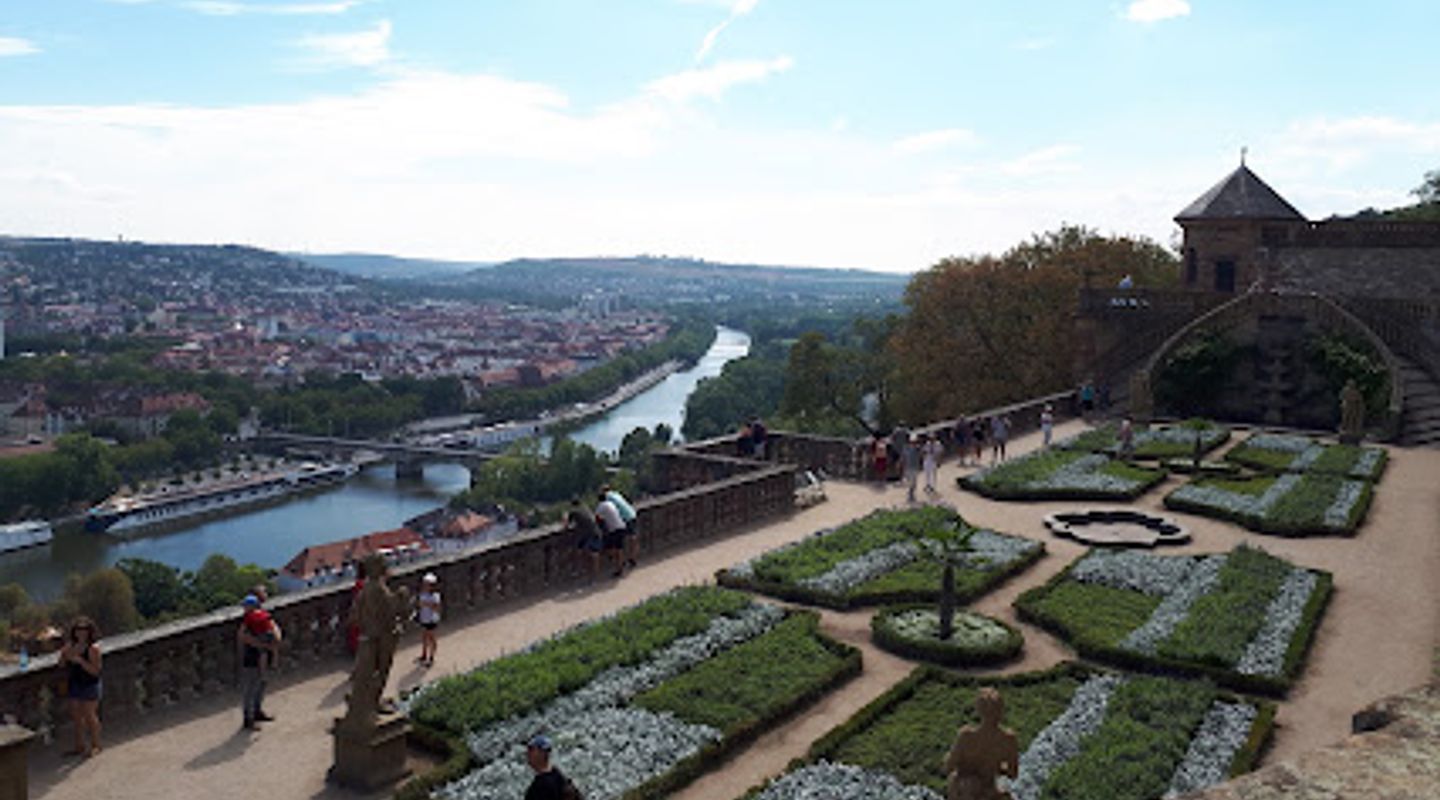
Explore the majestic Marienberg Fortress in Würzburg: a historic landmark offering panoramic views, Franconian art, and a journey through centuries of rich history and culture.
Perched atop a hill overlooking Würzburg, the Marienberg Fortress is a powerful symbol of the city's rich history and strategic importance. Originally a Celtic refuge, it evolved into a formidable medieval castle, serving as the residence of the Prince-Bishops for centuries. Explore its imposing walls, towers, and the charming Marienkirche, a church dating back to AD 706. The fortress offers panoramic views of Würzburg and the Main River, providing a breathtaking backdrop to your historical exploration. Discover the 'Museum für Franken' within its walls, showcasing an impressive collection of Franconian art and artifacts. Whether you're a history enthusiast, a culture seeker, or simply looking for stunning vistas, Marienberg Fortress promises an unforgettable experience. Comfortable shoes are recommended for the uphill walk, and allow ample time to explore the extensive grounds and museums.
A brief summary to Marienberg
- Oberer Burgweg, Würzburg, Zellerau, 97082, DE
- Click to display

Know before you go
Hi, I'm Eve. Here are a few practical things to know before exploring Marienberg.
- Wear comfortable shoes, as the walk to the fortress involves a steep uphill climb. The cobblestone paths within the fortress can also be uneven.
- Check the opening hours of the 'Museum für Franken' in advance, as they may vary depending on the season. Allow at least 2-3 hours to fully explore the museum's collections.
- Consider taking a guided tour to gain deeper insights into the fortress's history and architecture. Tours are available in multiple languages.
- Bring a camera to capture the stunning panoramic views of Würzburg and the Main River from the fortress walls and the Fürstengarten (when open).
- If visiting during the summer months, bring water and sunscreen, as the fortress grounds can get quite hot. There are limited shaded areas.
Do you manage this location?
Take control to get all the benefits, like improved information, better appearance, and stronger visibility across AI-powered discovery. Learn more about listing your business on Evendo
Activate your presenceOther nearby places you may find interesting
The closest places of the same kind, if this one is not quite what you had in mind.
Explore Marienberg on the Map
A handpicked selection of must-see spots near Marienberg, mapped for you.
Getting There
-
Walking
From the Alte Mainbrücke (Old Main Bridge), cross the bridge heading north. At the end of the bridge, turn left onto the smaller road following signs for Marienberg Fortress. The path meanders uphill, offering scenic views. The walk takes approximately 20-30 minutes, but the climb is steep. There are no costs associated with walking.
-
Public Transport
Take bus line 9 from Würzburg Residenzplatz directly to the 'Festung' stop. This bus operates only from April to October. From the bus stop, it's a short, slightly uphill walk to the fortress entrance. A single bus fare costs approximately €2.60.
-
Taxi/Ride-Share
A taxi or ride-share from Würzburg city center to Marienberg Fortress takes about 10-15 minutes, depending on traffic. Expect to pay around €15-€19. Be aware that during peak tourist season, availability may be limited.
-
Driving
If driving, follow signs for 'Festung Marienberg'. Limited parking is available near the fortress (Oberer Burgweg, 97082 Würzburg). Parking fees are €3.00 per day. Parking spaces fill up quickly, especially during peak season. From the parking area, there is a short walk to the fortress entrance.
Discover more about Marienberg













Your all‑in‑one travel companion app
Explore expert travel guides, compare and book tours, experiences, hotels, and more—all from the palm of your hand. Download now for seamless trip planning wherever your wanderlust takes you.


Explore More of Spessart
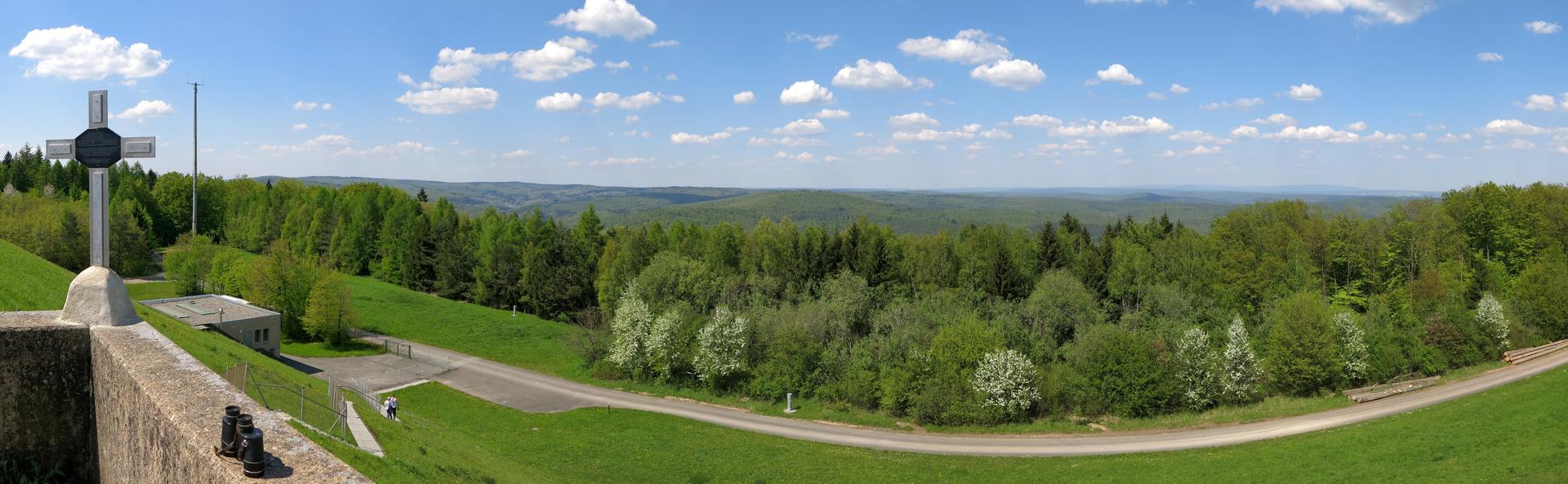
Looking beyond Marienberg? Discover Spessart for broader travel guides, local hot-spots, and regional highlights.
Explore Spessart
Explore the captivating Barockfiguren in Würzburg, where exquisite baroque sculptures reveal the city's rich cultural heritage and artistic brilliance.
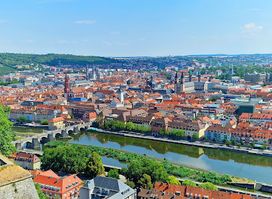
Discover the stunning Marienberg Fortress in Würzburg, a blend of history, architecture, and breathtaking views overlooking the city and the Main River.
