

Schloss Veitshöchheim Travel Guide
Free Guide: Discover Schloss Veitshöchheim, the enchanting former summer residence of Würzburg's Prince-Bishops, showcasing stunning Rococo gardens and opulent interiors.


A brief summary of Schloss Veitshöchheim
Discover Schloss Veitshöchheim, the enchanting former summer residence of Würzburg's Prince-Bishops, showcasing stunning Rococo gardens and opulent interiors.
Schloss Veitshöchheim, a former summer residence of the Würzburg Prince-Bishops, is a captivating destination renowned for its stunning Baroque architecture and exquisite Rococo gardens. Originally a summer house in the late 17th century, it was transformed into a magnificent palace in the 18th century by Balthasar Neumann, also the architect of the Würzburg Residence. Visitors can explore the opulent interiors, stroll through the meticulously designed gardens adorned with sculptures and water features, and immerse themselves in the history and beauty of this Bavarian treasure. The palace offers a glimpse into the lavish lifestyle of the past, while the gardens provide a tranquil escape, making it a must-see attraction for history buffs and nature lovers alike.
Opening hours
- MonClosed
- Tue9 am–5:30 pm
- Wed9 am–5:30 pm
- Thu9 am–5:30 pm
- Fri9 am–5:30 pm
- Sat9 am–5:30 pm
- Sun9 am–5:30 pm
Opening hours as listed on the venue’s Google Business Profile. Hours can change for services and special events, so check with the venue before you go.
- Address
- Echterstraße 10, 97209 Veitshöchheim
- Phone
- Website
Getting there
Public Transport
Taxi/Ride-Share
Driving
Discover more about Schloss Veitshöchheim
Overview
Schloss Veitshöchheim, nestled just a few kilometers down the Main River from Würzburg, stands as a testament to the opulence and artistry of the Baroque and Rococo periods. This former summer residence of the Würzburg Prince-Bishops, and later, Bavarian royalty, offers a captivating journey through history, architecture, and landscape design. Originally conceived as a modest summer retreat in 1680 by Prince-Bishop Peter Philipp von Dernbach, the estate underwent a significant transformation in the 18th century. The renowned architect Balthasar Neumann, celebrated for his work on the Würzburg Residence, lent his genius to Veitshöchheim, expanding the palace and imbuing it with the graceful lines and intricate details characteristic of the Rococo style. Neumann added flanking wings, a harmonious interior staircase, and a well-proportioned roofline, creating the harmonious ensemble visitors admire today. Inside the palace, a guided tour unveils the private apartments of the Prince-Bishops and the guest rooms, offering a glimpse into the daily life and refined tastes of the era. The historical furnishings, original stucco work by Antonio Guiseppe Bossi, and colorful paper wall coverings in the Biedermeier style evoke the atmosphere of the 18th and early 19th centuries. An exhibition on the ground floor details the fascinating history of the Veitshöchheim Court Garden. However, the true glory of Schloss Veitshöchheim lies in its magnificent Rococo gardens, considered among the most important of their kind in Germany. Spanning over 12 hectares, the gardens present a meticulously planned landscape of hedged walkways, sculpted lawns, and dazzling water features. Unlike many contemporary gardens that were later converted into English landscape parks, Veitshöchheim has retained its original Rococo design, offering a rare glimpse into the aesthetic preferences of the 18th century. The gardens are divided into three distinct areas: the woodland region, the arbour region, and the lake region. Each section boasts its own unique character and charm, adorned with approximately 300 sandstone sculptures by renowned Würzburg court sculptors, including Ferdinand Tietz and Johann Peter Wagner. These sculptures depict a delightful array of figures, from Greek gods and goddesses to playful putti and mythical creatures, adding a touch of whimsy and theatricality to the landscape. The heart of the garden is the Great Lake, in the center of which rises the Musenberg Parnassus, a sculptural group created by Ferdinand Tietz in 1766. Inspired by Greek mythology, the Musenberg Parnassus represents the home of the Muses and the god Apollo, embodying the artistic and intellectual aspirations of the Rococo era. From April to October, visitors can witness the historical water games on the Great Lake, which take place every hour on the hour from 1 pm to 5 pm. As you stroll through the gardens, be sure to explore the various pavilions, rondels, and hidden corners, each offering new perspectives and surprises. The carefully designed sightlines and vistas create a sense of depth and intrigue, inviting visitors to lose themselves in the beauty and tranquility of the surroundings. The garden's design reflects the Rococo ideal of "Zierlichkeit" (ornateness), where every element, from the meticulously trimmed hedges to the vibrant flowerbeds, contributes to the overall aesthetic harmony. Veitshöchheim's allure extends beyond its architectural and horticultural splendor. The palace and gardens have witnessed centuries of history, from their role as a summer retreat for powerful Prince-Bishops to their brief occupation by Grand Duke Ferdinand of Tuscany in the early 19th century. The site's enduring appeal lies in its ability to transport visitors back in time, offering a tangible connection to the past. Today, Schloss Veitshöchheim is managed by the Bavarian Administration of State-Owned Palaces, Gardens, and Lakes, ensuring its preservation for future generations. Whether you are an avid history buff, a passionate gardener, or simply seeking a peaceful escape, Schloss Veitshöchheim offers an unforgettable experience that captures the essence of Bavarian beauty and heritage. The combination of architectural grandeur, artistic landscaping, and historical significance makes it a truly exceptional destination.
Evendo Review Centre
 Google
Guest reviews
Explore Schloss Veitshöchheim on the map
A handpicked selection of must-see spots near Schloss Veitshöchheim, mapped for you.
Get your free copy of our complete guide to Schloss Veitshöchheim, delivered straight to you.
Everything on this page, from opening hours and how to get there to Eve’s tips and the best time to go, in one PDF you can read offline, print or share.
Already have an account? Sign in
Your Schloss Veitshöchheim guide is ready.
We'll send it to · Not you? Sign out

Getting your guide ready…
We are putting together a fresh copy of the Schloss Veitshöchheim guide. This can take up to a minute.
This can take a few moments. If your browser asks, choose Allow so the download can start. You'll find the guide in your Downloads folder.
Nothing happened? Download it again
Sorry, the guide is taking longer than usual. Please try again in a minute, or get it by email instead.
Other nearby places you may find interesting
The closest places of the same kind, if this one is not quite what you had in mind.
-
-
-
-
-


Swipe for more places
More to explore near Schloss Veitshöchheim

 Best experiences near Schloss Veitshöchheim
 Best hotels near Schloss Veitshöchheim
 Best landmarks near Schloss Veitshöchheim
 Best attractions near Schloss Veitshöchheim
 Best shops near Schloss Veitshöchheim
 Best restaurants near Schloss Veitshöchheim
 Best bars near Schloss Veitshöchheim
Do you manage this location?
Take control to get all the benefits, like improved information, better appearance, and stronger visibility across AI-powered discovery.
Explore more
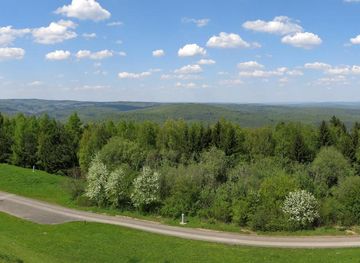
Explore more of Spessart
Discover Spessart, Germany's enchanting forested region, rich in folklore, history, and natural beauty. Wander through medieval towns, ancient woodlands, and captivating trails.
Explore Spessart
Explore more of Germany
Experience Germany: where history meets innovation, and urban energy blends with natural beauty. Discover diverse cultures, delicious cuisine, and stunning landscapes.
Explore Germany
