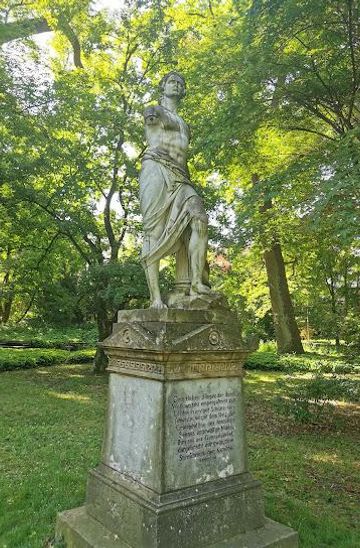
Alter Botanischer Garten: A Green Oasis in Tübingen
Discover Tübingen's historic green heart: the Alter Botanischer Garten, a tranquil park with majestic trees, vibrant lawns, and a rich botanical past, perfect for relaxation and recreation.
The Alter Botanischer Garten (Old Botanical Garden) in Tübingen is a beloved green space nestled between the historic city center and the Wilhelmstraße university area. Originally established in the early 19th century as the university's botanical garden, it has since transformed into a vibrant municipal park. Today, it serves as a popular meeting spot for students, locals, and tourists alike, offering a tranquil escape with its sprawling lawns, majestic trees, and charming atmosphere. Visitors can relax on the grass, admire the diverse collection of trees, or simply enjoy a peaceful stroll through this historic garden. The park also features a playground, making it an ideal destination for families. With its central location and free admission, the Alter Botanischer Garten is a must-visit destination for anyone seeking a moment of serenity in the heart of Tübingen.
A brief summary to Alter Botanischer Garten Tübingen
- Am Stadtgraben 2, Tübingen, 72074, DE
- Click to display

Know before you go
Hi, I'm Eve. Here are a few practical things to know before exploring Alter Botanischer Garten Tübingen.
- Pack a picnic and enjoy a relaxing afternoon on the lawn, soaking up the sun and enjoying the peaceful atmosphere.
- Take a stroll through the park and admire the diverse collection of trees, some of which are rare and exotic species.
- Visit the Hölderlin Monument and learn about the life and work of the famous German poet.
- Check the local events calendar for festivals, concerts, and other activities that take place in the park throughout the year.
- Bring your children to the playground for some fun and active playtime in a beautiful setting.
Do you manage this location?
Take control to get all the benefits, like improved information, better appearance, and stronger visibility across AI-powered discovery. Learn more
Activate your presence

Getting There
-
Walking
The Alter Botanischer Garten is centrally located and easily accessible on foot from most points in Tübingen's city center. From the Marktplatz (market square), walk north along Wilhelmstraße for approximately 5 minutes. The garden entrance will be on your left, just past the University Library. Alternatively, from the train station, walk through the city center towards the Stiftskirche (Collegiate Church) and then continue north on Wilhelmstraße. The walk takes approximately 15-20 minutes. No costs are associated with walking.
-
Public Transport
Several bus lines serve the Alter Botanischer Garten. The closest bus stops are 'Wilhelmstraße' and 'Museum'. Check the local bus schedule (NALDO) for the most up-to-date information and connections from your location. A single ride ticket costs approximately €3.40 and can be purchased from the ticket machine on the bus or via the NALDO app. Bus service in Tübingen is free on Saturdays.
-
Taxi/Ride-Share
Taxis and ride-sharing services are readily available in Tübingen. A short ride from the train station or other locations in the city center to the Alter Botanischer Garten will typically cost between €8 and €12, depending on traffic and distance.
-
Driving
Parking near the Alter Botanischer Garten can be limited, especially during peak hours. The closest parking garage is the Parkhaus Altstadt-König on Herrenberger Straße, a 5-minute walk away. Parking fees at this garage vary, but typically cost around €2.50 per hour. Another option is the Parkhaus Center Mohlstraße. Consider using public transport or walking if possible, as parking can be challenging and expensive.
Discover more about Alter Botanischer Garten Tübingen
Explore the best of what Alter Botanischer Garten Tübingen has to offer
-

Best experiences near Alter Botanischer Garten Tübingen
-

Best hotels near Alter Botanischer Garten Tübingen
-

Best landmarks near Alter Botanischer Garten Tübingen
-

Best shops near Alter Botanischer Garten Tübingen
-

Best restaurants near Alter Botanischer Garten Tübingen
-

Best bars near Alter Botanischer Garten Tübingen








More about Baden
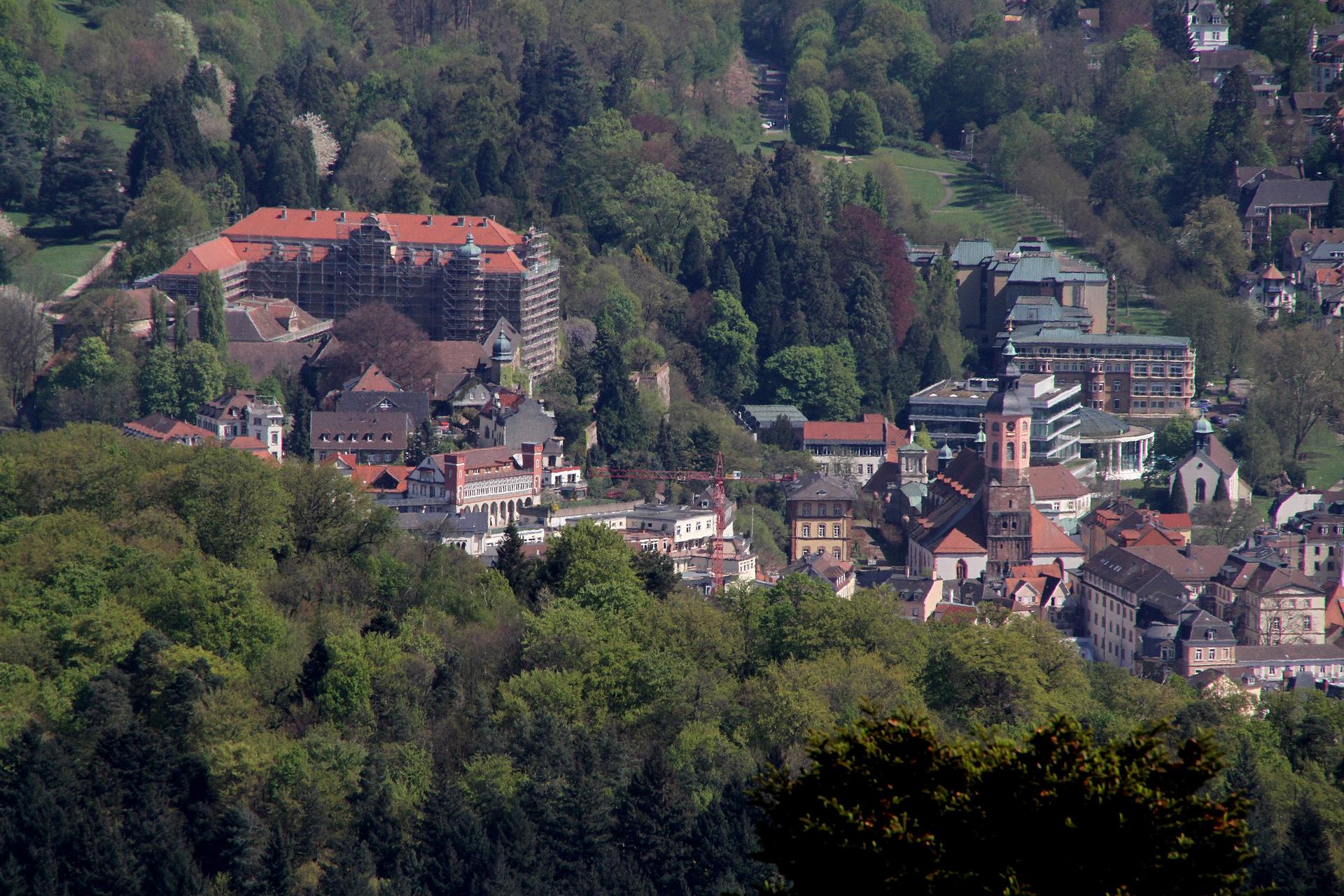
Discover Baden: A serene escape in the heart of Germany's Black Forest, renowned for its healing thermal baths, historic charm, and breathtaking natural beauty.
Tell me more about Baden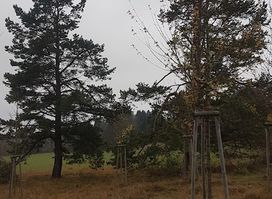
Explore the scenic beauty of Baumkreis Onstmettingen in Albstadt, a tranquil tourist attraction perfect for nature lovers and outdoor enthusiasts.
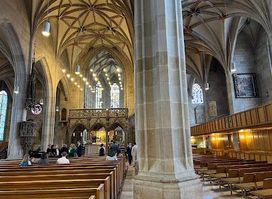
Discover Tübingen's iconic St. George's Collegiate Church: a Gothic masterpiece with stunning views, rich history, and a serene atmosphere in the heart of the city.