

Cannstatter Zuckerle, Stuttgart Travel Guide
Discover Stuttgart's sweet secret: Explore the terraced vineyards of Cannstatter Zuckerle, savor local wines, and immerse yourself in Bad Cannstatt's rich history and culture.
Cannstatter Zuckerle is more than just a name; it's an experience woven into the fabric of Stuttgart's oldest district, Bad Cannstatt. This charming area, nestled along the Neckar River, boasts a rich history dating back to Roman times, where grapevines were first planted on its sun-kissed slopes. Today, Cannstatter Zuckerle represents a cherished wine-growing tradition, producing light, fruity red wines celebrated throughout the region. Visitors can explore the terraced vineyards, enjoy panoramic views, and savor the unique flavors of this local specialty. Whether you're a wine enthusiast or simply seeking a picturesque escape, Cannstatter Zuckerle offers a delightful taste of Swabian culture and hospitality. It's a place where history, nature, and the art of winemaking converge, creating an unforgettable experience.
A brief summary to Cannstatter Zuckerle
- Stuttgart, Bad Cannstatt, DE

Know before you go
Hi, I'm Eve. Here are a few practical things to know before exploring Cannstatter Zuckerle.
- Visit during the autumn harvest for the freshest grapes and the most vibrant vineyard colors.
- Take a guided wine tour to learn about the local winemaking process and sample a variety of wines.
- Combine your visit with a stroll through Bad Cannstatt's historic center to explore its Roman ruins and charming architecture.
- Check the local event calendar for wine festivals and other celebrations that showcase the region's culture.
- Wear comfortable shoes for walking on the steep vineyard slopes and cobblestone streets.
Do you manage this location?
Take control to get all the benefits, like improved information, better appearance, and stronger visibility across AI-powered discovery. Learn more about listing your business on Evendo
Activate your presenceOther nearby places you may find interesting
The closest places of the same kind, if this one is not quite what you had in mind.

Explore Cannstatter Zuckerle on the Map
A handpicked selection of must-see spots near Cannstatter Zuckerle, mapped for you.
Getting There
-
Public Transport
From Stuttgart city center, the easiest way to reach Cannstatter Zuckerle is by taking the S-Bahn (suburban train) to Bad Cannstatt station. Several S-Bahn lines (S1, S2, S3) serve this station, with frequent departures from Stuttgart Hauptbahnhof (main station). From Bad Cannstatt station, you can either walk (approx. 20-30 minutes uphill) towards the Zuckerberg, following signs for the vineyards, or take a local bus (e.g., line 45, 52) to a stop closer to the vineyards, such as Elwertstraße. A single VVS (Verkehrs- und Tarifverbund Stuttgart) ticket for a short trip within Stuttgart costs around €1.80-€2.50.
-
Taxi/Ride-Share
A taxi or ride-sharing service from Stuttgart city center to Cannstatter Zuckerle will take approximately 15-20 minutes, depending on traffic. The cost is estimated to be between €20-€30. When providing the destination, specify that you want to go to the Zuckerberg area in Bad Cannstatt, near the vineyards.
-
Driving
If driving, navigate to Bad Cannstatt and then follow signs towards the Zuckerberg. Limited parking is available near the vineyards, often along the residential streets. Parking can be challenging, especially during peak season or events. Be aware of parking restrictions and resident-only zones. Parking fees, if applicable, are typically around €2-€3 per hour. Alternatively, consider parking at a parking garage in Bad Cannstatt (e.g., at the train station) and then walking or taking a bus to the vineyards.
Discover more about Cannstatter Zuckerle













Your all‑in‑one travel companion app
Explore expert travel guides, compare and book tours, experiences, hotels, and more—all from the palm of your hand. Download now for seamless trip planning wherever your wanderlust takes you.


Explore More of Stuttgart

Looking beyond Cannstatter Zuckerle? Discover Stuttgart for broader travel guides, local hot-spots, and regional highlights.
Explore Stuttgart
Explore millions of years of natural history at Stuttgart's State Museum, home to fascinating fossils, diverse ecosystems, and a world of scientific wonders in Rosensteinpark.
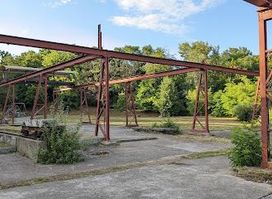
Explore Stuttgart's Travertinpark: Where industrial history meets natural beauty in a unique landscape of former quarries, protected biotopes, and monumental travertine columns.
