Travertinpark, Stuttgart Travel Guide
Free Guide: Explore Stuttgart's Travertinpark: Where industrial history meets natural beauty in a unique landscape of former quarries, protected biotopes, and monumental travertine columns.


A brief summary of Travertinpark
Explore Stuttgart's Travertinpark: Where industrial history meets natural beauty in a unique landscape of former quarries, protected biotopes, and monumental travertine columns.
Travertinpark in Stuttgart's Bad Cannstatt district offers a unique blend of natural beauty and industrial history. Once a working travertine quarry, the park now serves as a recreational area, an open-air museum, and a protected biotope. Visitors can explore the remnants of the quarrying industry, including restored crane tracks and information panels detailing the area's geological significance and the history of travertine extraction. The park also prioritizes the preservation of local flora and fauna, providing a habitat for various species, including wall lizards. With easy paths and scenic views, Travertinpark provides a tranquil escape and a glimpse into Stuttgart's industrial past, making it a worthwhile destination for nature lovers and history enthusiasts alike. The park's unique combination of geological features, industrial heritage, and ecological preservation makes it a distinctive and enriching experience for visitors of all ages.
Opening hours
- Every dayOpen 24 hours
Opening hours as listed on the venue’s Google Business Profile. Hours can change for services and special events, so check with the venue before you go.
- Address
- Hartensteinstraße 12, 70376 Stuttgart
- Website
Getting there
Public Transport
Walking
Taxi/Ride-Share
Driving
Discover more about Travertinpark
Overview
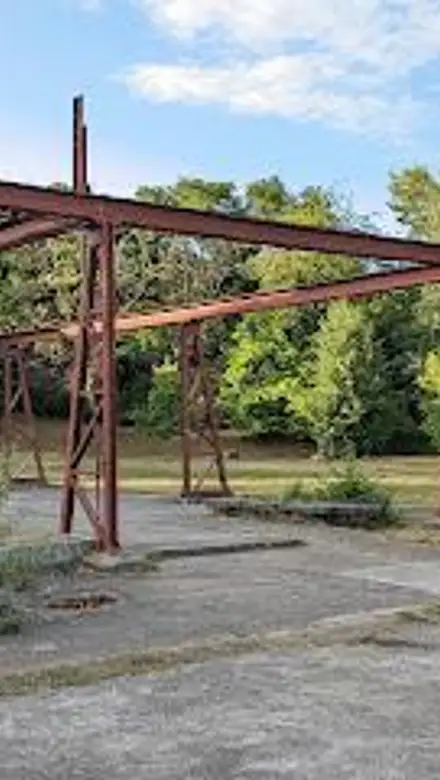
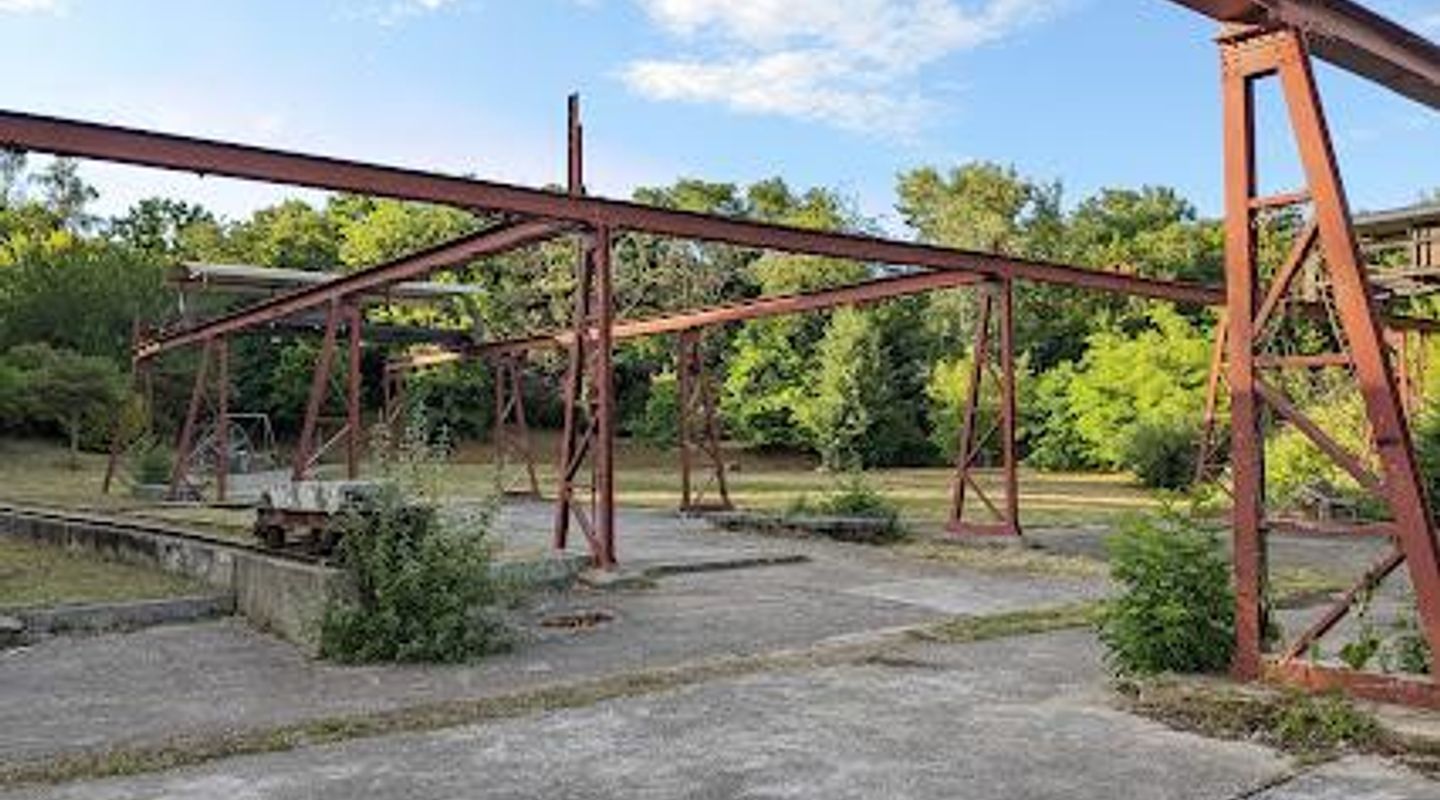
Travertinpark, nestled in the Hallschlag district of Stuttgart's Bad Cannstatt, is a captivating blend of industrial history, ecological preservation, and recreational space. This unique park transforms a former travertine quarry into an engaging landscape that tells the story of Stuttgart's geological past and its industrial heritage. For centuries, the area was actively mined for travertine, a sedimentary rock formed by mineral-rich waters. The park's location within Bad Cannstatt is significant, as this district is known for its mineral springs, which played a crucial role in the formation of the travertine deposits. The readily available limestone was utilized since ancient times, especially by the Romans. Industrial-scale quarrying began in the late 19th century and continued until 2007. The travertine extracted from these quarries was used in numerous construction projects, both within Stuttgart and beyond. Today, Travertinpark offers visitors a chance to step back in time and witness the remnants of this industrial activity. Restored crane tracks, rails, and stone-cutting equipment are strategically placed throughout the park, providing tangible links to its past. Informational panels offer insights into the quarrying process, the geological formation of travertine, and the uses of this versatile stone. The park is divided into three main quarry areas, each with its own distinct character. The Haas quarry, the last to be actively mined, showcases the raw, exposed rock faces, offering a glimpse into the geological layers beneath the surface. The Schauffele quarry, now filled in, features a restored crane runway and other equipment, providing a visual representation of the industrial processes that once dominated the landscape. The Lauster quarry, currently occupied by a recycling company, is not accessible to the public, but its historical significance is acknowledged through informational displays. Beyond its industrial heritage, Travertinpark is also a haven for biodiversity. The park's design incorporates a protected biotope, providing a habitat for various plant and animal species. A newly created natural pond offers an ideal environment for wall lizards and other amphibians. The park's diverse flora includes a variety of wildflowers, grasses, and trees, creating a vibrant and ever-changing landscape throughout the seasons. One of the park's most striking features is the collection of fourteen monumental travertine columns, known as the Lauster Columns. These towering structures, standing 15 meters tall, were originally commissioned in 1936 for a planned Mussolini monument in Berlin. However, the monument was never built, and the columns were eventually returned to the Lauster quarry. Today, they stand as silent witnesses to history, adding a touch of grandeur and intrigue to the park's landscape. Travertinpark is more than just a park; it's a living museum, a testament to the power of nature and the ingenuity of humankind. It's a place where visitors can learn about geology, industry, and ecology, all while enjoying the beauty and tranquility of a carefully designed landscape. The park's easy paths and scenic viewpoints make it accessible to visitors of all ages and abilities. Located in the Bad Cannstatt district, Travertinpark is easily accessible by public transportation and offers a welcome escape from the hustle and bustle of the city. Whether you're interested in history, nature, or simply a peaceful stroll, Travertinpark is a destination that will leave you feeling inspired and refreshed. The park officially opened on May 19, 2010, and underwent a 14-month redesign of its core area, which was completed in late September 2014. The park is designed to commemorate the origins of Cannstatt travertine and its processing. The area is designated as a specially protected biotope and excavation protection area. Seven information boards explain the history of the site. The gravel bed of the disused Münster–Cannstatt industrial railway, the first electrically operated industrial railway in Württemberg, runs through the entire site. A switch and a level crossing have been preserved from the tracks themselves in the park. Embedded in the park's path system is the Haas quarry, from which travertine was last mined in 2007. Parts of the mined rock were used, among other things, for the construction of the Nuremberg March Field and the facade of the Mittnacht building in Stuttgart's city center. Fossils, for example of forest rhinos, forest elephants and swamp turtles, have often been discovered in the rock of the Cannstatt travertine in the past. Flint tools, which indicate early humans, have also been found in the quarries. Parts of the finds are exhibited in the State Museum of Natural History Stuttgart.
Evendo Review Centre
 Google
Guest reviews
Explore Travertinpark on the map
A handpicked selection of must-see spots near Travertinpark, mapped for you.
Get your free copy of our complete guide to Travertinpark, delivered straight to you.
Everything on this page, from opening hours and how to get there to Eve’s tips and the best time to go, in one PDF you can read offline, print or share.
Already have an account? Sign in
Your Travertinpark guide is ready.
We'll send it to · Not you? Sign out

Getting your guide ready…
We are putting together a fresh copy of the Travertinpark guide. This can take up to a minute.
This can take a few moments. If your browser asks, choose Allow so the download can start. You'll find the guide in your Downloads folder.
Nothing happened? Download it again
Sorry, the guide is taking longer than usual. Please try again in a minute, or get it by email instead.
Other nearby places you may find interesting
The closest places of the same kind, if this one is not quite what you had in mind.
-
-
-
-
-


Swipe for more places
More to explore near Travertinpark

 Best experiences near Travertinpark
 Best hotels near Travertinpark
 Best landmarks near Travertinpark
 Best attractions near Travertinpark
 Best shops near Travertinpark
 Best restaurants near Travertinpark
 Best bars near Travertinpark
Do you manage this location?
Take control to get all the benefits, like improved information, better appearance, and stronger visibility across AI-powered discovery.
Explore more

Explore more of Stuttgart
Discover Stuttgart: A perfect blend of automotive history, cultural richness, and natural beauty. Explore museums, palaces, and vineyards in this dynamic German city.
Explore Stuttgart
Explore more of Germany
Experience Germany: where history meets innovation, and urban energy blends with natural beauty. Discover diverse cultures, delicious cuisine, and stunning landscapes.
Explore Germany