

Jungfernsprung, Swabia Travel Guide
Explore the Jungfernsprung in Landsberg am Lech: A historic tower with a tragic legend, offering panoramic views and a glimpse into Bavaria's past.
The Jungfernsprung, a semi-circular tower integrated into Landsberg am Lech's southern city wall, offers a poignant glimpse into the town's past. Originally constructed in the 14th century, it was significantly heightened in the 19th century to serve as a water pressure reservoir. The tower's name, meaning "Maiden's Leap," is derived from a local legend recounting the desperate act of young women during the Thirty Years' War, who, fearing atrocities, supposedly jumped to their deaths into the Lech River from this location. While the legend's veracity is debated, the Jungfernsprung stands as a memorial to those who perished and a reminder of the town's tumultuous history. Today, it functions as a viewing platform, providing panoramic views of Landsberg and the surrounding landscape, inviting visitors to reflect on the stories etched into the stones of this historical landmark. The Jungfernsprung is a must-see for those seeking to connect with Landsberg's rich heritage and experience a unique perspective on the town.
A brief summary to Jungfernsprung
- Neue Bergstraße, Landsberg am Lech, 86899, DE
- Click to display
- Click to display

Know before you go
Hi, I'm Eve. Here are a few practical things to know before exploring Jungfernsprung.
- Combine your visit with a walk along the city walls for more scenic views of Landsberg and the Lech River.
- Check local tour schedules; guided tours of the Jungfernsprung and the city walls are available during the summer months.
- Wear comfortable shoes, as the path to the tower and the city walls involves some walking on uneven surfaces.
Do you manage this location?
Take control to get all the benefits, like improved information, better appearance, and stronger visibility across AI-powered discovery. Learn more about listing your business on Evendo
Activate your presenceOther nearby places you may find interesting
The closest places of the same kind, if this one is not quite what you had in mind.
Explore Jungfernsprung on the Map
A handpicked selection of must-see spots near Jungfernsprung, mapped for you.
Getting There
-
Walking
From Landsberg's Hauptplatz, walk south along the Hauptplatz, then turn left onto Herkomerstraße. Continue onto Sandauer Straße, then turn right onto Neue Bergstraße. The Jungfernsprung will be on your left, approximately a 10-15 minute walk. Look for signs indicating the direction of the city walls ('Stadtmauer').
-
Public Transport
Take bus lines 811, 812, 8150, 895, or 952 to the 'Landsberg, Sandauer Straße' stop. From there, walk south on Sandauer Straße, then turn right onto Neue Bergstraße. The Jungfernsprung will be on your left, a short 2-minute walk. A single bus fare within Landsberg am Lech costs approximately €2-3. Note that bus service is limited on Sundays and holidays.
-
Driving
If driving, parking is available in the Neue Bergstraße Garage, a 5-minute walk from the Jungfernsprung. Hourly parking rates are approximately €1.00. Alternatively, parking is available at Parkgarage Lechstraße and Schloßberg Parking, both within a 10-minute walk. Be aware that parking can be limited during peak tourist season.
Discover more about Jungfernsprung













Your all‑in‑one travel companion app
Explore expert travel guides, compare and book tours, experiences, hotels, and more—all from the palm of your hand. Download now for seamless trip planning wherever your wanderlust takes you.


Explore More of Swabia
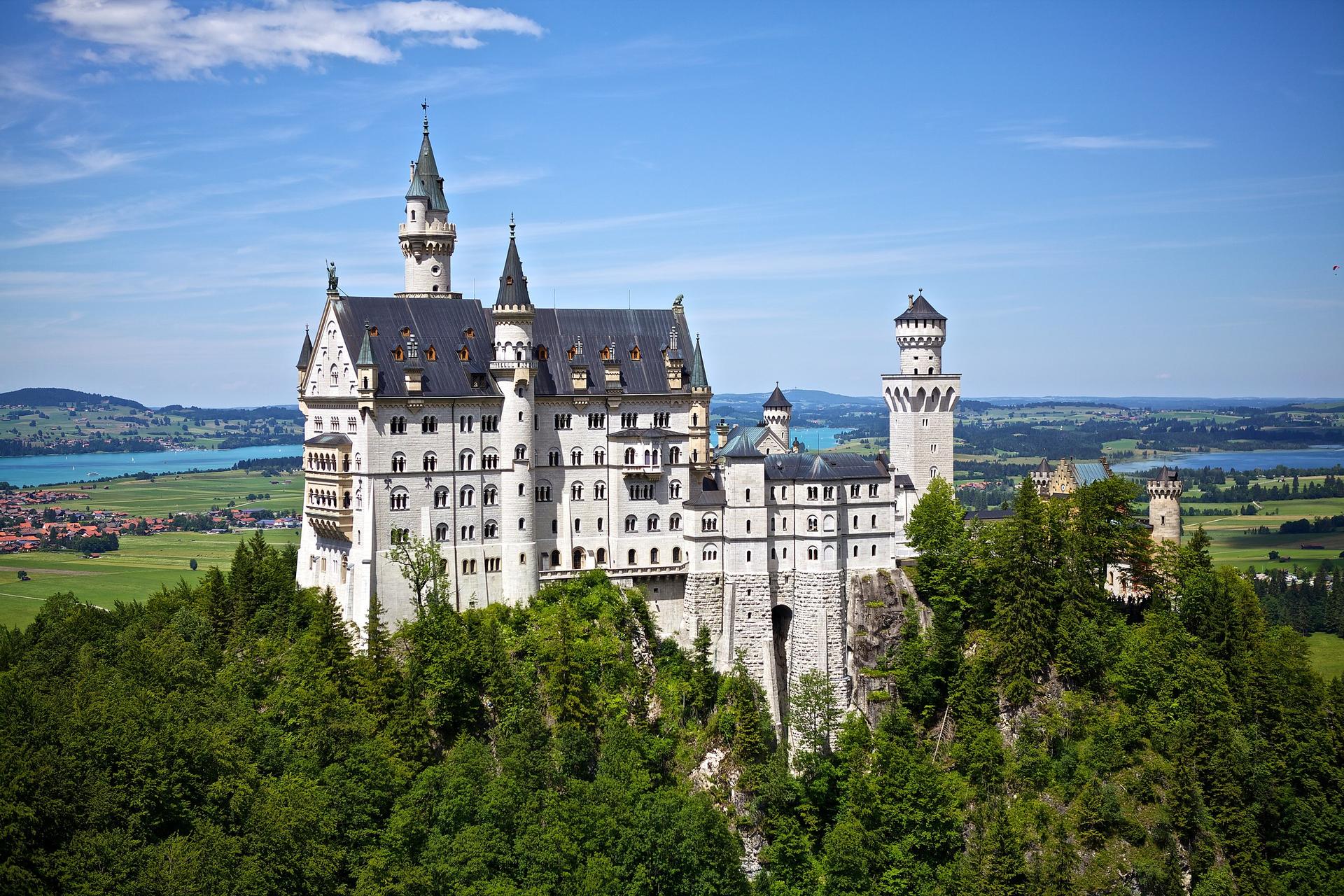
Looking beyond Jungfernsprung? Discover Swabia for broader travel guides, local hot-spots, and regional highlights.
Explore Swabia
Discover the rich artisanal heritage of Swabia at this captivating museum, showcasing meticulously recreated workshops and tools from a variety of traditional trades in Augsburg's historic heart.
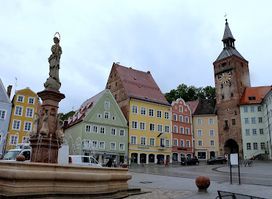
Discover the enchanting Marienbrunnen in Landsberg am Lech, a Baroque fountain in the heart of the historic Hauptplatz, surrounded by colorful buildings and rich Bavarian history.
