Mariensäule, Upper Palatinate Travel Guide
Discover Munich's spiritual heart at the Mariensäule, a historic Marian column in Marienplatz, symbolizing faith, resilience, and the city's rich cultural heritage.
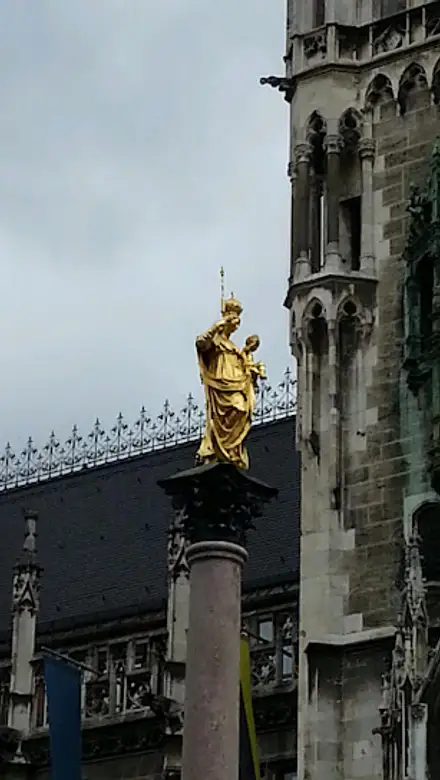
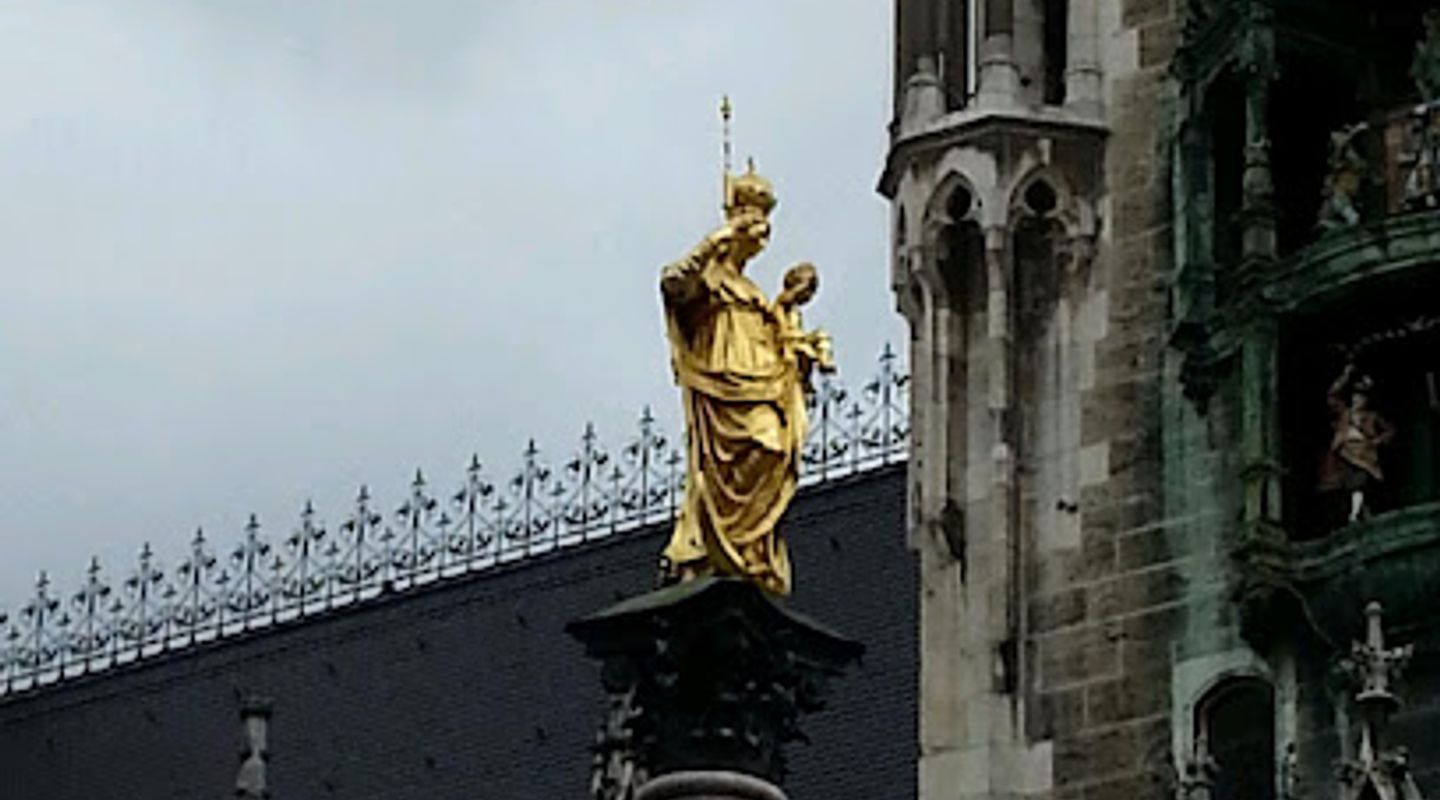
The Mariensäule, a towering Marian column in Munich's Marienplatz, stands as a powerful symbol of faith and resilience. Erected in 1638 to celebrate the end of Swedish occupation during the Thirty Years' War, it features a gilded statue of the Virgin Mary, the Patrona Bavariae, atop a marble column. The column's base is adorned with putti sculptures battling representations of war, pestilence, famine, and heresy, embodying the city's triumph over adversity. More than just a monument, the Mariensäule serves as a central point for both the city and Catholic devotion, having been visited by three Popes. Surrounded by the vibrant atmosphere of Marienplatz, it's a must-see landmark that encapsulates Munich's history, art, and spiritual heritage, offering a poignant reminder of hope and perseverance.
A brief summary to Mariensäule
- Marienplatz 22, Munich, Altstadt-Lehel, 80331, DE
- Click to display
- Click to display

Know before you go
Hi, I'm Eve. Here are a few practical things to know before exploring Mariensäule.
- Visit during the Glockenspiel performance at the Neues Rathaus for a captivating show.
- Take a moment to observe the details of the putti sculptures at the base, each representing the city's triumph over different adversities.
- Explore the nearby Frauenkirche and climb its towers for panoramic views of Munich, including Marienplatz and the Mariensäule.
Do you manage this location?
Take control to get all the benefits, like improved information, better appearance, and stronger visibility across AI-powered discovery. Learn more about listing your business on Evendo
Activate your presenceOther nearby places you may find interesting
The closest places of the same kind, if this one is not quite what you had in mind.

Explore Mariensäule on the Map
A handpicked selection of must-see spots near Mariensäule, mapped for you.
Getting There
-
Walking
Mariensäule is located in Marienplatz, the central square of Munich. From almost any point within the Altstadt (Old Town), it's easily reachable on foot. Simply follow the pedestrian zone signs directing you towards Marienplatz. Landmarks like the Frauenkirche (Cathedral of Our Lady) and the Neues Rathaus (New Town Hall) are within a few minutes' walk and serve as excellent orientation points. The column is in the center of the square.
-
Public Transport
The easiest way to reach Mariensäule via public transport is to take the U-Bahn (subway) or S-Bahn (suburban train) to Marienplatz station. The U3 and U6 U-Bahn lines, as well as all S-Bahn lines (except S20), stop at Marienplatz. From the station, follow the signs to the Marienplatz exit, which leads directly into the square. A single journey ticket within the Munich city zone costs approximately €3.70. A day ticket, allowing unlimited travel within the city, is around €8.80.
-
Taxi/Ride-Share
A taxi or ride-sharing service can drop you off directly at Marienplatz, though be aware that vehicle access to the square itself is restricted. The closest drop-off points are likely to be on the streets surrounding the pedestrian zone, such as Weinstrasse or Marienplatz. From there, it's a short walk to the Mariensäule. A short taxi ride from Munich Central Station (Hauptbahnhof) to Marienplatz will cost approximately €11-€14.
-
Driving
Driving directly to Marienplatz is not recommended due to the pedestrian zone. However, several parking garages are located within a short walking distance, such as the Tiefgarage Marienplatz at Rindermarkt 16. Parking costs around €6 per hour, with a daily maximum of approximately €45. Consider using a Park and Ride (P+R) facility outside the city center and taking public transport for a more convenient and cost-effective option. P+R daily rates range from €1 to €1.50, plus the cost of a public transport ticket.
Discover more about Mariensäule













Your all‑in‑one travel companion app
Explore expert travel guides, compare and book tours, experiences, hotels, and more—all from the palm of your hand. Download now for seamless trip planning wherever your wanderlust takes you.


Explore More of Upper Palatinate
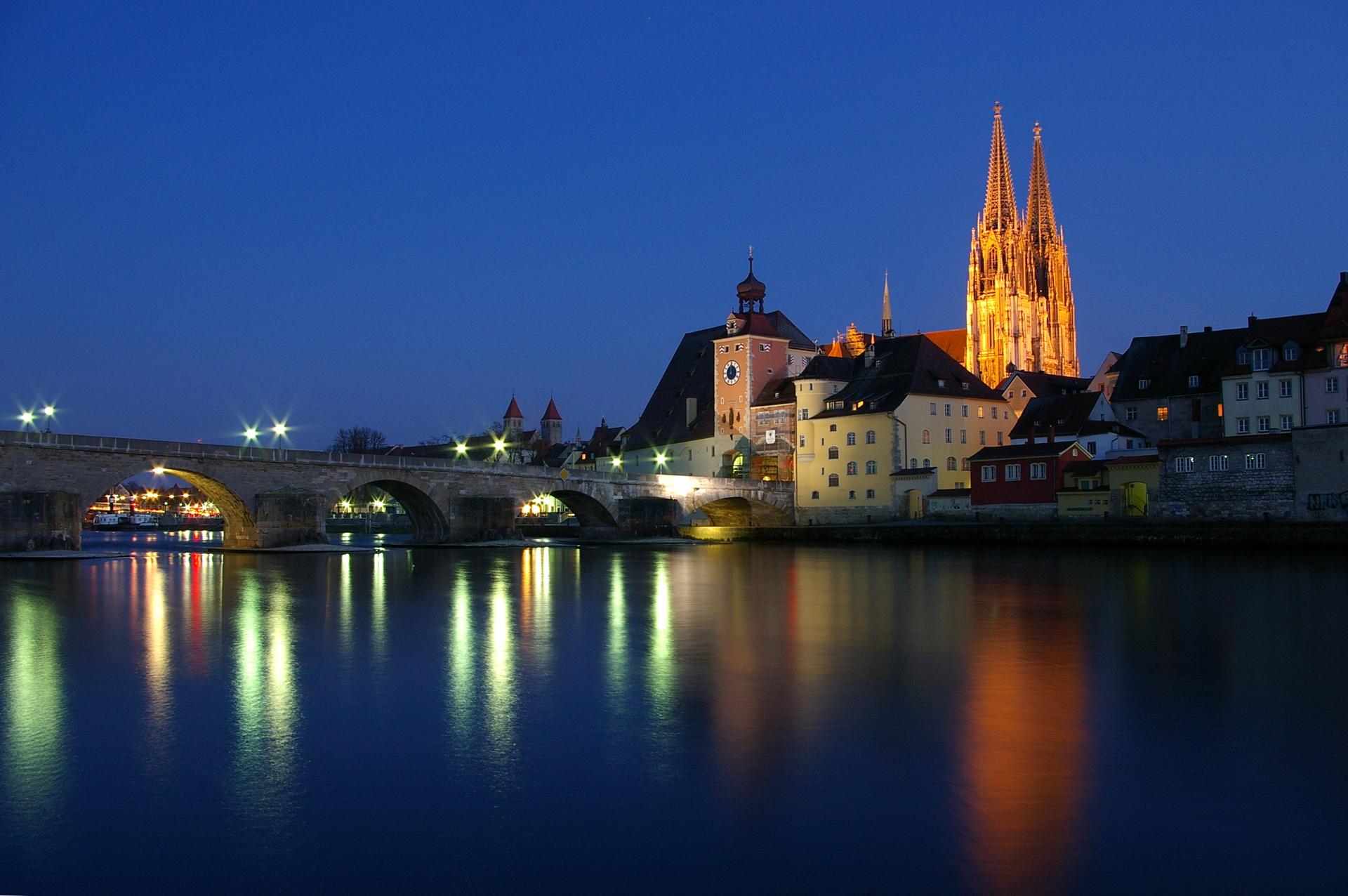
Looking beyond Mariensäule? Discover Upper Palatinate for broader travel guides, local hot-spots, and regional highlights.
Explore Upper Palatinate