

Free Upper Palatinate Travel Guide & Mobile App
Explore Upper Palatinate with free travel guides. Discover regional history, expert tips, proposed trips, and audio guides on web or mobile app.


Explore Upper Palatinate for Regensburg’s medieval heritage, forested hills, lake districts, Zoigl beer and historic towns near the Czech border.
Read more about Upper Palatinate
When is the best time to visit Upper Palatinate?
Best: June–August · 22–24°C| Month | High (°C) | Rainfall (mm) |
|---|---|---|
| January | 2 | 50 |
| February | 4 | 40 |
| March | 9 | 50 |
| April | 14 | 60 |
| May | 19 | 70 |
| June (best) | 22 | 80 |
| July (best) | 24 | 90 |
| August (best) | 23 | 80 |
| September | 20 | 70 |
| October | 14 | 60 |
| November | 7 | 50 |
| December | 3 | 50 |
Getting to and around Upper Palatinate
How to get there
Transportation
Top city travel guides in Upper Palatinate
The cities of Upper Palatinate, and the easiest places to base yourself.

Swipe for more cities
Destinations in Upper Palatinate
Resorts, valleys and scenic spots worth a trip of their own.
-

-

-

-


Swipe for more destinations
Best attractions in Upper Palatinate
Upper Palatinate's attractions range from the Roman and medieval inheritance of Regensburg to long stretches of forest and water in the countryside. Regensburg's cathedral, old town and riverside quarters provide the region's most concentrated urban visit, while nearby Donaustauf leads to the Walhalla monument above the Danube. Amberg and Neumarkt offer historic streets, churches and museums with a distinctly regional scale. In the north and east, the Upper Palatinate Forest and Steinwald are suited to walking, cycling and nature-focused itineraries, with granite formations, woodland viewpoints and castle remains around places such as Falkenberg and Flossenbürg. The Upper Palatinate Lake District, created largely through the flooding of former mining areas, brings swimming, boating, fishing and waterside paths to the Schwandorf district. Industrial heritage, porcelain traditions, pilgrimage churches and small town museums add cultural depth, while the Flossenbürg concentration camp memorial provides an important place of historical education and remembrance.
-
Tourist attraction
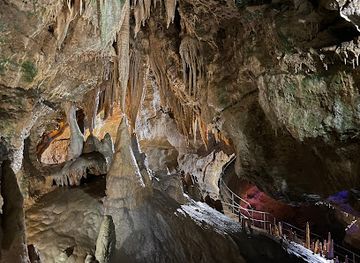
Devil's Cave
Explore the enchanting Devil's Cave in Pottenstein, a natural marvel filled with stunning formations and captivating legends.
-
Tourist attraction
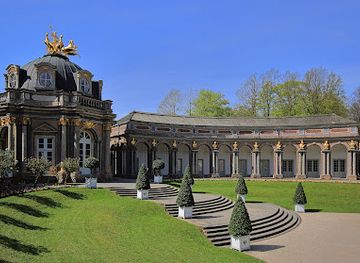
Eremitage
Discover the enchanting Eremitage in Bayreuth: a baroque masterpiece with stunning palaces, whimsical gardens, and captivating water features, offering a glimpse into 18th-century court life.
-
Tourist attraction
Luisenburg-Festspiele
Experience Germany's oldest open-air theatre, Luisenburg Festspiele, nestled in the Fichtelgebirge's stunning rock labyrinth, offering a unique blend of culture and nature since 1890.
-
Tourist attraction
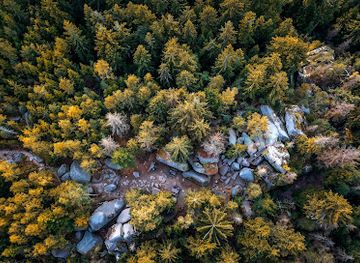
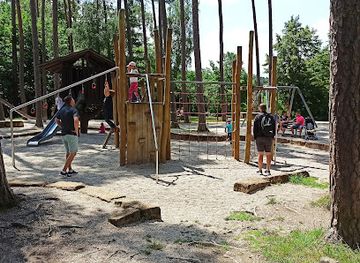
Höllohe Nature Park
Discover diverse wildlife in natural habitats at Höllohe Nature Park, Teublitz. Enjoy free admission, scenic trails, and family-friendly activities year-round in this conservation-focused sanctuary.
Best landmarks in Upper Palatinate
Regensburg's medieval old town and Stadtamhof form Upper Palatinate's most recognisable urban landmark landscape, with the Gothic Cathedral of St Peter, the Stone Bridge and the surviving Roman Porta Praetoria expressing different layers of the city's history. Above the Danube at Donaustauf, Walhalla is an imposing nineteenth-century neoclassical memorial hall built on a hilltop terrace and visible across the surrounding valley. Amberg's preserved walls, gates and historic centre reflect its former importance as an administrative and trading town, while the old industrial works along the Vils recall the ironworking economy. In the northern uplands, Falkenberg Castle rises above the settlement and river valley, and the granite formations of the Steinwald provide a natural counterpoint to the region's architecture. Flossenbürg's former concentration camp site and memorial are landmarks of remembrance rather than picturesque attractions, demanding a respectful approach to its history and landscape.
-
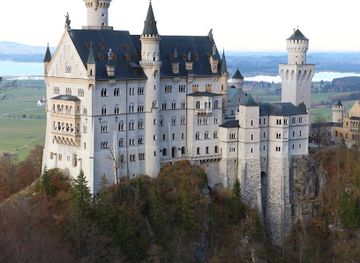
Castle
Neuschwanstein Castle
Experience the magic of Neuschwanstein Castle, a breathtaking fairytale fortress surrounded by the stunning Bavarian Alps, perfect for every traveler.
-
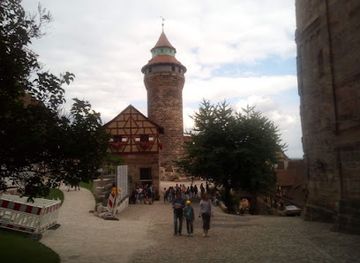
Castle
Imperial Castle of Nuremberg
Explore the majestic Imperial Castle of Nuremberg, a UNESCO-listed fortress that unveils the grandeur of medieval Germany and its imperial history.
-
Monument
Deutsches Eck
Immerse yourself in the beauty and history of Deutsches Eck, the iconic monument at the confluence of the Rhine and Moselle rivers in Koblenz.
-
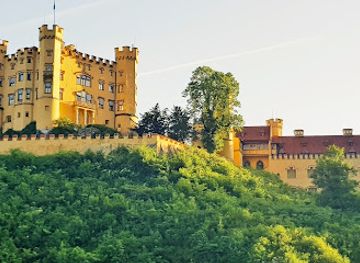
Castle
Hohenschwangau Castle
Experience the fairy-tale charm of Hohenschwangau Castle, a historical gem nestled in the Bavarian Alps, perfect for history enthusiasts and nature lovers alike.

Explore Upper Palatinate on the map
Plan your trip on one map. See where the top cities, national parks and sights are, and book hotels and experiences in a few clicks.
Best hotels in Upper Palatinate
Best restaurants in Upper Palatinate
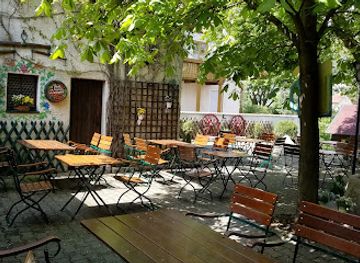
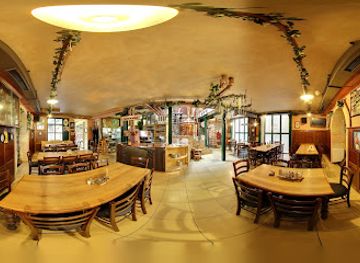
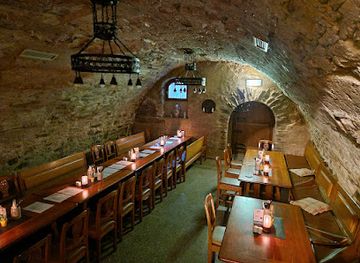
Regional dining is grounded in Bavarian and Upper Palatinate home cooking rather than a single signature cuisine. Potato dishes, dumplings, sausages, roast pork, freshwater fish and seasonal game are common on traditional menus, often accompanied by local vegetables and substantial sauces. In rural districts, inns remain important places to sample everyday food, while Regensburg, Amberg, Neumarkt and Weiden offer a broader mixture of contemporary German cooking, international restaurants, cafés and bakeries. Northern Upper Palatinate is particularly associated with Zoigl beer, brewed in a number of small communal breweries and served according to local schedules; it is best understood as a regional brewing tradition rather than one fixed recipe. Farmers' markets and specialist food shops provide opportunities to find bread, pastries, smoked products, honey and orchard produce. Menus and opening patterns can be more limited in small villages, especially outside peak visitor periods, so planning is useful when touring the forest districts.
-
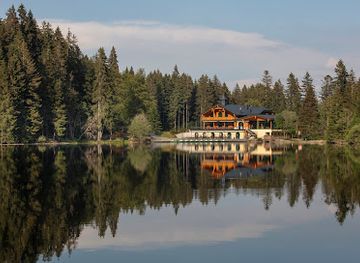
Restaurant
Arberseehaus
Discover Arberseehaus: A serene restaurant and beer garden nestled in Bavaria’s breathtaking landscapes, perfect for nature lovers and food enthusiasts.
-
German
Schinderhannes
Discover authentic Bavarian flavors at Schinderhannes in Rothenstadt - where tradition meets taste.
-
Restaurant
Schloderer Bräu
Discover authentic Bavarian cuisine and local brews at Schloderer Bräu - your perfect dining spot in Amberg.
-
German
BräuWirt - Brauereigaststätte
Discover authentic Bavarian cuisine and craft beers at BräuWirt in Weiden – a perfect blend of tradition and taste.
Best bars in Upper Palatinate
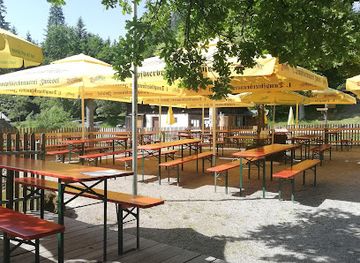
Evening life in Upper Palatinate is centred on traditional pubs, beer gardens, cafés, restaurants and occasional live-music events rather than a large-scale club scene. Regensburg has the broadest choice, with student-oriented bars, cellar and riverside venues, cocktail spots and late-opening establishments concentrated around the historic centre and adjoining quarters. Amberg, Weiden and Neumarkt provide smaller but active evening scenes built around pubs, restaurants, cultural venues and seasonal events. In northern towns, a Zoigl tavern can be a distinctive way to encounter local brewing culture when one is serving, usually alongside simple food and conversation. Rural areas become quiet earlier, although village festivals, summer open-air events and traditional inns can extend the evening. Check current arrangements locally, as opening days, entertainment and seasonal service vary considerably outside the principal towns.
-
Beer Garden
Schwellhäusl
Experience the heart of Bavarian culture at Schwellhäusl, a charming beer garden offering local brews and traditional cuisine amidst stunning natural scenery.
-
Rest stop
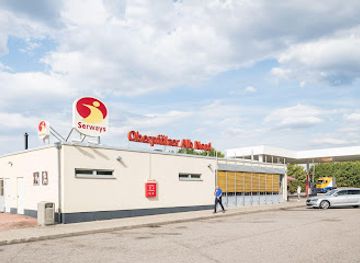
Serways Raststätte Oberpfälzer Alb Nord
Discover comfort and delicious cuisine at Serways Raststätte Oberpfälzer Alb Nord, your ideal rest stop along BAB6 in Germany.
-
Rest stop
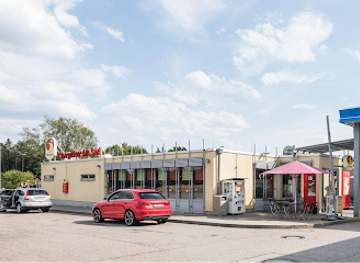
Serways Raststätte Oberpfälzer Alb Süd
Discover the perfect stopover at Serways Raststätte Oberpfälzer Alb Süd, where comfort meets culinary delights on your journey through Bavaria.
-
Bavarian restaurant
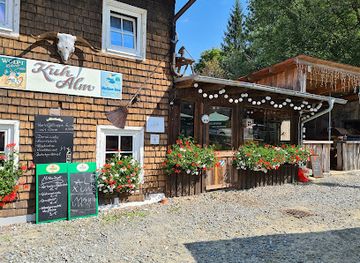
Kuhalm Bodenmais
Kuhalm Bodenmais: Experience authentic Bavarian flavors in a stunning natural setting, perfect for dining and hiking enthusiasts.
Best nightclubs in Upper Palatinate
Evening life in Upper Palatinate is centred on traditional pubs, beer gardens, cafés, restaurants and occasional live-music events rather than a large-scale club scene. Regensburg has the broadest choice, with student-oriented bars, cellar and riverside venues, cocktail spots and late-opening establishments concentrated around the historic centre and adjoining quarters. Amberg, Weiden and Neumarkt provide smaller but active evening scenes built around pubs, restaurants, cultural venues and seasonal events. In northern towns, a Zoigl tavern can be a distinctive way to encounter local brewing culture when one is serving, usually alongside simple food and conversation. Rural areas become quiet earlier, although village festivals, summer open-air events and traditional inns can extend the evening. Check current arrangements locally, as opening days, entertainment and seasonal service vary considerably outside the principal towns.
-
Lounge
Pearls Lounge und Discothek
Discover the lively Pearls Lounge und Discothek in Nabburg, where nightlife comes alive with a perfect blend of bar, lounge, and disco experiences.
-
Disco club
Revolution
Discover the heart of Geiersthal's nightlife at Revolution, where dance, music, and great food come together for an unforgettable experience.
-
Night club
World of Nightlife - Nürnberg
Unleash the energy of Nürnberg's nightlife at World of Nightlife, the ultimate destination for partying until dawn.
-
Night club
Avangio - Fürth
Discover the vibrant nightlife at Avangio - Fürth's premier night club where unforgettable memories are waiting to be made.
Best shops in Upper Palatinate
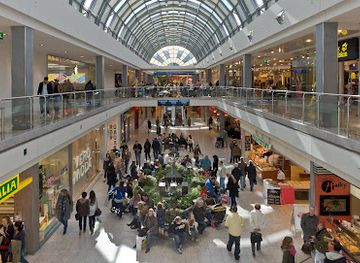
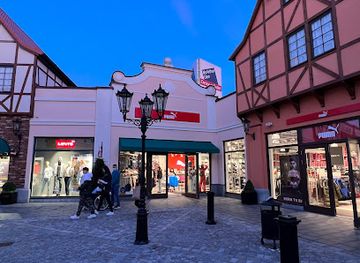
Shopping in Upper Palatinate is strongest in historic town centres, where independent bookshops, bakeries, clothing shops, cafés, galleries and practical local retail serve both residents and visitors. Regensburg has the widest selection, combining central pedestrian streets with specialist food shops, crafts and design-led businesses, while Amberg, Neumarkt and Weiden offer more compact high streets and market-centre shopping. Weekly markets are useful for regional produce such as bread, honey, fruit, vegetables, smoked foods and seasonal specialities, though dates vary by town. In the northern districts, look for porcelain, glass, ceramics and locally made craft goods reflecting the area's industrial traditions. Farm shops and village producers can be more rewarding than generic souvenir outlets for finding regional foods. The Upper Palatinate Forest also supports small-scale woodcraft and rural products, but visitors should distinguish genuinely local goods from broadly Bavarian souvenirs sold throughout Germany.
-
Shopping mall
Centro Oberhausen
Discover the ultimate shopping and entertainment experience at Centro Oberhausen, a vibrant destination for tourists in Germany.
-
Outlet mall
OUTLETCITY Metzingen
Discover unbeatable deals and a wide selection of designer brands at OUTLETCITY Metzingen, Germany's largest outlet shopping destination.
-
Shopping mall
Olympia Shopping Center
Discover the ultimate shopping experience at Olympia Shopping Center, Munich's vibrant retail oasis with diverse shops and delightful dining options.
-
Outlet mall
Designer Outlet Neumünster
Discover unbeatable deals on your favorite brands at Designer Outlet Neumünster, a premier shopping destination for fashion lovers in Germany.

Get your free copy of our complete guide to Upper Palatinate, delivered straight to you.
Everything on this page, from attractions and restaurants to essentials and local phrases, in one PDF you can read offline, print or share.
Already have an account? Sign in
Your Upper Palatinate guide is ready.
We'll send it to · Not you? Sign out

Getting your guide ready…
We are putting together a fresh copy of the Upper Palatinate guide. This can take up to a minute.
This can take a few moments. If your browser asks, choose Allow so the download can start. You'll find the guide in your Downloads folder.
Nothing happened? Download it again
Sorry, the guide is taking longer than usual. Please try again in a minute, or get it by email instead.
Upper Palatinate essentials
Currency and Payment
Safety
Emergency Situations
Do's and Don'ts
Local Tips
From Eve
Local phrases worth knowing
You don't need to get them perfect. A few words go a long way, and locals appreciate the effort.
Basics
| English | Local | Say it |
|---|---|---|
| Hello | Grüß Gott | [Grewss Got] |
| Goodbye | Auf Wiedersehen | [Owf Veederzehn] |
| Yes | Ja | [Yah] |
| No | Nein | [Nine] |
| Please/You're welcome | Bitte | [Bittuh] |
| Thank you | Danke | [Dahn-kuh] |
| Excuse me/Sorry | Entschuldigung | [Ent-shool-dee-goong] |
| How are you? | Wie geht's? | [Vee gates?] |
| Fine. And you? | Gut. Und dir? | [Goot. Oond deer?] |
| Do you speak English? | Sprechen Sie Englisch? | [Shpreck-en Zee Eng-lish?] |
| I don't understand | Ich verstehe nicht | [Ish fer-shteh-nisht] |
Eating & Drinking
| English | Local | Say it |
|---|---|---|
| I'd like to see the menu, please | Ich hätte gerne die Speisekarte, bitte | [Ish hettuh gearnuh dee Shpyze-kahrtuh, bittuh] |
| I don't eat meat | Ich esse kein Fleisch | [Ish ess-uh kine Flysh] |
| Cheers! | Prost! | [Prohst!] |
| I would like to pay, please | Ich möchte bezahlen, bitte | [Ish merkh-tuh beh-tsah-len, bittuh] |
Emergencies
| English | Local | Say it |
|---|---|---|
| Help! | Hilfe! | [Hil-fuh!] |
| Go away! | Geh weg! | [Gay veg!] |
| Call the Police! | Rufen Sie die Polizei! | [Roofen Zee dee Poli-tsai!] |
| Call a doctor! | Rufen Sie einen Arzt! | [Roofen Zee eye-nen Artzt!] |
| I'm lost | Ich habe mich verlaufen | [Ish hah-buh mikh fer-lau-fen] |
| I'm ill | Ich bin krank | [Ish bin krank] |
Shopping
| English | Local | Say it |
|---|---|---|
| I'd like to buy... | Ich möchte kaufen... | [Ish merkh-tuh kow-fen...] |
| I'm just looking | Ich schaue nur | [Ish shau-eh noor] |
| How much is it? | Wie viel kostet es? | [Vee feel kostet es?] |
| That's too expensive | Das ist zu teuer | [Dahs ist tsu toy-er] |
| Can you lower the price? | Können Sie den Preis senken? | [Kern-en Zee den Price zen-ken?] |
Time & Numbers
| English | Local | Say it |
|---|---|---|
| What time is it? | Wie spät ist es? | [Vee shpate ist es?] |
| It's one o'clock | Es ist ein Uhr | [Es ist ine Oor] |
| Half past (10) | Halb (10) | [Hahlb (10)] |
| Morning | Morgen | [Mor-gen] |
| Afternoon | Nachmittag | [Nah-chmit-tahg] |
| Evening | Abend | [Ah-bent] |
| Yesterday | Gestern | [Geh-stern] |
| Today | Heute | [Hoy-tuh] |
| Tomorrow | Morgen | [Mor-gen] |
| 1 | Eins | [Eins] |
| 2 | Zwei | [Tsvy] |
| 3 | Drei | [Dry] |
| 4 | Vier | [Feer] |
| 5 | Fünf | [Foonf] |
| 6 | Sechs | [Zex] |
| 7 | Sieben | [Zee-ben] |
| 8 | Acht | [Ahkht] |
| 9 | Neun | [Noyn] |
| 10 | Zehn | [Tsayn] |
Transport & Directions
| English | Local | Say it |
|---|---|---|
| Where's a/the...? | Wo ist ein/das ...? | [Vo ist ine/dahs ...?] |
| What's the address? | Wie ist die Adresse? | [Vee ist dee Ah-dress-uh?] |
| Can you show me (on the map)? | Können Sie mir zeigen (auf der Karte)? | [Kern-en Zee meer tsigh-en (owf dare Kahr-tuh)?] |
| When's the next (bus)? | Wann kommt der nächste (Bus)? | [Vahn kommt dare nex-teh (Boos)?] |
| A ticket (to ....) | Ein Ticket (nach ....) | [Ine Tick-et (nahkh ....)] |
History of Upper Palatinate
Celtic and Roman Frontiers
Before the Roman period, the wider region was occupied by Celtic communities whose settlements and trading networks connected the Danube basin with Bohemia. Rome established a major military presence at Regensburg, known as Castra Regina, in the second century AD. The fortress guarded the Danube frontier and became the foundation of the city that developed around it. Roman roads, military administration and trade left a lasting urban and archaeological legacy, even though much of the modern Upper Palatinate remained rural and forested.
Medieval Regensburg and the Danube Trade
Medieval Regensburg grew into one of the most important trading cities north of the Alps. Merchants used the Danube to connect Bavaria with central and south-eastern Europe, and the city acquired churches, merchant houses and the Stone Bridge associated with this prosperity. Regensburg also hosted important imperial assemblies and religious institutions. Its political position differed from that of the surrounding Bavarian territories, but its commercial and cultural influence extended across much of what is now the Upper Palatinate.
Wittelsbach Rule and Territorial Formation
From the late Middle Ages, the Wittelsbach dynasty consolidated control over much of the Upper Palatinate, while local nobles, ecclesiastical foundations and the imperial city of Regensburg retained important separate interests. Amberg became an administrative and political centre for the Bavarian Wittelsbach territories. Castles, town walls, churches and market settlements from this period reflect the region's strategic position between Bavaria and Bohemia. The Upper Palatinate's present identity developed from these overlapping political, commercial and religious landscapes.
Iron, Hammer Mills and Rural Industry
The Upper Palatinate became one of central Europe's notable iron-producing areas from the late medieval period into the early modern age. Local ore, woodland for charcoal and watercourses for power supported hammer mills and metalworking, particularly around Amberg, Sulzbach-Rosenberg and the Vils valley. These enterprises shaped settlement patterns and created skilled industrial communities. Later technological change reduced the importance of traditional water-powered works, but the region's industrial history remains visible in townscapes, museums and surviving infrastructure.
War, Reformation and Confessional Change
The region experienced major disruption during the Reformation and the Thirty Years' War. Towns and territories changed confessional alignment, while armies moving between the Danube, Bohemia and central Germany brought requisitions, disease and destruction. The period affected both prosperous urban centres and remote villages. Subsequent Catholic rebuilding contributed to the churches and pilgrimage sites that remain prominent across Upper Palatinate towns and countryside, while the political settlement strengthened the region's integration into Bavaria.
Railways, Porcelain and Modern Industry
Nineteenth-century railway construction connected Upper Palatinate towns with Regensburg, Nuremberg, Bavaria and Bohemia, accelerating the movement of people and goods. Traditional ironworking declined in some districts, but engineering, glass, ceramics and porcelain became important, especially around the northern towns of Weiden and Tirschenreuth. Improved transport also encouraged urban growth and tourism in the forested uplands. The railway network helped turn formerly remote border districts into part of a larger Bavarian industrial and commercial economy.
Flossenbürg and the Memory of National Socialism
The Flossenbürg concentration camp was established in 1938 near the granite quarries of Flossenbürg. Prisoners were subjected to forced labour, brutal conditions and mass persecution; the camp and its associated network extended across a wide area. The Flossenbürg concentration camp memorial now documents the history of the site and its victims. It is an essential place of remembrance within Upper Palatinate, and its presence adds a serious modern historical dimension to a region otherwise often associated with forests, medieval towns and rural traditions.
Upper Palatinate in Photos
Browse through our photo collection highlighting the charm and character of the destination.
Neighbouring regions of Upper Palatinate
The closest regions to Upper Palatinate, if you have time for more than one.
-

-

-

-

-


Swipe for more regions

