
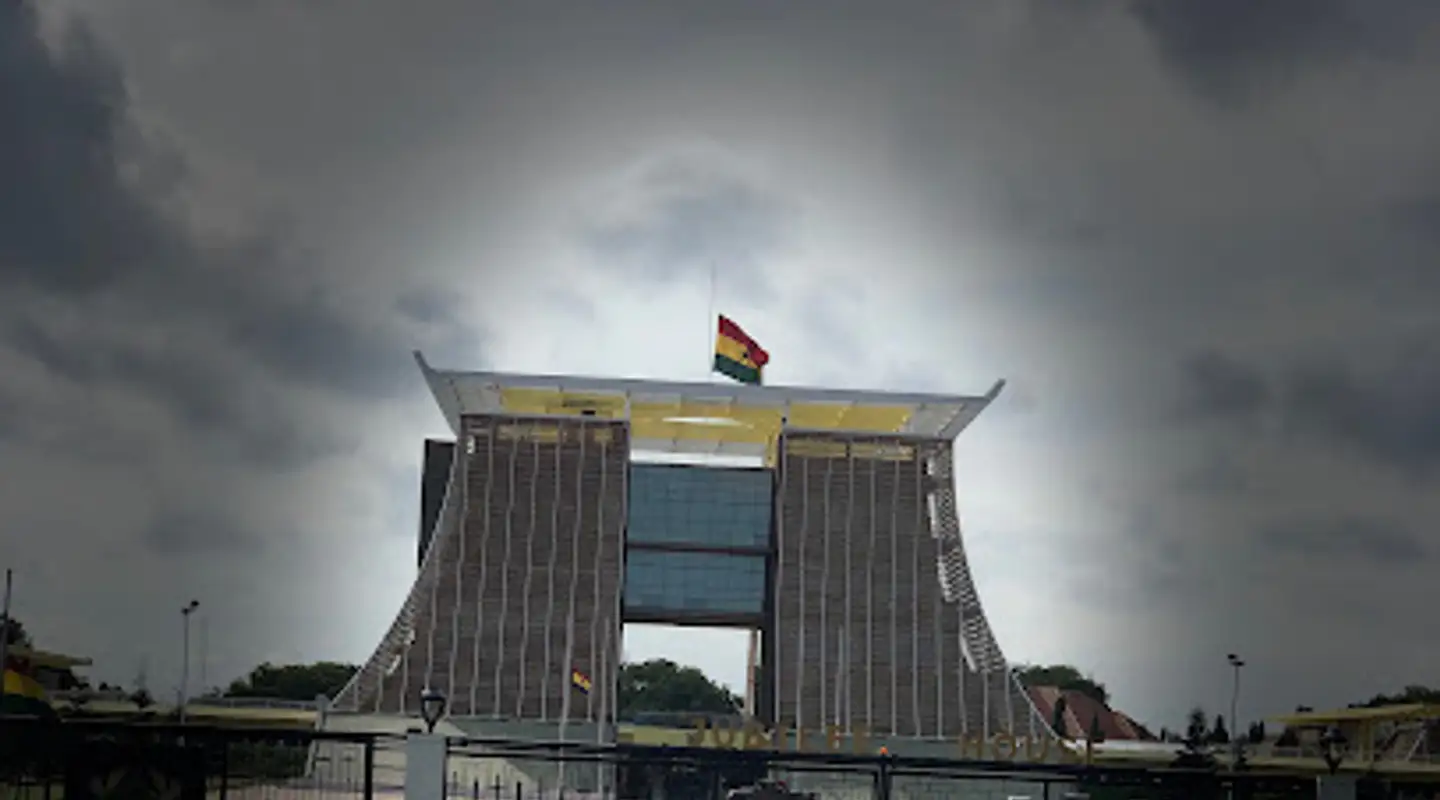
Jubilee House, Accra Travel Guide
Explore Jubilee House, the official residence and office of the President of Ghana, a landmark showcasing a blend of modern architecture and Ghanaian cultural heritage, located on Liberation Road in Accra.
Jubilee House, the presidential palace in Accra, serves as both the residence and office of Ghana's President. Formerly known as Flagstaff House, it stands on the site of a building used by the British Gold Coast Government. Reconstructed and renamed Golden Jubilee House in 2008 to mark Ghana's 50th year of independence, it has since reverted to Jubilee House. The palace is an architectural blend of traditional Ghanaian motifs and modern aesthetics, reflecting the country's rich history and political progress. While access to the interior may be restricted, visitors can admire its stunning facade, manicured gardens, and the overall grandeur that symbolizes Ghanaian governance. Jubilee House is a must-see for those interested in Ghana's history, architecture, and political landscape, offering a unique insight into the heart of the nation's governance and cultural identity. Its location on Liberation Road makes it easily accessible and a prominent landmark in Accra. The building's design, inspired by the traditional Ghanaian stool, represents authority and culture, making it a unique sight for tourists.
A brief summary to Jubilee House
- Liberation Rd, Accra, Ayawaso, GH
- Click to display
- Click to display

Know before you go
Hi, I'm Eve. Here are a few practical things to know before exploring Jubilee House.
- While tours inside Jubilee House are generally unavailable, appreciate the architecture and gardens from the outside for a memorable photo opportunity.
- Combine your visit with exploring nearby attractions like the W.E.B. Du Bois Memorial Centre or the National Museum to enrich your understanding of Ghana's history and culture.
- Be respectful of the location as it is a government building; avoid loud noises or disruptive behavior.
Do you manage this location?
Take control to get all the benefits, like improved information, better appearance, and stronger visibility across AI-powered discovery. Learn more about listing your business on Evendo
Activate your presenceOther nearby places you may find interesting
The closest places of the same kind, if this one is not quite what you had in mind.

Explore Jubilee House on the Map
A handpicked selection of must-see spots near Jubilee House, mapped for you.
Getting There
-
Walking
From the center of Cantonments, head towards Liberation Road. You can start from the Cantonments Police Station, which is a well-known landmark. Walk straight down Liberation Road, passing by various shops and cafes. Continue walking for about 15-20 minutes until you reach Jubilee House, which will be on your left. Look for the large white building with a distinct architectural style resembling a traditional Ghanaian stool.
-
Public Transport
Locate a nearby trotro station in Accra. Board a trotro heading towards the 'Circle' or 'Osu' direction. Inform the driver you want to get off at the nearest stop to Jubilee House. The fare will typically cost around GH¢2-GH¢4. Once you get off, walk back towards Liberation Road and head left for about 10 minutes until you see Jubilee House on your right. Ensure you have small change for the fare.
-
Taxi/Ride-Share
If you prefer a more comfortable option and are willing to spend a bit more, use a ride-hailing app like Uber or Bolt. Set your destination to 'Jubilee House, Liberation Road, Accra.' The cost will vary, but expect to pay around GH¢15-GH¢30 from central Cantonments. The driver will drop you off right at the entrance of Jubilee House.
Discover more about Jubilee House













Your all‑in‑one travel companion app
Explore expert travel guides, compare and book tours, experiences, hotels, and more—all from the palm of your hand. Download now for seamless trip planning wherever your wanderlust takes you.


Explore More of Accra
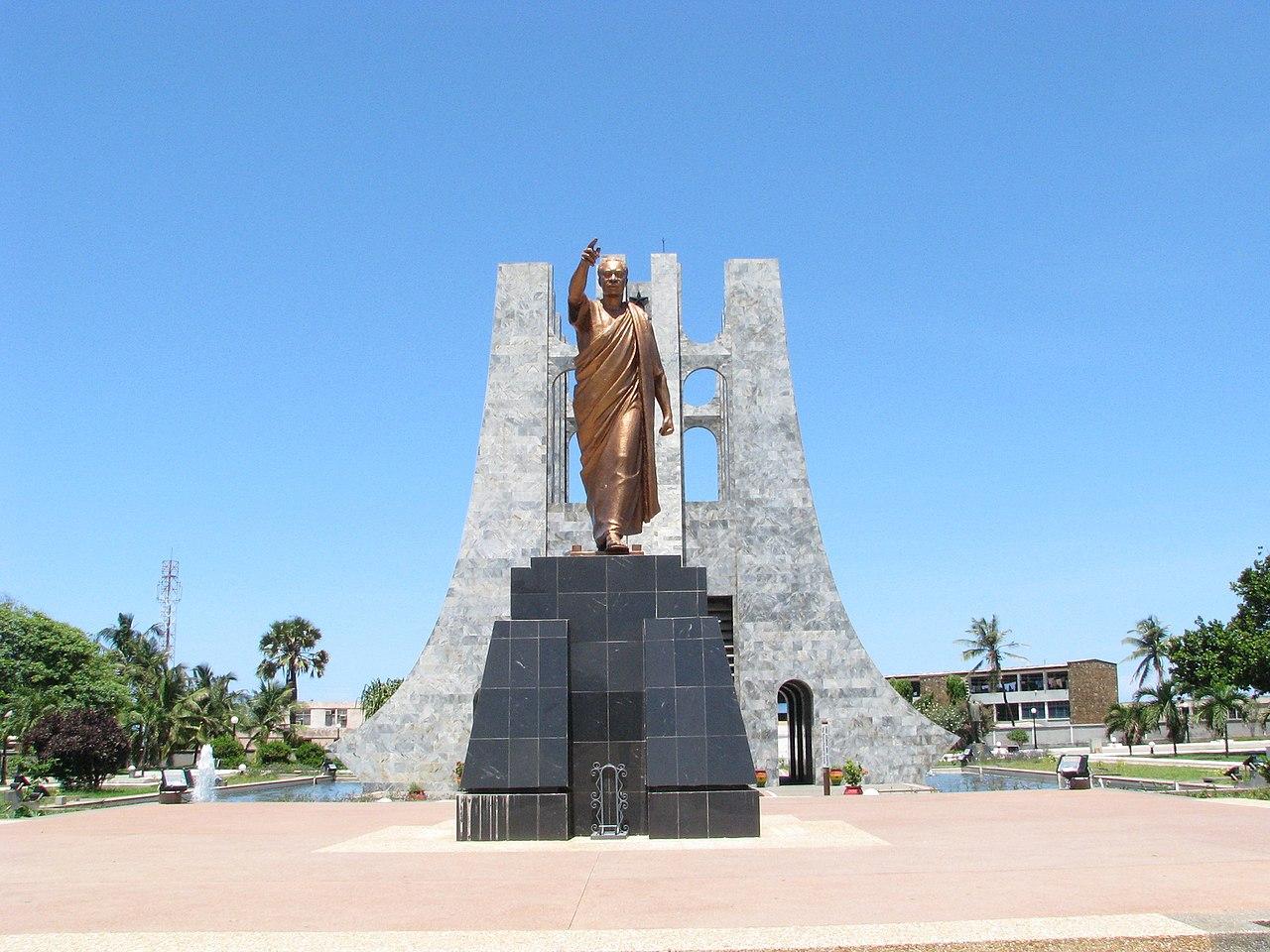
Looking beyond Jubilee House? Discover Accra for broader travel guides, local hot-spots, and regional highlights.
Explore Accra
Discover the ultimate beachfront escape at Premier Beach Resort in Kokrobite, where relaxation meets vibrant local culture and stunning coastal views.
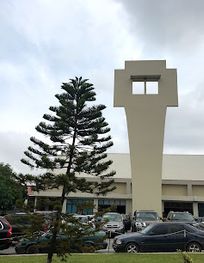
Discover Accra's spiritual heart at Christ the King Catholic Church, a welcoming landmark blending faith, community, and Ghanaian culture on Liberation Road.
