Kwame Nkrumah Memorial Park & Mausoleum: A Tribute to Ghana's Independence
Explore the legacy of Ghana's first president at the Kwame Nkrumah Memorial Park & Mausoleum, a serene tribute to independence and Pan-Africanism in the heart of Accra.
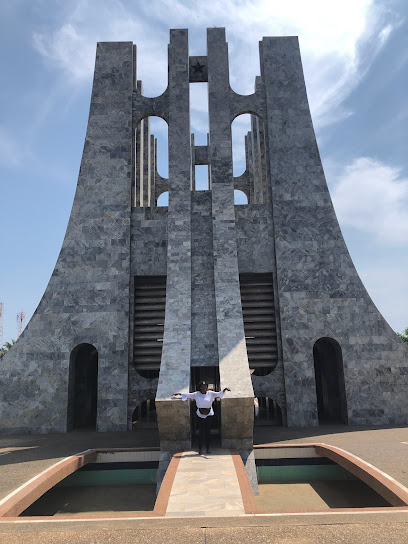
The Kwame Nkrumah Memorial Park & Mausoleum in Accra is a poignant tribute to Ghana's first president and a key figure in African liberation. Situated on the grounds where Nkrumah declared Ghana's independence in 1957, the park offers a serene escape and a powerful history lesson. The centerpiece is the mausoleum, the final resting place of Nkrumah and his wife, Fathia, designed to symbolize peace and African unity. Visitors can explore the museum, showcasing Nkrumah's life, work, and personal artifacts, providing context to his immense impact on Ghana and the Pan-African movement. The park's beautifully landscaped gardens, complete with symbolic statues and water features, invite reflection on Ghana's journey to independence and Nkrumah's vision for a unified Africa. A visit here is a must for anyone seeking to understand Ghana's past and its place in the broader African narrative.
A brief summary to Kwame Nkrumah Memorial Park & Mausoleum
- GQVV+9M8, Accra, Osu Klottey, GH
- +233554116957
Local tips
- Visit early in the morning or late in the afternoon to avoid the midday heat and crowds, and to capture the best lighting for photography.
- Engage a local guide for a more in-depth understanding of Nkrumah's life and the symbolism within the park.
- Dress respectfully when visiting the mausoleum, as it is a place of remembrance.
- Combine your visit with a trip to nearby Independence Square and the Accra Arts Centre for a broader cultural experience.
- Stay hydrated by bringing a water bottle, especially during the hotter months.

Getting There
-
Walking
From Independence Square, head west along 28th February Road. The Kwame Nkrumah Memorial Park will be on your left, directly opposite the Commission for Human Rights and Administrative Justice (CHRAJ). The walk is approximately 10-15 minutes. Be mindful of traffic when crossing streets.
-
Public Transport
Several bus lines stop near the Kwame Nkrumah Memorial Park, including lines 172, 173, 369, 447 and 468. Check for the bus routes that stop at 'Accra New Tema Station', 'Accra Rawlings Park' or 'Old Tema Station', which are the closest stops to the park. From any of these stations, it's a short walk to the entrance. Public transport (tro-tro) fares within Accra typically cost between GH¢4 and GH¢12, depending on the distance.
-
Taxi/Ride-Share
Taxis and ride-sharing services like Uber and Bolt are readily available in Accra. Simply request a ride to the Kwame Nkrumah Memorial Park & Mausoleum. From most central locations in Accra, a taxi ride will cost approximately GH¢15-GH¢25, depending on traffic and distance. Confirm the fare with the driver before starting your journey, as taxis in Accra typically do not use meters.
Discover more about Kwame Nkrumah Memorial Park & Mausoleum
Iconic landmarks you can’t miss

Nyonkopa Eco Tours
0.0 km
Discover Ghana's rich culture and breathtaking landscapes with Nyonkopa Eco Tours, your premier travel guide in Accra.
Accra-Ghana
0.3 km
Explore Accra, Ghana: A vibrant city where tradition meets modernity in fashion, culture, and unforgettable experiences.

Akosnachi Enterprise Gh.
0.4 km
Explore Akosnachi Enterprise in Accra for exquisite jewelry and a vibrant market experience, showcasing the best of Ghanaian craftsmanship.
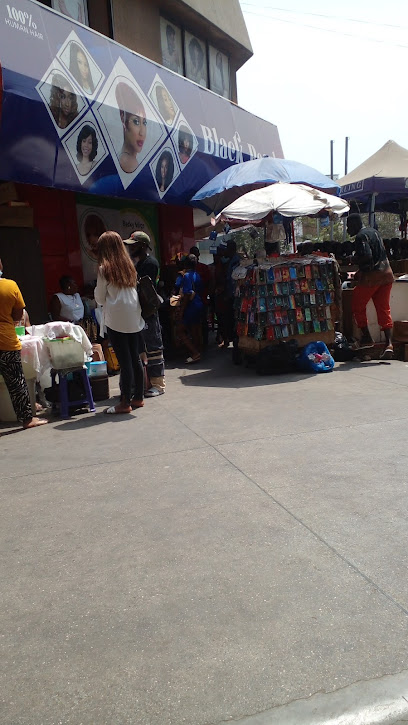
Becky Wigs
0.5 km
Explore Becky Wigs in Accra for a stunning selection of wigs and hair extensions, blending beauty with affordability in a vibrant shopping atmosphere.
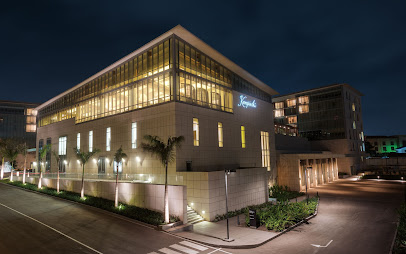
Kempinski Hotel Gold Coast City Accra
1.2 km
Experience luxury and comfort at Kempinski Hotel Gold Coast City Accra, where modern elegance meets the rich culture of Ghana in the heart of Accra.
Unmissable attractions to see

Kwame Nkrumah Memorial Park & Mausoleum
0.0 km
Explore the Kwame Nkrumah Memorial Park & Mausoleum in Accra, a serene tribute to Ghana's first president and a hub of historical significance.

Centre for National Culture
0.1 km
Explore the Centre for National Culture in Accra for a vibrant showcase of Ghanaian arts, crafts, and cultural performances that capture the spirit of the nation.
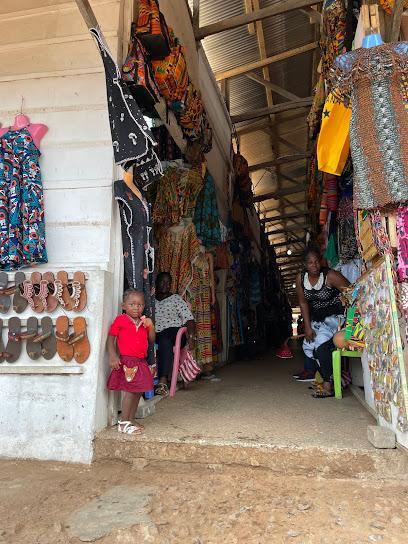
Tourism Society of Ghana (TOSOGHA)
0.2 km
Explore the rich culture of Ghana at the Tourism Society of Ghana in Accra, a hub for authentic experiences and local heritage.
Accra Arts Centre
0.2 km
Discover the vibrant culture of Ghana at Accra Arts Centre, a must-visit destination for art lovers and cultural enthusiasts.
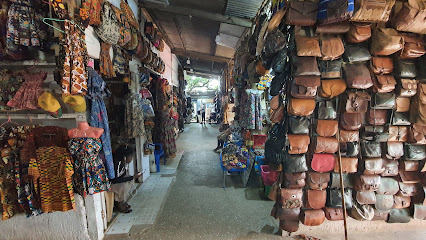
Supreme Court of Ghana
0.2 km
Explore the Supreme Court of Ghana, an architectural gem in Accra showcasing the nation's commitment to justice and rich legal heritage.
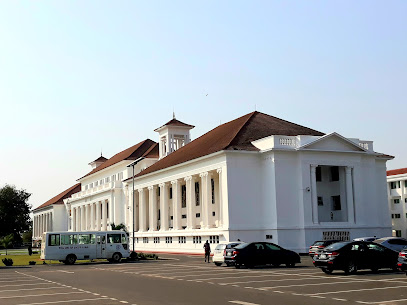
Beach View Point
0.3 km
Experience breathtaking ocean views and serene surroundings at Beach View Point, a hidden gem for tourists seeking natural beauty in Ghana.
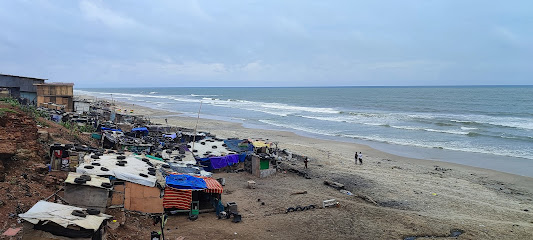
GODSWAY KOKOROKO
0.3 km
Explore Godswat Kokoroko, a vibrant cultural attraction in Accra, showcasing Ghana's rich traditions, artistry, and local craftsmanship.
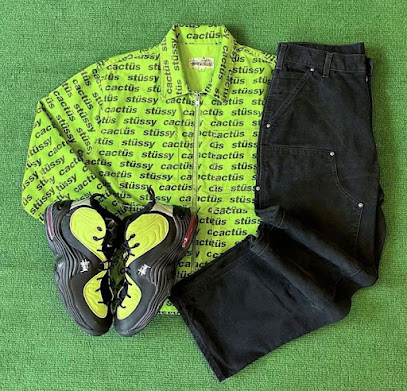
Makola Market
0.4 km
Experience the vibrant culture and bustling energy of Makola Market, Accra's premier destination for local crafts, food, and authentic Ghanaian culture.
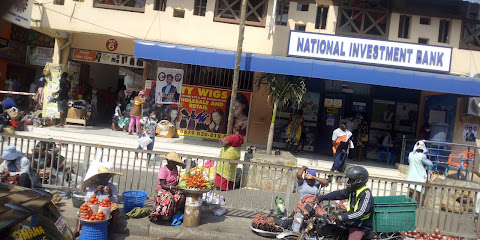
Ussher Fort
0.9 km
Discover the rich history of Ghana at Ussher Fort, an essential museum showcasing the nation's colonial past and maritime heritage.
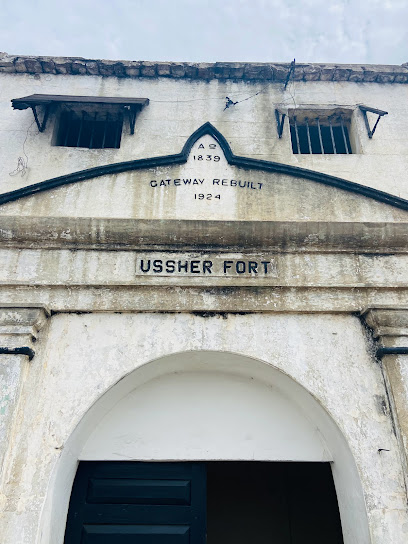
National Theatre
1.0 km
Discover the National Theatre in Accra - a cultural landmark showcasing Ghanaian performing arts, theater, and vibrant artistic expressions.
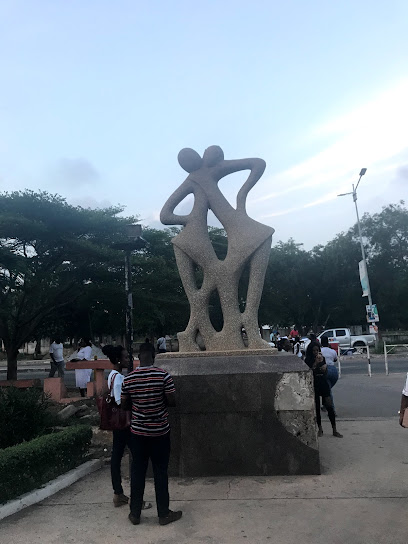
Brazil House
1.0 km
Explore the vibrant cultural exchange between Ghana and Brazil at Brazil House, a unique museum in Accra showcasing art and heritage.
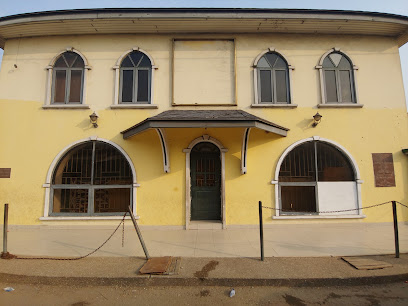
Accra Central
1.1 km
Dive into the vibrant atmosphere of Accra Central, where culture, commerce, and delicious local cuisine come together in the heart of Ghana's capital.
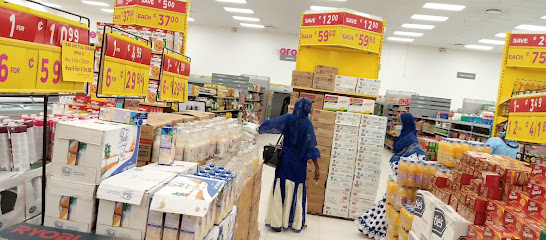
Independence Avenue
1.2 km
Discover Independence Avenue in Accra: A vibrant blend of history, culture, and modern life in the heart of Ghana's capital city.
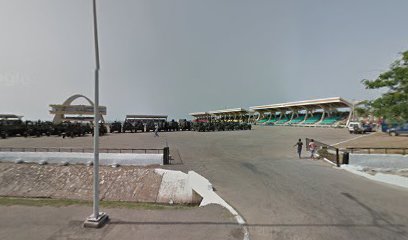
Independence Square | Black Star Square
1.2 km
Discover the monumental Independence Square in Accra, a symbol of Ghana's freedom and cultural heritage, where history meets vibrant local life.
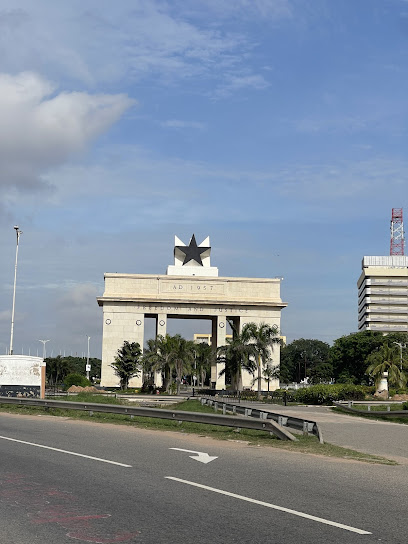
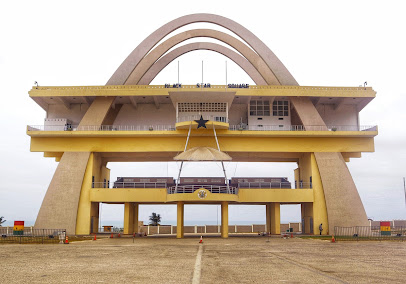
Black Star Square
1.2 km
Explore Black Star Square in Accra, a monumental tribute to Ghana's independence filled with history, culture, and stunning architecture.
Essential places to dine

Sankofa Restaurant
1.1 km
Discover the vibrant flavors of Ghana at Sankofa Restaurant in Accra - where local meets global in a stunning culinary experience.
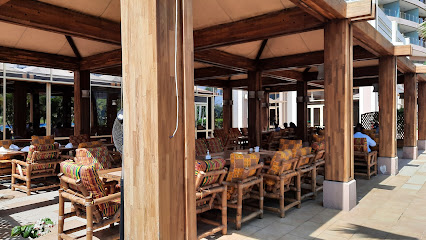
Papillon Restaurant
1.2 km
Experience culinary excellence at Papillon Restaurant in Accra - where local flavors meet global inspirations in a serene setting.
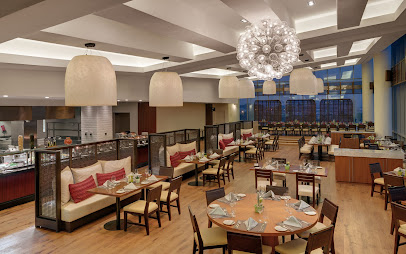
Swallow
1.6 km
Experience the vibrant flavors of Ghana at Swallow, a top restaurant in Accra blending local delicacies with international cuisine.
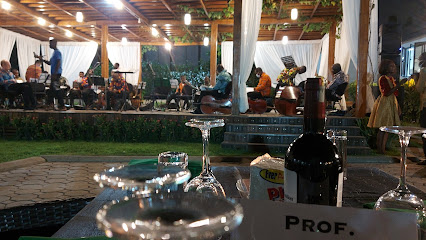
Heritage Indian Restaurant
2.3 km
Experience authentic Indian flavors at Heritage Indian Restaurant in Accra - where every dish tells a story of tradition and taste.
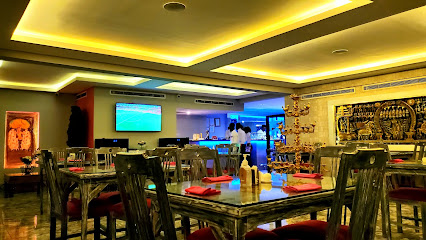
Noble House - Osu
2.3 km
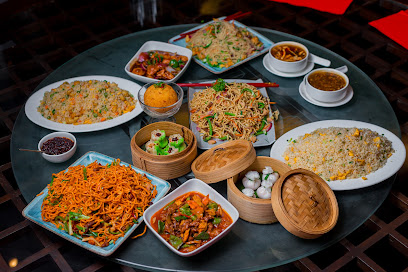
Experience authentic Chinese cuisine at Noble House - Osu in Accra; perfect for food lovers seeking diverse flavors.
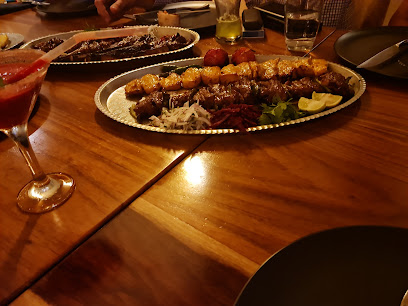
Persia Restaurant Ghana
2.6 km
Discover authentic Persian cuisine at Persia Restaurant in Accra - where flavor meets tradition in a warm and inviting atmosphere.
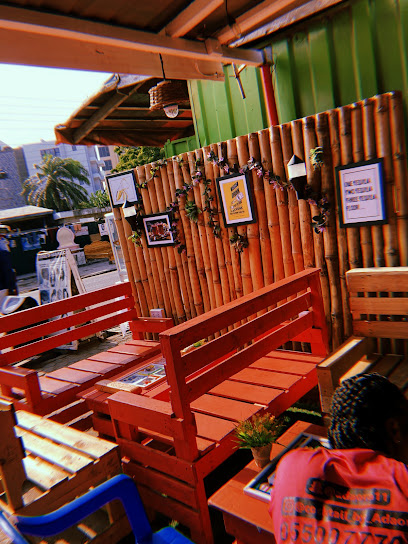
Ada's PUB and GRILL
2.7 km
Discover delicious local cuisine at Ada's PUB and GRILL in Accra—where vibrant atmosphere meets authentic flavors.
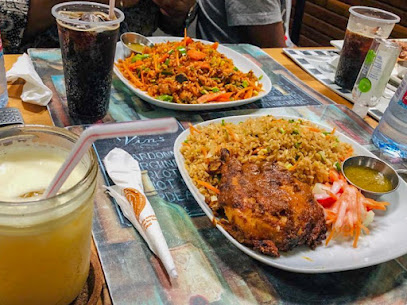
Hoo-Gah Café and Restaurant
2.7 km
Discover Hoo-Gah Café in Accra: A delightful blend of local flavors and international cuisine in a cozy atmosphere.
Baffy's eatery
2.8 km
Discover the culinary delights of Baffy's Eatery in Accra - where local flavors meet international cuisine in a welcoming atmosphere.
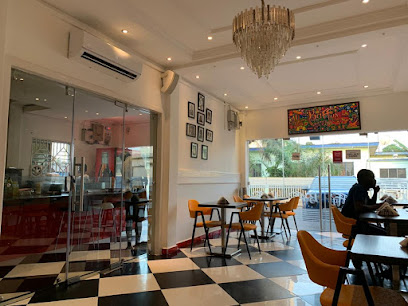
Rina's Restaurant
2.9 km
Discover authentic Ghanaian flavors at Rina's Restaurant in Accra’s vibrant Oxford Street Mall.
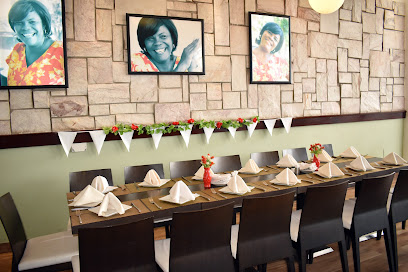
Wonder Wings Asylum Down
2.9 km
Discover diverse flavors at Wonder Wings Asylum Down in Accra – where every bite tells a story.
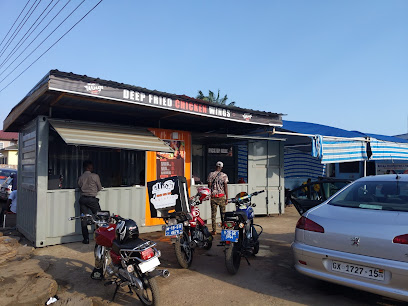
Frankie's Foods and Rooms
2.9 km
Experience the essence of Ghanaian cuisine at Frankie's Foods and Rooms in Accra, where every meal tells a story.
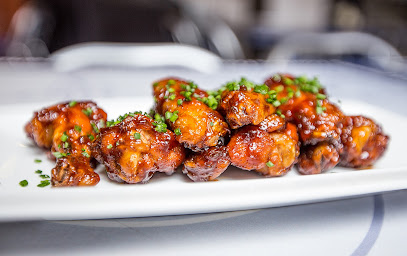
B2B Ghana | Breakfast To Breakfast
3.0 km
Experience authentic Ghanaian flavors at B2B Ghana, where every meal tells a story of culture and tradition.
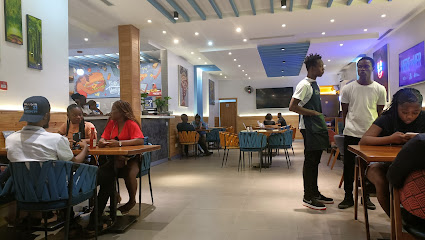
Chez Clarisse Mama Africa
3.0 km
Discover authentic West African cuisine at Chez Clarisse Mama Africa in Accra – where every meal tells a story.
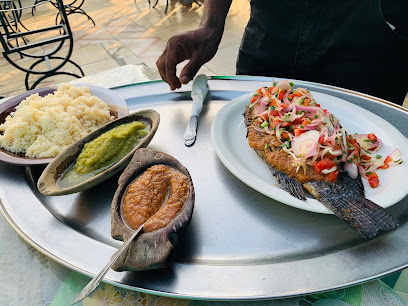
Asanka Local International Chop Bar
3.2 km
Experience authentic Ghanaian cuisine at Asanka Local International Chop Bar in Accra, where tradition meets flavor in a vibrant setting.
Markets, malls and hidden boutiques

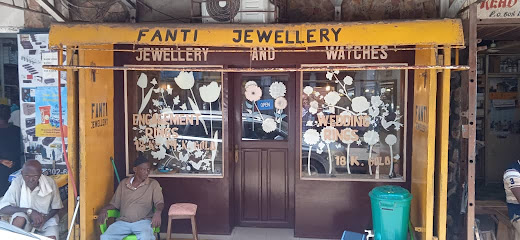
Fanti Jewellery
0.4 km
Explore the elegance and artistry of Ghanaian jewelry at Fanti Jewellery, where every piece tells a story of culture and craftsmanship.
Makola Shopping Mall
0.6 km
Explore the lively Makola Shopping Mall in Accra, Ghana, for a vibrant shopping experience filled with local culture and delicious cuisine.
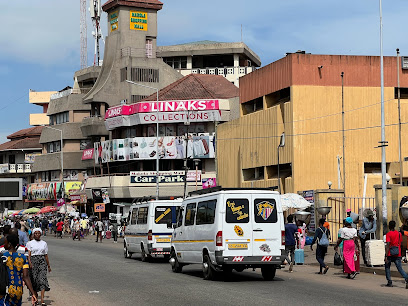
Ohemaa's Emporium
0.7 km
Explore the vibrant styles of Ohemaa's Emporium, where modern fashion meets traditional Ghanaian craftsmanship in the heart of Accra.
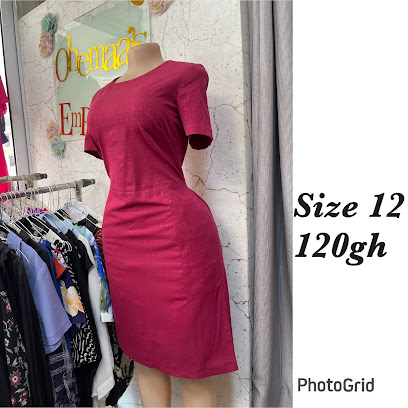
Excellence boutique Head office
1.0 km
Explore fashion and local artistry at Excellence Boutique, Accra's premier shopping destination for unique and stylish finds.
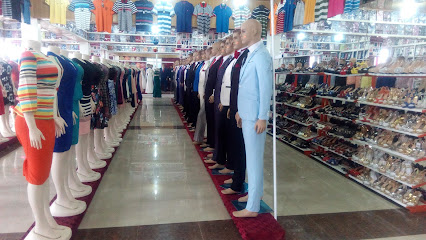
Elle Lokko
1.9 km
Explore Elle Lokko in Accra for unique women's fashion that blends contemporary style with local craftsmanship and culture.
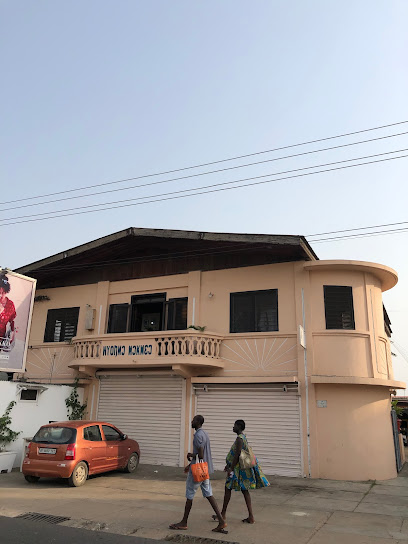
Lokko House
1.9 km
Explore Lokko House in Accra for unique clothing and novelty items, celebrating Ghana's vibrant culture in a lively shopping environment.
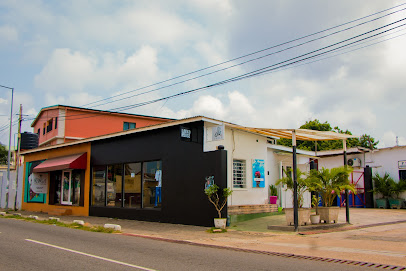
LOOK NICE COLLECTION OSU
2.1 km
Explore the vibrant fashion scene at LOOK NICE COLLECTION OSU in Accra, where local creativity meets contemporary style in a chic boutique setting.
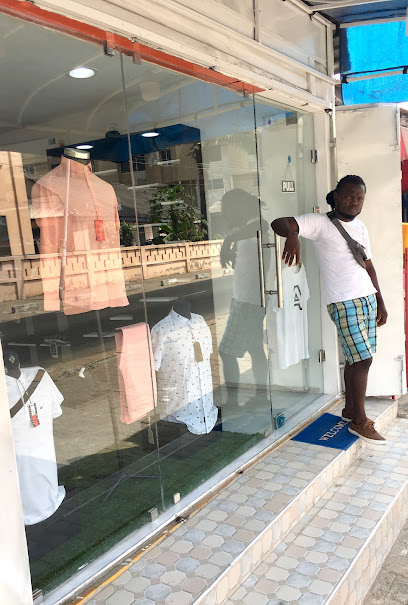
Friendly Ghana - BOXING ARENA
2.2 km
Discover the heart of Ghana's boxing culture at Bukom Boxing Arena, a vibrant venue showcasing the nation's sporting passion and talent.
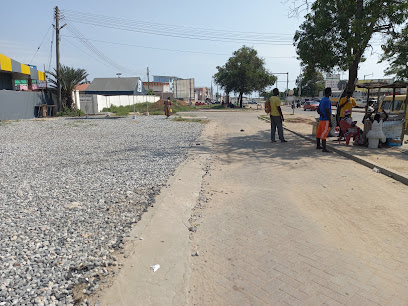
Sun Trade Beads
2.4 km
Discover the colorful world of handcrafted beads at Sun Trade Beads, a unique shopping experience in Accra, Ghana.
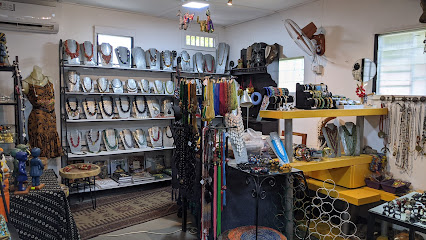
Ayewa.emporium
2.6 km
Experience the vibrant fusion of contemporary and traditional Ghanaian fashion at Ayewa.emporium in Accra.
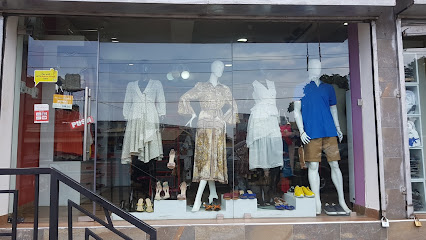
Bright kusi Ghana
2.7 km
Explore the vibrant culture of Accra at Bright Kusi Ghana, your go-to general store for local treasures and everyday essentials.
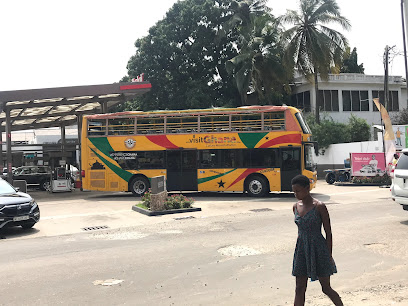
Treasure Ghana
2.8 km
Explore vibrant fashion and authentic Ghanaian craftsmanship at Treasure Ghana in Accra, a must-visit clothing store for every traveler.
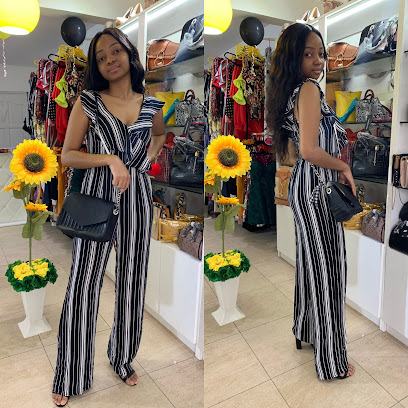
Global Mamas
2.9 km
Explore Global Mamas in Accra for unique handmade clothing, beauty products, and jewelry while supporting local artisans and their crafts.
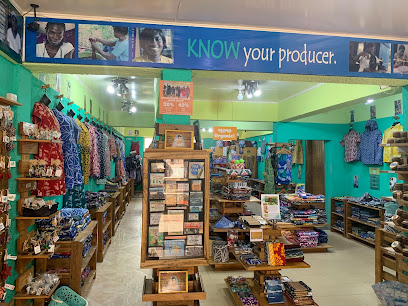
Wrap Up
2.9 km
Discover unique souvenirs and local crafts at Wrap Up, the premier gift shop in Accra that celebrates Ghanaian culture.

Ghana City Boutique (Woman Boutique)
3.1 km
Explore the vibrant styles of Ghana at Ghana City Boutique, a top women's clothing store in Accra offering unique and stylish fashion choices.
Essential bars & hidden hideouts

One2One Bar
1.1 km
Experience the vibrant atmosphere and exquisite cocktails at One2One Bar in Accra, Ghana – a must-visit for every traveler.
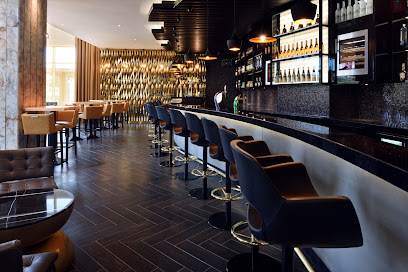
The Gallery bar
1.2 km
Experience the elegance of The Gallery Bar in Accra - a premier lounge for exquisite cocktails and vibrant nightlife.
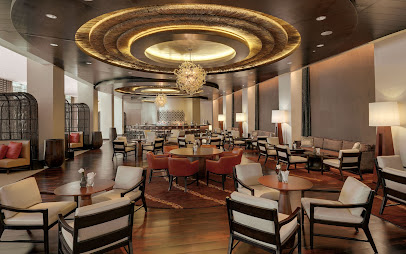
Randburg Bar
2.1 km
Randburg Bar - A lively nightlife destination in Accra, offering a diverse drink menu and an inviting atmosphere to unwind and socialize.
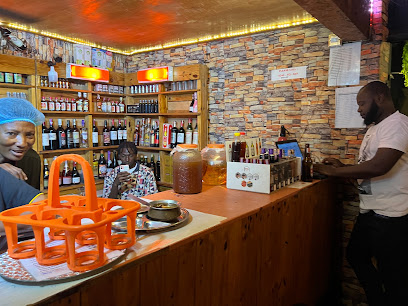
Tweety Bar
2.3 km
Discover the vibrant nightlife of Accra at Tweety Bar, a charming street-side pub perfect for unwinding with friends over refreshing drinks.
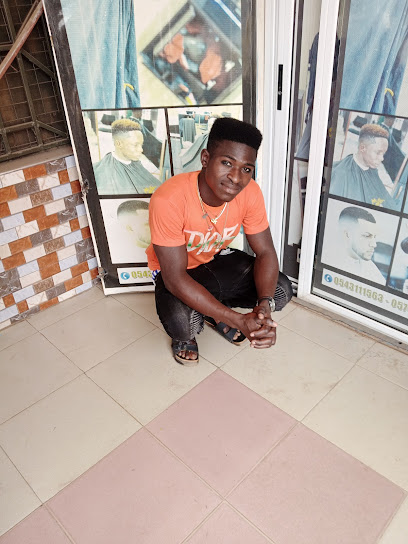
Flipbar
2.5 km
Discover the lively spirit of Accra at Flipbar, where great drinks and vibrant entertainment come together in an unforgettable nightlife experience.
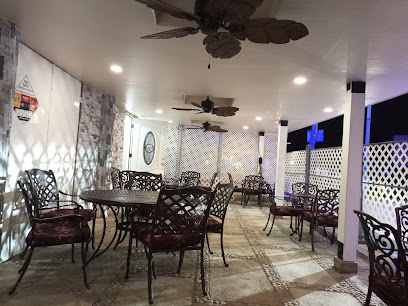
BIG LEAGUES SPORTS AND GAMES LOUNGE
2.6 km
Experience the thrill of sports at Big Leagues Sports and Games Lounge, Accra's top spot for delicious food and exciting games.
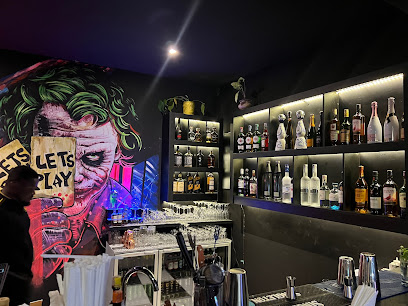
Osu Beach Bar
2.6 km
Discover the lively Osu Beach Bar in Accra, where affordable drinks meet a vibrant atmosphere and stunning coastal views.
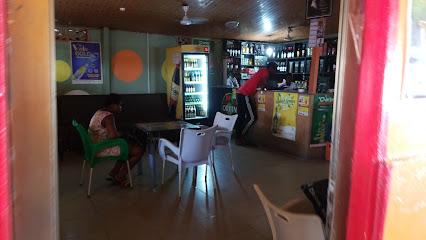
Duncan's pub
2.8 km
Experience the vibrant atmosphere and delicious grill offerings at Duncan's Pub, a culinary hotspot in Accra, perfect for tourists and locals alike.
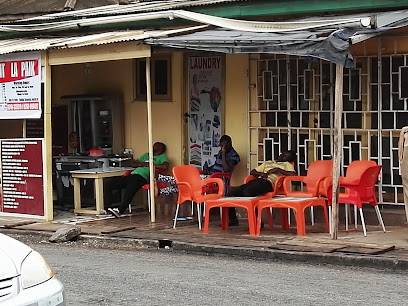
The Republic Bar & Grill
2.8 km
Discover the vibrant flavors of Accra at The Republic Bar & Grill, where local cuisine meets a lively bar atmosphere for an unforgettable dining experience.
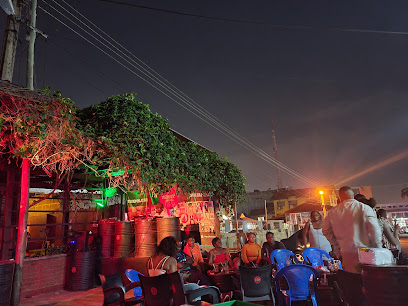
Bloom Bar
2.8 km
Experience the vibrant nightlife at Bloom Bar in Accra, where cocktails, music, and socializing come together for an unforgettable evening.
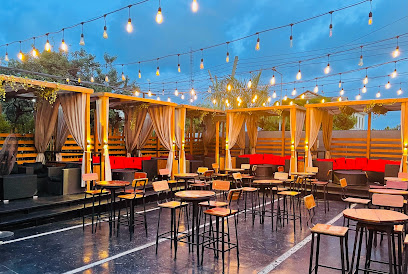
Shades Lounge
2.9 km
Discover the vibrant atmosphere of Shades Lounge in Accra, where great food, refreshing drinks, and lively entertainment come together.
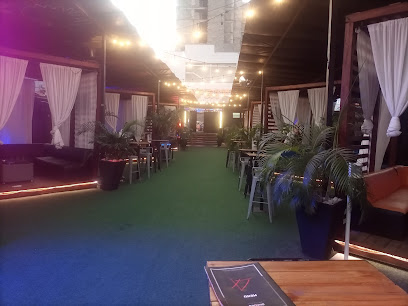
Wengeze Bitters, Wengeze Pub , Restaurant , Sport Bar and Guest House
3.0 km
Experience authentic Ghanaian flavors at Wengeze Bitters, a charming pub and grill in the heart of Accra, perfect for family outings and gatherings.
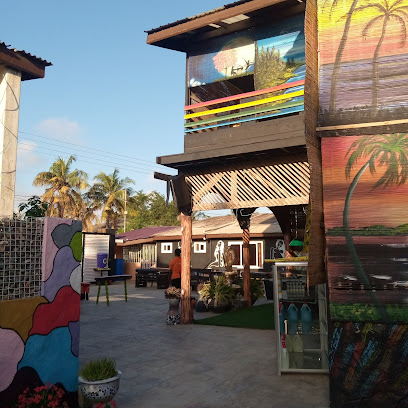
Continent Tours LTD
3.0 km
Discover the vibrant culture and history of Accra with personalized tours by Continent Tours LTD, your gateway to unforgettable Ghanaian adventures.
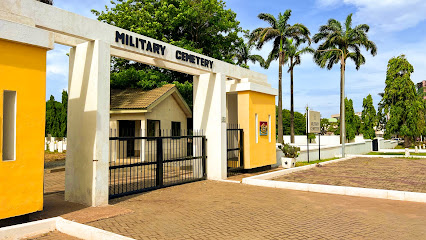
THE WOODS
3.0 km
Experience the vibrant nightlife of Ghana at The Woods, a premier bar in Estates offering a lively atmosphere and delightful drinks.
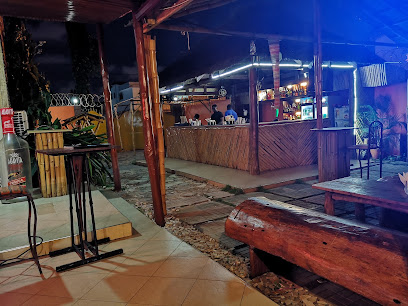
Kona
3.0 km
Experience the vibrant atmosphere and delicious grilled cuisine at Kona, Accra's premier grill and lounge destination.