Liberation Day Monument: A Tribute to Ghana's Fallen Heroes
A solemn tribute to Ghana's veterans and a powerful symbol of the nation's unwavering pursuit of freedom, the Liberation Day Monument stands as a testament to courage and sacrifice.
The Liberation Day Monument in Accra stands as a poignant reminder of Ghana's struggle for independence and the sacrifices made by its veterans. Originally erected to commemorate three soldiers killed during a peaceful protest in 1948, it has evolved to honor all who fought for the nation's freedom. Located in the bustling Osu Klottey district, the monument offers a space for reflection amidst the city's vibrant energy. Visitors can explore the monument's grounds, learn about its historical significance, and pay respects to the heroes it commemorates. The monument serves as a venue for national celebrations and ceremonies, making it a dynamic part of Accra's cultural landscape. A visit here provides a deeper understanding of Ghana's journey to self-governance and the enduring spirit of its people.
A brief summary to Liberation Day Monument
- 62 Nii Kinka Dowuona Ln, Accra, Osu Klottey, GH
Local tips
- Visit early in the morning to avoid crowds and experience a more peaceful atmosphere for reflection.
- Engage with local guides to gain deeper insights into the historical context and significance of the monument.
- Combine your visit with a stroll through nearby Osu, known for its vibrant street life, shops, and restaurants.

Getting There
-
Walking
From the center of Osu, head east on Oxford Street towards the Osu Castle. Continue straight until you reach the junction with Nii Kinka Dowuona Lane. Turn right onto Nii Kinka Dowuona Lane. The Liberation Day Monument is located a short walk ahead at 62 Nii Kinka Dowuona Lane. It's a prominent landmark, so you should be able to spot it easily.
-
Public Transport
If you're coming from a different part of Accra, take a 'tro tro' (shared minibus) heading to Osu. You can find 'tro tros' at various terminals in Accra. Ask the conductor to drop you at Osu near the Osu Castle. Once you get off, walk east along Oxford Street until you reach Nii Kinka Dowuona Lane. Turn right, and the monument will be on your left at 62 Nii Kinka Dowuona Lane. The cost for the 'tro tro' ride is usually around 2-6 GHS, depending on the distance.
-
Taxi/Ride-Share
Taxis and ride-sharing services like Uber and Bolt are readily available in Accra. Simply request a ride to 62 Nii Kinka Dowuona Lane, Osu. A short taxi ride within Osu should cost approximately 10-20 GHS, depending on traffic and distance.
Discover more about Liberation Day Monument
Iconic landmarks you can’t miss

Liberation Day Monument
0.0 km
Experience Ghana's rich history at the Liberation Day Monument, a symbol of freedom and resilience in the heart of Accra.
WORLD WAR MONUMENT
0.1 km
Explore the poignant history of Ghana's military contributions at the World War Monument in Accra, a tribute to bravery and sacrifice.
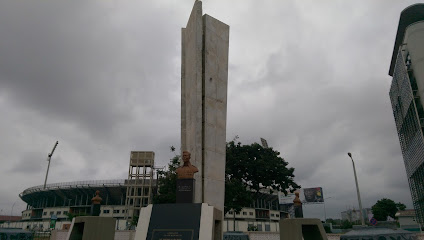
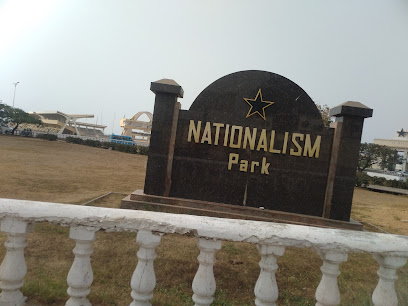
Nationalism Park
0.2 km
Explore Nationalism Park in Accra, a serene memorial to Ghana's heritage that offers a peaceful retreat and a glimpse into the nation's inspiring history.
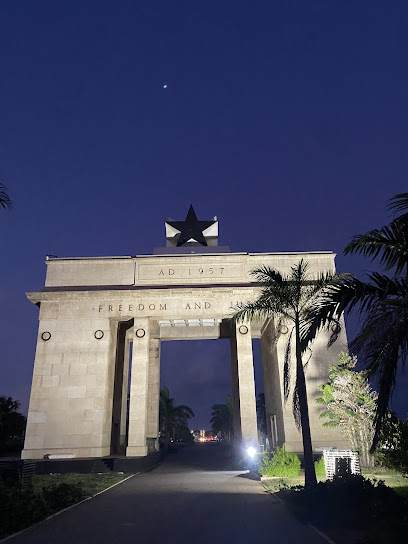
Independence square
0.3 km
Explore Independence Square, a historic landmark in Accra symbolizing Ghana's freedom and vibrant culture, rich in history and national celebrations.
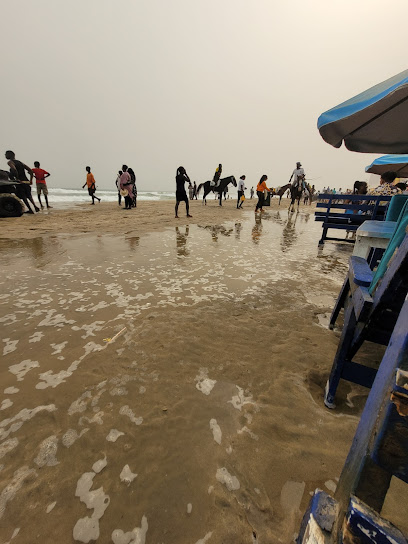
Osu beach
0.6 km
Experience the vibrant coastal culture of Accra at Osu Beach, a lively destination offering relaxation, recreation, and authentic Ghanaian flavors in the heart of the city.
Emmanuel Villa Osu
0.7 km
Explore Emmanuel Villa Osu, a stunning historical landmark in Accra, where colonial charm meets Ghana's vibrant culture and rich heritage.
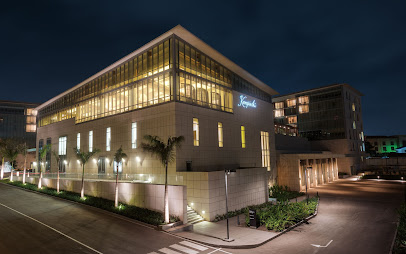
Kempinski Hotel Gold Coast City Accra
1.0 km
Experience luxury and comfort at Kempinski Hotel Gold Coast City Accra, where modern elegance meets the rich culture of Ghana in the heart of Accra.
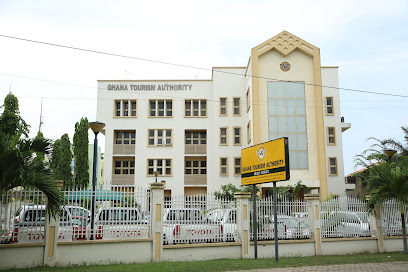
Ghana Tourism Authority - Head Office
1.3 km
Explore Ghana’s rich culture and attractions at the Ghana Tourism Authority’s Head Office in Accra, your gateway to unforgettable experiences.
Unmissable attractions to see

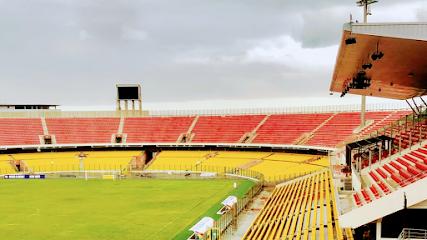
Accra Sports Stadium
0.3 km
Experience the pulse of Ghana's sports culture at Accra Sports Stadium, a vibrant venue for thrilling events and local camaraderie.
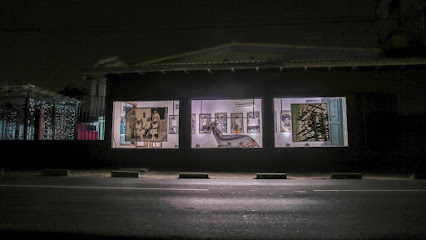
ANO Institute of Arts and Knowledge
0.3 km
Discover the artistic heart of Accra at the ANO Institute of Arts and Knowledge, a vibrant museum celebrating Ghana's rich cultural heritage.
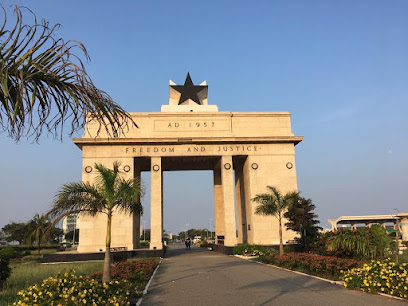
Independence Arch
0.3 km
Explore the Independence Arch in Accra, a stunning monument celebrating Ghana's freedom and rich cultural heritage.
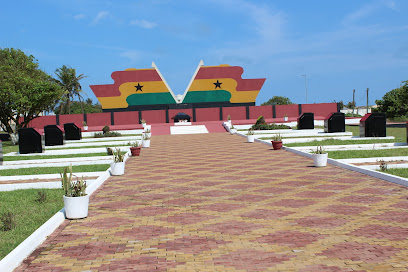
Asomdwe Park
0.4 km
Discover tranquility at Asomdwe Park, a serene memorial park in Accra dedicated to Ghana's late President John Atta Mills.
Independence Avenue
0.4 km
Discover Independence Avenue in Accra: A vibrant blend of history, culture, and modern life in the heart of Ghana's capital city.
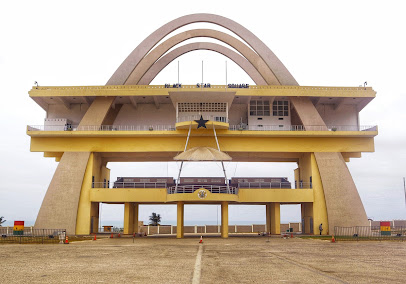
Independence Square | Black Star Square
0.5 km
Experience the rich history and vibrant culture of Ghana at Independence Square, Accra's iconic landmark symbolizing freedom and unity.
Accra International Conference Centre
0.6 km
Explore the Accra International Conference Centre, a vibrant hub for culture, business, and events in the heart of Ghana's capital city.
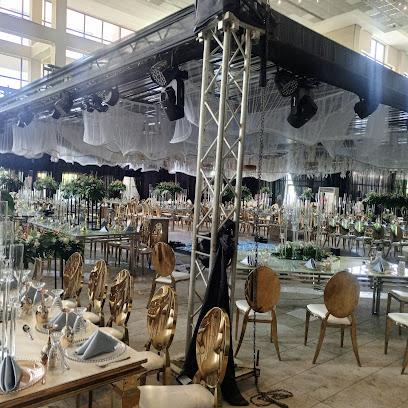
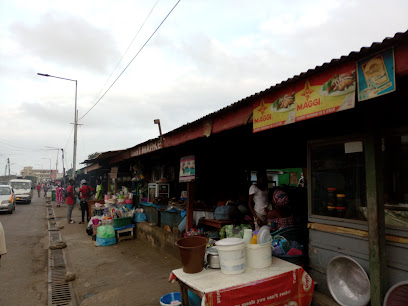
Osu Night Market
0.8 km
Discover the vibrant flavors and cultural richness of Osu Night Market, a must-visit culinary destination in Accra, Ghana.
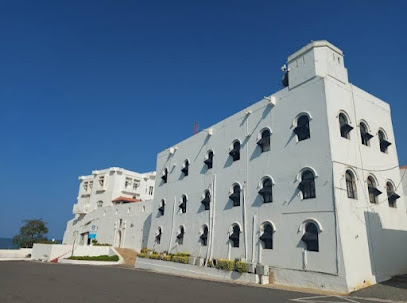
Osu Castle
0.9 km
Discover the rich history of Osu Castle in Accra, a monumental site that narrates Ghana's colonial past and vibrant culture.
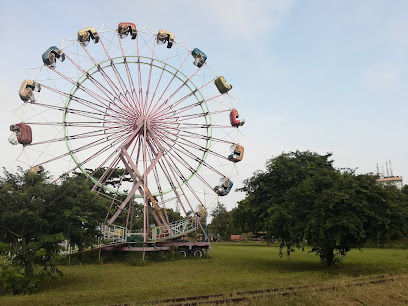
Efua Sutherland Children's Park
1.2 km
Explore Efua Sutherland Children's Park in Accra for a delightful mix of fun, relaxation, and cultural experiences amidst lush green surroundings.
National Theatre
1.2 km
Discover the National Theatre in Accra - a cultural landmark showcasing Ghanaian performing arts, theater, and vibrant artistic expressions.
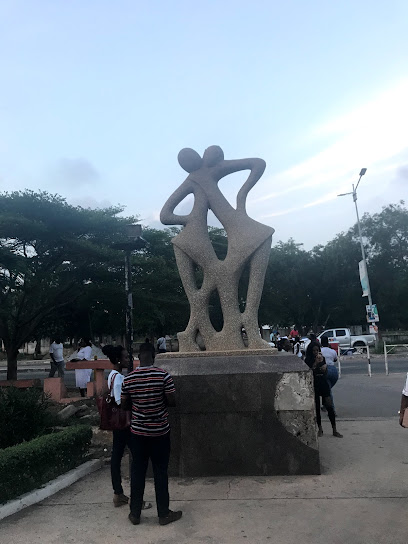
Osu Mantse (Teteete Nii Nortey Owuo IV)
1.3 km
Explore Osu Mantse, a cultural gem in Accra, where tradition meets history in the heart of Ghana.

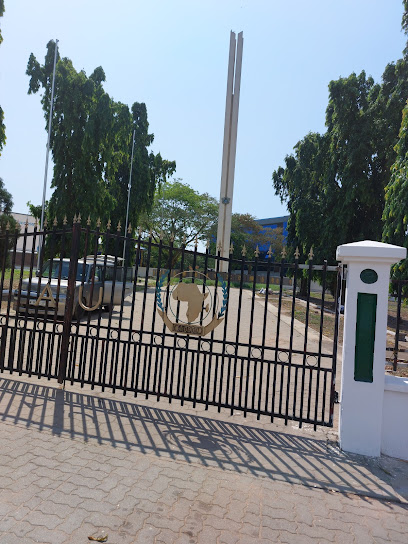
AU Square
1.3 km
Experience the vibrant culture and dynamic atmosphere of AU Square in Accra, a must-visit tourist attraction for every traveler.
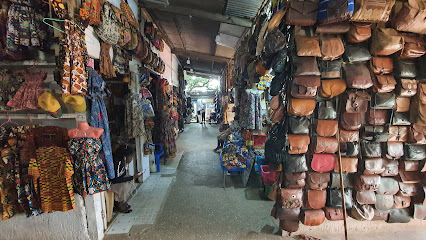
Accra Arts Centre
1.4 km
Discover the rich tapestry of Ghanaian culture at the Accra Arts Centre, a vibrant hub for art lovers and cultural enthusiasts.
Tourism Society of Ghana (TOSOGHA)
1.4 km
Explore the rich culture of Ghana at the Tourism Society of Ghana in Accra, a hub for authentic experiences and local heritage.
Essential places to dine

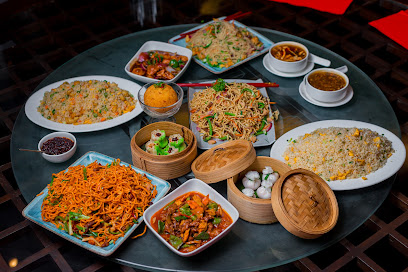
Noble House - Osu
0.9 km
Experience authentic Chinese cuisine at Noble House - Osu in Accra; perfect for food lovers seeking diverse flavors.
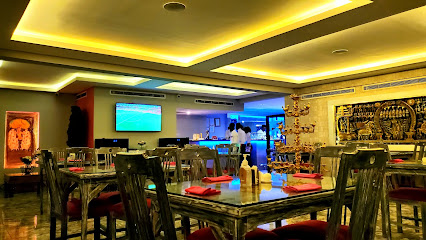
Heritage Indian Restaurant
0.9 km
Experience authentic Indian flavors at Heritage Indian Restaurant in Accra - where every dish tells a story of tradition and taste.
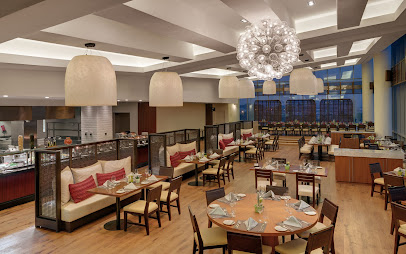
Papillon Restaurant
1.0 km
Experience culinary excellence at Papillon Restaurant in Accra - where local flavors meet global inspirations in a serene setting.
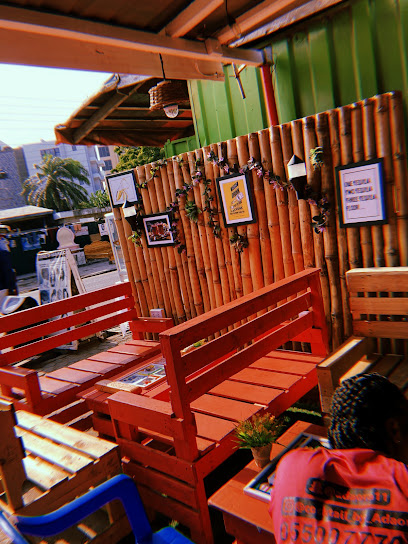
Ada's PUB and GRILL
1.2 km
Discover delicious local cuisine at Ada's PUB and GRILL in Accra—where vibrant atmosphere meets authentic flavors.
Swallow
1.2 km
Experience the vibrant flavors of Ghana at Swallow, a top restaurant in Accra blending local delicacies with international cuisine.
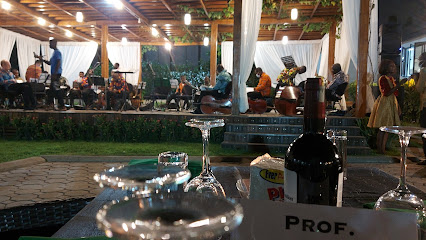
Rina's Restaurant
1.4 km
Discover authentic Ghanaian flavors at Rina's Restaurant in Accra’s vibrant Oxford Street Mall.
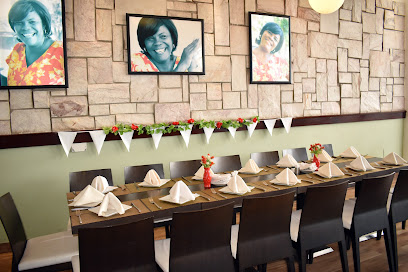
Sankofa Restaurant
1.5 km
Discover the vibrant flavors of Ghana at Sankofa Restaurant in Accra - where local meets global in a stunning culinary experience.
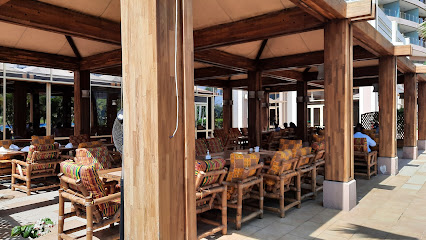
Frankie's Foods and Rooms
1.5 km
Experience the essence of Ghanaian cuisine at Frankie's Foods and Rooms in Accra, where every meal tells a story.
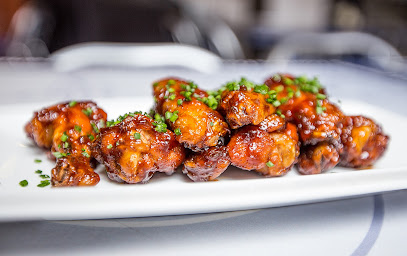
B2B Ghana | Breakfast To Breakfast
1.6 km
Experience authentic Ghanaian flavors at B2B Ghana, where every meal tells a story of culture and tradition.
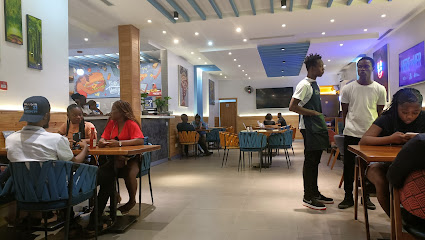
Baffy's eatery
1.6 km
Discover the culinary delights of Baffy's Eatery in Accra - where local flavors meet international cuisine in a welcoming atmosphere.
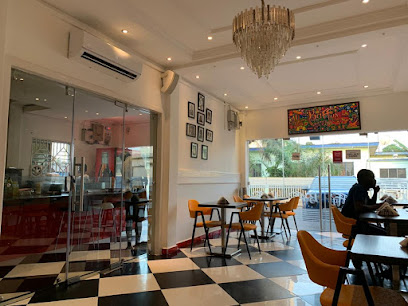
Persia Restaurant Ghana
1.6 km
Discover authentic Persian cuisine at Persia Restaurant in Accra - where flavor meets tradition in a warm and inviting atmosphere.
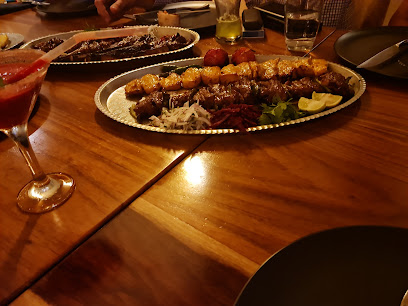
Asanka Local International Chop Bar
1.6 km
Experience authentic Ghanaian cuisine at Asanka Local International Chop Bar in Accra, where tradition meets flavor in a vibrant setting.
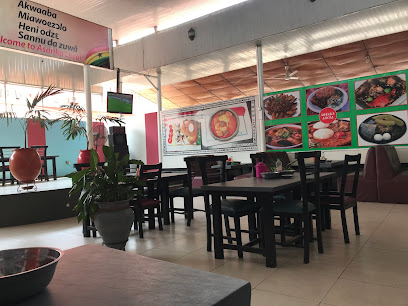
Mazera Restaurant
1.7 km
Experience authentic Ghanaian flavors and international delights at Mazera Restaurant in Accra.
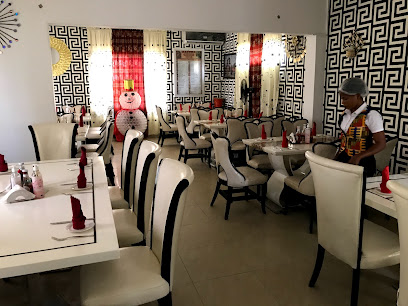
Chez Clarisse Mama Africa
1.7 km
Discover authentic West African cuisine at Chez Clarisse Mama Africa in Accra – where every meal tells a story.
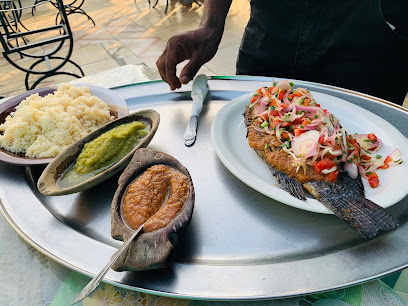
THE MIX RESTAURANT ACCRA
1.7 km
Experience the best of Ghanaian cuisine at The Mix Restaurant in Accra - where tradition meets innovation in every dish.
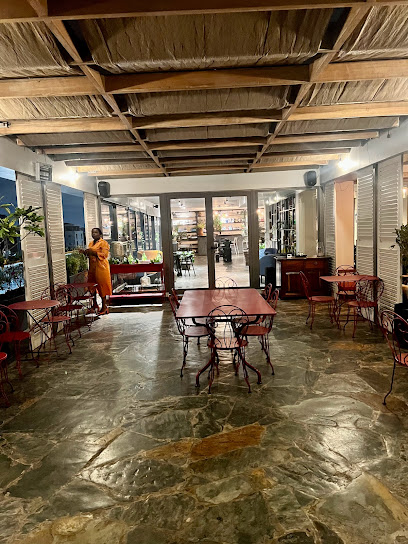
Markets, malls and hidden boutiques

Elle Lokko
0.3 km
Explore Elle Lokko in Accra for unique women's fashion that blends contemporary style with local craftsmanship and culture.
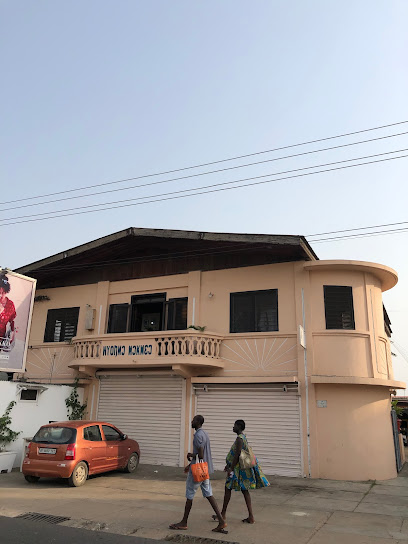
Lokko House
0.4 km
Explore Lokko House in Accra for unique clothing and novelty items, celebrating Ghana's vibrant culture in a lively shopping environment.
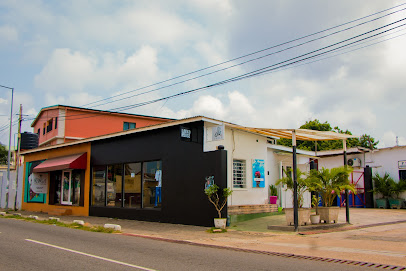
LOOK NICE COLLECTION OSU
0.5 km
Explore the vibrant fashion scene at LOOK NICE COLLECTION OSU in Accra, where local creativity meets contemporary style in a chic boutique setting.
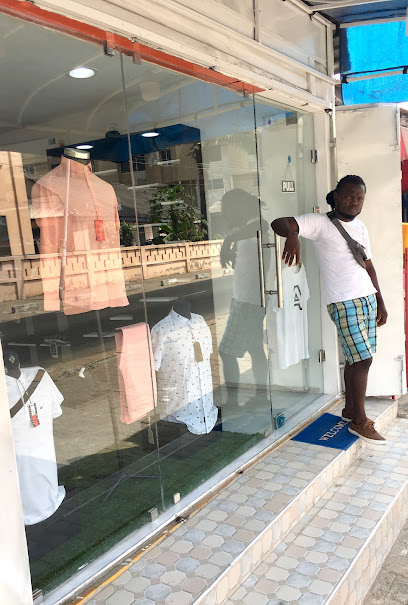
Ayewa.emporium
1.1 km
Experience the vibrant fusion of contemporary and traditional Ghanaian fashion at Ayewa.emporium in Accra.
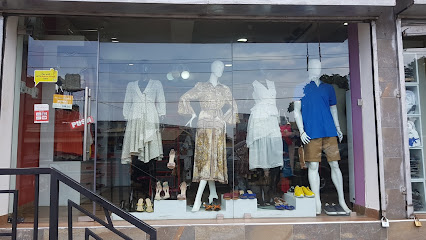
Bright kusi Ghana
1.2 km
Explore the vibrant culture of Accra at Bright Kusi Ghana, your go-to general store for local treasures and everyday essentials.
Treasure Ghana
1.3 km
Explore vibrant fashion and authentic Ghanaian craftsmanship at Treasure Ghana in Accra, a must-visit clothing store for every traveler.
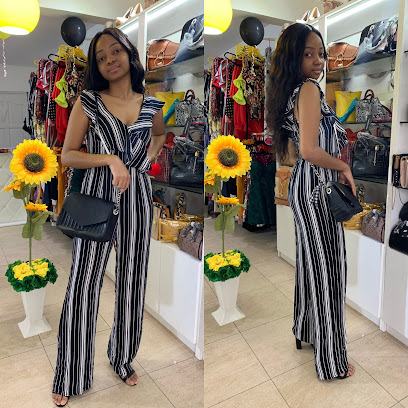
Wrap Up
1.4 km
Discover unique souvenirs and local crafts at Wrap Up, the premier gift shop in Accra that celebrates Ghanaian culture.

Global Mamas
1.5 km
Explore Global Mamas in Accra for unique handmade clothing, beauty products, and jewelry while supporting local artisans and their crafts.
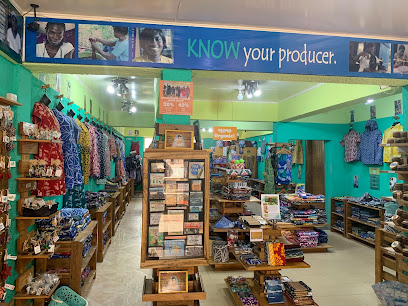
Maketa boutique
1.7 km
Explore the vibrant fashion of Ghana at Maketa Boutique, where local artistry meets contemporary design in the heart of Accra.
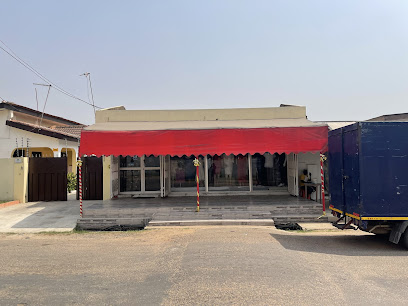
Pearls Paradise Boutique
1.7 km
Explore the essence of Ghanaian fashion at Pearls Paradise Boutique, a vibrant women's clothing store offering unique styles and local designs in Accra.
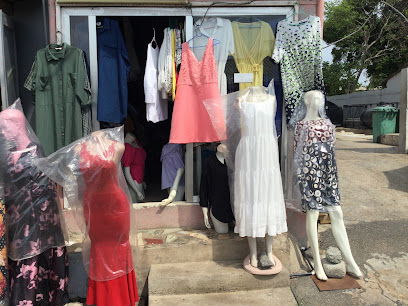
Ghana City Boutique (Woman Boutique)
1.8 km
Explore the vibrant styles of Ghana at Ghana City Boutique, a top women's clothing store in Accra offering unique and stylish fashion choices.
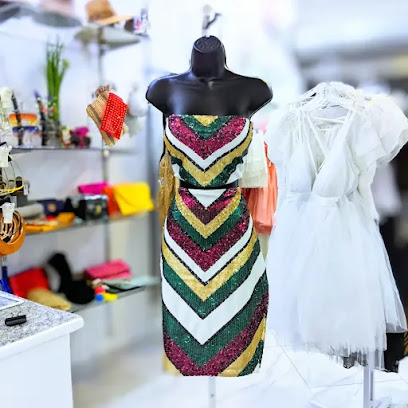
Ohemaa's Emporium
1.8 km
Explore the vibrant styles of Ohemaa's Emporium, where modern fashion meets traditional Ghanaian craftsmanship in the heart of Accra.
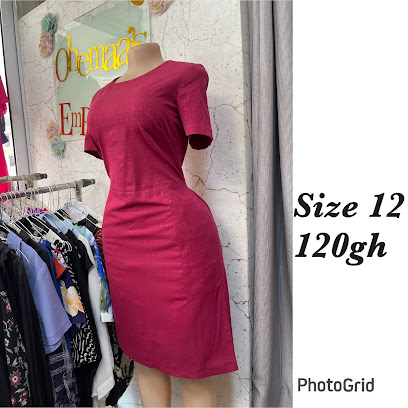
Woodin Boutique - Osu
1.8 km
Explore the vibrant styles of Woodin Boutique in Osu, Accra, where tradition meets contemporary fashion in stunning fabrics and designs.
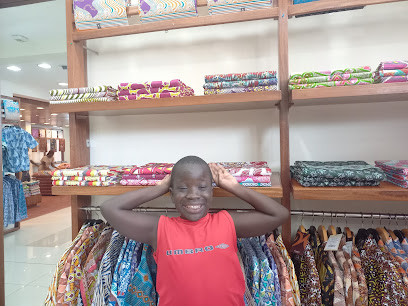
Akosnachi Enterprise Gh.
1.9 km
Discover unique and exquisite jewelry at Akosnachi Enterprise Gh. in Makola Shopping Mall, Accra - a vibrant cultural hub for tourists.
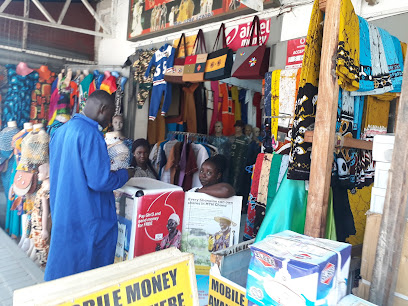
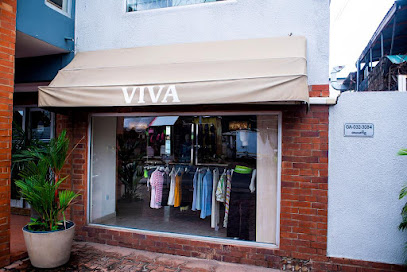
Viva Accra - Osu
1.9 km
Discover contemporary Ghanaian fashion at Viva Accra - Osu, a chic boutique offering stylish clothing and local designs in the heart of Accra.
Essential bars & hidden hideouts

Randburg Bar
0.6 km
Randburg Bar - A lively nightlife destination in Accra, offering a diverse drink menu and an inviting atmosphere to unwind and socialize.
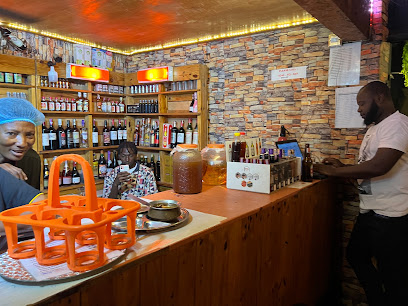
Flipbar
1.0 km
Discover the lively spirit of Accra at Flipbar, where great drinks and vibrant entertainment come together in an unforgettable nightlife experience.
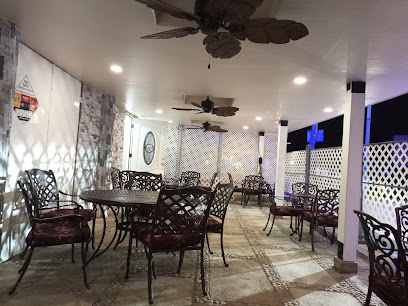
The Gallery bar
1.0 km
Experience the elegance of The Gallery Bar in Accra - a premier lounge for exquisite cocktails and vibrant nightlife.
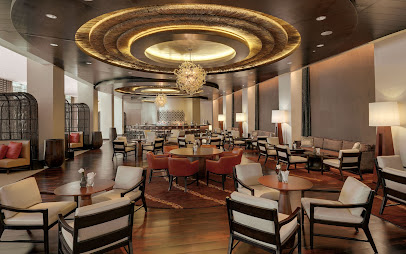
Osu Beach Bar
1.2 km
Discover the lively Osu Beach Bar in Accra, where affordable drinks meet a vibrant atmosphere and stunning coastal views.
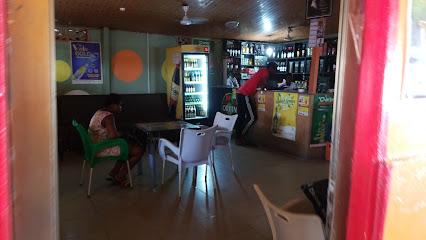
BIG LEAGUES SPORTS AND GAMES LOUNGE
1.2 km
Experience the thrill of sports at Big Leagues Sports and Games Lounge, Accra's top spot for delicious food and exciting games.
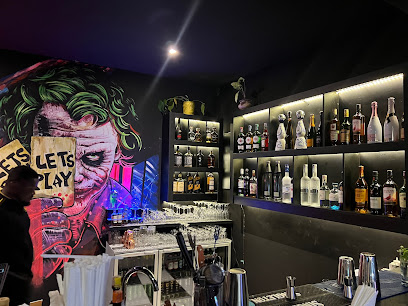
Bloom Bar
1.3 km
Experience the vibrant nightlife at Bloom Bar in Accra, where cocktails, music, and socializing come together for an unforgettable evening.
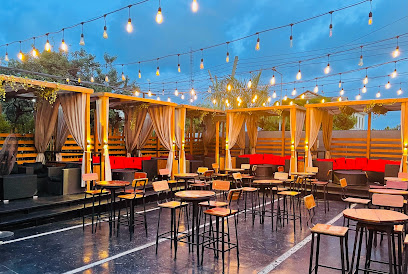
Duncan's pub
1.4 km
Experience the vibrant atmosphere and delicious grill offerings at Duncan's Pub, a culinary hotspot in Accra, perfect for tourists and locals alike.
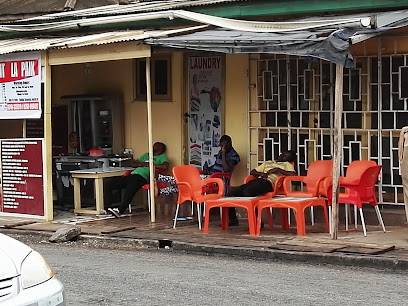
The Republic Bar & Grill
1.4 km
Discover the vibrant flavors of Accra at The Republic Bar & Grill, where local cuisine meets a lively bar atmosphere for an unforgettable dining experience.
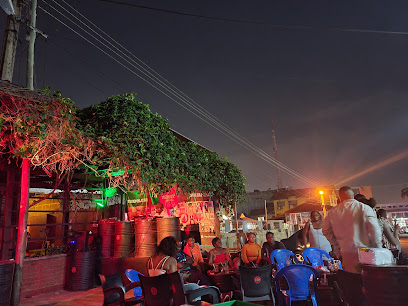
Shades Lounge
1.4 km
Discover the vibrant atmosphere of Shades Lounge in Accra, where great food, refreshing drinks, and lively entertainment come together.
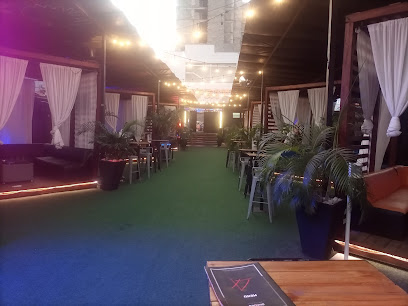
One2One Bar
1.5 km
Experience the vibrant atmosphere and exquisite cocktails at One2One Bar in Accra, Ghana – a must-visit for every traveler.
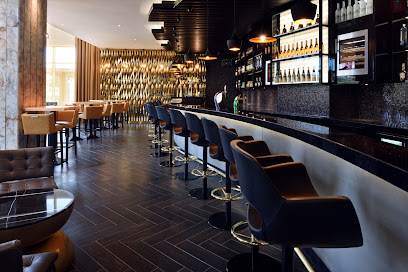
Continent Tours LTD
1.6 km
Discover the vibrant culture and history of Accra with personalized tours by Continent Tours LTD, your gateway to unforgettable Ghanaian adventures.
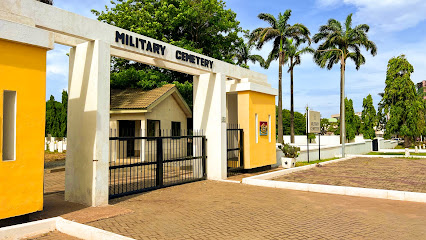
Ry-mix Bar
1.6 km
Discover the lively Ry-mix Bar in Accra, a premier destination for nightlife, cocktails, and live music that captures the essence of Ghanaian culture.
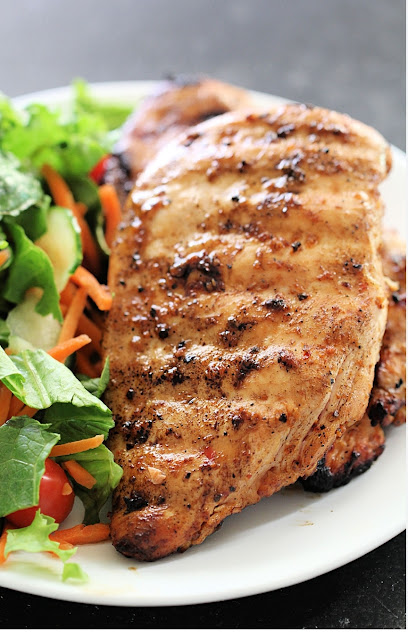
Kona
1.6 km
Experience the vibrant atmosphere and delicious grilled cuisine at Kona, Accra's premier grill and lounge destination.
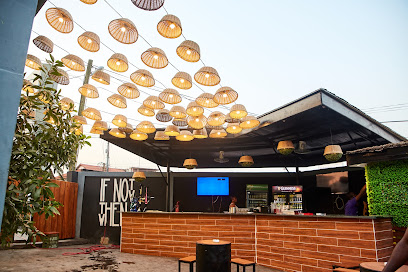
Wengeze Bitters, Wengeze Pub , Restaurant , Sport Bar and Guest House
1.7 km
Experience authentic Ghanaian flavors at Wengeze Bitters, a charming pub and grill in the heart of Accra, perfect for family outings and gatherings.
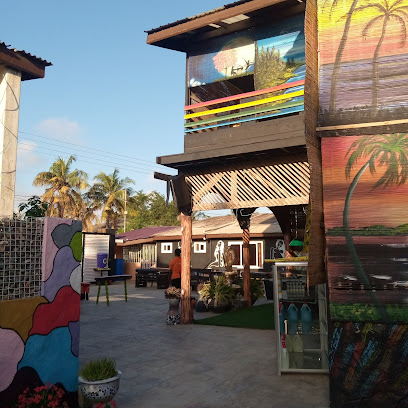
Bob's shawama and bar
1.8 km
Experience the lively atmosphere and mouth-watering shawarma at Bob's Shawarma and Bar in Accra, a favorite among locals and travelers alike.
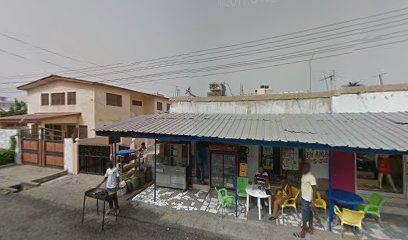
Nightclubs & after hour spots

69 lounge
1.1 km
Discover the electrifying nightlife of Accra at 69 Lounge, a premier disco club offering an unforgettable dance experience and vibrant atmosphere.
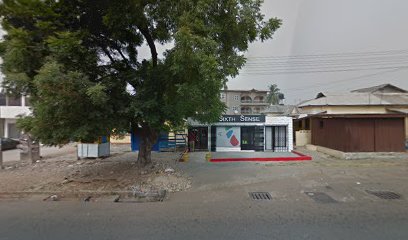
Level Bar & Lounge
1.3 km
Discover the lively ambiance of Level Bar & Lounge in Accra, where refreshing drinks, delicious food, and great music create an unforgettable nightlife experience.

KRUNA The Club
1.6 km
Dive into Accra's nightlife at KRUNA The Club, where music, dance, and vibrant energy create unforgettable nights.
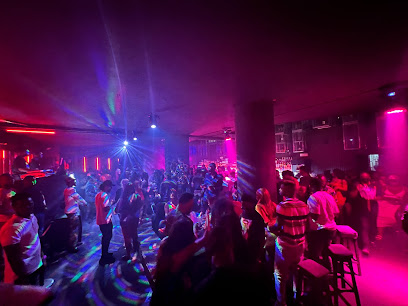
Cedi Lounge & Night Club
1.6 km
Discover Accra's nightlife at Cedi Lounge & Night Club, where pulsating music and vibrant energy create unforgettable nights.
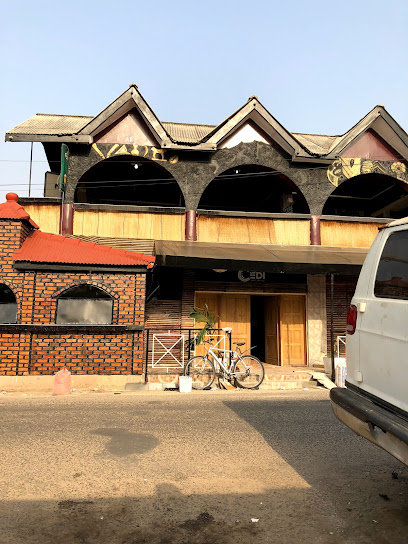
O2 Night Club
1.7 km
Discover Accra's vibrant nightlife at O2 Night Club, where unforgettable music and an electric atmosphere await you.

Kavalli @ Night
1.8 km
Experience the vibrant nightlife of Accra at Kavalli @ Night, where great music and an electric atmosphere come together for an unforgettable evening.
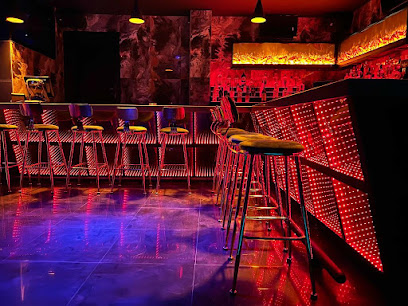
Hotgossip Night Club
1.8 km
Dive into Accra's nightlife at Hotgossip Night Club, where great music and vibrant energy create unforgettable experiences.
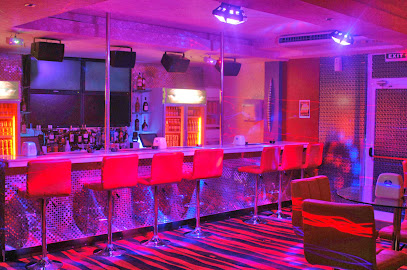
OX ULTRA LOUNGE
1.8 km
Experience Accra's vibrant nightlife at OX Ultra Lounge, where music, dance, and culture merge in an unforgettable atmosphere.
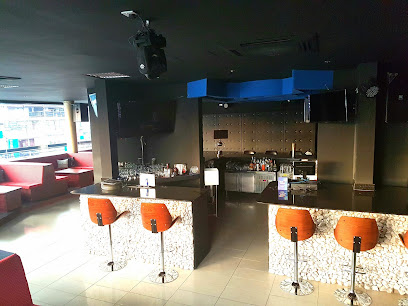
Citizen Kofi
1.9 km
Discover the electrifying nightlife of Accra at Citizen Kofi, where music, dance, and vibrant atmosphere collide for an unforgettable experience.
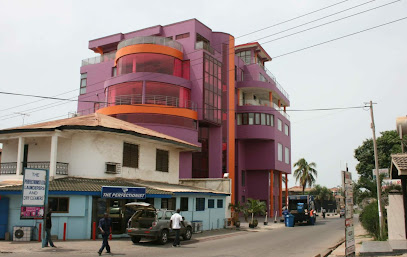
CLUB 69
2.0 km
Discover the pulse of Accra's nightlife at CLUB 69, where vibrant music and a lively atmosphere create unforgettable nights.
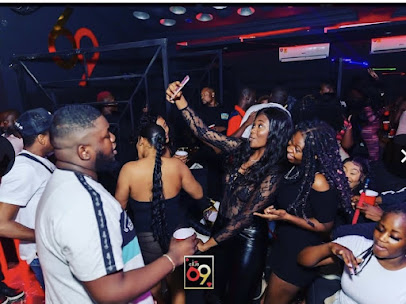
Plot 7
2.4 km
Discover Accra's nightlife at Plot 7, a premier disco club featuring electrifying music and a lively atmosphere that captivates both locals and tourists.