

Cape Coast Castle, Akyem Travel Guide
Explore Cape Coast Castle, a UNESCO World Heritage Site, and confront the poignant history of the transatlantic slave trade through immersive tours and historical exhibits.
Cape Coast Castle, a UNESCO World Heritage Site, stands as a poignant reminder of the transatlantic slave trade. Originally built by the Swedish in 1653, it evolved through various European powers, ultimately becoming a major British stronghold. The castle's imposing structure overlooks the Atlantic, a silent witness to centuries of human suffering. Today, it serves as a museum, offering guided tours through its dungeons and exhibits, providing a powerful and educational experience. Visitors can explore the stark contrast between the opulent living quarters of the colonizers and the horrific conditions endured by enslaved Africans, fostering a deeper understanding of this dark chapter in history. The castle also houses a museum showcasing Ghanaian history, culture, and artifacts related to the slave trade, making it a crucial site for reflection and remembrance. A visit to Cape Coast Castle is a deeply moving experience, essential for anyone seeking to understand the complexities of the past and its lasting impact.
A brief summary to Cape Coast Castle
- Victoria Rd, Cape Coast, GH
- Click to display
- Monday 9 am-5 pm
- Tuesday 9 am-5 pm
- Wednesday 9 am-5 pm
- Thursday 9 am-5 pm
- Friday 9 am-5 pm
- Saturday 9 am-5 pm
- Sunday 9 am-5 pm

Know before you go
Hi, I'm Eve. Here are a few practical things to know before exploring Cape Coast Castle.
- Hire a local guide for a more personalized and insightful tour of the castle.
- Dress respectfully and be mindful of the solemn nature of the site.
- Combine your visit with a trip to Elmina Castle for a more comprehensive understanding of the slave trade.
- Visit during the week to avoid larger crowds, especially on weekends and holidays.
- Take time to reflect on the experience and consider the lasting impact of slavery.
Do you manage this location?
Take control to get all the benefits, like improved information, better appearance, and stronger visibility across AI-powered discovery. Learn more about listing your business on Evendo
Activate your presenceOther nearby places you may find interesting
The closest places of the same kind, if this one is not quite what you had in mind.
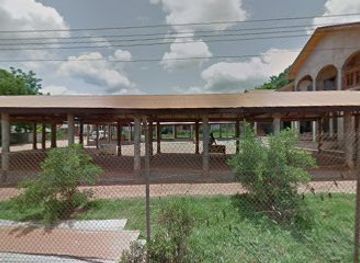
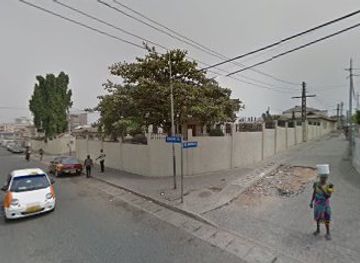
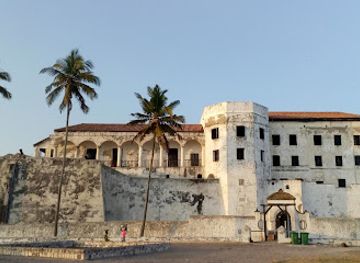

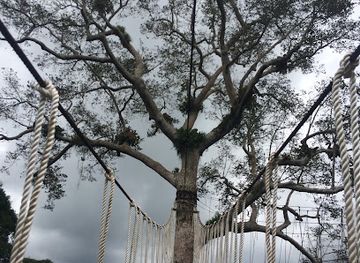
Explore Cape Coast Castle on the Map
A handpicked selection of must-see spots near Cape Coast Castle, mapped for you.
Unlock the Best of Cape Coast Castle
Buy tickets
-
No tickets available
Book tours with entry


Getting There
-
Walking
Cape Coast Castle is centrally located in Cape Coast, making it easily accessible on foot from most parts of the city center. If you are near the Kotokuraba Market or the Cape Coast Metro Mass Transit station, head west along the main road (Victoria Road). The castle is a prominent landmark and is easily visible from a distance. Follow the road along the coast, and you'll arrive at the entrance. The walk from the market area is approximately 10-15 minutes.
-
Public Transport
If arriving by public transport (Tro Tro or bus) from outside Cape Coast, disembark at the Cape Coast Metro Mass Transit station or near the Kotokuraba Market. From either of these points, you can easily find a local taxi (or shared 'Pragya' tricycle) to take you directly to the castle entrance. A short taxi ride from the station or market area should cost approximately GH¢5-GH¢10. Be sure to negotiate the fare before starting your journey.
-
Taxi/Ride-Share
Taxis are readily available throughout Cape Coast. Simply tell the driver you want to go to 'Cape Coast Castle' (pronounced 'Cape Coast Castle'). The ride from most locations within the city should be relatively short and inexpensive, typically costing between GH¢10 and GH¢20, depending on the distance and traffic. Ride-sharing services like Uber are not widely available in Cape Coast, so taxis are the most convenient option. Confirm the price before you start the ride.
Discover more about Cape Coast Castle













Your all‑in‑one travel companion app
Explore expert travel guides, compare and book tours, experiences, hotels, and more—all from the palm of your hand. Download now for seamless trip planning wherever your wanderlust takes you.


Explore More of Akyem
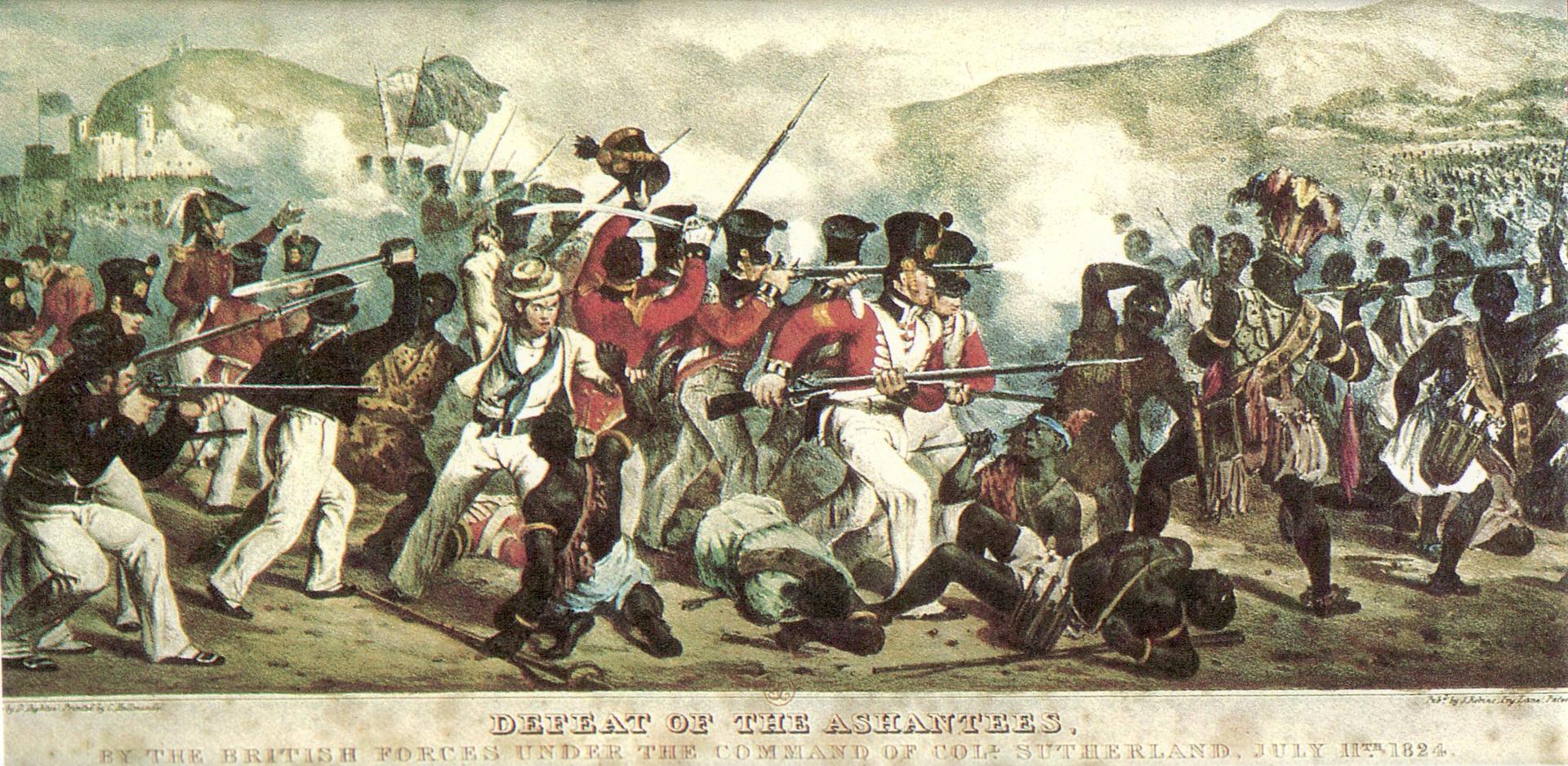
Looking beyond Cape Coast Castle? Discover Akyem for broader travel guides, local hot-spots, and regional highlights.
Explore Akyem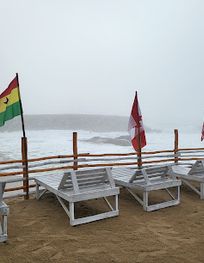
Discover the charm of Orange Beach Resort in Cape Coast, where comfort meets adventure in a stunning coastal setting.
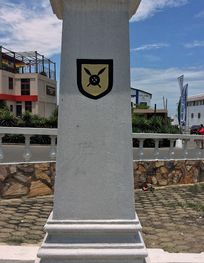
Discover the enduring legacy of sacrifice and bravery at the World Wars Memorial Monument in Cape Coast, a poignant historical landmark steeped in significance.
