

Free Akyem Travel Guide & Mobile App
Explore Akyem with free travel guides. Discover regional history, expert tips, proposed trips, and audio guides on web or mobile app.


Explore Akyem in Ghana’s Eastern Region for Akan history, forest landscapes, cocoa country, markets and the cultural centres of Kyebi and Akyem Oda.
Read more about Akyem
When is the best time to visit Akyem?
Best: December–February · 31–32°C| Month | High (°C) | Rainfall (mm) |
|---|---|---|
| January (best) | 31 | 15 |
| February (best) | 32 | 25 |
| March | 32 | 46 |
| April | 33 | 76 |
| May | 32 | 115 |
| June | 32 | 146 |
| July | 31 | 126 |
| August | 31 | 126 |
| September | 31 | 115 |
| October | 32 | 95 |
| November | 32 | 56 |
| December (best) | 31 | 25 |
Getting to and around Akyem
How to get there
Transportation
Top city travel guides in Akyem
The cities of Akyem, and the easiest places to base yourself.
-

-


Swipe for more cities
Destinations in Akyem
Resorts, valleys and scenic spots worth a trip of their own.
-

-

-


Swipe for more destinations
Best attractions in Akyem
Akyem’s attractions are primarily cultural, ecological and landscape-based rather than concentrated in a single visitor complex. Kyebi offers an introduction to Akyem Abuakwa’s history and customary institutions, while Akyem Oda provides a lively view of regional commerce and everyday trading life. Around Bunso, arboretum landscapes and forest vegetation offer a more accessible encounter with the ecology of the Eastern Region. The wider Atiwa uplands are important for biodiversity and water catchments, but visitors should arrange access carefully and recognise that much of the forest is managed conservation land rather than an open recreational park. Rural drives reveal cocoa farms, food-crop cultivation, small settlements and Birim Valley scenery. Markets, churches, local festivals and community events can be culturally significant, although dates and access vary. Gold-mining landscapes are part of Akyem’s contemporary economy, not tourist attractions, and should only be observed from safe, authorised locations. The region suits visitors who value interpretation, local guiding and gradual exploration over a checklist of major monuments.
-
Tourist attraction
Bunso Eco Park (Bunso Arboretum)
Experience the beauty of nature at Bunso Eco Park, a serene retreat filled with adventure, wildlife, and breathtaking landscapes in Ghana.
-
Tourist attraction
Bunso Arboretum
Discover the natural beauty of Ghana at Bunso Arboretum, a tranquil haven for nature enthusiasts and tourists.
-
Tourist attraction
Obuo Tabiri Mountain Peaks
Experience the breathtaking beauty and rich biodiversity of Obuo Tabiri Mountain Peaks, a stunning tourist attraction in Koforidua, Ghana.
-
Museum
AKYEM ABUAKWA STATE PALACE
Explore the Akyem Abuakwa State Palace, a historical museum in Accra showcasing the rich culture and heritage of the Akyem people.


Best landmarks in Akyem
The most important landmarks of Akyem are tied to history, customary authority and the natural structure of the land. Kyebi is the recognised traditional centre of Akyem Abuakwa, and its palace institution is a significant symbol of the state’s political and cultural continuity; palace access and photography require local permission. The Birim River and its valley provide the geographical framework for many Akyem settlements, farms and historic routes, even though the river is not presented as a single formal monument. The forested Atiwa Range is the region’s principal natural landmark, rising above the surrounding agricultural landscape and functioning as an important watershed and habitat. Bunso’s arboretum landscape gives visitors a more managed setting in which to appreciate local and introduced tree species. In Akyem Oda, the busy market environment is a landmark of a different kind, reflecting the town’s role as a commercial centre. Gold-bearing ground and mining areas also mark the region’s economic history, but active workings should never be entered or approached without authorisation.
-
 Historical landmark
Cape Coast Castle
Explore Cape Coast Castle, a UNESCO World Heritage Site, and confront the poignant history of the transatlantic slave trade through immersive tours and historical exhibits.
-
Museum
Kwame Nkrumah Memorial Park & Mausoleum
Explore the Kwame Nkrumah Memorial Park & Mausoleum, a serene tribute to Ghana's history and its first president, nestled in the heart of Accra.
-
Castle
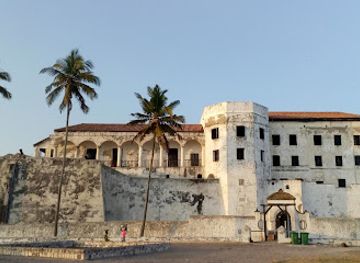
Elmina Castle
Explore Elmina Castle, a UNESCO World Heritage site in Ghana, and delve into the poignant history of the transatlantic slave trade at this significant landmark on the Gold Coast.
-
National park
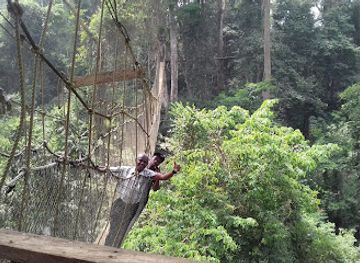
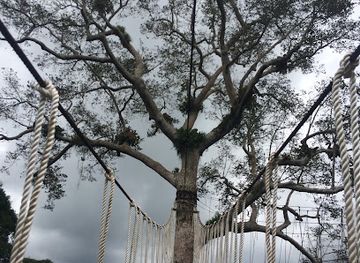
Kakum National Park
Discover the breathtaking beauty of Kakum National Park in Ghana, where adventure meets natural wonder in a lush rainforest setting.
Explore Akyem on the map
Plan your trip on one map. See where the top cities, national parks and sights are, and book hotels and experiences in a few clicks.
Best hotels in Akyem
Best restaurants in Akyem
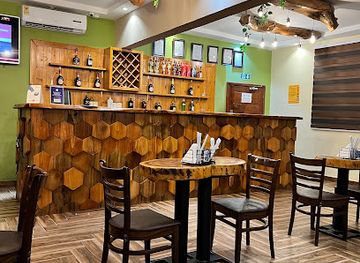
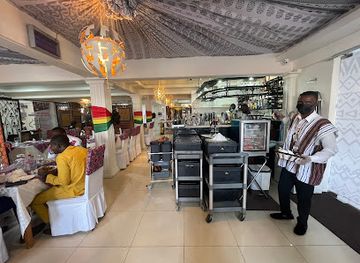
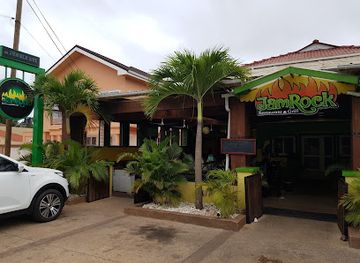
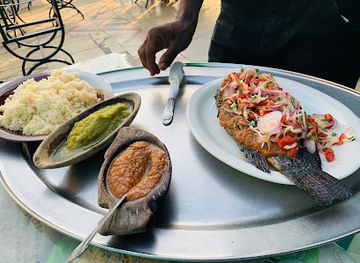
Dining in Akyem is centred on Ghanaian home-style cooking, chop bars, market stalls, cafés and restaurants in the larger towns. Common meals include fufu with soup, banku with pepper and fish, waakye, rice dishes, fried plantain, yam, beans and stews prepared with local greens or groundnuts. Plantain, cassava, cocoyam and cocoa-growing agriculture shape the region’s food environment, though dishes are part of wider southern Ghanaian cuisine rather than exclusively Akyem inventions. In Kyebi and Akyem Oda, visitors can find more choice and should ask locally for busy, well-regarded places; in villages, food is often simpler and availability follows the rhythm of the day. Fresh fruit, roasted plantain and snacks are common at roadside stops. Bottled or treated water is the sensible choice for visitors, and food from busy stalls with a high turnover is generally preferable to dishes that have been standing for long periods.
-
Restaurant
Oliver Twist Shack
Experience delicious cuisine and vibrant nightlife at Oliver Twist Shack in Accra - where local flavors meet international flair.
-
Restaurant
Azmera Restaurant
Discover authentic West African flavors at Azmera Restaurant in Accra – where every dish tells a story.
-
Restaurant
Jamrock Restaurant & Grill
Discover authentic Jamaican cuisine in Accra at Jamrock Restaurant & Grill - where flavor meets culture.
-
African
Chez Clarisse Mama Africa
Experience authentic West African cuisine at Chez Clarisse Mama Africa in Accra - where every dish tells a story.
Best bars in Akyem
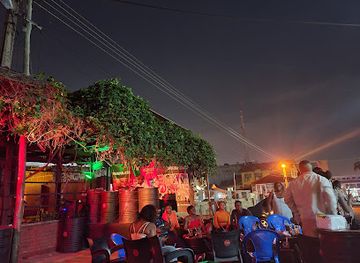
Akyem’s evening life is modest and town-based. In Kyebi and Akyem Oda, drinking spots, informal bars, restaurants and chop bars provide places to meet after work, while churches and community organisations may host social or musical events. Pubs and bars typically serve Ghanaian beers, soft drinks and locally familiar spirits, but the atmosphere is more conversational than club-oriented. Outside the main towns, evenings are quiet and nightlife usually centres on family gatherings, local eateries, radio, football and occasional live music rather than regular late-night venues. Visitors should ask accommodation staff about current options because businesses and opening patterns change. Keep transport arrangements in mind before going out, as taxis may be less available in rural areas after dark and walking along unlit roads is inadvisable.
-
Grill
The Republic Bar & Grill
Experience the lively atmosphere and culinary delights at The Republic Bar & Grill in the heart of Accra, Ghana's vibrant capital.
-
Bar
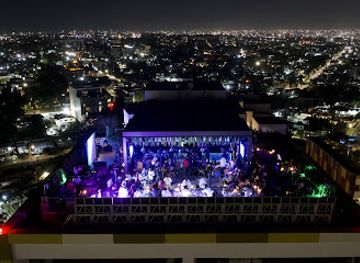
Sky Bar 25 Restaurant and Bar
Experience luxury dining and breathtaking views at Sky Bar 25 in Accra, featuring exquisite cuisine and vibrant nightlife.
-
Bar
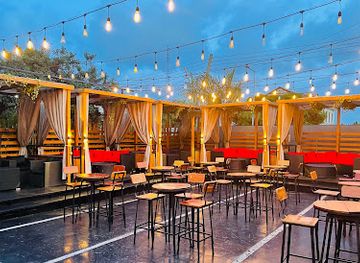
Bloom Bar
Experience the vibrant nightlife of Accra at Bloom Bar, a cultural hub with delicious drinks and lively entertainment.
-
Grill
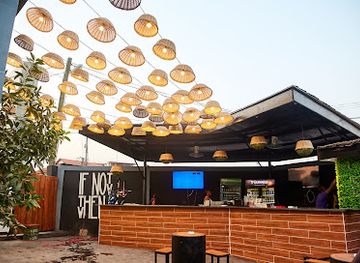
Kona
Discover Kona in Osu, Accra - a vibrant grill and lounge offering delicious local dishes and a lively atmosphere perfect for socializing.
Best nightclubs in Akyem
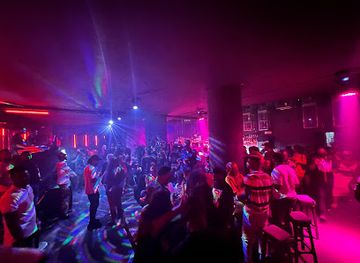
Akyem’s evening life is modest and town-based. In Kyebi and Akyem Oda, drinking spots, informal bars, restaurants and chop bars provide places to meet after work, while churches and community organisations may host social or musical events. Pubs and bars typically serve Ghanaian beers, soft drinks and locally familiar spirits, but the atmosphere is more conversational than club-oriented. Outside the main towns, evenings are quiet and nightlife usually centres on family gatherings, local eateries, radio, football and occasional live music rather than regular late-night venues. Visitors should ask accommodation staff about current options because businesses and opening patterns change. Keep transport arrangements in mind before going out, as taxis may be less available in rural areas after dark and walking along unlit roads is inadvisable.
-
Night club
Twist Night Club
Experience the vibrant nightlife of Accra at Twist Night Club, where music, dance, and friendly vibes come together.
-
Disco club
Octapuz lounge and night club
Discover the heartbeat of Accra's nightlife at Octapuz Lounge and Night Club, where music, dance, and vibrant energy come together.
-
Night club
Kavalli @ Night
Experience the electrifying nightlife at Kavalli @ Night, Accra's premier nightclub, where music, drinks, and dance unite for an unforgettable evening.
-
Night club
KRUNA The Club
KRUNA The Club is Accra's ultimate nightlife destination, offering electrifying music, a vibrant crowd, and unforgettable experiences.

Best shops in Akyem
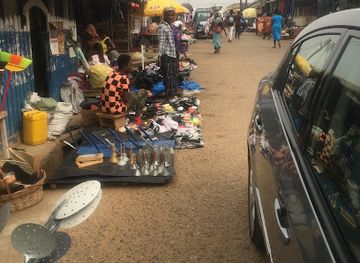
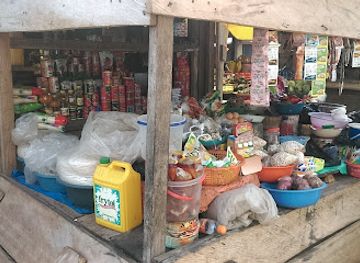
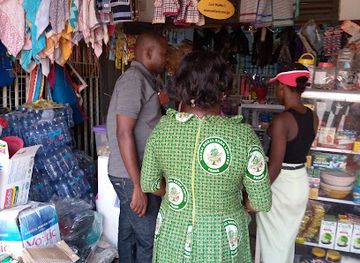
Shopping in Akyem is practical, local and closely tied to market-town life. Kyebi and Akyem Oda have the widest selection of provisions, clothing, household goods, mobile-phone services and everyday Ghanaian products, while smaller settlements depend on periodic markets and roadside traders. Visitors can look for cocoa and other farm produce, plantain, cassava, fruit, spices and packaged Ghanaian foods, although quality and availability vary by season. Markets are also useful places to observe regional commerce, but ask before photographing traders and negotiate courteously where bargaining is customary. Craft and souvenir shopping is less developed than in Ghana’s major tourist centres, so locally made items may be found through community contacts rather than dedicated retail districts. Bring reusable bags where possible, check packaged goods carefully and carry cash in modest denominations. For distinctive gifts, Ghanaian textiles, beads, baskets and locally produced food items are more dependable choices than unverified claims of specialised Akyem handicrafts.
-
Market
New Tafo Market
Discover the heart of New Tafo Akyem at the bustling New Tafo Market, where local culture and commerce come alive.
-
Market
Kwabeng Market Centre
Discover the vibrant local culture and fresh produce at Kwabeng Market Centre in Akyem Kwabeng, a must-visit for every traveler.
-
Store
Maame Police Store
Experience the vibrant culture and local craftsmanship at Maame Police Store in Atebubu, a unique shopping destination for tourists.
-
Clothing store
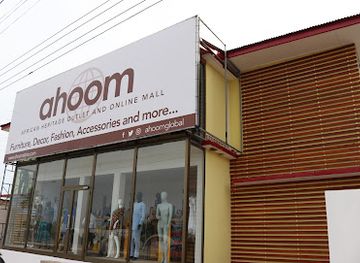
AHOOM-African Heritage Outlet & Online Mall
Discover authentic African fashion at AHOOM - a vibrant heritage outlet and online mall in Accra, celebrating culture through clothing.
Get your free copy of our complete guide to Akyem, delivered straight to you.
Everything on this page, from attractions and restaurants to essentials and local phrases, in one PDF you can read offline, print or share.
Already have an account? Sign in
Your Akyem guide is ready.
We'll send it to · Not you? Sign out

Getting your guide ready…
We are putting together a fresh copy of the Akyem guide. This can take up to a minute.
This can take a few moments. If your browser asks, choose Allow so the download can start. You'll find the guide in your Downloads folder.
Nothing happened? Download it again
Sorry, the guide is taking longer than usual. Please try again in a minute, or get it by email instead.
Akyem essentials
Currency and Payment
Safety
Emergency Situations
Do's and Don'ts
Local Tips
From Eve
Local phrases worth knowing
You don't need to get them perfect. A few words go a long way, and locals appreciate the effort.
Basics
| English | Local | Say it |
|---|---|---|
| Hello | Akwabaa | [ah-kwa-ba] |
| Goodbye | Nante yie | [nan-teh yee-eh] |
| Yes | Aane | [ah-neh] |
| No | Daabi | [dah-bee] |
| Please/You're welcome | Me pa wo kyɛw | [meh pah wo chay] |
| Thank you | Medase | [meh-dah-seh] |
| Excuse me/Sorry | Kafra | [kah-frah] |
| How are you? | Ɛte sɛn? | [eh-teh sen] |
| Fine. And you? | Me ho yɛ, na wo nso ɛ? | [meh ho yeh, nah wo nso eh] |
| Do you speak English? | Woka Borɔfo? | [woh-kah bo-roh-foh] |
| I don't understand | Mente ase | [men-teh ah-seh] |
Eating & Drinking
| English | Local | Say it |
|---|---|---|
| I'd like to see the menu, please | Mepɛ sɛ mehu menu no, me pa wo kyɛw | [meh-peh seh meh-hoo meh-noo noh, meh pah wo chay] |
| I don't eat meat | Mente nkurow | [men-teh nkoo-roh] |
| Cheers! | Nkyia! | [nkyah] |
| I would like to pay, please | Mepɛ sɛ meyɛ sika no, me pa wo kyɛw | [meh-peh seh meh-yeh see-kah noh, meh pah wo chay] |
Emergencies
| English | Local | Say it |
|---|---|---|
| Help! | Boa me! | [bo-ah meh] |
| Go away! | Kɔ n'ankasa! | [koh n'an-kah-sah] |
| Call the Police! | Frɛ ɔmanpanyin! | [freh oh-mahn-pah-nyin] |
| Call a doctor! | Frɛ dɔkita! | [freh doh-kee-tah] |
| I'm lost | Mahu m'ani | [mah-hoo mah-nee] |
| I'm ill | Mede me ho yare | [meh-deh meh ho yah-reh] |
Shopping
| English | Local | Say it |
|---|---|---|
| I'd like to buy... | Mepɛ sɛ mɛtɔ... | [meh-peh seh meh-toh] |
| I'm just looking | Merehwɛ nko ara | [meh-reh-hweh nko ah-rah] |
| How much is it? | Ɛyɛ sika bɛn? | [eh-yeh see-kah ben] |
| That's too expensive | Ɛyɛ sika kɛse | [eh-yeh see-kah keh-seh] |
| Can you lower the price? | Wobɛtɔ sika no ase? | [wo-beh-toh see-kah noh ah-seh] |
Time & Numbers
| English | Local | Say it |
|---|---|---|
| What time is it? | Dɛn na ɛyɛ? | [den nah eh-yeh] |
| It's one o'clock | Ɛyɛ dɔnhwere baako | [eh-yeh don-hweh-reh bah-koh] |
| Half past (10) | Dɔnhwere dɔtɔ mmerɛ (10) | [don-hweh-reh dot-oh mm-eh-reh] |
| Morning | Anɔpa | [ah-noh-pah] |
| Afternoon | Awia | [ah-wee-ah] |
| Evening | Anadwo | [ah-nah-dwoh] |
| Yesterday | Ɔkyena | [oh-chen-ah] |
| Today | Ɛnnɛ | [eh-neh] |
| Tomorrow | Ɛda a ɛbɛba | [eh-dah ah eh-beh-bah] |
| 1 | Baako | [bah-koh] |
| 2 | Mmienu | [mmee-eh-noo] |
| 3 | Mmienu | [mmee-eh-noo] |
| 4 | Nan | [nahn] |
| 5 | Num | [noom] |
| 6 | Nsia | [nsee-ah] |
| 7 | Nkyɛ | [ncheh] |
| 8 | Nkyɛm | [nchehm] |
| 9 | Nkyɛn | [ncheh] |
| 10 | Du | [doo] |
Transport & Directions
| English | Local | Say it |
|---|---|---|
| Where's a/the...? | He na...? | [heh nah] |
| What's the address? | Dɛn na ɔdan no yɛ? | [den nah oh-dahn noh yeh] |
| Can you show me (on the map)? | Wobɛda me ho adi (wɔ mpɔtam no)? | [wo-beh-dah meh ho ah-dee (woh mpoh-tahm noh)] |
| When's the next (bus)? | Bɛn na ɛbɛba (bɔs no)? | [ben nah eh-beh-bah (baws noh)] |
| A ticket (to ....) | Kɔtɔ (kɔ ...) | [koh-tah (koh ...)] |
History of Akyem
Akan Settlement and the Birim Valley
Akyem developed within the forest belt of southern Ghana, where Akan-speaking communities established farming settlements and political networks along the Birim River and its tributaries. The fertile environment supported plantain, yam, cassava and later cocoa, while the region’s gold-bearing geology attracted settlement and exchange. Akyem states were not a single kingdom but a group of related political formations, including Akyem Abuakwa, Akyem Kotoku and Akyem Bosome. Their histories were shaped by alliances, migration and competition for land, trade routes and authority.
The Rise of Akyem States
During the seventeenth and eighteenth centuries, Akyem political institutions became more firmly organised under chiefs and royal families. Akyem Abuakwa emerged as the principal state in the north-eastern part of the wider Akyem area, while Akyem Kotoku developed to the south-west. Authority was expressed through courts, stools, family histories and customary laws. The surviving chieftaincy institutions remain important cultural reference points, although modern local government, Christianity, Islam, education and national law now operate alongside customary authority.
Conflict with Asante in the Eighteenth and Nineteenth Centuries
Akyem’s position between the forest interior and the coastal trading world brought it into repeated conflict with powerful neighbours, particularly Asante. Political struggles over trade, territory and influence affected Akyem communities and led to periods of migration and alliance-building. Akyem resistance to Asante expansion became an important part of the historical memory of Akyem Abuakwa and related states. The conflicts should be understood within the broader history of changing Akan power structures rather than as isolated episodes involving a single town.
Gold, Trade and Early European Contact
Gold was extracted and traded in the wider Akyem area long before the colonial period, forming part of regional commerce and political power. The Birim basin and surrounding forest zone were linked to routes leading towards the coast, where European trading forts and coastal markets connected West African producers with overseas commerce. Gold, kola, agricultural goods and enslaved people moved through wider regional networks, while European influence gradually expanded from the coast. The legacy of gold remains visible in modern mining, though contemporary operations have also raised concerns about land, forests and water.
Colonial Rule and the Akyem Abuakwa State
British colonial rule incorporated Akyem territories into the Gold Coast while retaining selected customary institutions as part of indirect administration. Kyebi remained the political centre of Akyem Abuakwa, and the authority of the Okyenhene, the paramount chief of Akyem Abuakwa, continued within a changing legal and administrative framework. Colonial roads, schools, courts and commercial agriculture altered patterns of settlement and work. At the same time, local royal and family institutions preserved historical traditions that remain central to Akyem identity.
Cocoa, Timber and Post-Independence Change
During the twentieth century, cocoa farming became a major influence on the economies and landscapes of Akyem, alongside food crops, timber and gold. Ghana’s independence in 1957 brought national political institutions and expanded education, transport and public administration, while towns such as Kyebi and Akyem Oda grew as service and trading centres. In recent decades, forest protection, land management, mining, farming and employment have created difficult debates across the region. Akyem today combines longstanding customary identities with the pressures and opportunities of a modern Ghanaian economy.
Akyem in Photos
Browse through our photo collection highlighting the charm and character of the destination.
Neighbouring regions of Akyem
The closest regions to Akyem, if you have time for more than one.
-

-

-

-

-


Swipe for more regions
Explore more

Explore more of Ghana
Discover Ghana: A vibrant blend of rich history, stunning landscapes, and warm hospitality in the heart of West Africa.
Explore Ghana