

Mt. Gemi Travel Guide
Free Guide: Hike to the summit of Mt. Gemi in Amedzofe for breathtaking views, historical insights, and a connection with Ghana's natural beauty and cultural heritage in the Volta Region.


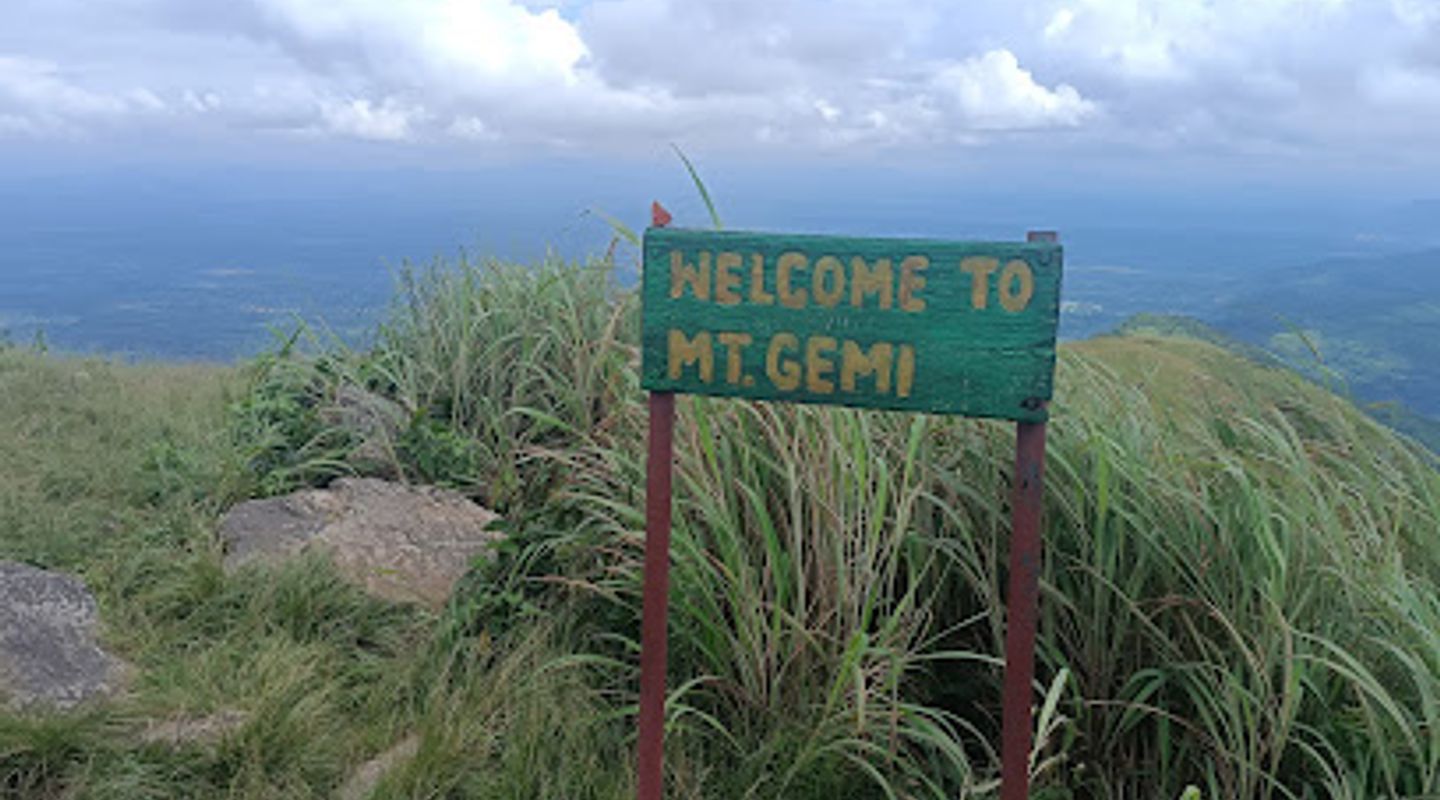
A brief summary of Mt. Gemi
Hike to the summit of Mt. Gemi in Amedzofe for breathtaking views, historical insights, and a connection with Ghana's natural beauty and cultural heritage in the Volta Region.
Ascend Mt. Gemi in Amedzofe for panoramic vistas of Ghana's Volta Region and a glimpse into the area's rich history. A relatively easy hike leads to a summit adorned with a stone cross erected by German missionaries, offering stunning views and a sense of tranquility. The mountain's significance extends beyond its natural beauty, intertwined with the heritage of the Ewe people and the legacy of early Christian evangelism. Whether you're seeking outdoor adventure or cultural immersion, Mt. Gemi provides a rewarding experience, connecting you with both the landscape and the stories of this unique corner of Ghana. Amedzofe itself, the highest habitable settlement in Ghana, offers a cool climate and welcoming atmosphere, making it an ideal base for exploring the region's attractions.
Opening hours
- Every dayOpen 24 hours
Opening hours as listed on the venue’s Google Business Profile. Hours can change for services and special events, so check with the venue before you go.
- Address
- VC4M+MCG, Amedzofe
Getting there
Walking
Taxi/Ride-Share
Discover more about Mt. Gemi
Overview
Mt. Gemi, rising majestically above the town of Amedzofe in Ghana's Volta Region, offers visitors a unique blend of natural beauty, historical significance, and cultural immersion. Standing at approximately 611 meters (2,005 feet) above sea level, this prominent peak provides breathtaking panoramic views of the surrounding landscape, encompassing lush valleys, rolling hills, and, on clear days, even a glimpse of Lake Volta shimmering in the distance. The ascent to the summit is a rewarding experience in itself, with trails winding through verdant forests teeming with diverse flora and fauna. While the hike is moderately challenging, it's generally considered accessible to most fitness levels, making it a popular destination for both seasoned hikers and casual nature enthusiasts. The trails offer varying inclines, ensuring that individuals of all fitness levels can find a suitable path to enjoy the experience. At the summit, hikers are greeted by a striking stone cross, a landmark erected by German missionaries in the early 20th century. This cross serves as a testament to the region's history of Christian evangelism and provides a poignant reminder of the cultural exchange that has shaped the area. The cross was erected in 1939 by German missionaries to commemorate 50 years of Christian evangelism in the area. The mountain's original and traditional name is Mount Gayito, which means “God of Defense” in the local tongue. The name Mt. Gemi, was named after the German Evangelical Missions Institute, which was abbreviated as GEMI. Mt. Gemi's significance extends beyond its religious symbolism. The mountain holds a special place in the hearts of the local Ewe people, who historically used it as a strategic vantage point for defense. Amedzofe, the highest habitable settlement in Ghana, served as a natural stronghold, offering protection against attacks from rival groups. The mountain was believed to be a god who would defend them. This rich history is interwoven with the area's cultural heritage, making Mt. Gemi a fascinating destination for those interested in learning about Ghana's past. Beyond the historical and cultural aspects, Mt. Gemi also boasts remarkable ecological significance. The mountain's slopes are covered in tropical forest vegetation, providing a habitat for a variety of plant and animal species. Birdwatchers will be delighted by the opportunity to spot colorful and rare birds, while nature lovers can appreciate the diverse array of trees, shrubs, and herbs that thrive in this environment. The mountain contributes to the local climate regulation, providing a cooler environment compared to the surrounding lowlands. The mountain and its forested area play a role in water catchment, feeding local streams and rivers that are vital for the communities below. Visiting Mt. Gemi offers a chance to connect with the local community and experience the warmth and hospitality of the Ewe people. Amedzofe is known for its friendly atmosphere, and visitors are encouraged to interact with locals, learn about their traditions, and sample authentic Ghanaian cuisine. The town offers a visitor center with helpful information and local guides who can enhance your experience with their knowledge and insights. To fully appreciate the beauty and significance of Mt. Gemi, consider exploring some of the other attractions in the surrounding area. The nearby Amedzofe Waterfall provides a refreshing respite after a hike, while the Amedzofe Canopy Walkway offers a thrilling perspective on the region's lush forests. The Ote Waterfalls is another nearby attraction. The Tafi Atome Monkey Sanctuary provides an opportunity to encounter playful Mona monkeys in their natural habitat. Whether you're seeking adventure, cultural immersion, or simply a peaceful escape into nature, Mt. Gemi offers an unforgettable experience. The combination of stunning views, historical significance, and ecological diversity makes it a truly special destination in Ghana's Volta Region. As you stand at the summit, gazing out over the breathtaking landscape, you'll gain a deeper appreciation for the beauty and richness of this unique corner of the world. However, despite attracting over 25,000 tourists in the last year, there is a lack of facilities to encourage overnight stays, which limits local economic benefits. There is a need for the promotion of local artifacts, creation of rest facilities, and stronger support for local investors to ensure tourists can spend and support the community. The deteriorating Vane-Amedzofe road, which is narrow and full of potholes, deterring visitors, needs to be fixed. Each Easter, residents and tourists climb to the peak to offer prayers as part of their seasonal celebrations. The Amedzofe Canopy Walkway, which required descending 295 steps, is also a nearby attraction. Local tour guides showcase their apple farm, which adds to the charm of Amedzofe's landscape. The Amedzofe Training School was built in 1880 by German missionaries.
Evendo Review Centre
 Google
Guest reviews
Explore Mt. Gemi on the map
A handpicked selection of must-see spots near Mt. Gemi, mapped for you.
Get your free copy of our complete guide to Mt. Gemi, delivered straight to you.
Everything on this page, from opening hours and how to get there to Eve’s tips and the best time to go, in one PDF you can read offline, print or share.
Already have an account? Sign in
Your Mt. Gemi guide is ready.
We'll send it to · Not you? Sign out

Getting your guide ready…
We are putting together a fresh copy of the Mt. Gemi guide. This can take up to a minute.
This can take a few moments. If your browser asks, choose Allow so the download can start. You'll find the guide in your Downloads folder.
Nothing happened? Download it again
Sorry, the guide is taking longer than usual. Please try again in a minute, or get it by email instead.
Unlock the best of Mt. Gemi
Skip-the-line tickets, guided tours with entry, and walking tours of the area, booked in a few clicks.
 Tour with entry
Mt. Gemi and Ote Waterfalls Experience
from $266.00 Tour with entry
Full-Day Volta Experience ( Mount Gemi and Monkey Sanctuary) Private Tour
from $304.95 Tour with entry
2 Day Volta Experience Tour
from $475.00 Tour with entry
Private 3-Day Authentic Eco-Cultural Tour of Volta Region, Ghana
from $617.50
Other nearby places you may find interesting
The closest places of the same kind, if this one is not quite what you had in mind.
-
-
-
-
-


Swipe for more places
More to explore near Mt. Gemi

 Best experiences near Mt. Gemi
 Best hotels near Mt. Gemi
 Best landmarks near Mt. Gemi
 Best attractions near Mt. Gemi
 Best shops near Mt. Gemi
 Best restaurants near Mt. Gemi
 Best bars near Mt. Gemi
Do you manage this location?
Take control to get all the benefits, like improved information, better appearance, and stronger visibility across AI-powered discovery.
Explore more

Explore more of Amedzofe
Discover Amedzofe, Ghana’s serene mountain village with stunning views, easy hikes, refreshing waterfalls, and rich Ewe culture in the heart of the Volta Region.
Explore Amedzofe
Explore more of Ghana
Discover Ghana: A vibrant blend of rich history, stunning landscapes, and warm hospitality in the heart of West Africa.
Explore Ghana
