
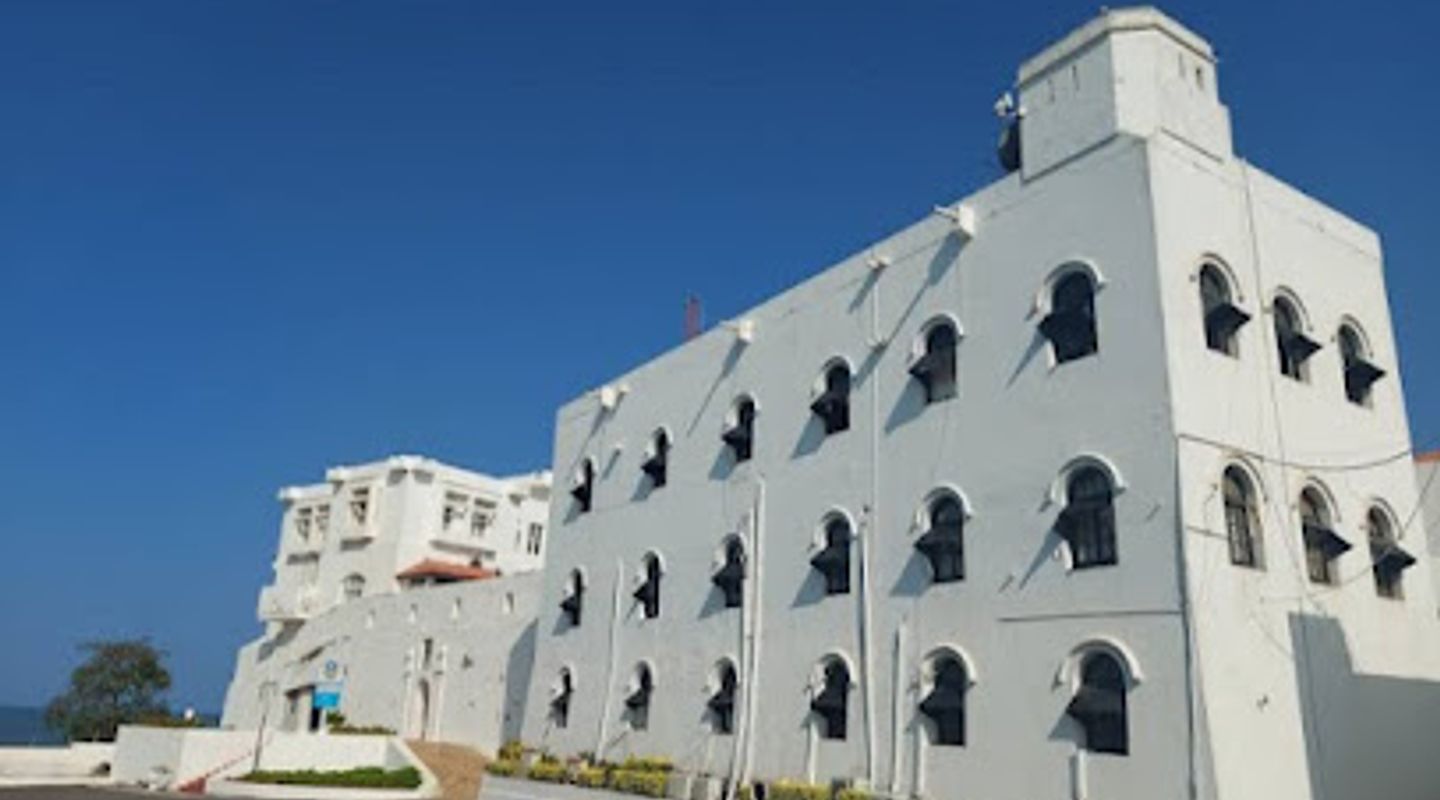
Osu Castle, Aowin Travel Guide
Explore Ghana's captivating history at Osu Castle in Accra, a UNESCO World Heritage site that unveils stories of colonial ambition, the slave trade, and the nation's journey to independence.
Osu Castle, also known as Fort Christiansborg, stands as a powerful monument to Ghana's complex and layered past. Perched on the coast of Osu, Accra, this 17th-century castle has served as a Danish trading post, a pivotal site in the transatlantic slave trade, and the seat of Ghanaian government. Its walls echo with tales of European colonial ambition, the resilience of the Akwamu people, and Ghana's eventual independence. Today, Osu Castle offers visitors a profound journey through history, showcasing artifacts and exhibits that narrate the nation's story. Exploring the castle provides a unique opportunity to reflect on the past and appreciate Ghana's vibrant culture and progress. The panoramic views of the Atlantic Ocean add another layer of contemplation, reminding visitors of the countless souls who were forced to cross it. A visit to Osu Castle is an essential experience for anyone seeking to understand Ghana's historical narrative and its place in the world.
A brief summary to Osu Castle
- Accra, Osu Klottey, GH
- Click to display

Know before you go
Hi, I'm Eve. Here are a few practical things to know before exploring Osu Castle.
- Visit during the cooler morning hours to avoid the intense midday heat and make the most of your exploration.
- Engage a guided tour to gain deeper insights into the castle's intricate history and its role in shaping Ghana's identity.
- Remember to bring your camera to capture the stunning panoramic views of the Atlantic Ocean from the castle grounds.
- Explore the vibrant Osu neighborhood surrounding the castle for a taste of local markets and delicious Ghanaian street food.
Do you manage this location?
Take control to get all the benefits, like improved information, better appearance, and stronger visibility across AI-powered discovery. Learn more about listing your business on Evendo
Activate your presenceOther nearby places you may find interesting
The closest places of the same kind, if this one is not quite what you had in mind.

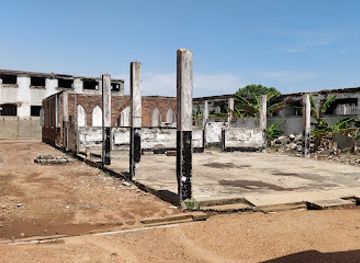
Explore Osu Castle on the Map
A handpicked selection of must-see spots near Osu Castle, mapped for you.
Unlock the Best of Osu Castle
Buy tickets
-
No tickets available
Book tours with entry


Getting There
-
Public Transport
From central Accra, the most convenient way to reach Osu Castle is by public transport. Look for a 'tro-tro' (minibus) heading towards Osu. These are readily available from major transport hubs like the Accra Rawlings Park or near the Ministries. Inform the driver you're going to Osu Castle. The tro-tro will likely drop you off near the Osu Oxford Street. From there, it's a 10-15 minute walk towards the coast. Look for the prominent landmark of the castle. Tro-tro fares for this short trip typically cost between GH₵2 to GH₵5.
-
Taxi/Ride-Share
Taxis and ride-sharing services (like Uber or Bolt) are readily available throughout Accra. Simply request a ride to Osu Castle. The journey from a central location in Accra (e.g., Kwame Nkrumah Circle) typically takes 15-25 minutes, depending on traffic. Expect to pay between GH₵20 to GH₵40 for the ride. Be sure to confirm the fare with the driver or check the app estimate before starting your journey.
-
Walking
If you are already in the Osu area, reaching the castle is easily done by foot. From the popular Oxford Street, head east towards the coast. You'll pass landmarks like the Republic Bank and the Koala Shopping Center. Continue straight, and you'll soon see the imposing structure of Osu Castle ahead. The walk from Oxford Street to the castle takes approximately 10-15 minutes. There are no costs associated with walking.
Discover more about Osu Castle













Your all‑in‑one travel companion app
Explore expert travel guides, compare and book tours, experiences, hotels, and more—all from the palm of your hand. Download now for seamless trip planning wherever your wanderlust takes you.


Explore More of Aowin
Looking beyond Osu Castle? Discover Aowin for broader travel guides, local hot-spots, and regional highlights.
Explore Aowin
Visit Accra's iconic Independence Arch, a powerful symbol of Ghana's freedom and a testament to the nation's journey to self-governance, located in the heart of Black Star Square.
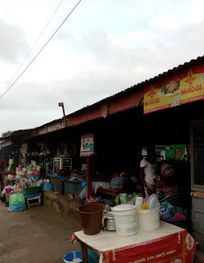
Experience Accra's vibrant nightlife and culinary scene at Osu Night Market, a bustling hub of Ghanaian street food, local crafts, and lively music in the heart of the city.
