

Free Aowin Travel Guide & Mobile App
Explore Aowin with free travel guides. Discover regional history, expert tips, proposed trips, and audio guides on web or mobile app.


Explore Aowin in western Ghana for rainforest, cocoa farms, Aowin heritage and the wildlife-rich forests of Bia National Park.
Read more about Aowin
When is the best time to visit Aowin?
Best: December–February · 29–30°C| Month | High (°C) | Rainfall (mm) |
|---|---|---|
| January (best) | 29 | 50 |
| February (best) | 30 | 60 |
| March | 31 | 70 |
| April | 30 | 150 |
| May | 30 | 200 |
| June | 29 | 250 |
| July | 28 | 300 |
| August | 28 | 320 |
| September | 28 | 250 |
| October | 29 | 200 |
| November | 29 | 100 |
| December (best) | 29 | 60 |
Getting to and around Aowin
How to get there
Transportation
Best attractions in Aowin
Aowin’s attractions are centred on forest, culture and rural landscapes rather than a dense collection of formal visitor facilities. Bia National Park is the region’s principal natural draw, offering the possibility of guided walks, birdwatching and an introduction to Upper Guinea Forest ecology, although wildlife encounters are unpredictable and access should be arranged in advance. Around Enchi and other settlements, visitors can learn about Aowin traditional authority, cocoa cultivation and the changing relationship between farms and protected forest through respectful local contacts. Road journeys reveal a landscape of tall secondary growth, cocoa farms, streams and small market communities. The region is also suitable for travellers interested in conservation, rural livelihoods and Ghanaian forest history. Facilities are limited, so attractions are best experienced through planned visits rather than spontaneous stop-offs. Bia should not be treated like a conventional savannah safari, and visitors should avoid promising sightings of particular animals. The appeal lies in the atmosphere of the rainforest, the knowledge of local guides and the opportunity to understand a less-visited part of western Ghana.
-
Art gallery
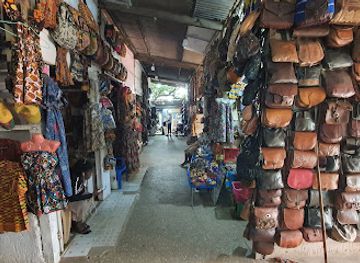
Accra Arts Centre
Experience the heart of Ghanaian culture at Accra Arts Centre, where creativity and tradition come alive in every handcrafted piece.
-
Tourist attraction
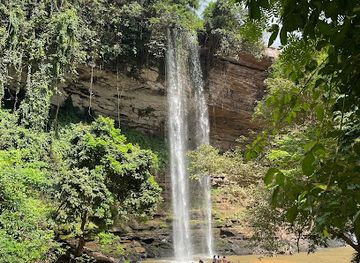
Boti Waterfalls
Boti Waterfalls: Experience Ghana's breathtaking natural beauty and adventure in a tranquil setting, perfect for nature lovers and explorers.
-
Tourist attraction
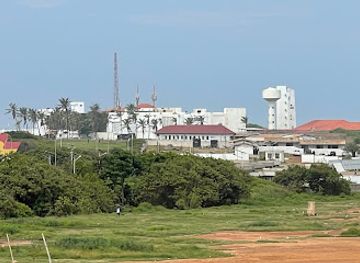
Jamestown Lighthouse
Explore Ghana's maritime history at the Jamestown Lighthouse, a historic landmark offering stunning ocean views and a glimpse into local culture.
-
Museum
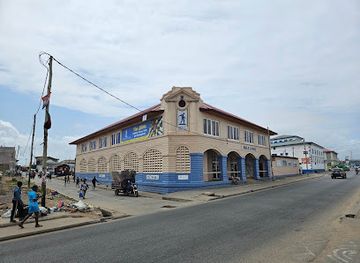
Osu Castle
Discover the historic Osu Castle in Accra, a former fort and museum that highlights Ghana's colonial history and the transatlantic slave trade.
Best landmarks in Aowin
Enchi is Aowin’s principal historic and civic landmark, carrying the significance of the traditional area’s political identity as well as its role as a modern municipal centre. The town’s importance is found less in monumental architecture than in the institutions, ceremonies and oral histories associated with Aowin traditional authority. Bia National Park is the region’s most significant natural landmark: its protected forest represents a surviving section of the Upper Guinea ecological zone and gives Aowin a geographical identity extending beyond its farms and settlements. The forest landscape itself, with tall growth, shaded streams and cocoa-growing clearings, is a defining visual feature. Rural roads around Enchi and Dadieso also reveal the region’s characteristic combination of red earth, cultivated plots and dense vegetation. Visitors should not expect a concentration of castles, grand colonial buildings or large monuments; Aowin’s landmarks are primarily cultural and environmental, and their meaning is best explained by local guides and community hosts.
-
 Historical landmark
Cape Coast Castle
Explore Cape Coast Castle, a UNESCO World Heritage site, and delve into the rich history of Ghana's past with poignant stories and breathtaking views.
-
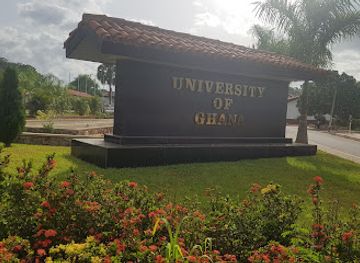
Public university
University of Ghana
Explore Ghana's oldest and largest university, a vibrant hub of learning, culture, and history nestled in the scenic Legon hills near Accra, offering a unique glimpse into the nation's intellectual heart.
-
Museum
Kwame Nkrumah Memorial Park & Mausoleum
Explore the Kwame Nkrumah Memorial Park & Mausoleum in Accra, a tribute to Ghana's first president and a beacon of Pan-Africanism, offering a serene and insightful journey into the nation's history.
-
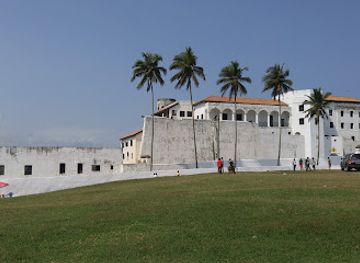
Castle
Elmina Castle
Explore Elmina Castle, a UNESCO World Heritage Site, and delve into Ghana's rich historical narrative of the transatlantic slave trade.
Explore Aowin on the map
Plan your trip on one map. See where the top cities, national parks and sights are, and book hotels and experiences in a few clicks.
Best hotels in Aowin
Best restaurants in Aowin
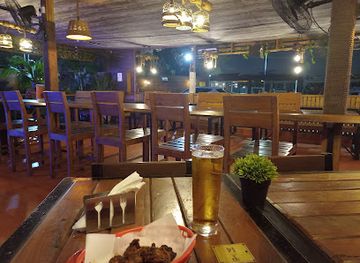
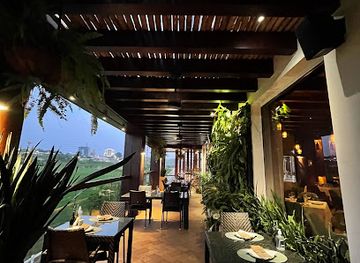
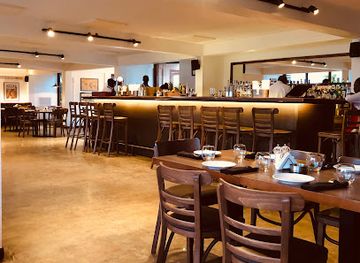
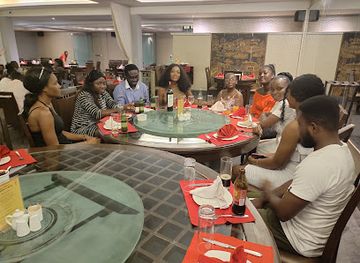
Dining in Aowin is primarily local, informal and closely connected to farming communities. Small chop bars and roadside food stalls commonly serve Ghanaian staples such as fufu with soup, banku, rice dishes, yam, plantain and beans, often accompanied by pepper sauces and stews. Chicken, goat and tilapia may appear, while seasonal produce reflects the forest-farming environment. Cocoa is economically central, but visitors should not assume that every establishment offers specialist chocolate products; locally made cocoa drinks or farm introductions are more likely to require prior arrangement. Enchi and Dadieso offer the broadest choice of simple meals, provisions and drinks, while rural areas may have fewer options and earlier closing times. Carrying snacks and water is sensible on long journeys. Food is often served generously and communally, and asking about ingredients is useful for travellers with allergies or dietary restrictions. The region’s culinary interest lies in everyday Ghanaian cooking and the relationship between food, cocoa and rural livelihoods rather than in a formal fine-dining scene.
-
Restaurant
Potbelly Shack Adjiringanor
Discover culinary delights at Potbelly Shack Adjiringanor in Accra – where local flavors meet vibrant dining experiences.
-
Restaurant
Polo Club Restaurant & Lounge
Experience exquisite Italian cuisine and fresh sushi at Polo Club Restaurant & Lounge in Accra - where elegance meets flavor.
-
Restaurant
Bistro 22 - Kitchen + Bar
Discover exceptional dining at Bistro 22 - where Ghanaian flavors meet global culinary artistry in an inviting atmosphere.
-
Chinese
Noble House - Osu
Experience authentic Chinese cuisine in Accra at Noble House - Osu; where tradition meets modern dining.
Best bars in Aowin
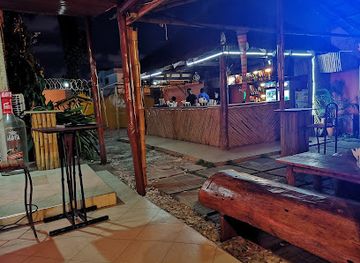
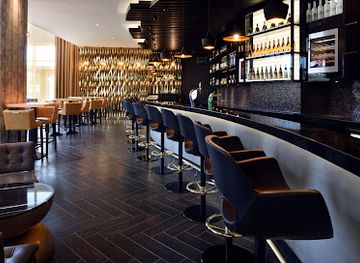
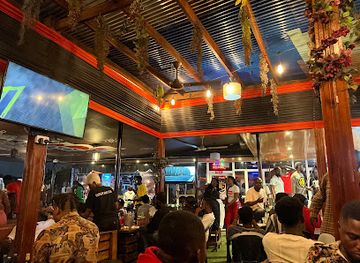
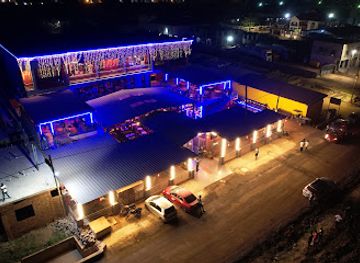
Aowin does not have a major clubbing industry. Evening social life is concentrated in small drinking spots, provision shops, local bars and modest venues in Enchi, Dadieso and other larger settlements. These places may provide bottled drinks, music and conversation, but opening arrangements and atmosphere can change, and nightlife becomes much quieter outside the towns. Some evenings may include local social events or live highlife and contemporary Ghanaian music, though these should be understood as community occasions rather than a permanent entertainment programme. Visitors staying in rural areas are more likely to spend the evening at their accommodation or with a host than in a dedicated nightlife venue. Drink responsibly, arrange transport before dark and be considerate when passing through residential communities. There is no need to treat alcohol as central to experiencing Aowin; the region’s evening character is better understood through local hospitality, food and conversation.
-
Bar
THE WOODS
Experience the vibrant nightlife of Ghana at The Woods, a premier bar in Estates offering a lively atmosphere and delightful drinks.
-
Bar
One2One Bar
Discover the vibrant nightlife and sophisticated cocktail experience at One2One Bar in Accra's Mövenpick Ambassador Hotel.
-
Pub
Lovers Inn Pub
Discover the vibrant atmosphere of Lovers Inn Pub in Accra, where delightful drinks and local culture come together in perfect harmony.
-
Bar
Big Bottle Pub
Experience the lively nightlife at Big Bottle Pub in Tema, where refreshing drinks and vibrant atmosphere await every visitor.
Best nightclubs in Aowin
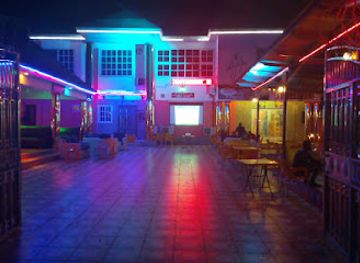
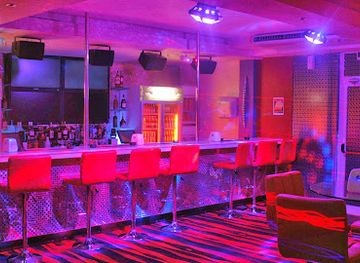
Aowin does not have a major clubbing industry. Evening social life is concentrated in small drinking spots, provision shops, local bars and modest venues in Enchi, Dadieso and other larger settlements. These places may provide bottled drinks, music and conversation, but opening arrangements and atmosphere can change, and nightlife becomes much quieter outside the towns. Some evenings may include local social events or live highlife and contemporary Ghanaian music, though these should be understood as community occasions rather than a permanent entertainment programme. Visitors staying in rural areas are more likely to spend the evening at their accommodation or with a host than in a dedicated nightlife venue. Drink responsibly, arrange transport before dark and be considerate when passing through residential communities. There is no need to treat alcohol as central to experiencing Aowin; the region’s evening character is better understood through local hospitality, food and conversation.
-
Night club
Twist Night Club
Dive into the vibrant nightlife at Twist Night Club in Accra, where electrifying music meets an unforgettable party atmosphere.
-
Disco club
Octapuz lounge and night club
Dive into a lively nightlife experience at Octapuz Lounge and Night Club in Accra, where great music meets vibrant energy.
-
Night club
Kavalli @ Night
Experience the electrifying nightlife at Kavalli @ Night, Accra's premier night club with vibrant music and a lively atmosphere.
-
Night club
Hotgossip Night Club
Immerse yourself in Accra's vibrant nightlife at Hotgossip Night Club, where music, dance, and cocktails create an unforgettable experience.


Best shops in Aowin
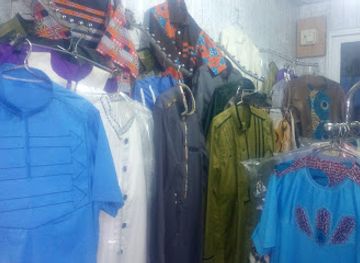
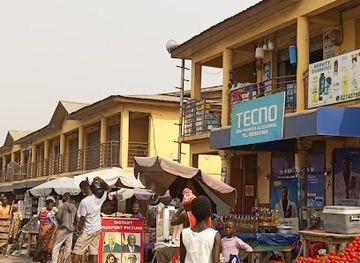
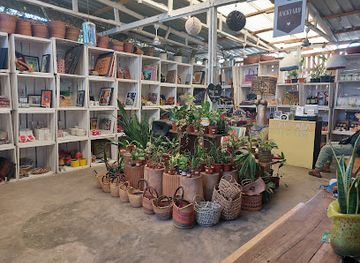
Shopping in Aowin is practical and local rather than centred on large commercial centres. Enchi and Dadieso have the broadest selection of market stalls, small shops and roadside traders, where visitors can buy fruit, plantain, cassava products, snacks, household goods and provisions for journeys. Cocoa is the region’s most recognisable agricultural product, although packaged chocolate and processed cocoa goods may be limited compared with Ghana’s larger cities. Local markets can also be useful places to observe the movement of farm produce and learn about seasonal crops, but visitors should ask before photographing traders or stalls. Handcrafted goods may be available through individual makers or community contacts rather than permanent tourist shops. Bargaining can occur in informal markets, while prices in established shops are generally less flexible. Carry sufficient cedi cash, particularly when travelling beyond Enchi, and avoid buying objects made from protected wildlife or materials whose legal origin is unclear.
-
Wholesale jeweler
Akosnachi Enterprise Gh.
Explore Akosnachi Enterprise Gh. for exquisite wholesale jewelry and a vibrant cultural shopping experience in Accra.
-
Clothing store
Awoshie Abrantie
Discover the essence of West African fashion at Awoshie Abrantie, a vibrant clothing store in the heart of Ghana.
-
Market
Unique Ray
Experience the vibrant atmosphere and rich culture of Ghana at Unique Ray Market in Accra, where shopping meets authentic culinary delights.
-
Gift shop
The Shop Accra
Discover unique crafts and gifts at The Shop Accra, where every purchase supports local artisans and embodies the spirit of Ghana.

Get your free copy of our complete guide to Aowin, delivered straight to you.
Everything on this page, from attractions and restaurants to essentials and local phrases, in one PDF you can read offline, print or share.
Already have an account? Sign in
Your Aowin guide is ready.
We'll send it to · Not you? Sign out

Getting your guide ready…
We are putting together a fresh copy of the Aowin guide. This can take up to a minute.
This can take a few moments. If your browser asks, choose Allow so the download can start. You'll find the guide in your Downloads folder.
Nothing happened? Download it again
Sorry, the guide is taking longer than usual. Please try again in a minute, or get it by email instead.
Aowin essentials
Currency and Payment
Safety
Emergency Situations
Do's and Don'ts
Local Tips
From Eve
Local phrases worth knowing
You don't need to get them perfect. A few words go a long way, and locals appreciate the effort.
Basics
| English | Local | Say it |
|---|---|---|
| Hello | Akwaba | [ah-kwah-bah] |
| Goodbye | Nante yie | [nan-tay yee-eh] |
| Yes | Aane | [ah-neh] |
| No | Daabi | [dah-bee] |
| Please/You’re welcome | Mepa wo kyɛw | [meh-pah woh cheh] |
| Thank you | Medase | [meh-dah-seh] |
| Excuse me/Sorry | Kafra | [kah-frah] |
| How are you? | Ɛte sɛn? | [eh-teh sen] |
| Fine. And you? | Me ho yɛ, na wo nso? | [meh ho yeh, nah woh nso?] |
| Do you speak English? | Wopɛ sɛ woka Borɔfo? | [woh-peh seh woh-kah bo-roh-foh?] |
| I don’t understand | Mente ase | [men-teh ah-seh] |
Eating & Drinking
| English | Local | Say it |
|---|---|---|
| I’d like to see the menu, please | Mepɛ sɛ mehu abɔdɔm no | [meh-peh seh meh-hoo ah-boh-dom noh] |
| I don’t eat meat | Mente nyama | [men-teh nyah-mah] |
| Cheers! | Nsa bɔ! | [n-sah boh] |
| I would like to pay, please | Mepɛ sɛ meyɛ sika no | [meh-peh seh meh-yeh see-kah noh] |
Emergencies
| English | Local | Say it |
|---|---|---|
| Help! | Boa me! | [boh-ah meh] |
| Go away! | Kɔ fi ha! | [koh fee hah] |
| Call the Police! | Frɛ ɔmanpanyin! | [freh oh-mahn-pah-nyin] |
| Call a doctor! | Frɛ dɔkita! | [freh doh-kee-tah] |
| I’m lost | Meda ho nsɛm | [meh-dah hohn-sehm] |
| I’m ill | Medi yare | [meh-dee yah-reh] |
Shopping
| English | Local | Say it |
|---|---|---|
| I’d like to buy... | Mepɛ sɛ mɛtɔ... | [meh-peh seh meh-taw] |
| I’m just looking | Mekɔhwɛ nko | [meh-koh-hweh n-koh] |
| How much is it? | Ɛyɛ sɛn? | [eh-yeh sen?] |
| That’s too expensive | Ɛyɛ dɔɔso | [eh-yeh doh-oh-soh] |
| Can you lower the price? | Wobɛtɔ so? | [woh-beh-taw soh?] |
Time & Numbers
| English | Local | Say it |
|---|---|---|
| What time is it? | Dɛn na ɛda? | [den nah eh-dah?] |
| It’s one o’clock | Ɛyɛ dɔn kɔtɔ | [eh-yeh don koh-toh] |
| Half past (10) | Nkyɛmu (10) | [nkyay-moo] |
| Morning | Anɔpa | [ah-noh-pah] |
| Afternoon | Awia | [ah-wee-ah] |
| Evening | Anadwo | [ah-nah-dwoh] |
| Yesterday | Nnɛ da | [nen-neh dah] |
| Today | Ɛnnɛ | [eh-neh] |
| Tomorrow | Ɔkyena | [oh-chee-nah] |
| 1 | Baako | [bah-koh] |
| 2 | Abien | [ah-bee-ehn] |
| 3 | Abɛyɛ | [ah-beh-yeh] |
| 4 | Anan | [ah-nahn] |
| 5 | Anum | [ah-noom] |
| 6 | Nsia | [n-see-ah] |
| 7 | Nson | [n-sohn] |
| 8 | Nkwan | [n-kwa-n] |
| 9 | Nkyɛn | [n-kyen] |
| 10 | Dɛn | [den] |
Transport & Directions
| English | Local | Say it |
|---|---|---|
| Where's a/the...? | Ɛhe na ...? | [eh-he nah] |
| What's the address? | Dɛn na ɛyɛ adwuma? | [den nah eh-yeh ah-dwoo-mah] |
| Can you show me (on the map)? | Wobɛda map no adi? | [woh-beh-dah map noh ah-dee?] |
| When's the next (bus)? | Bɛn na bus no bɛba? | [ben nah boos noh beh-bah?] |
| A ticket (to ....) | Kɔtɔ (kɔ...) | [koh-taw] |
History of Aowin
Akan Settlement and the Aowin Kingdom
Aowin history is rooted in Akan-speaking communities that established political authority in the forest belt between the major Akan states of the Gold Coast. The Aowin kingdom grew through control of people, agricultural land, forest products and trading routes, with Enchi becoming an important centre of traditional authority. Political influence varied over time, and the kingdom’s history is preserved through oral traditions, chiefly institutions and relationships with neighbouring states. Visitors should understand Aowin not simply as a modern administrative district but as a historic cultural territory with its own identity within the wider Akan world.
Forest Trade and Regional Rivalries
Before colonial rule, the forest zone was connected to wider networks trading in gold, kola, foodstuffs and other commodities. Aowin’s position between inland Akan states and territories towards the western border gave it strategic importance, while relations with neighbouring powers could involve alliance, tribute and armed conflict. The dense forest did not isolate the region; instead, paths through it connected settlements and trading communities. The political history of Aowin was therefore shaped by both its natural resources and its position between larger centres of power.
Colonial Incorporation in the Gold Coast
During the late nineteenth and early twentieth centuries, British authority expanded into the forest regions of the Gold Coast. Aowin was incorporated into the colonial administrative system, bringing new forms of taxation, courts, boundary-making and chiefly administration. Colonial rule did not erase existing institutions, but it altered the authority of traditional leaders and tied the area more closely to roads, commercial agriculture and export markets. The modern location of Aowin within Ghana’s western administrative landscape reflects these later political and territorial changes.
Timber, Cocoa and the Commercial Forest Economy
The twentieth century brought major economic change as commercial timber extraction and cocoa farming expanded through the forest zone. Cocoa became especially important to household livelihoods, attracting labour and linking remote farms to national and international commodity markets. Logging created employment and revenue but also reduced parts of the original forest cover and changed local landscapes. Today, cocoa farms, secondary forest, settlements and protected areas form a complex mosaic, showing how Aowin’s economy has long depended on the value of both cultivated land and natural forest.
Bia Forest Protection
The establishment of protected forest around the Bia landscape reflected growing recognition of the ecological importance of Ghana’s remaining Upper Guinea Forest. Bia National Park and associated conservation areas protect habitat for forest wildlife and maintain a corridor of biological significance in the western part of the country. Conservation has also created difficult questions about access, farming, livelihoods and enforcement. For visitors, the protected area is important not only as a place to seek wildlife but as evidence of the continuing effort to balance agricultural needs with forest protection.
Post-Independence Administration and Gold Mining
Following Ghanaian independence in 1957, Aowin remained a predominantly rural forest region whose public administration developed around towns such as Enchi and Dadieso. Cocoa, farming and timber continued to underpin local livelihoods, while gold mining became increasingly visible in parts of the western forest belt. Mining can provide income and local business opportunities, but it also raises concerns about land degradation, water quality and pressure on forests. These contemporary economic forces are part of Aowin’s continuing history, alongside efforts to strengthen conservation and rural infrastructure.
Neighbouring regions of Aowin
The closest regions to Aowin, if you have time for more than one.
-

-

-

-

-


Swipe for more regions
Explore more

Explore more of Ghana
Discover Ghana: A vibrant blend of rich history, stunning landscapes, and warm hospitality in the heart of West Africa.
Explore Ghana