
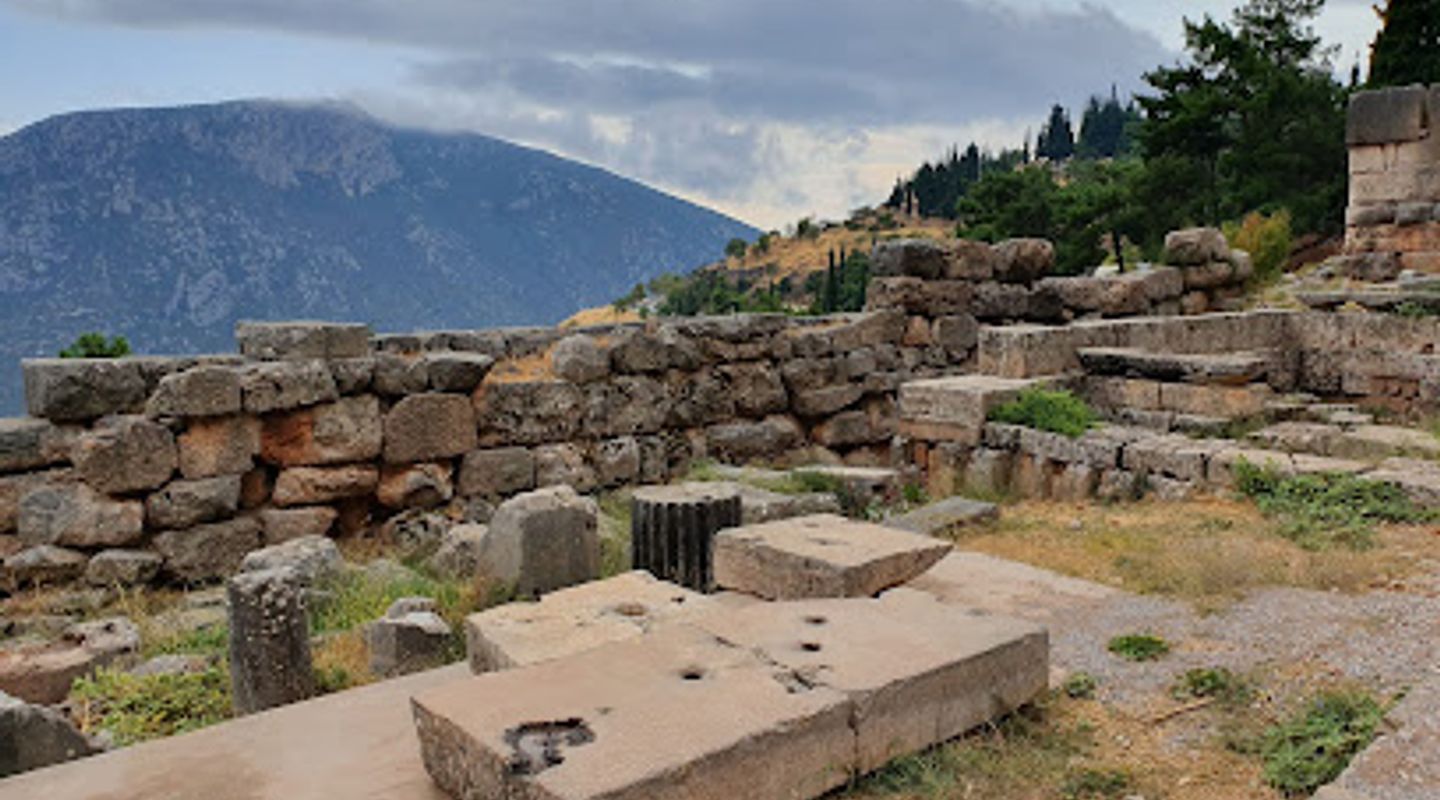
Castalia Spring, Delphi Travel Guide
Purify your senses at Delphi's Castalia Spring, where ancient pilgrims once sought wisdom and inspiration from the sacred waters.
The Castalia Spring, nestled in Delphi's ravine, was the purification point for ancient pilgrims, athletes, and priests before consulting the Oracle or participating in the Pythian Games. Named after the nymph Castalia, who sought refuge in its waters from Apollo, the spring is linked to legends and poetic inspiration.
A brief summary to Castalia Spring
- EO Livadias Amfissas, Delphi, 330 54, GR
- Click to display

Know before you go
Hi, I'm Eve. Here are a few practical things to know before exploring Castalia Spring.
- Visit early in the morning or late afternoon to avoid crowds and enjoy a more serene experience.
- Bring a reusable water bottle to fill with the refreshing spring water, believed to have special properties.
- Wear comfortable shoes, as the path to the spring can be uneven and rocky.
Do you manage this location?
Take control to get all the benefits, like improved information, better appearance, and stronger visibility across AI-powered discovery. Learn more about listing your business on Evendo
Activate your presenceOther nearby places you may find interesting
The closest places of the same kind, if this one is not quite what you had in mind.


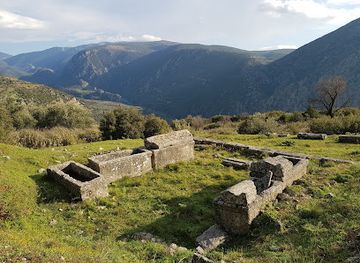

Explore Castalia Spring on the Map
A handpicked selection of must-see spots near Castalia Spring, mapped for you.
Unlock the Best of Castalia Spring
Buy tickets
-
No tickets available
Book tours with entry


Getting There
-
Walking
From the Delphi Archaeological Site, head east and take the path leading down towards the road. The spring is located a short walk from the main site, approximately 500 meters from the entrance. Follow the signs for Castalia Spring.
-
Public Transport
Take the local bus from Delphi to Amfissa. Get off the bus on EO Livadias Amfissas, and walk for about 15-20 minutes or catch a taxi for a 5 minute ride to Castalia Spring.
Discover more about Castalia Spring













Your all‑in‑one travel companion app
Explore expert travel guides, compare and book tours, experiences, hotels, and more—all from the palm of your hand. Download now for seamless trip planning wherever your wanderlust takes you.


Explore More of Delphi
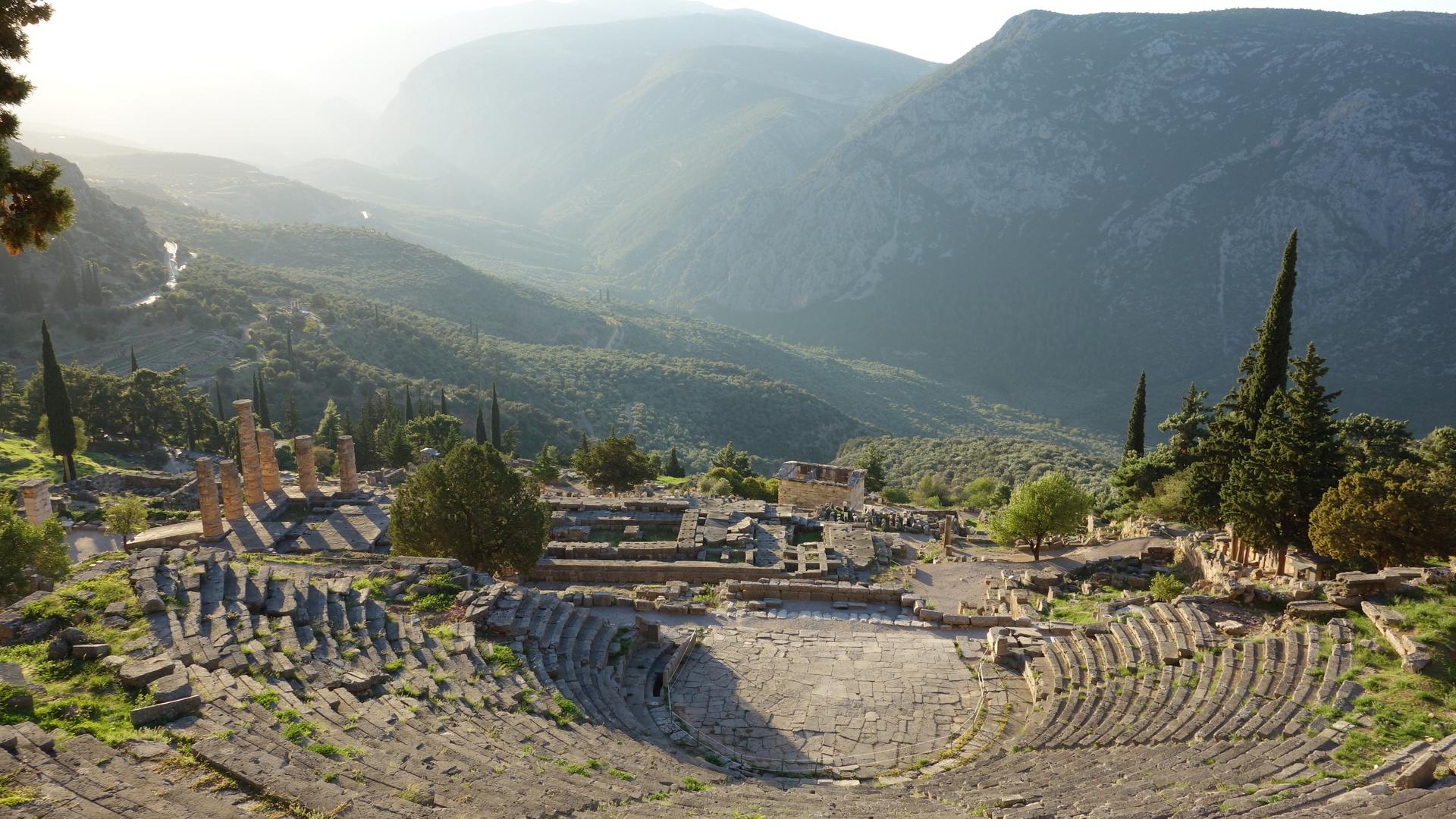
Looking beyond Castalia Spring? Discover Delphi for broader travel guides, local hot-spots, and regional highlights.
Explore Delphi
Discover ancient treasures and immerse yourself in the history of the Delphic Sanctuary at this world-renowned museum in Delphi, Greece.
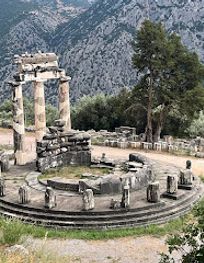
Explore the ruins of Delphi's Ancient Gymnasium, where athletes trained for the Pythian Games and philosophers shared their wisdom.
