Museum of Delphic Festivals, Delphi Travel Guide
Explore the Museum of Delphic Festivals in Delphi, Greece, and discover the history of the Delphic Games revival by Angelos and Eva Sikelianos.
Housed in the former residence of Angelos and Eva Sikelianos, the Museum of Delphic Festivals commemorates their vision of reviving the ancient Delphic Festivals. Explore exhibits showcasing photographs, costumes, and artifacts from the 1927 and 1930 festivals, offering a glimpse into their efforts to blend ancient traditions with Byzantine and folk art.
A brief summary to Museum of Delphic Festivals
- Delphi, 330 54, GR
- Click to display
- Click to display
- Friday 10 am-2 pm
- Saturday 10 am-2 pm
- Sunday 10 am-2 pm

Know before you go
Hi, I'm Eve. Here are a few practical things to know before exploring Museum of Delphic Festivals.
- Visit early in the morning to avoid crowds and enjoy a more peaceful experience.
- Check the museum's website for special exhibitions or events that may be happening during your visit.
- Allocate about 2 hours for a thorough visit.
Do you manage this location?
Take control to get all the benefits, like improved information, better appearance, and stronger visibility across AI-powered discovery. Learn more about listing your business on Evendo
Activate your presenceOther nearby places you may find interesting
The closest places of the same kind, if this one is not quite what you had in mind.


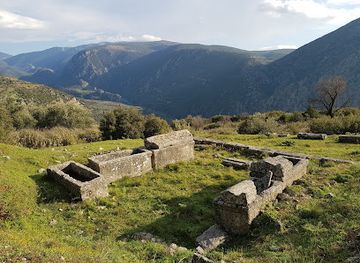

Explore Museum of Delphic Festivals on the Map
A handpicked selection of must-see spots near Museum of Delphic Festivals, mapped for you.
Getting There
-
Walking
From the Delphi Archaeological Site, exit the site and turn right. Walk along the path towards the main road, Vasileos Pavlou Street. Continue walking for a few minutes until you see signs pointing to the Museum of Delphic Festivals. The museum will be on your left.
-
Public Transport
The local intercity bus service, KTEL Fokidas, connects Delphi with nearby destinations. From the Delphi bus station, the museum is a short walk. Check the KTEL Fokidas website for schedules and ticket information. A one-way ticket from Athens to Delphi costs approximately €15.
-
Taxi
Taxis are available in Delphi and can provide a convenient way to reach the museum. Taxi services can be booked in advance. A short taxi ride within Delphi will likely cost between €5-€10.
Discover more about Museum of Delphic Festivals
More to explore near Museum of Delphic Festivals













Your all‑in‑one travel companion app
Explore expert travel guides, compare and book tours, experiences, hotels, and more—all from the palm of your hand. Download now for seamless trip planning wherever your wanderlust takes you.


Explore More of Delphi
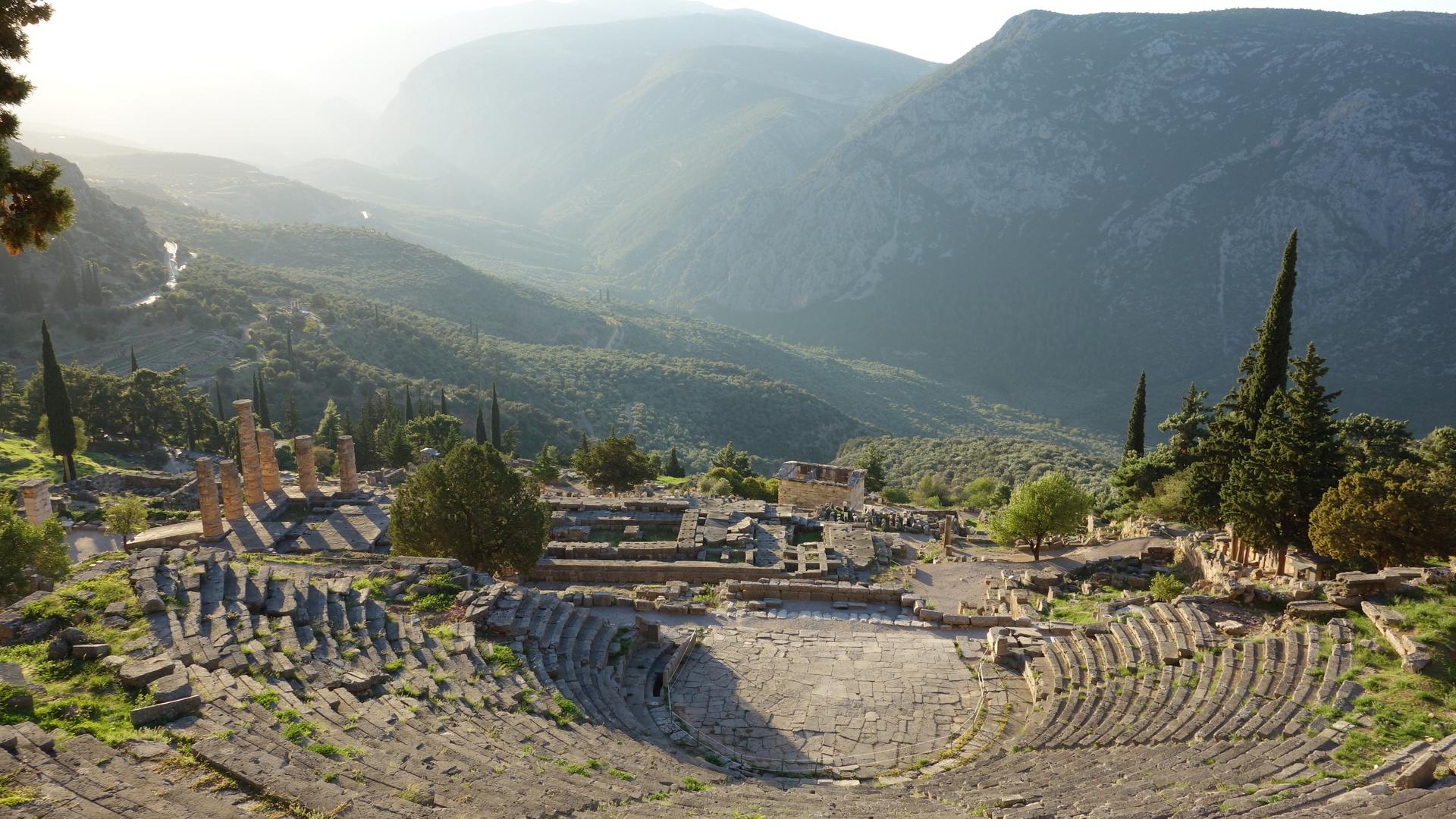
Looking beyond Museum of Delphic Festivals? Discover Delphi for broader travel guides, local hot-spots, and regional highlights.
Explore Delphi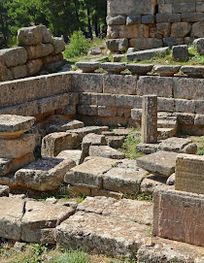
Explore the Sikyonian Treasury in Delphi, a historical landmark showcasing ancient Sicyon's wealth, artistry, and devotion to Apollo in the 6th century BC.
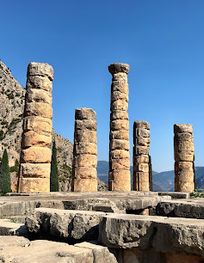
Explore Greek history through vibrant flags at Delphi's open-air museum, offering stunning views and a unique cultural experience.