

Archaeological Site Vardar Hill, Macedonia Travel Guide
Uncover ancient Macedonian history at Vardarski Rid, an archaeological site with Bronze Age roots and stunning Vardar River views.
Explore the ancient settlement of Vardarski Rid near Gevgelija, North Macedonia, offering a glimpse into the region's rich history from the Bronze Age to the Roman era. Discover ruins, artifacts, and stunning views of the Vardar River valley.
A brief summary to Archaeological Site Vardar Hill
- E75, 1480, MK
- Click to display
- Click to display
- Monday 9 am-7:30 pm
- Tuesday 9 am-7:30 pm
- Wednesday 9 am-7:30 pm
- Thursday 9 am-7:30 pm
- Friday 9 am-7:30 pm
- Saturday 9 am-7:30 pm
- Sunday 9 am-7:30 pm

Know before you go
Hi, I'm Eve. Here are a few practical things to know before exploring Archaeological Site Vardar Hill.
- Visit in the morning or late afternoon for the best light and to avoid the midday heat.
- Wear comfortable shoes, as the terrain is uneven.
- Bring water and snacks, as facilities may be limited.
Do you manage this location?
Take control to get all the benefits, like improved information, better appearance, and stronger visibility across AI-powered discovery. Learn more about listing your business on Evendo
Activate your presenceOther nearby places you may find interesting
The closest places of the same kind, if this one is not quite what you had in mind.
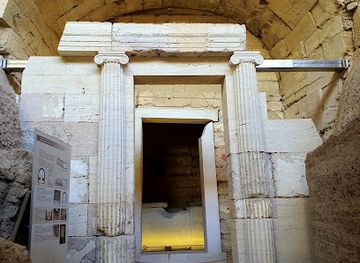
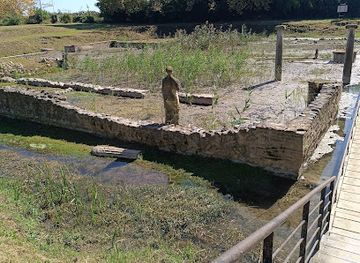
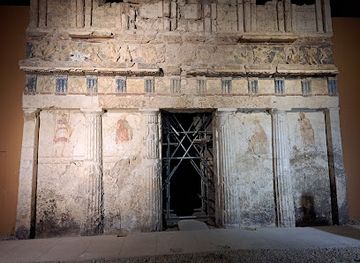
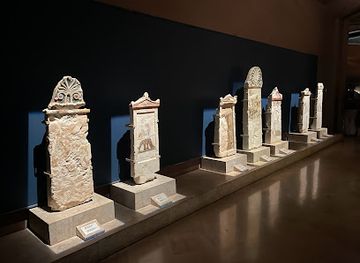
Explore Archaeological Site Vardar Hill on the Map
A handpicked selection of must-see spots near Archaeological Site Vardar Hill, mapped for you.
Getting There
-
Car
If driving from Skopje, take the E75 southbound for approximately 130 km until you reach Gevgelija. Follow signs for Archaeological Site Vardar Hill, located directly off the E75. There is no entrance fee, but check for potential parking fees nearby.
-
Public Transport
Take a bus from Skopje to Gevgelija. Buses depart regularly from Skopje's central bus station; the journey takes 2-3 hours and costs approximately 300 MKD (5 USD). From Gevgelija, walk to the site (approximately 30 minutes) or take a local taxi for around 200 MKD (3.50 USD).
-
Taxi
From anywhere in Macedonia, you can hire a taxi to Archaeological Site Vardar Hill. Negotiate the fare beforehand; expect to pay around 1,500 to 2,000 MKD (25 to 35 USD) from Skopje. From Gevgelija, a taxi to the site should cost around 200 MKD (3.50 USD).
Discover more about Archaeological Site Vardar Hill
More to explore near Archaeological Site Vardar Hill
-

Best experiences near Archaeological Site Vardar Hill
-

Best hotels near Archaeological Site Vardar Hill
-

Best attractions near Archaeological Site Vardar Hill
-

Best shops near Archaeological Site Vardar Hill
-

Best restaurants near Archaeological Site Vardar Hill
-

Best bars near Archaeological Site Vardar Hill







Your all‑in‑one travel companion app
Explore expert travel guides, compare and book tours, experiences, hotels, and more—all from the palm of your hand. Download now for seamless trip planning wherever your wanderlust takes you.


Explore More of Macedonia
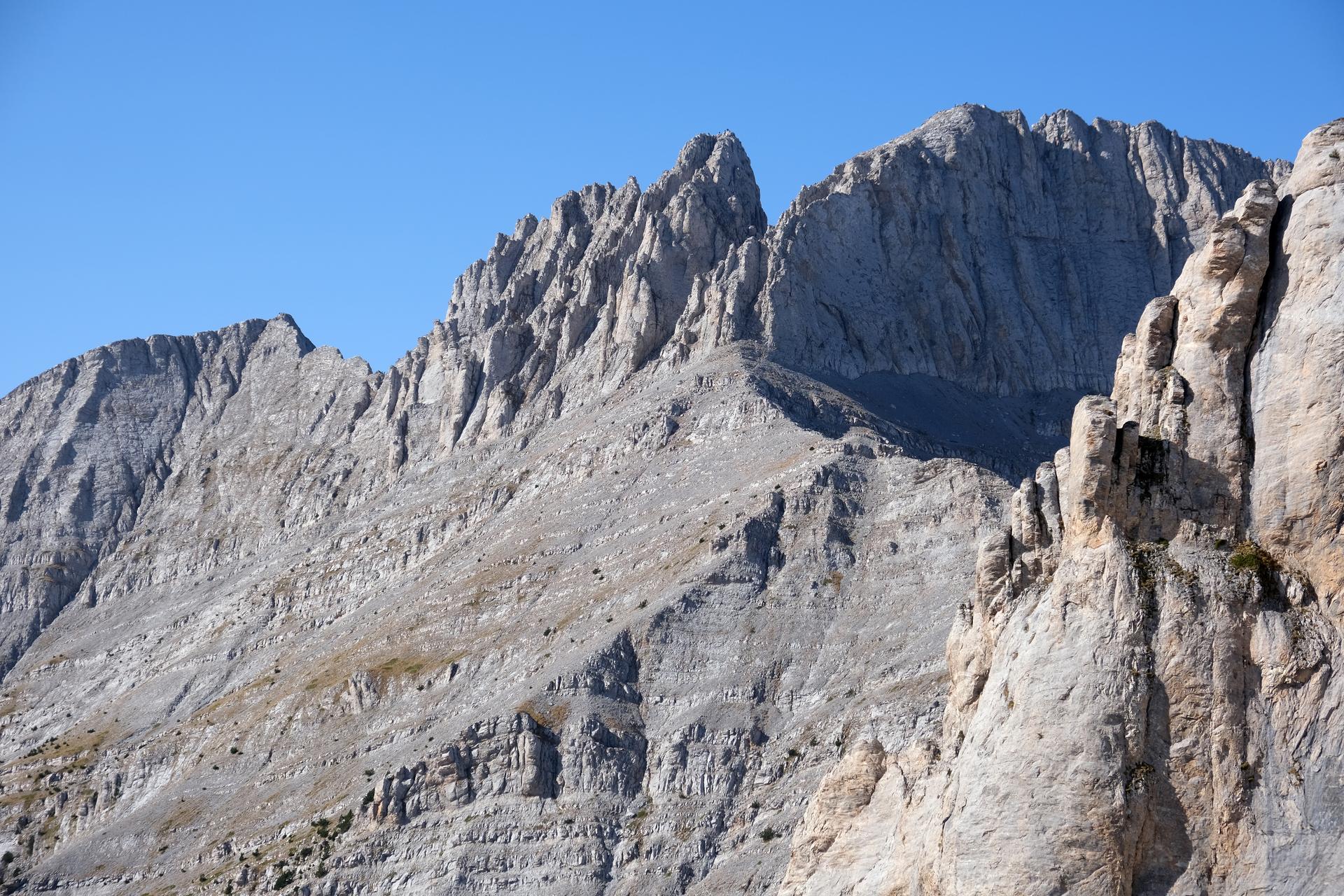
Looking beyond Archaeological Site Vardar Hill? Discover Macedonia for broader travel guides, local hot-spots, and regional highlights.
Explore Macedonia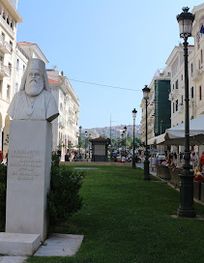
A historical landmark in Thessaloniki honoring Emilianos Lazaridis, a martyr of the Macedonian Struggle, with classical and modern architecture.
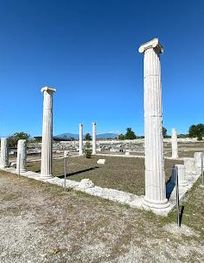
Discover the birthplace of Alexander the Great and the capital of ancient Macedonia, where history comes alive through stunning mosaics and ruins.
