

Tamuning (Tamuning) Travel Guide - Free
Explore Tamuning in Tamuning with Evendo's free guide. Find the best shops, historic streets, restaurants, and gems on web or mobile.


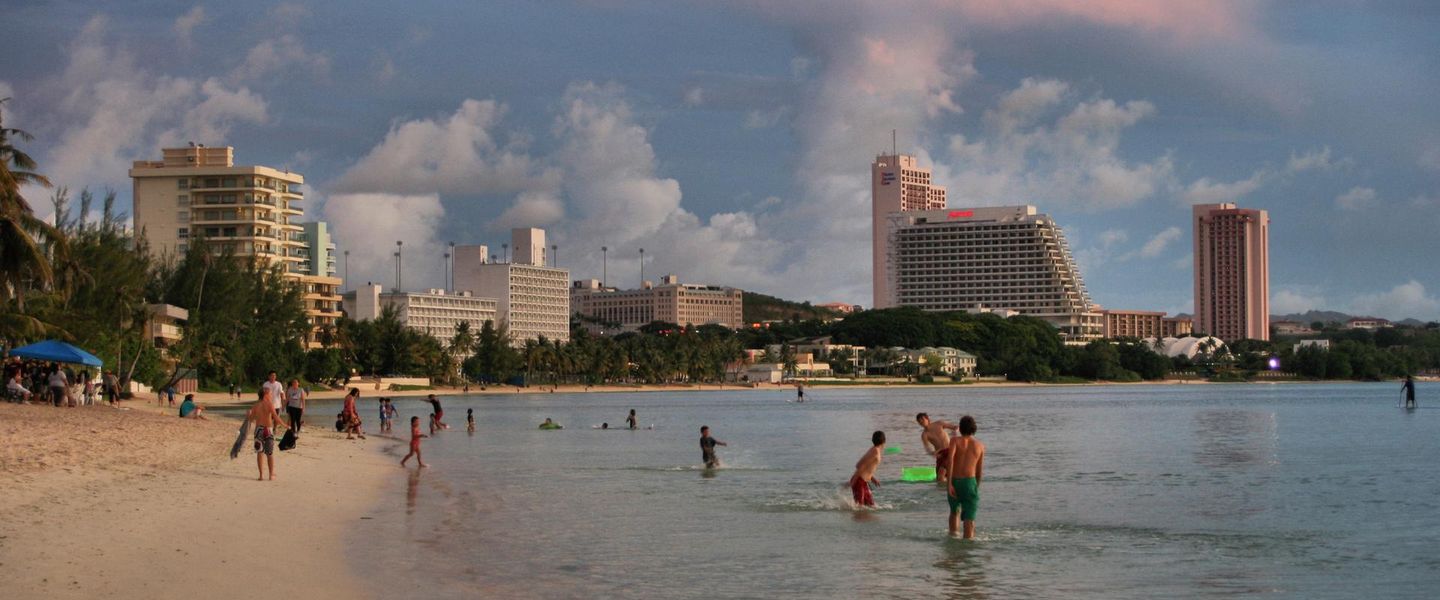


Tamuning, Guam blends Chamorro culture, Ypao Beach, Tumon Bay, island dining, shopping and sunset walks along the western coast and island markets.
Coastal Setting and Character
Tamuning occupies a busy stretch of Guam’s western shore, combining an established residential community with the island’s best-known concentration of hotels, shopping centres, restaurants and beach recreation. The area is commonly discussed alongside Tumon, its northern resort district, while Harmon extends inland as a commercial and industrial zone. This layered identity means Tamuning feels less like a single historic quarter than a broad urban corridor shaped by coastal tourism, everyday island life and major roads.Read more about Tamuning
Beaches, Parks and Public Life
Culture, Food and Shopping
Best attractions in Tamuning
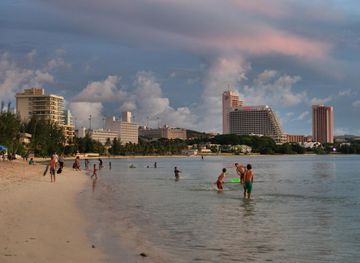
Tamuning’s principal attractions are coastal and commercial rather than concentrated in a traditional town centre. Ypao Beach Park is the most accessible public shoreline, with lawns, picnic areas and views across Tumon Bay, while the bay itself supports swimming, sunbathing and organised marine recreation where conditions and local rules permit. In the Tumon section of the municipality, attractions include aquarium and marine-life experiences, large hotel resort facilities and the beachfront promenade-like stretches linking the principal visitor zones. Shopping complexes and duty-free retail areas also function as sightseeing stops for visitors interested in Guam’s position between American, Japanese, Korean and Micronesian markets. Inland, Harmon is more commercial than scenic, but its broad roads, businesses and everyday services show the practical side of the municipality. Together, these places present Tamuning as Guam’s main meeting point between public beaches, resort tourism and ordinary urban life.
-
Tourist attraction
Ypao Beach
Discover Ypao Beach in Guam: a perfect blend of relaxation, recreation, and Chamorro culture on Tumon's stunning shoreline.
11 min walk · 0.9 km from neighbourhood centre
-
Tourist attraction
Guam Zoo
Discover Guam's hidden treasure: a family-friendly zoo dedicated to wildlife conservation and education in a lush tropical setting.
5 min drive · 1.8 km from neighbourhood centre
-
Tourist attraction
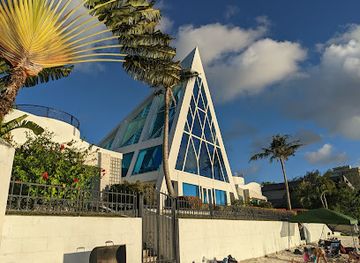
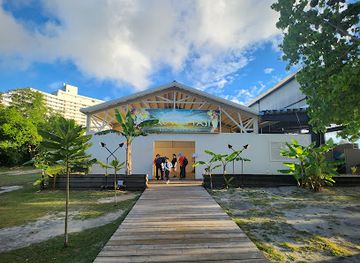
Crystal Chapel
Discover serenity at Crystal Chapel in Guam: ocean views, modern design, and a tranquil escape on Tumon Bay's beautiful Gun Beach.
10 min drive · 3.3 km from neighbourhood centre
Best landmarks in Tamuning
Ypao Beach Park is one of Tamuning’s most recognisable public landmarks, valued not for monumental architecture but for its open lawns, shoreline access and role in community gatherings. Tumon Bay provides the municipality’s defining natural landmark, a sheltered coastal setting that has shaped Guam’s modern hotel geography and international image. Pale San Vitores Road and Marine Corps Drive are important built elements, carrying the traffic and commercial activity that bind the local districts together. The large resort hotels, shopping complexes and entertainment buildings along Tumon are also markers of Guam’s tourism era, although their architectural significance is principally social and economic rather than historic. Inland Harmon offers a contrasting landscape of warehouses, businesses and broad roads, recording the municipality’s practical commercial function alongside its better-known beach frontage.
-
Outlet mall
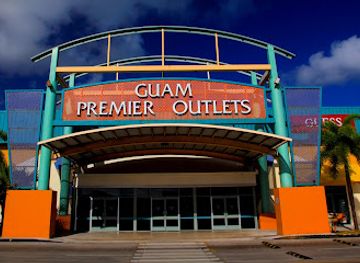
Guam Premier Outlets
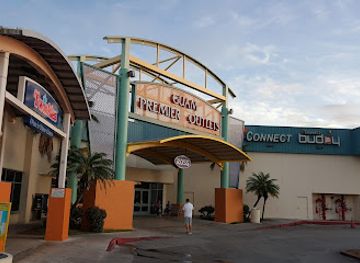
Discover unbeatable deals and a vibrant shopping atmosphere at Guam Premier Outlets, your ultimate shopping destination in Guam.
12 min walk · 1.0 km from neighbourhood centre
-
Theater production
Karera at SandCastle
Discover the vibrant cultural tapestry of Guam through captivating performances at Karera at SandCastle, a premier theater destination in Tumon.
8 min drive · 2.7 km from neighbourhood centre
-
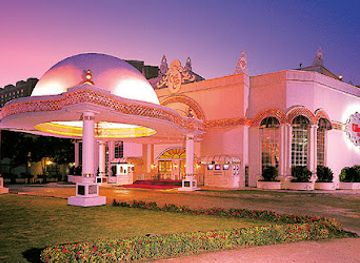
Dinner theater
Taotao Tasi Guam
Experience the vibrant culture and delicious flavors of Guam at Taotao Tasi, a unique dinner theater by the beach in Tumon.
11 min drive · 3.6 km from neighbourhood centre
-
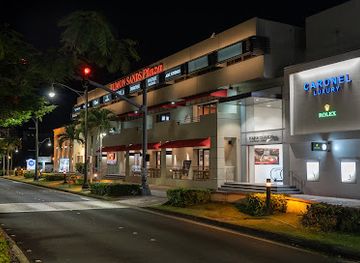
Shopping mall
Tumon Sands Plaza
Discover the ultimate shopping experience at Tumon Sands Plaza, where luxury meets local charm in the heart of Guam.
7 min drive · 2.4 km from neighbourhood centre
Explore Tamuning on the map
A handpicked selection of must-see spots in Tamuning, mapped for you.
Best hotels in Tamuning
Best restaurants in Tamuning
Tamuning has Guam’s broadest concentration of visitor-oriented dining, but its food culture is not limited to hotel restaurants. Along the Tamuning and Tumon corridors, menus range from Chamorro cooking and Filipino comfort food to Japanese, Korean, Chinese, American and contemporary Pacific cuisine. Visitors can look for local specialities such as kelaguen, red rice, barbecue and finadene, a sharp soy-and-citrus condiment often served with island dishes. Established venues including Proa Guam and Meskla Chamoru Bistro are associated with the wider Tamuning dining scene, while supermarkets and casual eateries provide useful options for self-catering and quick meals. Tumon tends towards polished resort dining and international menus; further inland, the atmosphere is generally more practical and locally oriented. The result is a dining landscape shaped by Guam’s Indigenous traditions, long Pacific connections and strong links with East Asian tourism.
-
American
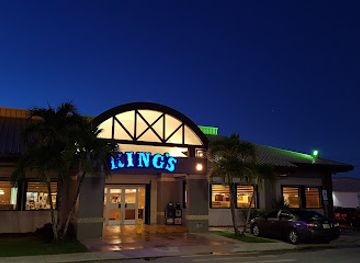
King's Restaurant
Experience the taste of America at King's Restaurant in Guam - perfect for breakfast lovers and families alike.
12 min walk · 0.9 km from neighbourhood centre
-
Restaurant
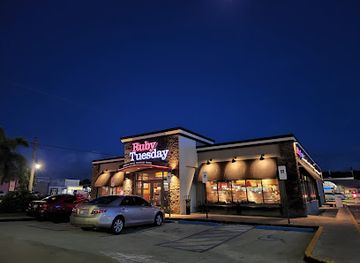
Ruby Tuesday Restaurant
Experience delicious American cuisine at Ruby Tuesday Restaurant in Apotgan, Guam - where every dish is crafted with fresh ingredients.
11 min walk · 0.9 km from neighbourhood centre
-
American
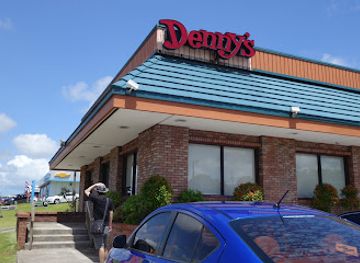
Denny's Tamuning
Experience the best of American comfort food at Denny's Tamuning—where every meal feels like home.
7 min walk · 0.6 km from neighbourhood centre
-
Restaurant
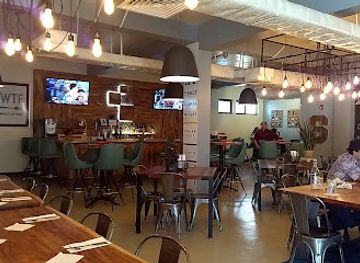
Three Squares Restaurant
Experience authentic Chamorro cuisine at Three Squares Restaurant in Tamuning – where every bite tells a story of Guam's rich culinary heritage.
10 min walk · 0.8 km from neighbourhood centre
Best bars in Tamuning
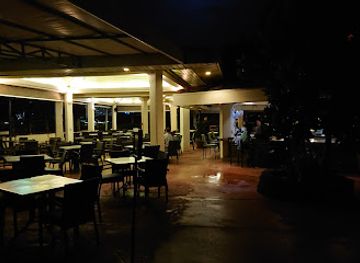
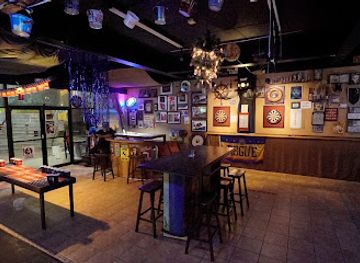
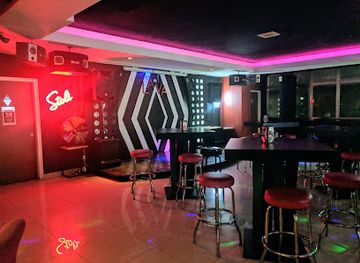
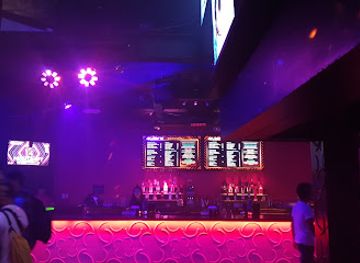
After dark, Tamuning’s liveliest activity is concentrated around the Tumon resort strip, where hotel lounges, casual bars, karaoke venues and entertainment spaces serve visitors alongside local residents. The nightlife is generally more social and hospitality-led than club-centred, with evening dining, live performances and drinks often connected to hotels and shopping complexes. Some venues reflect Guam’s American influence, while others draw on Japanese and Korean visitor culture through karaoke, late meals and polished lounge settings. Outside Tumon, Tamuning and Harmon are considerably quieter, with neighbourhood restaurants and bars rather than a dense late-night circuit. Traffic and distances make walking between separate venues less convenient than the compact appearance of the resort corridor may suggest, so visitors should check their route and transport arrangements before going out.
-
Bar
Tree Bar
Experience the vibrant atmosphere and exotic cocktails at Tree Bar, a tropical oasis in Tumon, Guam, perfect for relaxation and socializing.
15 min walk · 1.2 km from neighbourhood centre
-
Bar
Old Traditions
Experience the vibrant nightlife of Guam at Old Traditions, where local culture meets refreshing cocktails and live entertainment.
17 min walk · 1.4 km from neighbourhood centre
-
Bar
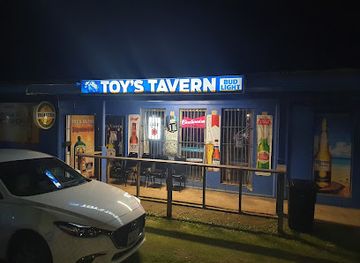
Toy’s Tavern
Discover the vibrant nightlife of Guam at Toy’s Tavern, a local favorite bar known for its excellent drinks and friendly atmosphere.
10 min walk · 0.8 km from neighbourhood centre
-
Bar
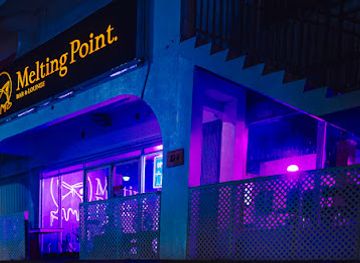
Melting Point, Guam
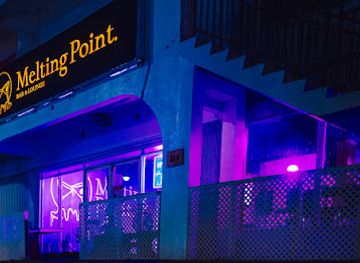
Discover the vibrant nightlife at Melting Point, Guam's premier bar and lounge for unforgettable cocktails and live entertainment.
17 min walk · 1.4 km from neighbourhood centre
Best nightclubs in Tamuning
After dark, Tamuning’s liveliest activity is concentrated around the Tumon resort strip, where hotel lounges, casual bars, karaoke venues and entertainment spaces serve visitors alongside local residents. The nightlife is generally more social and hospitality-led than club-centred, with evening dining, live performances and drinks often connected to hotels and shopping complexes. Some venues reflect Guam’s American influence, while others draw on Japanese and Korean visitor culture through karaoke, late meals and polished lounge settings. Outside Tumon, Tamuning and Harmon are considerably quieter, with neighbourhood restaurants and bars rather than a dense late-night circuit. Traffic and distances make walking between separate venues less convenient than the compact appearance of the resort corridor may suggest, so visitors should check their route and transport arrangements before going out.
-
Lounge
Gudtaym Lounge
Discover the ultimate nightlife experience at Gudtaym Lounge in Guam, where live music and karaoke create unforgettable memories.
9 min walk · 0.8 km from neighbourhood centre
-
Karaoke bar
Lava Lounge
Discover the lively nightlife of Guam at Lava Lounge, a karaoke bar that promises fun, drinks, and unforgettable memories.
13 min walk · 1.0 km from neighbourhood centre
-
Bar
Melting Point, Guam
Discover the lively atmosphere and innovative cocktails at Melting Point, Guam's top bar and lounge for an unforgettable night out.
17 min walk · 1.4 km from neighbourhood centre
-
Night club
ZOH Nightclub
Dive into the vibrant nightlife of Guam at ZOH Nightclub, where unforgettable music, lively dancing, and an electric atmosphere await you.
8 min drive · 2.7 km from neighbourhood centre

Best shops in Tamuning
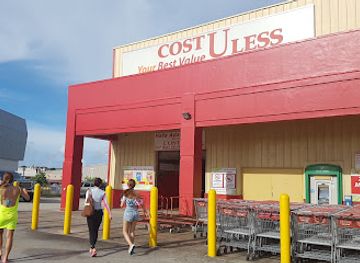
Shopping is central to Tamuning’s visitor economy, particularly around Tumon and the major retail corridors along Marine Corps Drive and Pale San Vitores Road. Large shopping complexes and duty-free stores sell fashion, cosmetics, jewellery, electronics and US- and Asian-oriented brands, reflecting Guam’s position as an American island destination with strong East Asian travel connections. The commercial scene also includes supermarkets, pharmacies, convenience stores and specialist businesses useful to residents and longer-stay visitors. Retail in Tumon is polished and tourism-focused, while inland Tamuning and Harmon feel more functional, with services and everyday shopping taking precedence over browsing. Visitors seeking local identity should look for Guam-made food products, Chamorro-inspired gifts and island crafts, while remembering that not every souvenir sold in the resort district is locally produced. The contrast between international retail and practical neighbourhood commerce is part of Tamuning’s character.
-
Clothing store
Ross Dress for Less
Shop affordable fashion and accessories at Ross Dress for Less in Guam, your go-to destination for budget-friendly clothing for the whole family.
13 min walk · 1.1 km from neighbourhood centre
-
Shopping mall
Tamuning Shopping Center
Explore Tamuning Shopping Center in Guam for a unique shopping experience blending local charm and international brands, perfect for every traveler.
11 min walk · 0.9 km from neighbourhood centre
-
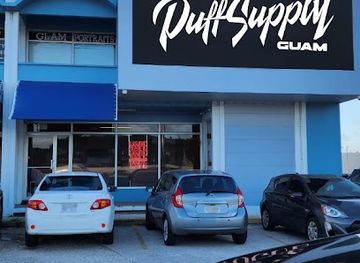
Cannabis store
Puff Supply - Tamuning
Discover the vibrant cannabis culture at Puff Supply in Tamuning, where quality products and expert advice await every visitor.
6 min walk · 0.5 km from neighbourhood centre
-
Thrift store
The Salvation Army Thrift Store
Explore unique finds at The Salvation Army Thrift Store in Tamuning, Guam - where every purchase helps support the community.
9 min walk · 0.7 km from neighbourhood centre

Tamuning essentials
Getting There
Getting Around
Safety
Emergency Situations
Do's and Don'ts
Local Tips

From Eve
Local phrases worth knowing
You don't need to get them perfect. A few words go a long way, and locals appreciate the effort.
Basics
| English | Local | Say it |
|---|---|---|
| Hello | Hafa Adai | [HA-fa a-DYE] |
| Goodbye | Adios | [a-DYOS] |
| Yes | Hao | [HOW] |
| No | Ti | [TEE] |
| Please/You're welcome | Fanatikos yan mo'bla'i | [FA-na-TEE-kos yan mo-bla-EE] |
| Thank you | Dångkolo na si Yu'us Ma'åse | [DANG-ko-lo na see YOOS ma-A-se] |
| Excuse me/Sorry | Dispensa | [dis-PEN-sa] |
| How are you? | Håfa tatatmanu hao? | [HA-fa ta-TAT-ma-nu HOW] |
| Fine. And you? | Megof na. Yan hao? | [ME-gof na. Yan HOW] |
| Do you speak English? | Kao un hao i Inglis? | [KOW un HOW ee ING-lis] |
| I don't understand | Ti hu tungo' | [TEE who TUNG-o] |
Eating & Drinking
| English | Local | Say it |
|---|---|---|
| I'd like to see the menu, please | Kao un na'ån-hu i menu, malångu | [KOW un na-YAN-hu ee ME-nu, ma-LANG-gu] |
| I don't eat meat | Ti hu kumuentos na karne | [TEE who koo-MEN-tos na KAR-ney] |
| Cheers! | Biba! | [BEE-ba] |
| I would like to pay, please | Kao un na'ån-hu i pago, malångu | [KOW un na-YAN-hu ee PA-go, ma-LANG-gu] |
Emergencies
| English | Local | Say it |
|---|---|---|
| Help! | Ayudame! | [a-yu-DA-me] |
| Go away! | Manhuyong! | [man-HU-yong] |
| Call the Police! | Tånggui i Polisia! | [TANG-gui ee po-LEE-sya] |
| Call a doctor! | Tånggui i man-maga'lahi! | [TANG-gui ee man-ma-GA-la-hee] |
| I'm lost | Hu guaha gi tåotao | [who GWA-ha gi ta-o-TAO] |
| I'm ill | Hu man-magof | [who man-MA-gof] |
Shopping
| English | Local | Say it |
|---|---|---|
| I'd like to buy... | Kao un na'ån-hu i kumpra... | [KOW un na-YAN-hu ee koom-PRA] |
| I'm just looking | Bai hu man-mira | [BAI who man-MEE-ra] |
| How much is it? | Kånton i precio? | [KAN-ton ee PRE-syo] |
| That's too expensive | Mungnga i precio | [MUNG-ngu ee PRE-syo] |
| Can you lower the price? | U ma'åggu i precio? | [OO ma-ANG-gu ee PRE-syo] |
Time & Numbers
| English | Local | Say it |
|---|---|---|
| What time is it? | Kånton i ora? | [KAN-ton ee OR-a] |
| It's one o'clock | U na ora | [oo na OR-a] |
| Half past (10) | Mitulu (10) | [mi-TU-lu (10)] |
| Morning | Manana | [ma-NA-na] |
| Afternoon | Mamamaila | [ma-ma-MAI-la] |
| Evening | Manenggeng | [ma-NENG-geng] |
| Yesterday | Gåi | [GAI] |
| Today | Åtdåo | [AT-dao] |
| Tomorrow | Mås | [MAS] |
| 1 | Månot | [MA-not] |
| 2 | Gualu | [GWA-lu] |
| 3 | Tulu | [TU-lu] |
| 4 | Fatfat | [FAT-fat] |
| 5 | Lima | [LEE-ma] |
| 6 | Gunum | [GU-num] |
| 7 | Fitu | [FI-tu] |
| 8 | Guålu | [GWA-lu] |
| 9 | Sigua | [SEE-gua] |
| 10 | Nånko | [NAN-ko] |
Transport & Directions
| English | Local | Say it |
|---|---|---|
| Where's a/the...? | Kåntotlok i... | [KAN-to-tlok ee] |
| What's the address? | Kåntotloka i direksion? | [KAN-to-tlo-ka ee dee-rek-syon] |
| Can you show me (on the map)? | U ma'åggu i mapanita? | [OO ma-ANG-gu ee ma-pan-NEE-ta] |
| When's the next (bus)? | Kåntotlok i siguiente (bus)? | [KAN-to-tlok ee see-gwen-tee (bus)] |
| A ticket (to ....) | Un ticket (gi ....) | [oon TI-ket (gi)] |
History of Tamuning
Chamorro Coastal Settlement
Before Spanish colonisation, the western coast of Guam was part of the homeland of the Indigenous Chamorro people, whose communities used coastal waters, reef resources and inland gardens. The name Tamuning is generally connected with Chamorro place-name traditions, although interpretations of local names can vary. The area’s modern appearance should not obscure this older cultural geography: beaches and bays were working landscapes as well as places of recreation, and movement between coastal settlements formed part of everyday island life.
Spanish and American Rule
Spanish rule reshaped Guam’s political and religious institutions from the seventeenth century, while later American administration introduced new systems of government, education and infrastructure. Tamuning remained outside the island’s principal historic settlement at Hagåtña, but roads and changing land administration gradually connected the western coastal area more closely with the capital and nearby villages. The neighbourhood’s later development therefore grew from broader island transformations rather than from a single colonial town centre.
War and Postwar Reconstruction
Guam’s strategic position brought major disruption during the Second World War, when Japanese occupation and the 1944 American recapture of the island profoundly affected communities across Guam. Postwar reconstruction expanded roads, utilities and military-related infrastructure, while population growth encouraged suburban development around Tamuning. The area increasingly served as a convenient urban link between Hagåtña, military installations and the commercial districts developing along the western coast.
The Rise of Tourism
From the late twentieth century, Guam developed a large visitor economy focused particularly on Tumon Bay and the Tamuning coastal corridor. Hotels, shopping centres, restaurants and marine attractions transformed land that had previously been more lightly developed, creating one of the island’s most recognisable tourism landscapes. Japanese and later Korean visitor markets strongly influenced retail, hospitality and food culture. Tamuning consequently became both a local residential municipality and a principal commercial gateway for Guam’s international visitors.
A Mixed Urban Coast Today
Contemporary Tamuning is defined by overlapping functions: resort accommodation near Tumon Bay, retail and business activity along major roads, public parks and beaches, and established residential areas inland. The municipality is formally known as Tamuning-Tumon-Harmon, reflecting the relationship between its principal local areas. Recent identity has been shaped by the need to balance tourism, traffic, coastal access and everyday community life, while Chamorro culture remains an important part of Guam’s food, language and public identity.
Tamuning in Photos
Browse through our photo collection highlighting the charm and character of the destination.
Neighbourhoods near Tamuning
The closest neighbourhoods to Tamuning, if you have time for more than one stop.

Swipe for more neighbourhoods
Explore more
Explore more of Tamuning
Tamuning, Guam blends Tumon Bay beaches, CHamoru heritage, island dining, shopping and Pacific sunsets for an easy coastal escape and culture.
Explore Tamuning