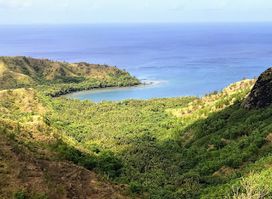
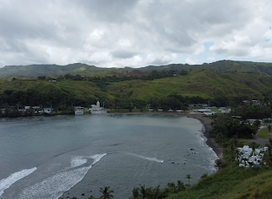
Fort Nuestra Señora de la Soledad, Umatac Bay Travel Guide
Explore Guam's Spanish colonial history at Fort Soledad, offering stunning views of Umatac Bay and a glimpse into the island's past.
Fort Soledad, perched high above Umatac Bay, offers a captivating journey into Guam's Spanish colonial era. Built in the early 19th century, this historic site provides stunning views and a tangible connection to the island's rich past as a vital stop on the Acapulco-Manila galleon trade route.
A brief summary to Fort Nuestra Señora de la Soledad
- 7MW6+22J, 2, Humåtak, GU
- Click to display

Know before you go
Hi, I'm Eve. Here are a few practical things to know before exploring Fort Nuestra Señora de la Soledad.
- Visit during the early morning or late afternoon for the best lighting for photography.
- Wear comfortable shoes, as the terrain can be uneven.
- Bring water and snacks, as facilities are limited around the fort.
- Take time to read the informational plaques to fully appreciate the fort's history.
Do you manage this location?
Take control to get all the benefits, like improved information, better appearance, and stronger visibility across AI-powered discovery. Learn more about listing your business on Evendo
Activate your presenceOther nearby places you may find interesting
The closest places of the same kind, if this one is not quite what you had in mind.
Explore Fort Nuestra Señora de la Soledad on the Map
A handpicked selection of must-see spots near Fort Nuestra Señora de la Soledad, mapped for you.
Unlock the Best of Fort Nuestra Señora de la Soledad
Buy tickets
-
No tickets available
Book tours with entry

Book tours without entry

Getting There
-
Driving
To reach Fort Soledad by car, head south on Route 1 (Marine Corps Drive). Before the Navy gate, turn left, where the road changes to Route 2. Continue south to Humåtak. Pass the Umatac Bridge, and you will soon see the entrance to Fort Soledad. Parking is available near the fort. There are no known tolls in this area.
-
Public Transport
From Ypao Beach Park, take a bus heading towards Agat or Humåtak. You can catch the bus from the main road near the park entrance. Check the bus schedule ahead of time. The bus fare is typically around $2.50. Once you arrive in Humåtak, you may need to walk approximately 0.5 miles to reach Fort Nuestra Señora de la Soledad. Ask locals for directions if you are unsure.
-
Taxi
Taxis are available in Guam, and can be found at hotels and shopping centers. From the airport to a hotel in Tumon, expect to pay around $38. The standard flag rate is $2.40, $4.00 for the first mile, and $0.80 every ¼ mile thereafter.
Discover more about Fort Nuestra Señora de la Soledad
More to explore near Fort Nuestra Señora de la Soledad
-

Best experiences near Fort Nuestra Señora de la Soledad
-

Best hotels near Fort Nuestra Señora de la Soledad
-

Best landmarks near Fort Nuestra Señora de la Soledad
-

Best shops near Fort Nuestra Señora de la Soledad
-

Best restaurants near Fort Nuestra Señora de la Soledad
-

Best bars near Fort Nuestra Señora de la Soledad







Your all‑in‑one travel companion app
Explore expert travel guides, compare and book tours, experiences, hotels, and more—all from the palm of your hand. Download now for seamless trip planning wherever your wanderlust takes you.


Explore More of Umatac Bay
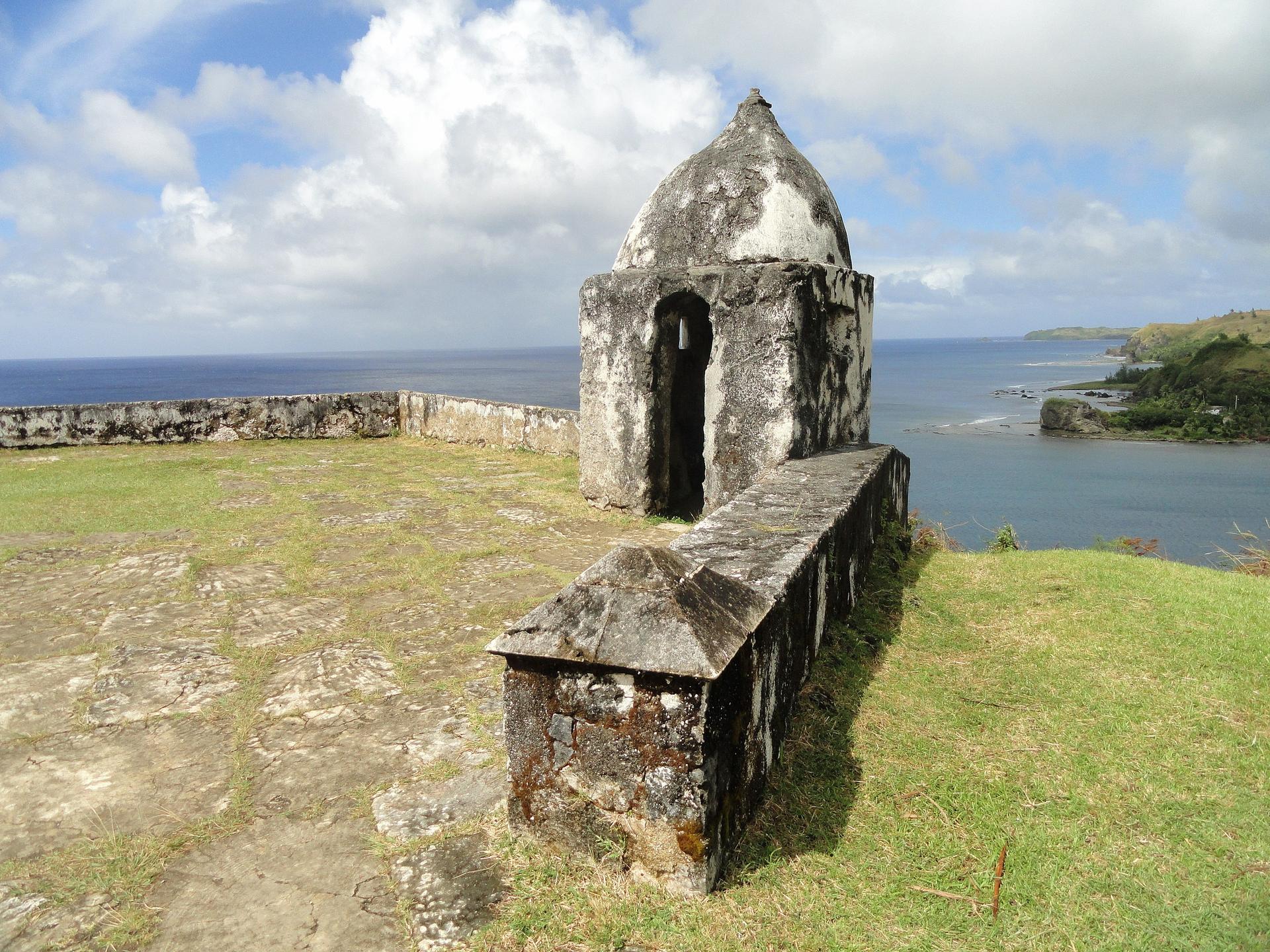
Looking beyond Fort Nuestra Señora de la Soledad? Discover Umatac Bay for broader travel guides, local hot-spots, and regional highlights.
Explore Umatac Bay