

Fermain Bay: A Serene Coastal Haven in Guernsey
Discover Fermain Bay in Guernsey: A tranquil coastal escape featuring crystal-clear waters, scenic walking trails, and a charming beach café, perfect for relaxation and adventure.
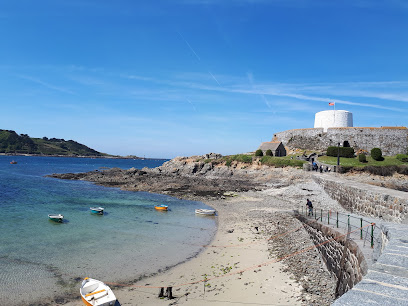
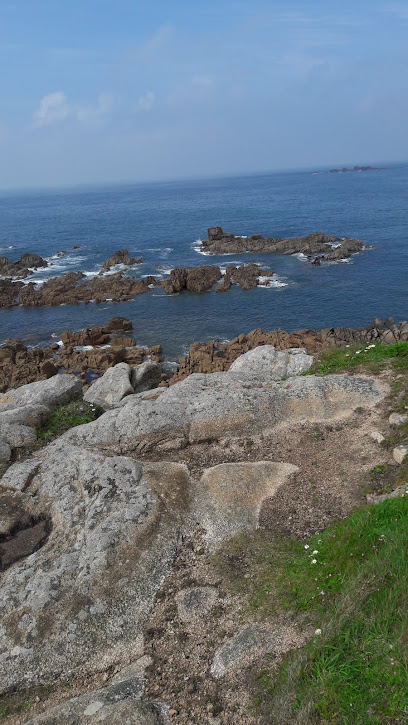
Fermain Bay, nestled on the eastern coast of Guernsey, is a secluded paradise that captivates visitors with its stunning natural beauty. The bay is a haven of tranquility, offering a perfect escape from the hustle and bustle of everyday life. Its pristine, pebble-strewn beach is framed by lush, green hills, creating a picturesque landscape that is ideal for relaxation and reflection. The bay's crystal-clear waters are perfect for swimming, kayaking, and paddleboarding, providing a refreshing retreat on warm, sunny days. Adventurous visitors can also explore the nearby coastal paths, which offer breathtaking views of the surrounding cliffs and sea. These paths are part of Guernsey's extensive network of walking trails, making Fermain Bay a popular spot for both casual strollers and avid hikers. In addition to its natural charm, Fermain Bay boasts a charming beach café that serves delicious local delicacies and refreshing beverages. It's the perfect spot to enjoy a leisurely meal while soaking in the stunning seaside scenery. Whether you're looking to unwind on the beach, engage in water sports, or take a scenic hike, Fermain Bay offers a delightful experience for all who visit.

Know before you go
Hi, I'm Eve. Here are a few practical things to know before exploring Fermain Bay.
- Visit early in the morning or late in the afternoon to avoid crowds and enjoy the bay's tranquility.
- Wear comfortable walking shoes if you plan to explore the coastal paths around the bay.
- Bring a picnic or enjoy a meal at the beach café, which offers stunning views of the bay.
- Check the tide schedule before visiting if you plan to swim or engage in water activities.


Fermain Bay: A Serene Coastal Haven in Guernsey
Fermain Bay, nestled on the eastern coast of Guernsey, is a secluded paradise that captivates visitors with its stunning natural beauty. The bay is a haven of tranquility, offering a perfect escape from the hustle and bustle of everyday life. Its pristine, pebble-strewn beach is framed by lush, green hills, creating a picturesque landscape that is ideal for relaxation and reflection. The bay's crystal-clear waters are perfect for swimming, kayaking, and paddleboarding, providing a refreshing retreat on warm, sunny days. Adventurous visitors can also explore the nearby coastal paths, which offer breathtaking views of the surrounding cliffs and sea. These paths are part of Guernsey's extensive network of walking trails, making Fermain Bay a popular spot for both casual strollers and avid hikers. In addition to its natural charm, Fermain Bay boasts a charming beach café that serves delicious local delicacies and refreshing beverages. It's the perfect spot to enjoy a leisurely meal while soaking in the stunning seaside scenery. Whether you're looking to unwind on the beach, engage in water sports, or take a scenic hike, Fermain Bay offers a delightful experience for all who visit.
Explore the best of what Fermain Bay has to offer









When is the best time to go to Fermain Bay?
Iconic landmarks you can’t miss

Castle Cornet
Discover the historical significance and breathtaking views at Castle Cornet, Guernsey's iconic fortress and museum.
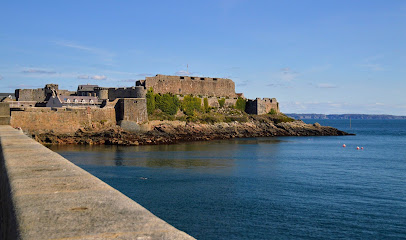
Saumarez Park
Experience the natural beauty of Saumarez Park in Guernsey, with its landscaped gardens, picnic spots, and tranquil walking paths, perfect for a relaxing day out.
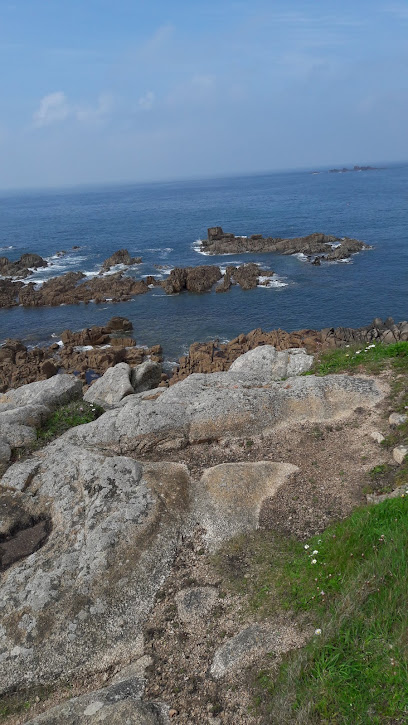
German Occupation Museum
Discover Guernsey's wartime past at the German Occupation Museum, where history comes alive through immersive exhibits and personal stories.
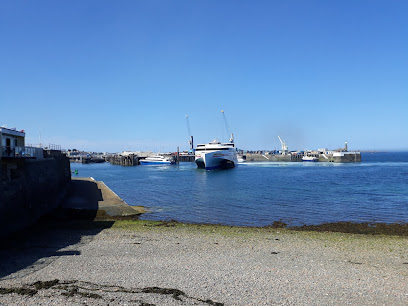
Sausmarez Manor
Explore Sausmarez Manor: A Historic Gem in Guernsey with Stunning Gardens and Rich Heritage.
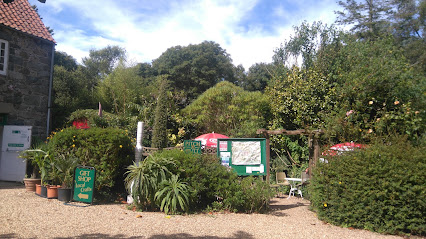
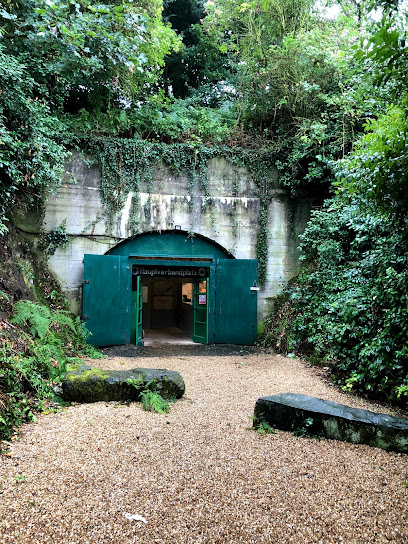
German Underground Hospital
Uncover the secrets of wartime history at the German Underground Hospital in Guernsey, a captivating museum revealing life during World War II.
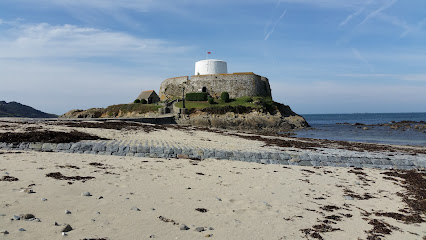
Fort Grey Shipwreck Museum
Explore Guernsey's maritime history at Fort Grey Shipwreck Museum, where shipwreck stories come to life amidst stunning coastal views.
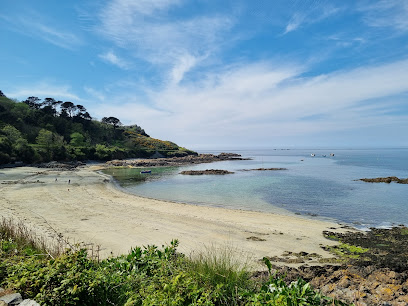
Portelet Bay
Discover the serene beauty of Portelet Bay, a stunning public beach in Guernsey known for its golden sands, clear waters, and breathtaking coastal scenery.
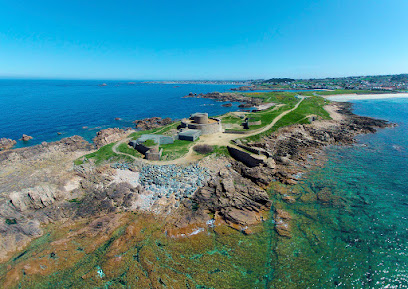
Fort Hommet
Explore Fort Hommet, Guernsey's historical fortress, where breathtaking views and rich military history await every visitor.
Vale Castle
Explore the historic Vale Castle in Guernsey, offering breathtaking views, rich heritage, and a perfect blend of history and scenic beauty.
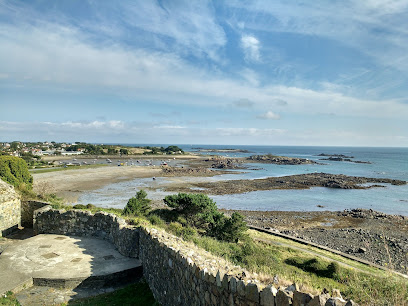
Moulin Huet Bay
Experience the serene beauty of Moulin Huet Bay, a tranquil public beach in Guernsey, perfect for relaxation and scenic views.
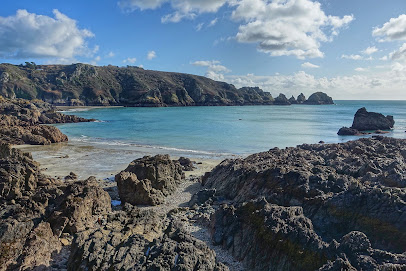
La Valette Underground Military Museum
Discover the intriguing military history of Guernsey at La Valette Underground Military Museum, where fascinating exhibits await every visitor.
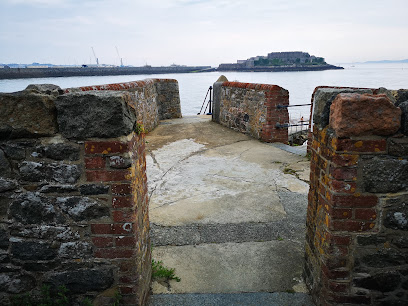
Petit Port
Experience the tranquil beauty of Petit Port, Guernsey's hidden beach gem, perfect for relaxation, exploration, and stunning sunsets.
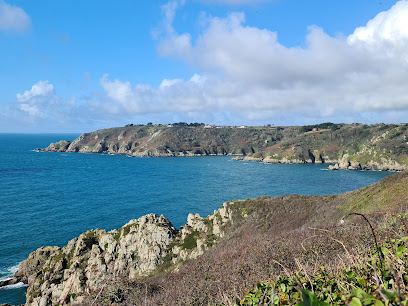
German Naval Signals HQ
Explore the rich history of Guernsey at the German Naval Signals HQ, where World War II comes to life through engaging exhibits and guided tours.
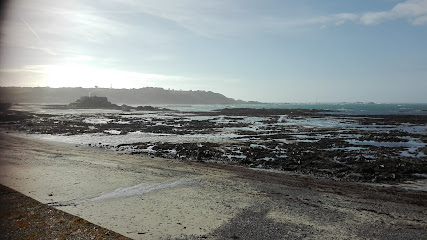
Bluebell Woods
Explore the serene beauty of Bluebell Woods, Guernsey's enchanting nature preserve, famous for its stunning bluebell displays and tranquil paths.
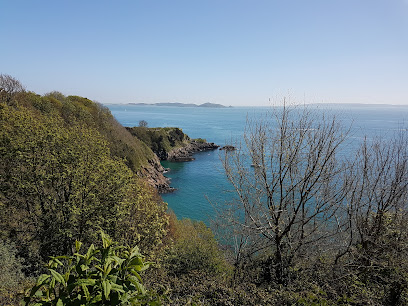
Victoria Tower
Explore Victoria Tower in Guernsey, a historical landmark offering stunning views and rich heritage, perfect for every tourist's itinerary.
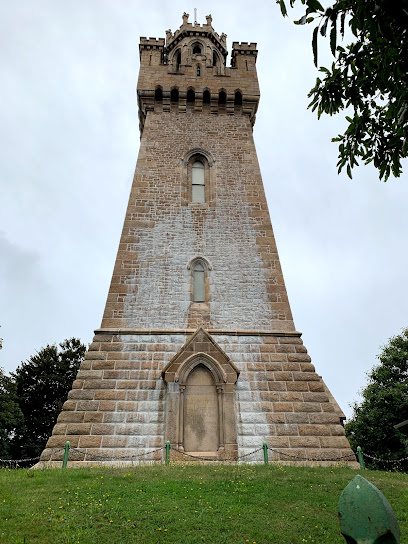
Unmissable attractions to see

Castle Cornet
Explore Guernsey's iconic Castle Cornet: 800 years of history, museums, gardens, and stunning harbor views await!
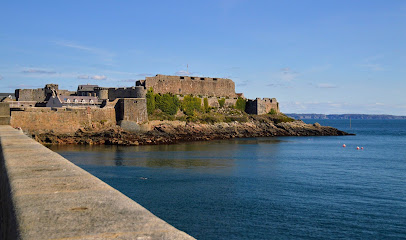
The Little Chapel
Discover Guernsey's enchanting Little Chapel, a miniature marvel adorned with mosaics of seashells, pebbles, and broken china. A unique and inspiring landmark.
Saumarez Park
Explore Guernsey's largest public park with gardens, history, and family fun, open year-round from dawn till dusk.
German Occupation Museum
Experience Guernsey's wartime history through poignant exhibits and personal stories at the German Occupation Museum.
Sausmarez Manor
Explore Guernsey's grandest stately home: a historic manor with gardens, sculptures, and family fun for an unforgettable island experience.
German Underground Hospital
Explore the depths of Guernsey's WWII history at the German Underground Hospital, a chilling and fascinating subterranean complex.
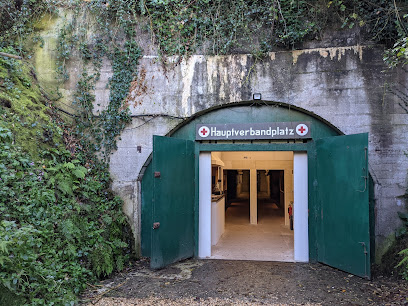
Petit Bot Tearooms
Relax and rejuvenate at Petit Bot Tearooms, a charming café in a stunning Guernsey bay, offering delightful treats and scenic views.
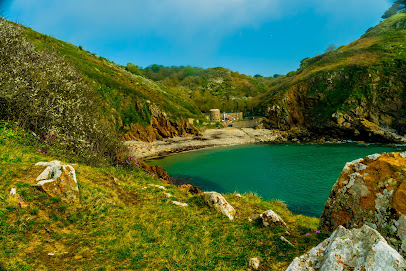
Fort Grey Shipwreck Museum
Explore Guernsey's maritime past at Fort Grey Shipwreck Museum, housed in a historic Martello tower with stunning coastal views.
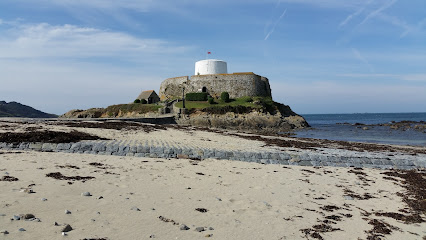
St. Peter Port Harbour
Discover Guernsey's vibrant heart at St. Peter Port Harbour: a blend of history, stunning scenery, and lively maritime culture.
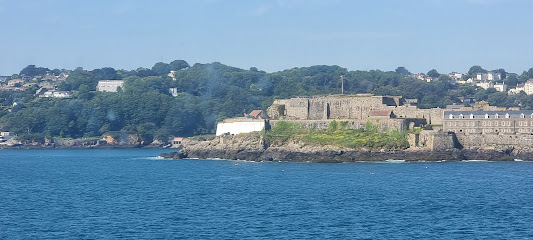
Fort Hommet
Explore Guernsey's Fort Hommet: a historic fortress with Martello tower, WWII bunkers, and stunning coastal views on Vazon Bay headland.
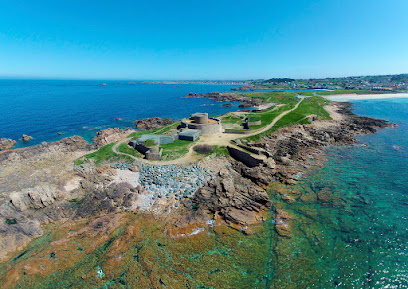
Beaucette Marina
Discover Guernsey's hidden gem: a tranquil marina transformed from a historic granite quarry, offering stunning views and maritime charm.
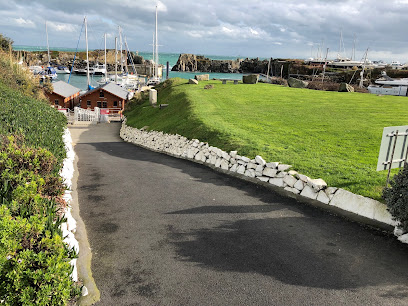
La Vallette Bathing Pools
Historic Victorian bathing pools in Guernsey offering a unique saltwater swimming experience with stunning coastal views and family-friendly facilities.
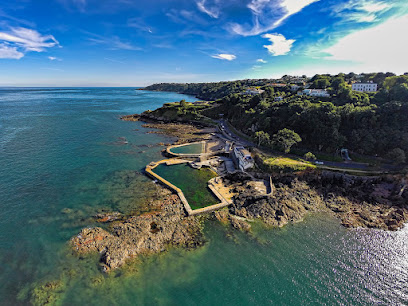
La Valette Underground Military Museum
Explore Guernsey's WWII history in authentic underground tunnels. Discover military artifacts and stories of the German occupation at La Valette Museum.
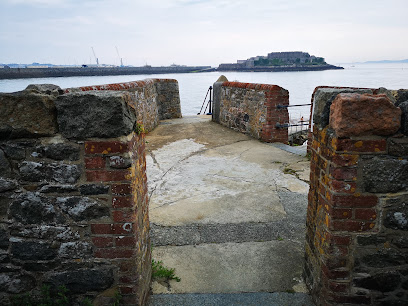
German Naval Signals HQ
Explore a preserved WWII German naval bunker in Guernsey, offering a unique glimpse into wartime communications and island occupation history.
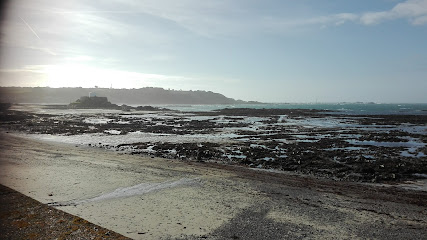
Delancey Park
Enjoy stunning island views, playgrounds, and recreational activities at this popular Guernsey park. Perfect for families and outdoor enthusiasts.
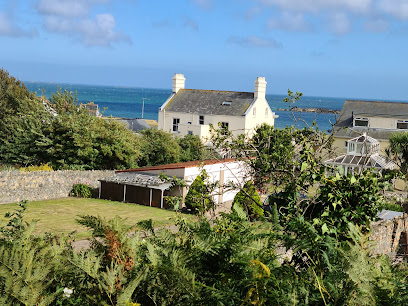
Essential places to dine

Crabby Jack's
Experience coastal dining at its finest at Crabby Jack's in Guernsey, where fresh seafood meets stunning bay views.
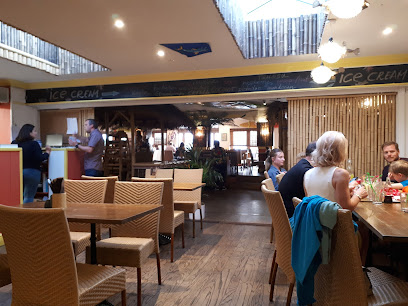
Thomas De La Rue
Experience the heart of Guernsey at Thomas De La Rue – where delicious food meets a lively pub atmosphere.
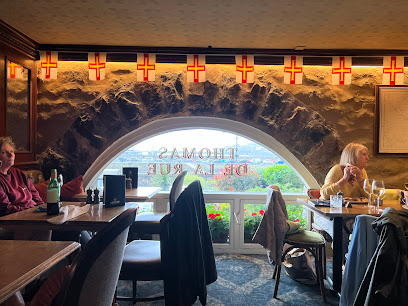
Octopus Restaurant
Experience exquisite seafood dining with stunning views at Octopus Restaurant in St. Peter Port, Guernsey.
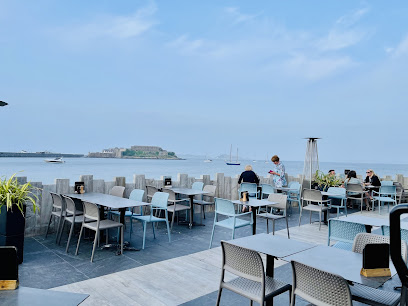
The Terrace Garden Cafe
Discover authentic Thai cuisine and cozy ambiance at The Terrace Garden Cafe in Guernsey—perfect for food lovers seeking unique dining experiences.
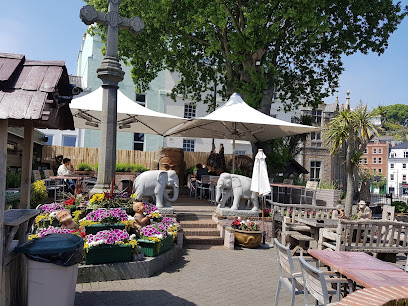
Cobo Bay Hotel & The Beach Terrace
Experience coastal luxury at Cobo Bay Hotel & The Beach Terrace in Guernsey - where relaxation meets stunning seaside views.

Le Nautique Restaurant
Experience exquisite seafood dining at Le Nautique Restaurant in St Peter Port, where fresh local ingredients meet stunning harbor views.
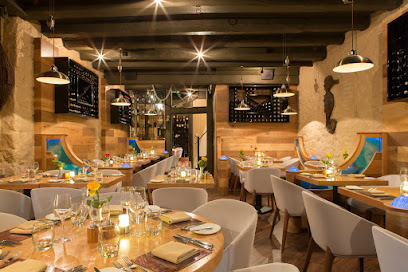
Fleur du Jardin
Discover the charm of Fleur du Jardin: your perfect hotel getaway in Castel, Guernsey with delightful dining and vibrant pub experiences.
The Queens Inn - Randalls
Experience exquisite dining at The Queens Inn in Guernsey – where local flavors meet exceptional hospitality.
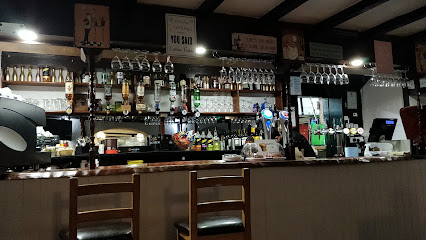
The Farmhouse
Experience luxury accommodations and exquisite dining at The Farmhouse in beautiful Guernsey - your gateway to island adventures.
Fermain Valley Hotel
Experience luxury and serenity at Fermain Valley Hotel in Guernsey - where exquisite dining meets breathtaking landscapes.
The Doghouse
Experience the best of Guernsey's culinary scene at The Doghouse - where delicious grill dishes meet vibrant live music in a cozy atmosphere.
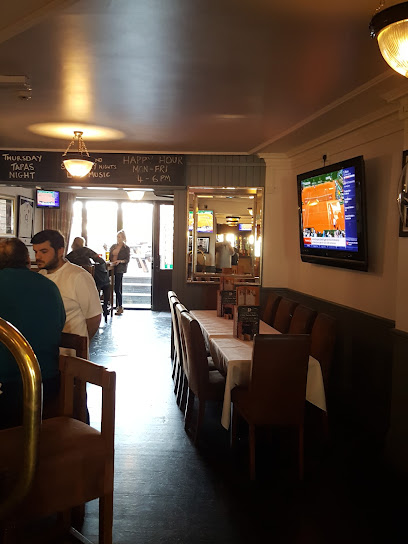
Pier 17 Restaurant
Discover coastal culinary delights at Pier 17 Restaurant in Guernsey - where fresh seafood meets stunning waterfront views.
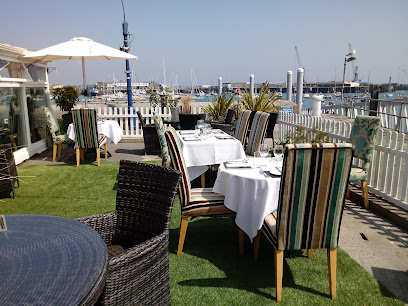
La Barbarie Hotel
Experience tranquility and exceptional service at La Barbarie Hotel in St. Martins, Guernsey—your gateway to island adventures.
The Pony Inn & Brasserie
Experience the best of Guernsey's culinary scene at The Pony Inn & Brasserie - a perfect blend of gastropub charm and delightful flavors.
Búho
Discover Búho in Guernsey – where authentic Mexican cuisine meets vibrant atmosphere for an unforgettable dining experience.
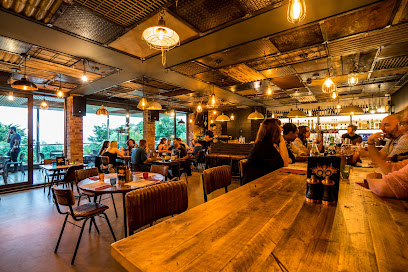
Markets, malls and hidden boutiques

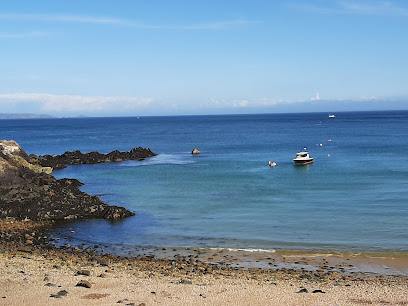
The Beach Cafe
Experience the coastal charm of The Beach Café in Guernsey, serving delightful meals and refreshing ice creams with stunning ocean views.
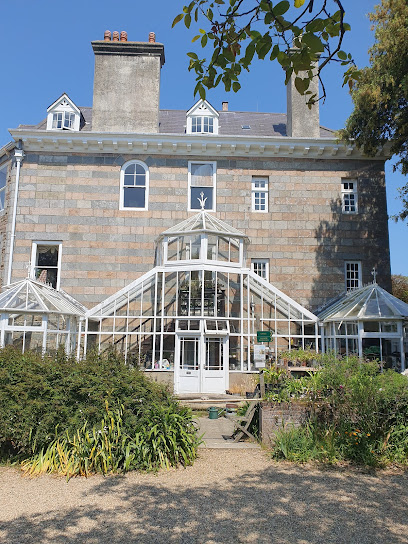
Sausmarez Manor
Explore Sausmarez Manor - a historic manor house in Guernsey offering rich heritage, stunning gardens, and a glimpse into island life.
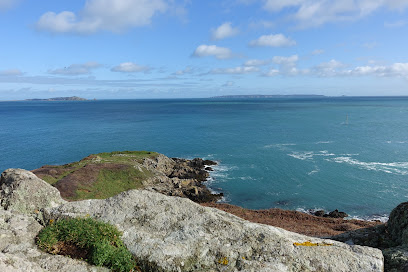
Jerbourg Kiosk
Discover Jerbourg Kiosk, a charming café in Guernsey offering delightful refreshments and breathtaking coastal views.
Petit Bot Tearooms
Experience the idyllic charm of Petit Bot Tearooms, where delightful flavors meet breathtaking views in Guernsey's stunning coastal landscape.
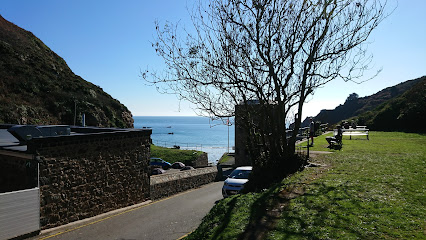
Fermain Valley Hotel
Discover luxury and breathtaking views at Fermain Valley Hotel, the perfect getaway in Guernsey's serene landscapes.
Le Gouffre Café
Experience the delightful ambiance and delicious menu of Le Gouffre Café in Guernsey, where every bite is a taste of local charm.
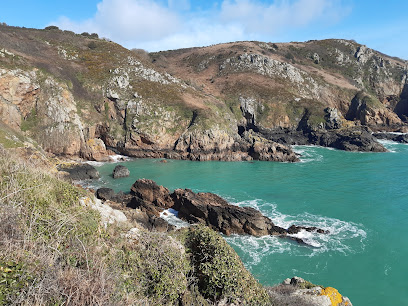
Port Soif Kiosk
Experience the charm of Port Soif Kiosk, a coastal café in Guernsey offering breathtaking views and delicious local treats.
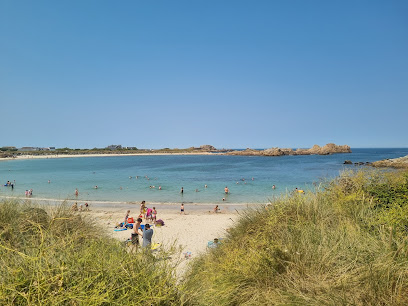
Portelet Bay
Explore the tranquil beauty of Portelet Bay, a public beach in Guernsey perfect for relaxation and coastal adventures amidst stunning scenery.
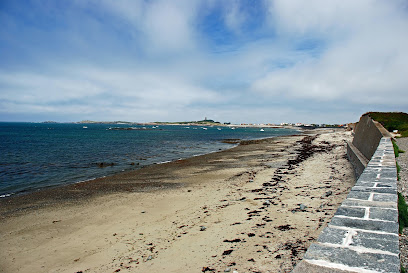
Guernsey Candles
Explore Guernsey Candles, your destination for exquisite handcrafted candles and unique gifts, embodying the spirit of Guernsey.
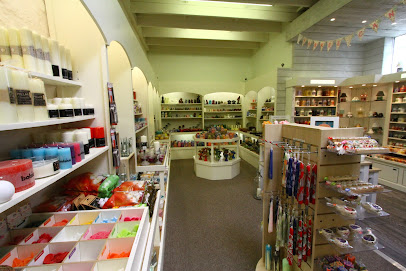
Moulin Huet Bay
Discover the breathtaking beauty of Moulin Huet Bay, Guernsey's hidden beach gem with stunning views and rich marine life.
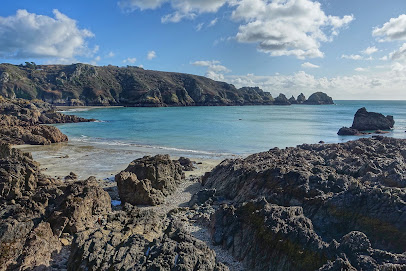
Ziggurat Hotel & Restaurant
Experience the perfect blend of comfort and culinary delight at Ziggurat Hotel & Restaurant, a coastal treasure in Guernsey.
Petit Port
Explore the stunning natural beauty of Petit Port, a serene public beach in Guernsey perfect for relaxation and family fun.
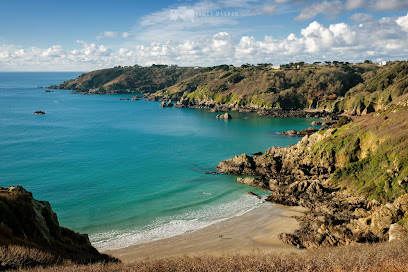
Vazon Bay
Discover the beauty of Vazon Bay, Guernsey's public beach, where golden sands meet stunning coastal views for a perfect day of relaxation.
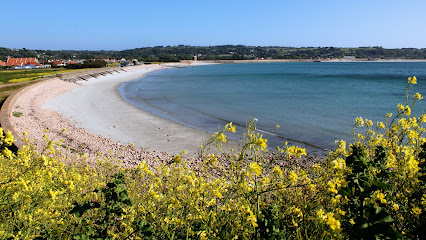
Bluebell Woods
Explore the enchanting Bluebell Woods in Guernsey, a tranquil nature preserve filled with vibrant blooms and serene walking paths.
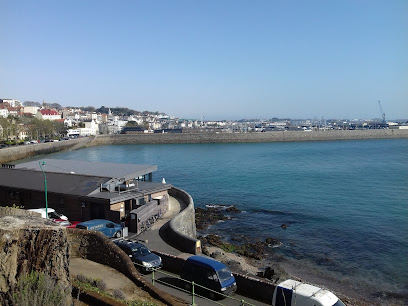
Rocquette Cider Farm
Experience the essence of Guernsey at Rocquette Cider Farm, where handcrafted ciders and beautiful orchards await your visit.
Essential bars & hidden hideouts

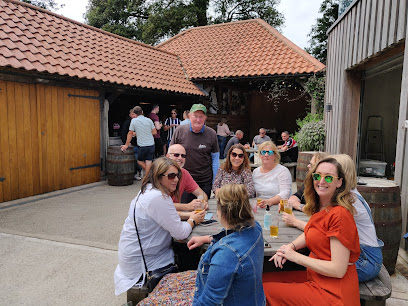
The Rockmount - Randalls
Discover the coastal culinary delight of The Rockmount - Randalls, where local flavors meet stunning views on Guernsey's Côbo Coast.
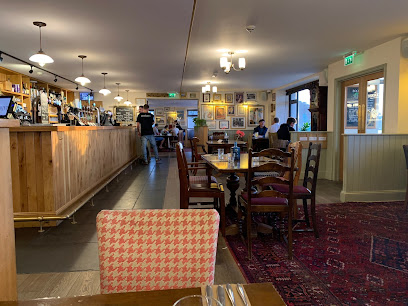
Thomas De La Rue
Discover the vibrant atmosphere of Thomas De La Rue, Guernsey's premier gastropub, blending local flavors with a welcoming pub experience.
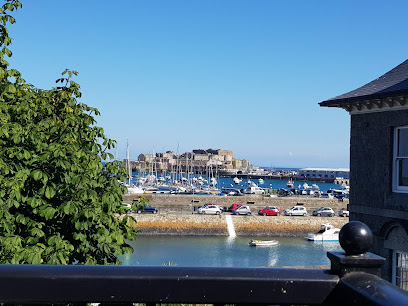
Ship & Crown
Discover the vibrant atmosphere and delicious cuisine at Ship & Crown, a premier dining destination in Guernsey's scenic Esplanade.
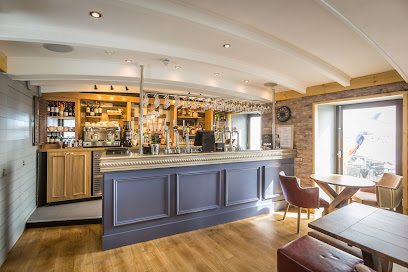
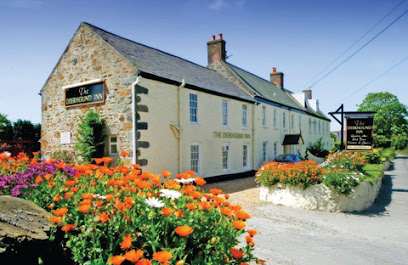
The Deerhound
Discover the charm of The Deerhound, a cozy gastropub in Guernsey offering delicious local cuisine and a welcoming atmosphere.
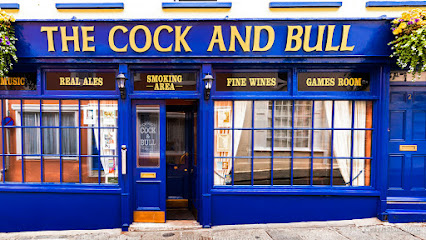
The Cock and Bull
Discover the lively atmosphere of The Cock and Bull, a beloved pub in St. Peter Port, Guernsey, known for its great beers and live music.
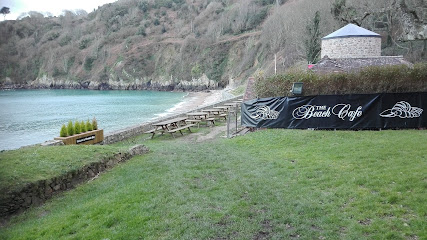
The Beach Cafe
Discover the charm of The Beach Cafe in Guernsey, where delicious cuisine meets stunning ocean views, perfect for every traveler.
The Doghouse
Experience the best of Guernsey at The Doghouse, a vibrant gastropub offering delicious grilled dishes and live music in a welcoming atmosphere.
The Pony Inn & Brasserie
Experience the best of Guernsey's culinary scene at The Pony Inn & Brasserie, a charming gastropub with delicious food and a welcoming atmosphere.
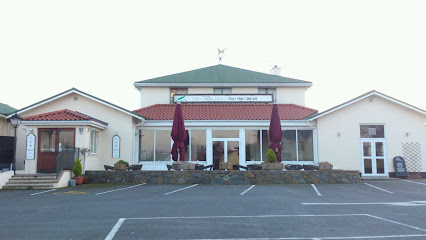
CORNERSTONE Social House
Discover the culinary charm of CORNERSTONE Social House, a premier gastropub in St. Peter Port, offering a delightful menu and inviting atmosphere.
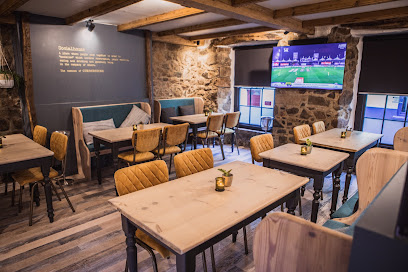
The Rock Garden
Discover The Rock Garden in Guernsey, where exquisite steaks and stunning views create an unforgettable dining experience.
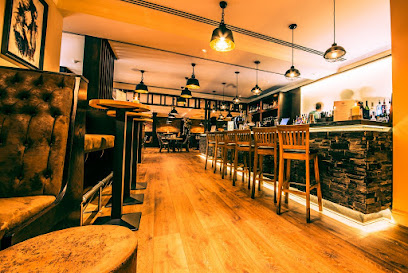
Pickled Pig
Experience the best of Guernsey's culinary scene at Pickled Pig, where fresh ingredients and local flavors come together for a delightful dining experience.
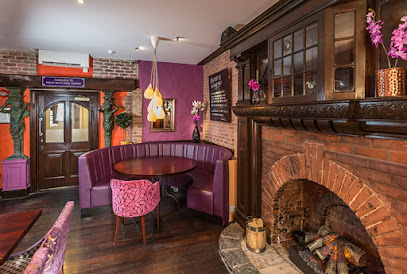
Albion House Tavern
Discover the vibrant atmosphere of Albion House Tavern, a beloved pub in Guernsey offering a diverse menu and an extensive drink selection.
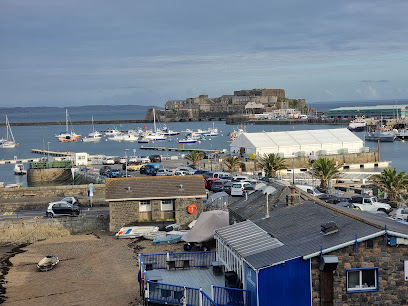
The Swan Inn
Discover the charm of The Swan Inn, a cozy bar in Guernsey offering a delightful selection of drinks and a friendly atmosphere for all visitors.
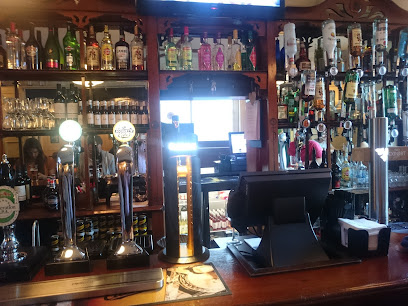
The Red Lion - Randalls
Experience the charm of The Red Lion pub in Guernsey, where local culture meets delightful drinks and hearty meals in a cozy atmosphere.
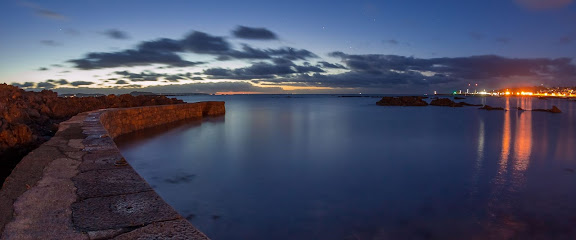
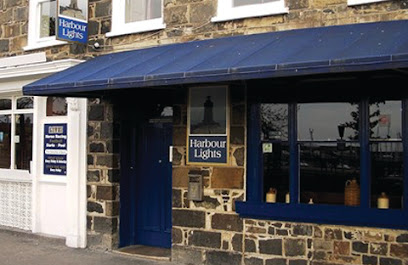
Harbour Lights
Experience the charm of Harbour Lights, a maritime pub in St. Peter Port, offering local ales and stunning harbor views.


Local Phrases about Fermain Bay
You don't need to speak the language perfectly. Even learning a few simple words can make conversations warmer—and locals usually appreciate the effort.
— Eve

Here are the phrases I use most often in Fermain Bay. Try a few—you'll be surprised how far they go! 😊
❤️
-
- HelloSalut
[saˈluː] - GoodbyeAu revoir
[o ʁə.vwaʁ] - YesOui
[wi] - NoNon
[nɔ̃] - Please/You're welcomeS'il vous plaît / De rien
[sil vu plɛ / də ʁjɛ̃] - Thank youMerci
[mɛʁ.si] - Excuse me/SorryPardon/Désolé
[paʁ.dɔ̃ / de.zɔ.le] - How are you?Comment ça va?
[kɔ.mɑ̃ sa va] - Fine. And you?Bien. Et toi?
[bjɛ̃ e twa] - Do you speak English?Parlez-vous anglais?
[paʁ.le vu ɑ̃.ɡlɛ] - I don't understandJe ne comprends pas
[ʒə nə kɔ̃.pʁɑ̃ pa]
- HelloSalut
-
- I'd like to see the menu, pleaseJe voudrais voir le menu, s'il vous plaît
[ʒə vu.dʁɛ vwaʁ lə mə.ny sil vu plɛ] - I don't eat meatJe ne mange pas de viande
[ʒə nə mɑ̃ʒ pa də vjɑ̃d] - Cheers!Santé!
[sɑ̃.te] - I would like to pay, pleaseJe voudrais payer, s'il vous plaît
[ʒə vu.dʁɛ pe.je sil vu plɛ]
- I'd like to see the menu, pleaseJe voudrais voir le menu, s'il vous plaît
-
- Help!Au secours!
[o sə.kuʁ] - Go away!Allez-vous en!
[a.le vu ɑ̃] - Call the Police!Appelez la police!
[a.pə.le la pɔ.lis] - Call a doctor!Appelez un médecin!
[a.pə.le œ̃ mɛd.sɛ̃] - I'm lostJe suis perdu
[ʒə sɥi pɛʁ.dy] - I'm illJe suis malade
[ʒə sɥi ma.lad]
- Help!Au secours!
-
- I'd like to buy...Je voudrais acheter...
[ʒə vu.dʁɛ zaʃ.te] - I'm just lookingJe regarde juste
[ʒə ʁə.ɡaʁd ʒyst] - How much is it?Combien ça coûte?
[kɔ̃.bjɛ̃ sa kut] - That's too expensiveC'est trop cher
[se tʁo ʃɛʁ] - Can you lower the price?Pouvez-vous baisser le prix?
[pu.ve vu bɛ.se lə pʁi]
- I'd like to buy...Je voudrais acheter...
-
- What time is it?Quelle heure est-il?
[kɛl œʁ ɛ til] - It's one o'clockIl est une heure
[il ɛt yn œʁ] - Half past (10)Dix et demi
[di.z‿e.də.mi] - MorningMatin
[ma.tɛ̃] - AfternoonAprès-midi
[a.pʁɛ mi.di] - EveningSoir
[swaʁ] - YesterdayHier
[jɛʁ] - TodayAujourd'hui
[o.ʒuʁ.d‿ɥi] - TomorrowDemain
[də.mɛ̃] - 1Un
[œ̃] - 2Deux
[dø] - 3Trois
[tʁwa] - 4Quatre
[katʁ] - 5Cinq
[sɛ̃k] - 6Six
[si] - 7Sept
[sɛt] - 8Huit
[ɥit] - 9Neuf
[nœf] - 10Dix
[di]
- What time is it?Quelle heure est-il?
-
- Where's a/the...?Où est le/la...?
[u ɛ lə/la] - What's the address?Quelle est l'adresse?
[kɛl ɛ l‿a.dʁɛs] - Can you show me (on the map)?Pouvez-vous me montrer (sur la carte)?
[pu.ve vu mə mɔ̃.tʁe syʁ la kaʁt] - When's the next (bus)?Quand est le prochain (bus)?
[kɑ̃ ɛ lə pʁɔ.ʃɛ̃ bys] - A ticket (to ....)Un billet (pour ....)
[œ̃ bi.jɛ (puʁ)]
- Where's a/the...?Où est le/la...?
History of Fermain Bay
-
Fermain Bay's secluded location and natural defenses made it an ideal spot for medieval fortifications. The bay was often used as a safe haven for local fishermen and traders, who could find refuge from pirates and invaders. Evidence of these early fortifications can still be found in the form of ancient stone walls and remnants of watchtowers that dot the landscape.
-
During the Napoleonic Wars, the British constructed Fort Fermain to protect the island from potential French invasions. The fort, perched on the cliffs above the bay, offered strategic advantage points for monitoring sea traffic and launching defensive operations. Today, visitors can explore the remains of Fort Fermain and imagine the tense watch kept over the English Channel during this turbulent period.
-
Fermain Bay played a significant role during World War II when the Channel Islands were occupied by German forces. The occupying troops built extensive fortifications, bunkers, and tunnels in and around the bay, transforming it into a heavily fortified area. These structures were part of Hitler’s Atlantic Wall and can still be explored by those interested in wartime history. The bay's serene beauty stands in stark contrast to its wartime past.
-
Fermain Bay has long been associated with tales of smuggling. The bay’s secluded coves and hidden pathways provided the perfect cover for smugglers looking to evade customs officials. Local folklore is rich with stories of daring escapades, secret tunnels, and hidden treasures. These tales add an air of mystery and adventure to the bay, captivating visitors with stories of its illicit past.
-
In recent years, Fermain Bay has been the focus of significant conservation efforts aimed at preserving its natural beauty and historical significance. Local organizations have worked tirelessly to maintain the bay’s pristine environment while also protecting its historical landmarks. These efforts ensure that Fermain Bay remains a treasured destination for future generations to explore and enjoy.
Fermain Bay Essentials
-
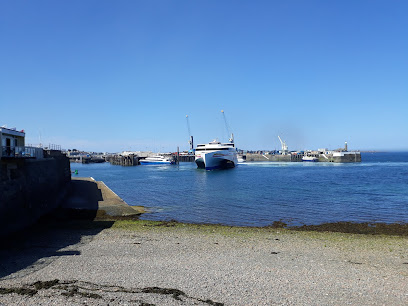
Fermain Bay is located on the east coast of Guernsey, one of the Channel Islands. The nearest airport is Guernsey Airport (GCI), which has regular flights from major UK cities and some European destinations. From the airport, you can take a taxi or a bus to Fermain Bay. Alternatively, you can take a ferry to St. Peter Port from the UK or France. From St. Peter Port, Fermain Bay is a short drive or a picturesque coastal walk away.
-
Guernsey has a reliable and affordable bus service that can take you to various points on the island, including Fermain Bay. Taxis are also available and can be booked in advance or found at taxi ranks in St. Peter Port. If you prefer to explore at your own pace, consider renting a car or a bicycle. Walking is also a great way to experience the scenic beauty of the bay and its surroundings.
-
The official currency in Guernsey is the Guernsey pound (GGP), which is on par with the British pound sterling (GBP). Both currencies are accepted on the island. Credit and debit cards are widely accepted in hotels, restaurants, and shops. ATMs are available in St. Peter Port and other major locations. It is advisable to carry some cash for smaller establishments and rural areas.
-
Fermain Bay and Guernsey, in general, are very safe for tourists. Crime rates are low, and violent crime is rare. However, it is always wise to take general precautions such as keeping an eye on your belongings and avoiding isolated areas at night. There are no specific high-crime areas targeting tourists in Guernsey.
-
In case of an emergency, dial 999 or 112 for immediate assistance. Guernsey has well-equipped medical facilities, including the Princess Elizabeth Hospital in St. Martin. Pharmacies are available for minor health issues. It is recommended to have travel insurance that covers medical emergencies. For non-urgent police matters, you can contact the local police station in St. Peter Port.
-
Fashion: Do dress comfortably and appropriately for the weather. Casual attire is generally accepted, but avoid overly revealing clothing. Religion: Guernsey is predominantly Christian, and it is important to respect local customs, especially in religious sites. Public Transport: Do have the correct fare ready when using buses. Don't eat or drink on public transport. Greetings: Do greet people with a friendly 'hello' or 'good day'. A handshake is common when meeting someone for the first time. Eating & Drinking: Do try local dishes such as Guernsey Gâche and fresh seafood. Don't leave a large tip, as service charges are often included.
-
To experience Fermain Bay like a local, take the coastal path from St. Peter Port to Fermain Bay, which offers stunning views and a chance to see local wildlife. Visit the Fermain Beach Café for delicious local cuisine and a relaxed atmosphere. Engage with locals, as they are friendly and often willing to share stories about the area. Don't miss the opportunity to explore the nearby Fermain Tower, a historic fortification with panoramic views.
Trending Landmarks in Fermain Bay
Nearby Cities to Fermain Bay
-
 Things To Do in St. Peter Port
-
Things To Do in St. Andrew
-
Things To Do in Forest
-
Things To Do in St. Sampson
-
Things To Do in Castel
-
Things To Do in Vale
-
Things To Do in St. Saviour
-
Things To Do in St. Anne
-
Things To Do in St. Ouen
-
Things To Do in St. Peter
-
Things To Do in St. Brelade
-
Things To Do in St. Lawrence
-
Things To Do in St. Aubin
-
Things To Do in Trinity
-
Things To Do in St. Helier