Ka Ule o Nanahoa: A Fertility Stone with a View
Discover Molokai's Pālāʻau State Park: panoramic views of Kalaupapa, the culturally significant Ka Ule o Nanahoa fertility stone, and serene ironwood groves.
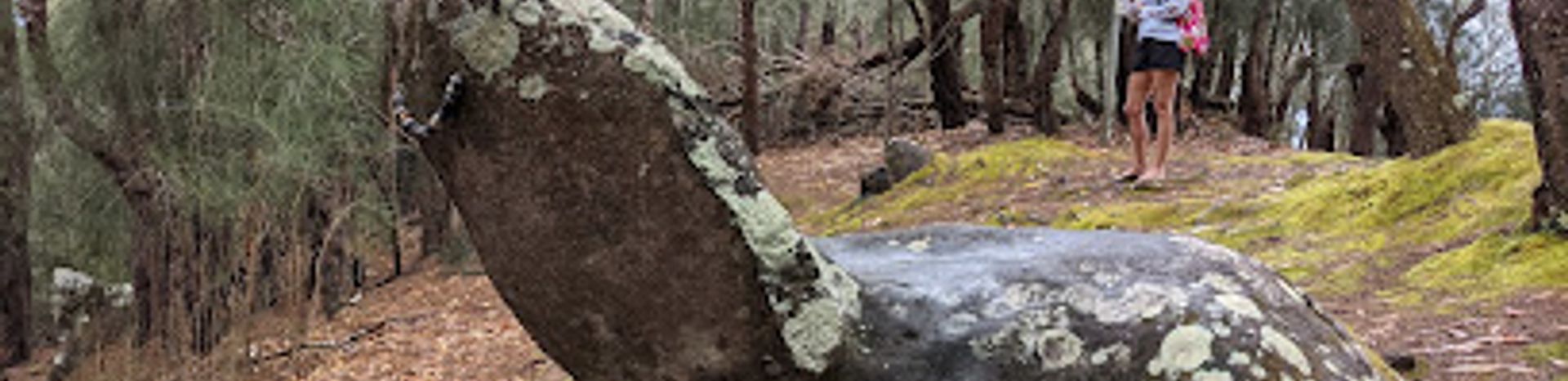
Ka Ule o Nanahoa, also known as the Phallic Rock, is a culturally significant site located within Pālāʻau State Park on the island of Molokai. This unique rock formation, resembling male genitalia, is steeped in Hawaiian legend and tradition, believed to enhance fertility. Historically, women would come to this sacred site to offer gifts and prayers to Nanahoa, the Hawaiian god of fertility, hoping to conceive. Even today, visitors continue to leave flower leis and other offerings at the base of the rock. The park also offers stunning panoramic views of the Kalaupapa Peninsula, adding to the allure of this historical landmark. A visit here provides a glimpse into ancient Hawaiian beliefs and practices, set against the backdrop of Molokai's natural beauty.
A brief summary to Ka Ule o Nanahoa
- Pālāʻau State Park, Highway 47, Molokai, Ho'olehua, HI, 96729, US
- +1808-567-6083
- Visit website
Local tips
- Visit early in the morning for the clearest views of the Kalaupapa Peninsula, as clouds often roll in later in the day.
- Bring insect repellent, as mosquitoes can be prevalent in the ironwood grove.
- Wear sturdy shoes for the unpaved trail to Ka Ule o Nanahoa, which can be uneven and have exposed roots.
- Pack a picnic to enjoy at one of the shaded picnic tables within the park.
- Check the DLNR website for any alerts or closures before visiting.

Getting There
-
Driving
Pālāʻau State Park is located at the end of Highway 47 (Kalae Highway), approximately 10 miles northwest of Kaunakakai. From Kaunakakai, follow Highway 460 west, then turn onto Highway 470 (Kalae Highway) and continue to the end of the road. The drive takes about 20-30 minutes. There is ample free parking available at the park's parking lot near the Kalaupapa Lookout and the trailhead for Ka Ule o Nanahoa.
-
Public Transport
The Molokai public shuttle bus (MEO) has limited service to the north shore. Check the MEO website for the most up-to-date schedules and routes. If the shuttle is running, you can take it from Kaunakakai towards Kalae and ask the driver to stop at the closest point to Pālāʻau State Park. From there, it will be necessary to walk or hitchhike the remaining distance to the park. Donations to keep the shuttle going are graciously accepted. Due to the limited public transport options, renting a car is highly recommended for visiting Pālāʻau State Park.
Discover more about Ka Ule o Nanahoa
Unmissable attractions to see

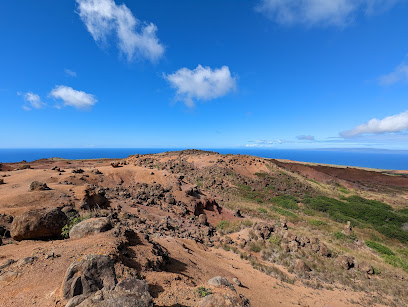
Keahiakawelo (Garden of the Gods)
33.0 km
Explore the enchanting landscapes of Keahiakawelo, the Garden of the Gods in Lanai, Hawaii—an unforgettable journey into nature's artistry.
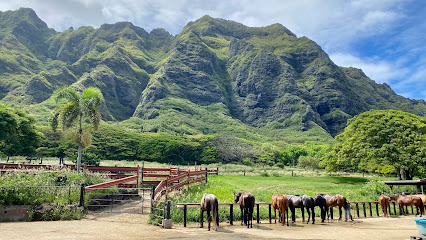
Kualoa Ranch
95.5 km
Experience the breathtaking beauty and thrilling adventures at Kualoa Ranch, a premier destination for tourists in Hawaii.
Essential places to dine

Paddlers Restaurant and Bar
9.7 km
Experience authentic Hawaiian flavors at Paddlers Restaurant and Bar in Kaunakakai—where culinary excellence meets vibrant nightlife.
Mala Ocean Tavern
46.4 km
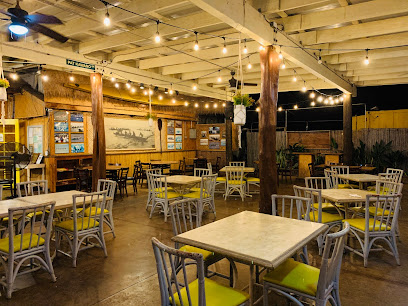
Discover the perfect blend of breathtaking ocean views and delectable American cuisine at Mala Ocean Tavern in Lahaina.
Izakaya Genbe
74.3 km
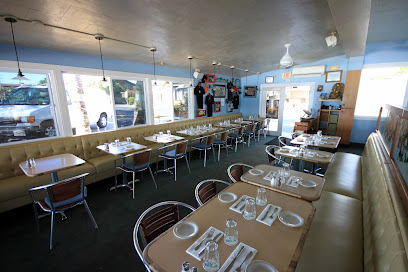
Experience authentic Japanese cuisine at Izakaya Genbe in Kihei, Hawaii - where every dish tells a story.
yak and yeti Indian restaurant
75.8 km
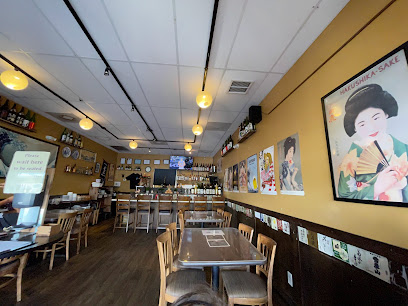
Experience authentic North Indian cuisine at Yak and Yeti in Kihei - where every dish tells a flavorful story.
Hali'imaile General Store
77.3 km
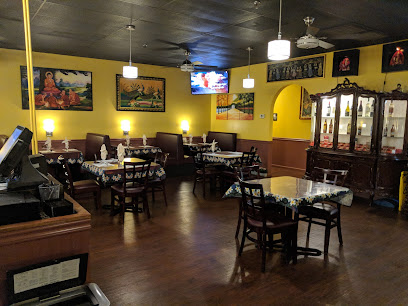
Experience authentic Hawaiian cuisine at Hali'imaile General Store—where local flavors meet island charm in the heart of Maui.
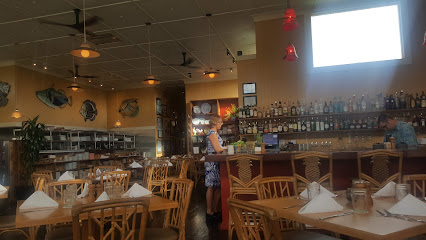
Mio Pastalogy
86.3 km
Experience authentic Italian flavors at Mio Pastalogy in Honolulu with homemade pasta and delectable dishes perfect for any meal.
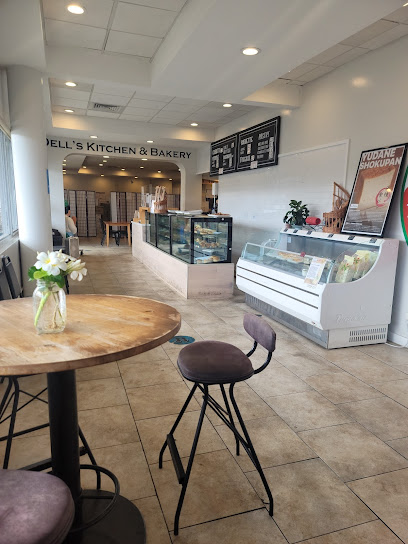
Uncle's Chicken
91.0 km
Experience the best of Asian Fusion cuisine at Uncle's Chicken in Honolulu – where local flavors meet culinary excellence.
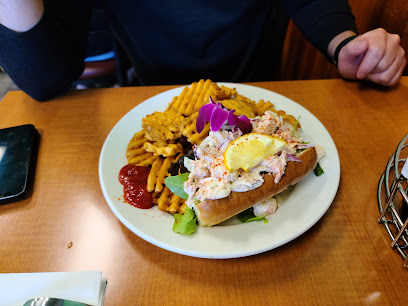
Egghead Cafe
91.3 km
Experience the best breakfast in Honolulu at Egghead Cafe, where Asian fusion meets classic brunch favorites in a cozy setting.
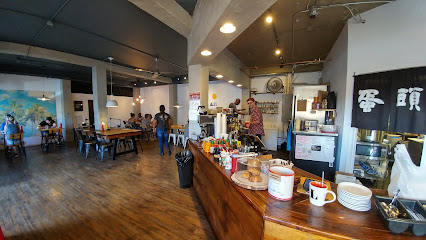
Essential bars & hidden hideouts

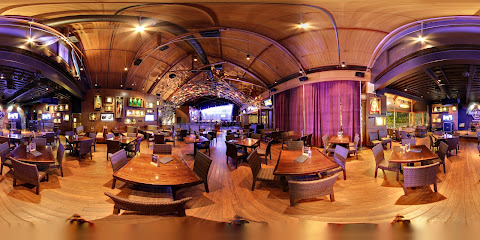
Hard Rock Cafe
86.1 km
Discover the vibrant dining experience at Hard Rock Cafe Honolulu, where American cuisine meets rock 'n' roll memorabilia in an electrifying atmosphere.
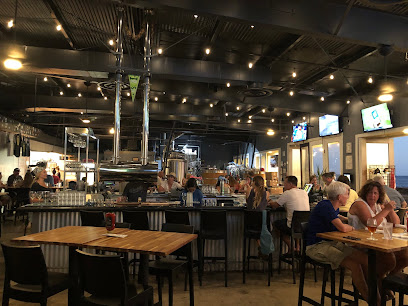
Waikiki Brewing Company - Waikiki
86.5 km
Experience the vibrant flavors of Hawaii at Waikiki Brewing Company, where craft beer meets delicious cuisine in a lively atmosphere.
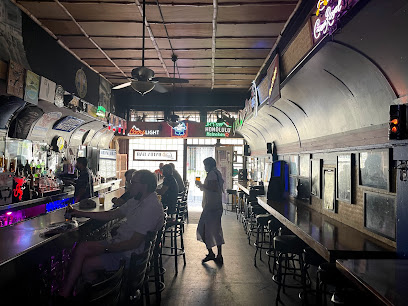
Smith's Union Bar
89.8 km
Experience the vibrant nightlife of Honolulu at Smith's Union Bar, a beloved local hangout in the Arts District, offering refreshing drinks and live music.
Paradise Bay Resort
91.2 km
Experience the tranquility and beauty of Oahu at Paradise Bay Resort, your perfect getaway on Hawaii's scenic eastern shore.