

Molokai, Hawaii Travel Guide
Discover Molokai: Hawaii's unspoiled gem with breathtaking landscapes, rich history, and authentic island culture. Perfect for a tranquil and immersive getaway.
Molokai, known as the Friendly Isle, is a Hawaiian treasure that offers a peaceful and authentic island experience. With its unspoiled landscapes and deep-rooted culture, Molokai stands as a contrast to the more commercialized Hawaiian islands. Here, you can immerse yourself in the serene beauty of untouched beaches, lush valleys, and dramatic sea cliffs. Visitors to Molokai can explore its rich history, including the famous Kalaupapa National Historical Park, once a leprosy settlement, now a place of reflection and learning. The island's small towns, like Kaunakakai, offer a glimpse into local life, where you can find charming shops and eateries serving traditional Hawaiian cuisine. Outdoor enthusiasts will find plenty to do, from hiking the scenic Halawa Valley to snorkeling in the crystal-clear waters of Molokai's reefs. Despite its modest size, Molokai boasts a variety of natural wonders, such as the tallest sea cliffs in the world and the longest continuous fringing reef. This island is perfect for those seeking tranquility and a deeper connection with nature and Hawaiian culture.

Know before you go
Hi, I'm Eve. Here are a few practical things to know before exploring Molokai.
- Rent a car to explore the island, as public transportation is limited.
- Visit local markets for fresh produce and handmade crafts.
- Respect the local culture and customs, which are deeply rooted in tradition.
- Bring cash, as some small businesses may not accept credit cards.
- Book tours and accommodations in advance, especially during peak seasons.
Explore Molokai: Things to Do, Places to Eat, Hotels & More
Handpicked recommendations for top attractions, local dining, accommodations, and more

Top Attractions & Sightseeing in Molokai


Explore Molokai on the Map
A handpicked selection of must-see spots in Molokai, mapped for you.
Molokai Essentials
-
Molokai is accessible by air and sea. The primary airport is Molokai Airport (MKK), with flights primarily from Honolulu International Airport (HNL) and Kahului Airport (OGG) on Maui. Several inter-island airlines offer regular flights. Alternatively, you can reach Molokai by ferry from Lahaina on Maui, which provides a scenic ocean route. Note that ferry services may be seasonal, so check schedules in advance.
-
Once on Molokai, transportation options are limited compared to larger Hawaiian islands. Car rentals are available at Molokai Airport and in Kaunakakai, the island's main town. Taxis and shuttle services are available but can be sparse, especially in more remote areas. Biking is a popular option for exploring the island at a leisurely pace. Note that there is no public bus service on Molokai.
-
The official currency is the US Dollar (USD). Credit and debit cards are widely accepted, especially in larger establishments, but it's advisable to carry some cash for smaller vendors and in remote areas. ATMs are available in Kaunakakai and at the airport, but they can be limited in other parts of the island.
-
Molokai is generally considered safe for tourists, but standard precautions should be taken. Petty theft can occur, so keep valuables secure and avoid leaving belongings unattended. There are no specific high-crime areas targeting tourists, but it is always wise to stay vigilant. Avoid isolated areas at night and be cautious when hiking or exploring remote regions.
-
In case of emergency, dial 911 for immediate assistance. Molokai General Hospital in Kaunakakai provides medical services for emergencies and routine care. It is recommended to have travel insurance that covers medical emergencies. For minor health issues, there are pharmacies in Kaunakakai where you can purchase over-the-counter medications.
-
Fashion: Do wear casual, comfortable clothing suitable for warm weather. Avoid wearing overly revealing clothing, especially in rural areas. Religion: Do respect local customs and traditions, particularly when visiting religious or cultural sites. Public Transport: Do be respectful and patient, as transportation options are limited. Greetings: Do greet locals with a smile and a friendly 'Aloha'. Eating & Drinking: Do try local delicacies and support local eateries. Don't refuse hospitality, as it is considered impolite.
-
To experience Molokai like a local, visit the farmers' markets in Kaunakakai for fresh produce and homemade goods. Engage with locals, who are often friendly and willing to share stories about the island's history and culture. Don’t miss visiting the Kalaupapa National Historical Park, but remember to respect the solemn nature of the site. For a unique experience, take a guided tour to Halawa Valley and learn about traditional Hawaiian practices.
When is the best time to visit Molokai?
Useful Local Phrases for Molokai
You don't need to speak the language perfectly. Even learning a few simple words can make conversations warmer—and locals usually appreciate the effort.
— Eve

Here are the phrases I use most often in Molokai. Try a few—you'll be surprised how far they go! 😊
❤️
-
- HelloAloha
[ah-loh-hah] - GoodbyeAloha
[ah-loh-hah] - YesĀe
[ah-eh] - NoOiaʻiʻo
[oy-ah-ee-oh] - Please/You're welcomeE ʻoluʻolu
[eh oh-loo-oh-loo] - Thank youMahalo
[mah-hah-loh] - Excuse me/SorryE kala mai
[eh kah-lah my] - How are you?Pehea ʻoe?
[peh-heh-ah oh-eh] - Fine. And you?Maikaʻi. A ʻoe?
[mah-ee-kah-ee ah oh-eh] - Do you speak English?Kōkua ʻoe i ka ʻōlelo Pelekane?
[koh-koo-ah oh-eh ee kah oh-leh-loh peh-leh-kah-neh] - I don't understandAʻole au e ʻike
[ah-oh-leh ow eh ee-keh]
- HelloAloha
-
- I'd like to see the menu, pleaseE ʻoluʻolu e ʻike i ka menu
[eh oh-loo-oh-loo eh ee-keh ee kah meh-noo] - I don't eat meatAʻole au e ʻai i ke ahi
[ah-oh-leh ow eh ah-ee ee keh ah-hee] - Cheers!Ono!
[oh-noh] - I would like to pay, pleaseE ʻoluʻolu e hoʻolohe
[eh oh-loo-oh-loo eh ho-oh-loh-eh]
- I'd like to see the menu, pleaseE ʻoluʻolu e ʻike i ka menu
-
- Help!Kōkua!
[koh-koo-ah] - Go away!E hele aku!
[eh heh-leh ah-koo] - Call the Police!K Calling i ka ʻāina!
[kah oh-ling ee kah ah-ee-nah] - Call a doctor!K Calling i ke kauka!
[kah oh-ling ee keh kau-kah] - I'm lostAloha, ua nalowale au
[ah-loh-hah, oo-ah nah-loh-wah-leh ow] - I'm illKe ʻeha au
[keh eh-hah ow]
- Help!Kōkua!
-
- I'd like to buy...Makemake au e kūʻai...
[mah-keh-mah-keh ow eh koo-eh-ee] - I'm just lookingKe nānā wale au
[keh nah-nah vah-leh ow] - How much is it?Ehia ka mea?
[eh-hee-ah kah meh-ah] - That's too expensiveO nā mea ʻoi aku ka ʻoi
[oh nah meh-ah oy ah-koo kah oy] - Can you lower the price?E hiki anei e mālama i ka kumukūʻai?
[eh hee-kee ah-neh eh mah-lah-mah ee kah koo-moo-koo-eye]
- I'd like to buy...Makemake au e kūʻai...
-
- What time is it?He aha ka manawa?
[heh ah-hah kah mah-nah-wah] - It's one o'clockO ka hola ʻekahi
[oh kah hoh-lah eh-kah-hee] - Half past (10)Kāne ʻelua
[kah-neh eh-loo-ah] - MorningKau a hālāwai
[kah-oo ah hah-lah-wai] - AfternoonKau a kuahiwi
[kah-oo ah koo-ah-hee-vee] - EveningKau a ʻaila
[kah-oo ah eye-lah] - YesterdayI nehinei
[ee neh-hee-neh] - TodayI kēia lā
[ee keh-ee-ah lah] - TomorrowI ka lā ʻapō
[ee kah lah ah-poh] - 1Kahā
[kah-hah] - 2Elua
[eh-loo-ah] - 3Ekolu
[eh-koh-loo] - 4Eha
[eh-hah] - 5Elima
[eh-lee-mah] - 6Eono
[eh-oh-noh] - 7Ehiku
[eh-hee-koo] - 8Ewalu
[eh-wah-loo] - 9Eiwa
[eh-ee-vah] - 10Umi
[oo-mee]
- What time is it?He aha ka manawa?
-
- Where's a/the...?Aia i hea ka...?
[ah-ee-ah ee heh-ah kah] - What's the address?He aha ka helu?
[heh ah-hah kah heh-loo] - Can you show me (on the map)?E hiki anei e hōʻike mai iaʻu?
[eh hee-kee ah-neh eh hoh-kee mai ee-ah-oo] - When's the next (bus)?Kāhea ka bus aʻe?
[kah-heh-ah kah bus ah-eh] - A ticket (to ....)He tiket i ka ...
[heh tee-ket ee kah]
- Where's a/the...?Aia i hea ka...?
History of Molokai
-
Molokai, like the other Hawaiian Islands, was settled by Polynesians who arrived in voyaging canoes around 1,500 years ago. These early settlers brought with them their customs, language, and agricultural practices. Evidence of their existence can be found in the numerous heiau (temples) and fishponds that dot the island. The island was known as a spiritual center, and it is believed that many of the kahuna (priests) were trained here.
-
Molokai is home to some of the best-preserved ancient Hawaiian fishponds, known as 'loko iʻa.' According to Hawaiian legend, the goddess Hina, mother of the demigod Maui, created these fishponds to provide abundant fish for her people. The fishponds are remarkable feats of engineering, constructed with walls made of lava rock and coral. These ancient aquaculture systems are still studied today for their sustainable practices.
-
In 1786, British sea captain George Dixon was one of the first Westerners to sight Molokai. He was followed by other explorers and traders, bringing new goods and ideas to the island. The arrival of Europeans marked the beginning of significant changes for Molokai, including the introduction of new plant species, animals, and diseases that would have lasting impacts on the native population.
-
One of the most poignant chapters in Molokai's history involves the establishment of the Kalaupapa Leprosy Settlement. In 1866, the Hawaiian government established a quarantine colony on the isolated Kalaupapa Peninsula for those afflicted with Hansen's disease (leprosy). Belgian priest Father Damien de Veuster arrived in 1873 and dedicated his life to caring for the patients, improving their living conditions, and advocating for their rights. He himself contracted the disease and died in 1889. Father Damien was canonized as a saint by the Catholic Church in 2009.
-
In the late 20th and early 21st centuries, Molokai Ranch became a focal point of controversy and activism. The ranch, which once spanned over 53,000 acres, faced opposition from local residents and activists who were concerned about development plans that threatened the island's rural lifestyle and natural beauty. The conflict highlighted the community's strong commitment to preserving Molokai's unique culture and environment. In 2008, Molokai Ranch shut down its operations, leading to ongoing discussions about the island's economic future and land use.
Neighbouring Regions of Molokai
The closest regions to Molokai, if you have time for more than one.


Your all‑in‑one travel companion app
Explore expert travel guides, compare and book tours, experiences, hotels, and more—all from the palm of your hand. Download now for seamless trip planning wherever your wanderlust takes you.


Explore More of Hawaii
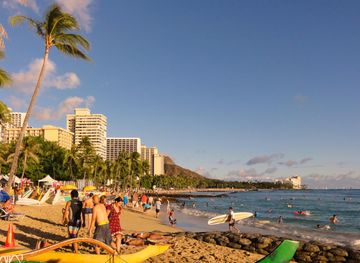
Looking beyond Molokai? Discover Hawaii for broader travel guides, local hot-spots, and regional highlights.
Explore HawaiiMolokai in Photos
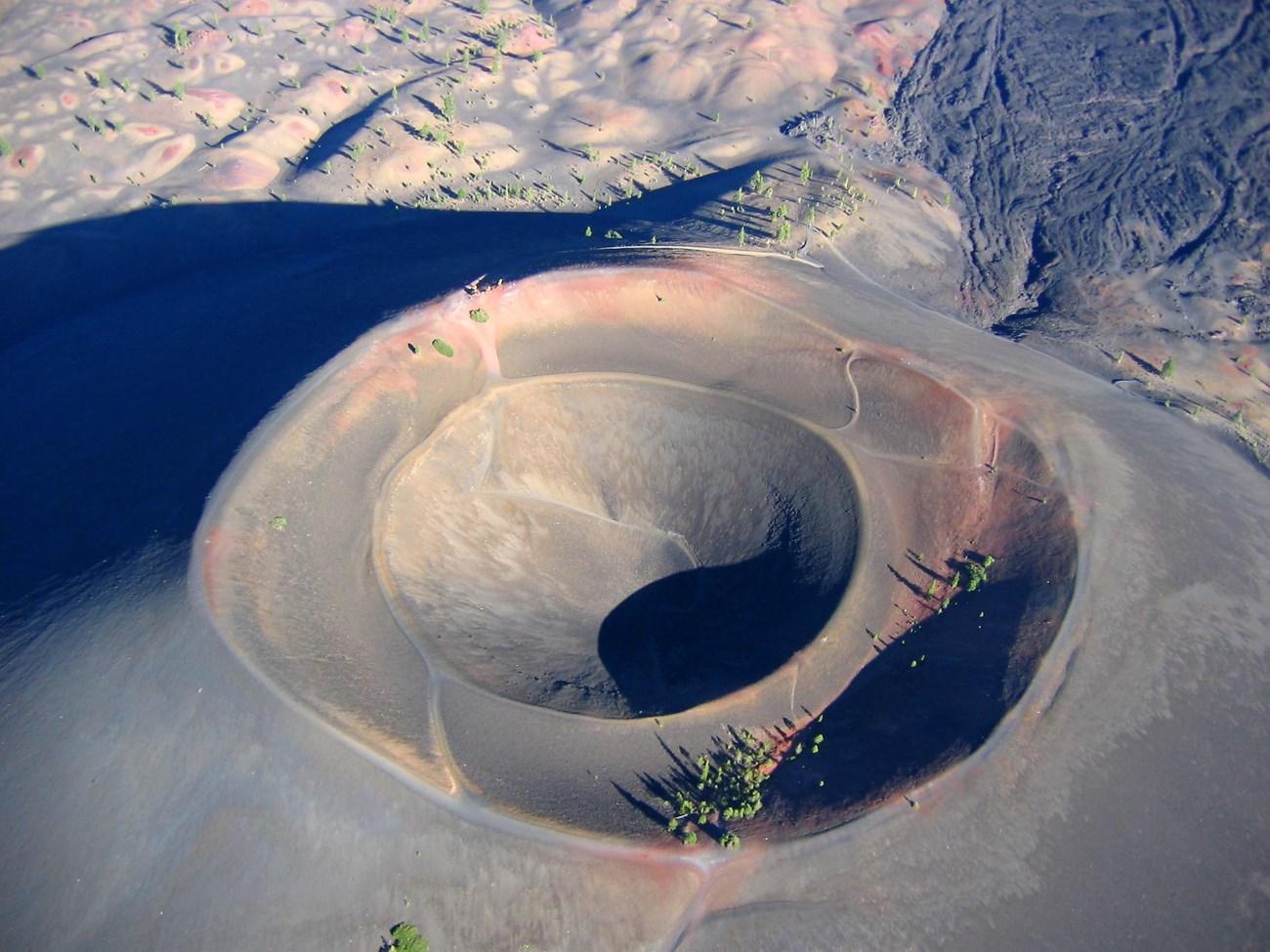
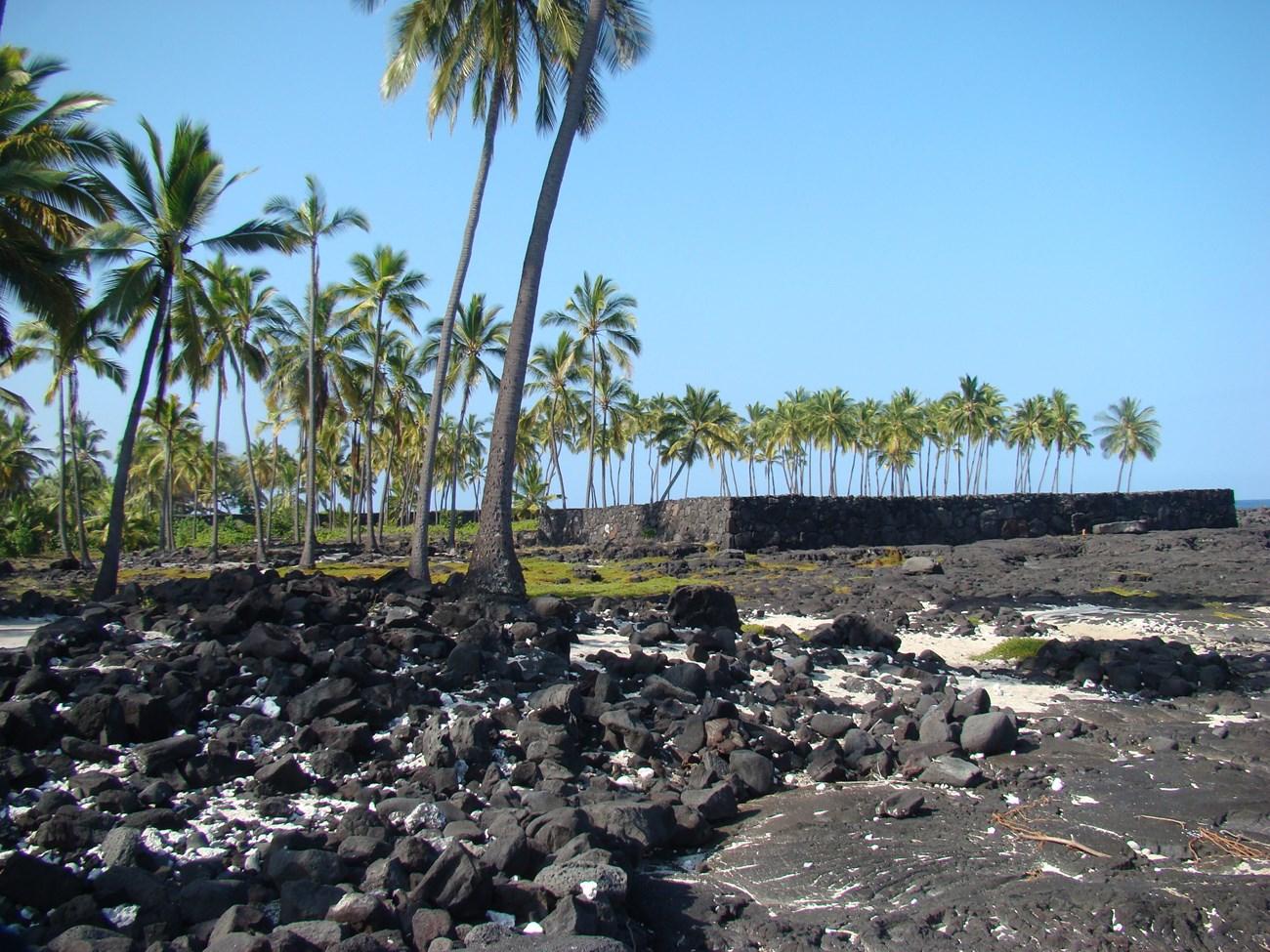
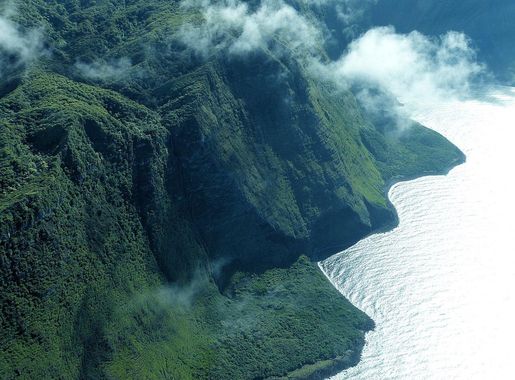
Browse through our photo collection highlighting the charm and character of the destination.





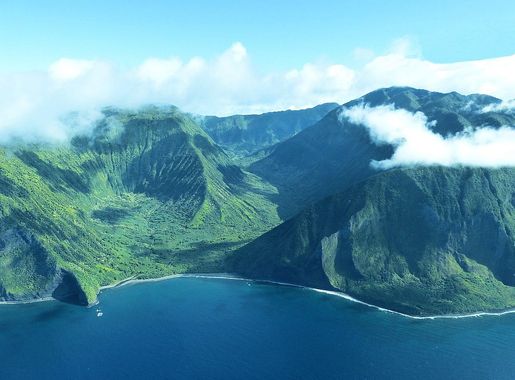
Molokai: The Friendly Isle of Timeless Traditions
Molokai, known as the Friendly Isle, is a Hawaiian treasure that offers a peaceful and authentic island experience. With its unspoiled landscapes and deep-rooted culture, Molokai stands as a contrast to the more commercialized Hawaiian islands. Here, you can immerse yourself in the serene beauty of untouched beaches, lush valleys, and dramatic sea cliffs. Visitors to Molokai can explore its rich history, including the famous Kalaupapa National Historical Park, once a leprosy settlement, now a place of reflection and learning. The island's small towns, like Kaunakakai, offer a glimpse into local life, where you can find charming shops and eateries serving traditional Hawaiian cuisine. Outdoor enthusiasts will find plenty to do, from hiking the scenic Halawa Valley to snorkeling in the crystal-clear waters of Molokai's reefs. Despite its modest size, Molokai boasts a variety of natural wonders, such as the tallest sea cliffs in the world and the longest continuous fringing reef. This island is perfect for those seeking tranquility and a deeper connection with nature and Hawaiian culture.