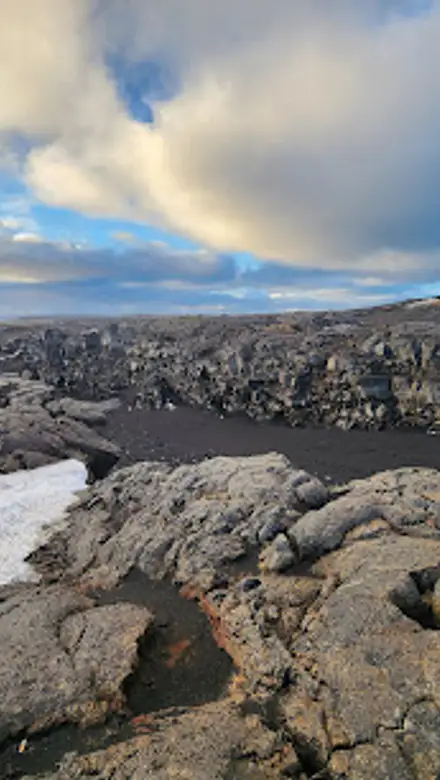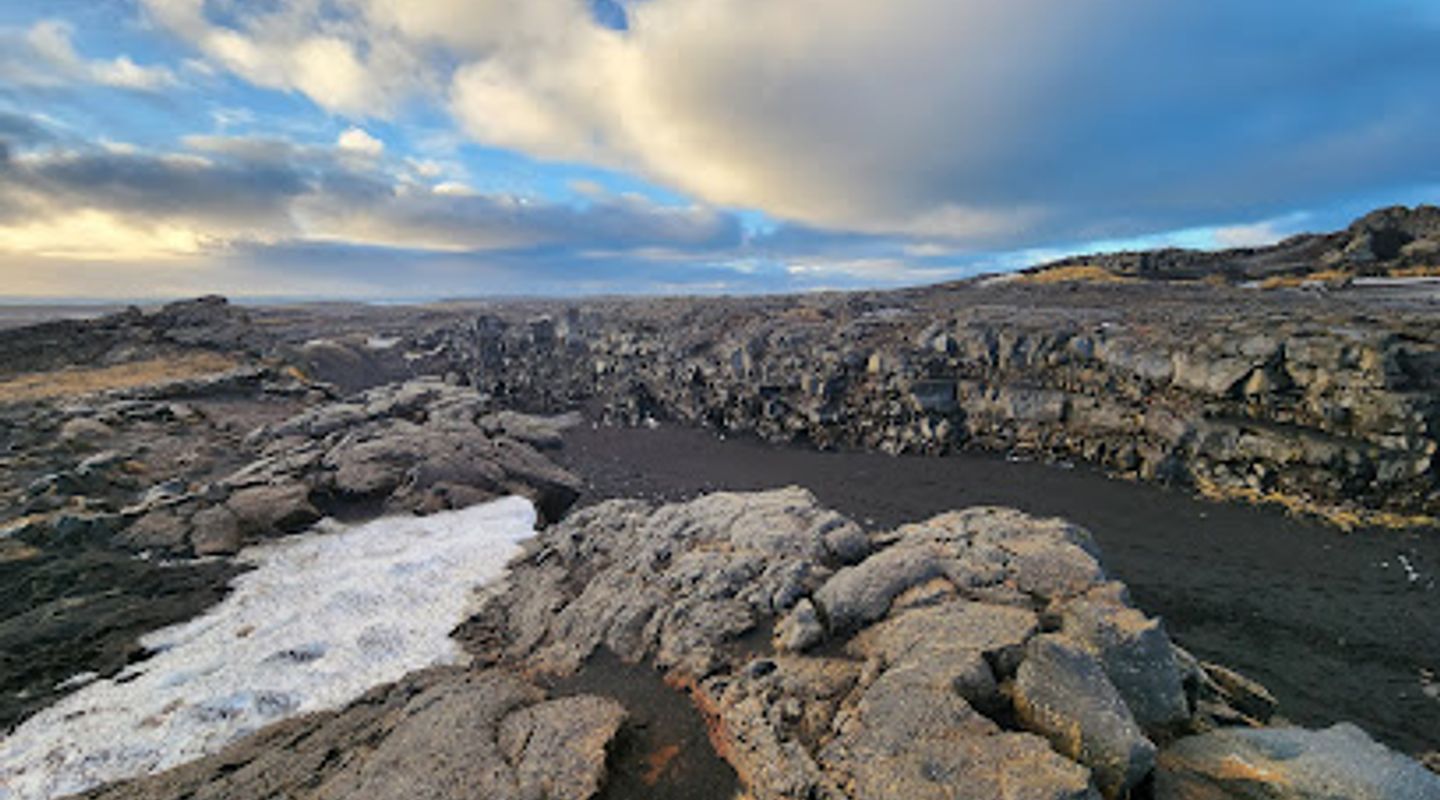
Bridge Between Continents, Reykjanes Peninsula Travel Guide
Discover the Bridge Between Continents in Iceland, where you can walk between the North American and Eurasian tectonic plates amidst stunning volcanic landscapes.
The Bridge Between Continents is an extraordinary tourist attraction located on the Reykjanes Peninsula in Iceland. This site offers visitors a chance to walk across a footbridge that spans the gap between the North American and Eurasian tectonic plates, making it a truly unique geological wonder. Surrounded by stunning landscapes and rich volcanic activity, this site is a must-visit for tourists eager to witness the forces that shape our planet.
A brief summary to Bridge Between Continents
- V89F+8QH, Hafnir, IS

Know before you go
Hi, I'm Eve. Here are a few practical things to know before exploring Bridge Between Continents.
- Visit early in the morning or late afternoon for fewer crowds and the best lighting for photography.
- Wear sturdy walking shoes to traverse the rocky terrain comfortably.
- Check the weather forecast, as the area can be windy and unpredictable.
- Bring a camera; the views are stunning and perfect for capturing memories.
- Take your time to explore the surrounding area for additional geological features and scenic viewpoints.
Do you manage this location?
Take control to get all the benefits, like improved information, better appearance, and stronger visibility across AI-powered discovery. Learn more about listing your business on Evendo
Activate your presenceOther nearby places you may find interesting
The closest places of the same kind, if this one is not quite what you had in mind.

Explore Bridge Between Continents on the Map
A handpicked selection of must-see spots near Bridge Between Continents, mapped for you.
Unlock the Best of Bridge Between Continents
Buy tickets
-
No tickets available
Book tours with entry


Getting There
-
Car
If you are driving, start from Reykjavik and head southwest on Route 41 towards Keflavik. Continue on Route 41 for approximately 30 kilometers. Once you reach Keflavik, take Route 43 towards Hafnir. After about 10 kilometers, you will see signs for the Bridge Between Continents. Follow the signs to the parking area. The parking is free, and the site is easily accessible from there.
-
Public Transportation
If you prefer public transportation, take a bus from Reykjavik to Keflavik. The bus service is operated by Strætó, and you can catch a bus from the BSI Bus Terminal in Reykjavik. The journey takes about 45 minutes. Once in Keflavik, you can transfer to a local bus heading towards Hafnir. Make sure to check the bus schedules ahead of time, as they may vary. The last bus stop will be near the Bridge Between Continents, and from there, it is a short walk to the site.
-
Taxi
For a more convenient option, consider taking a taxi from Reykjavik directly to the Bridge Between Continents. This option is more expensive, typically costing between 15,000 to 20,000 ISK, but it offers a direct route without transfers. The taxi ride will take approximately 45 minutes, depending on traffic.
-
Bicycle
If you're feeling adventurous, biking from Reykjavik to the Bridge Between Continents is an option! Rent a bike in Reykjavik and follow the same route as if you were driving, using Route 41 and Route 43. The total distance is about 40 kilometers one way, so plan for a full day trip if you choose this method. Ensure you have appropriate gear and check weather conditions before you set off.
Discover more about Bridge Between Continents
More to explore near Bridge Between Continents













Your all‑in‑one travel companion app
Explore expert travel guides, compare and book tours, experiences, hotels, and more—all from the palm of your hand. Download now for seamless trip planning wherever your wanderlust takes you.


Explore More of Reykjanes Peninsula
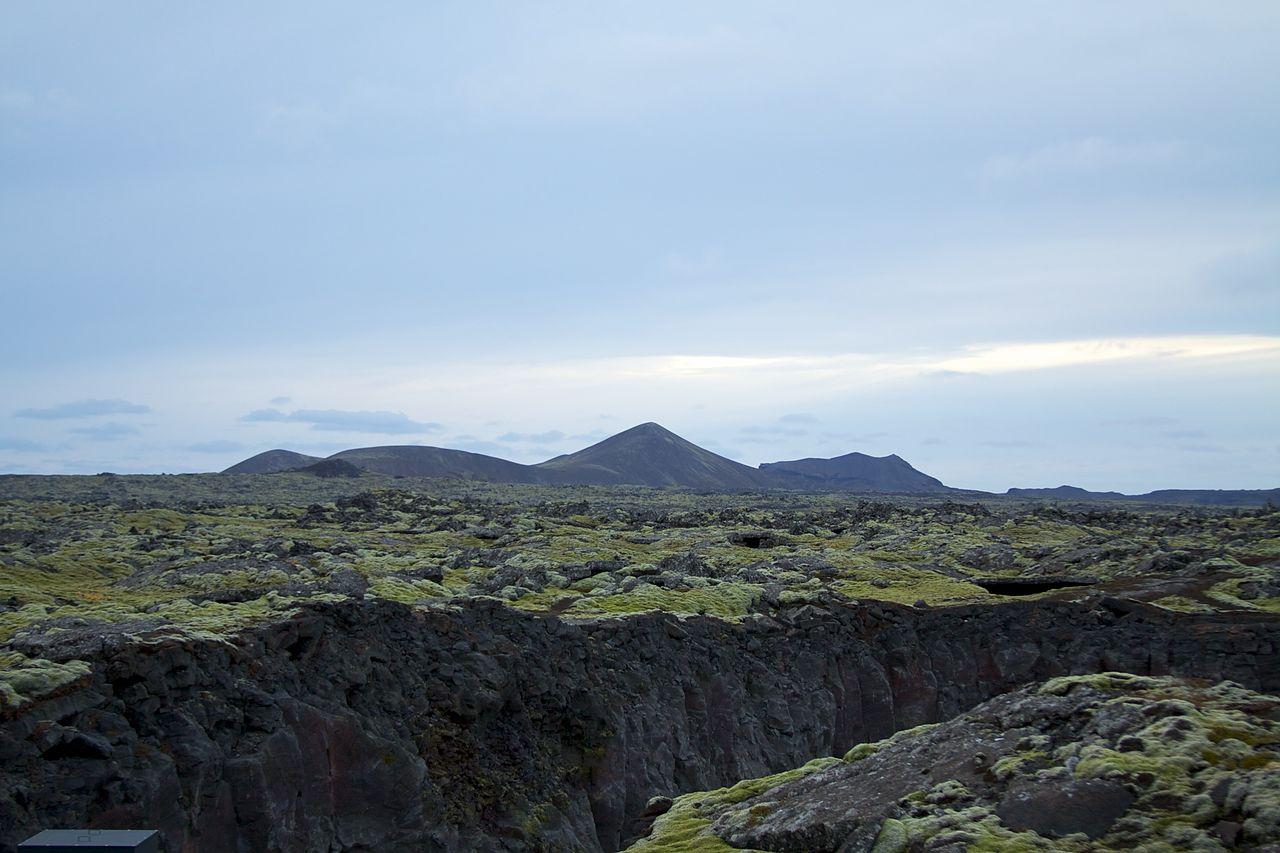
Looking beyond Bridge Between Continents? Discover Reykjanes Peninsula for broader travel guides, local hot-spots, and regional highlights.
Explore Reykjanes Peninsula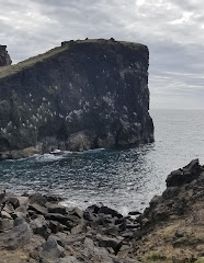
Experience the breathtaking views and rich history at Reykjanes Lighthouse, a stunning coastal gem on Iceland's Reykjanes Peninsula.
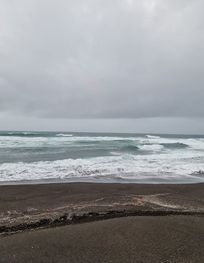
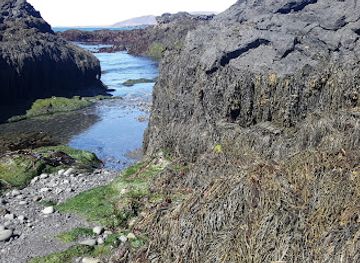
Explore the breathtaking vistas and natural beauty of Stóra Sandvík, a stunning coastal attraction in Iceland, perfect for nature lovers and adventurers alike.